Natural Hair Care Routine for Kids: Easy Steps for Healthy, Soft, and Tangle-Free Hair
Published: 25 Nov 2025
Caring for your child’s hair can be tricky. Curls, tangles, and breakage make daily hair care a challenge. That’s why a natural hair care routine for kids is essential. It keeps hair soft, healthy, and easy to manage.
In this guide, you’ll discover simple steps, safe products, and quick tips. Moms and kids both can follow them easily. From detangling to protective styles, these routines make hair care fun and stress-free. Keep reading to learn how to make your child’s hair shine and grow strong every day!
Understand Your Child’s Hair
Every child’s hair is unique. To care for it properly, you first need to understand the type and needs of your child’s hair.
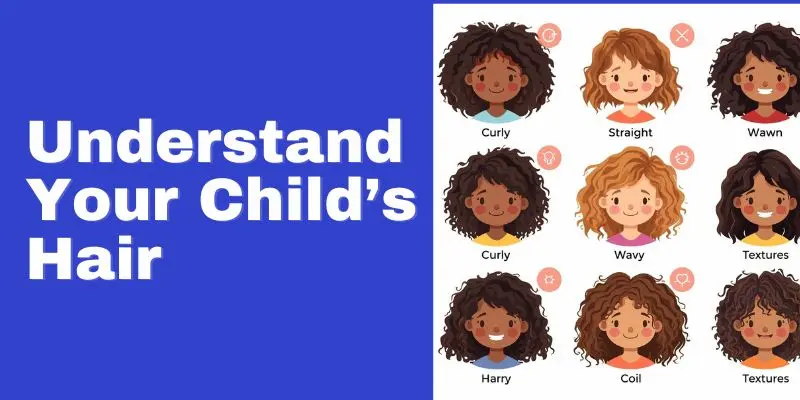
Children’s hair is delicate, and understanding its texture and scalp sensitivity makes a significant difference in maintaining its health.
Hair Types: Curly, Coily, Wavy
- Curly Hair: Forms soft or loose curls. Often needs extra moisture to prevent dryness and frizz.
- Coily Hair: Very tight curls or spirals. It can shrink a lot and is prone to breakage if not handled gently.
- Wavy Hair: Slightly curved strands, usually easier to manage but can still get tangled.
Knowing your child’s hair type helps you choose the right products and routine.
Why Kids’ Hair Needs More Moisture
Children’s hair is naturally thinner and more fragile than adult hair. It loses moisture faster and can break easily. Using gentle, hydrating products is essential. A natural hair care routine for kids focuses on keeping hair soft, nourished, and tangle-free.
Scalp Sensitivity in Kids
Kids’ scalps are more sensitive than adults’. Harsh shampoos or rough combing can cause irritation or pain. For example, one mom shared that her daughter’s scalp would get red when she used adult shampoo or brushed too hard. Switching to a mild, sulfate-free shampoo and detangling gently solved the problem.
Understanding your child’s hair type, moisture needs, and scalp sensitivity is the first step in creating a safe, effective, and enjoyable hair care routine. This knowledge ensures your child’s hair grows healthy and strong, while making daily care easier for moms.
Weekly & Daily Routine Overview
Creating a simple weekly and daily routine is the key to keeping your child’s hair healthy and easy to manage. A good routine balances cleansing, moisturizing, and styling without stressing the scalp or hair.
Difference Between Wash Days and Non-Wash Days
- Wash Days: These are the days when you shampoo and condition your child’s hair. Wash days remove dirt, sweat, and product build-up while keeping the scalp clean.
- Non-Wash Days: On these days, you refrain from washing your hair and instead focus on refreshing, moisturizing, and protecting it. This prevents dryness and reduces breakage caused by over-washing.
Recommended Frequency
The number of wash days depends on your child’s hair type:
- Curly Hair: 1 wash day per week is usually enough. Curly hair needs more moisture and can dry out easily.
- Coily Hair: 1 wash day every 7–10 days works best. Excessive washing can cause hair to become dry and brittle.
- Wavy Hair: 1–2 wash days per week are fine. Wavy hair can handle more frequent washing but still benefits from gentle care.
Quick Daily Refresh Steps
Even on non-wash days, you can keep hair soft, manageable, and tangle-free:
- Lightly spritz hair with water or a homemade mist (water + leave-in conditioner).
- Gently detangle hair with fingers or a wide-tooth comb.
- Apply a small amount of natural oil or leave-in conditioner to lock in moisture.
- Optional: Style hair into a loose braid, puff, or bun to protect it throughout the day.
Following a natural hair care routine for kids with clear wash days and daily refresh steps keeps hair strong, hydrated, and happy. Moms will find this simple approach easy to follow, and kids will enjoy soft, healthy hair every day.
Pre-Wash Care
Taking care of your child’s hair before washing is just as important as washing itself. Pre-wash care protects hair from breakage and makes detangling easier. Following these steps ensures a gentle and effective natural hair care routine for kids.
Detangling Before Washing
Always detangle hair before washing. Wet hair is fragile, and trying to detangle it when wet can cause breakage. Dry detangling is also not ideal because it can pull on knots and damage strands. Instead, lightly mist the hair to make it soft and easier to comb through.
Use of a Mist or Spritz
A simple mist or spritz helps prepare the hair for washing. Mix water with a light leave-in conditioner and spray it gently on the hair. This adds moisture, reduces tangles, and protects the hair from breakage. Spritzing also makes hair manageable and soft, making the washing process easier and faster.
Tools: Wide-Tooth Comb / Fingers
Use a wide-tooth comb or your fingers to detangle hair gently. Fingers help feel knots and prevent hair from snapping, while a wide-tooth comb detangles larger sections. Always work in small sections from the ends up to the roots. This method protects the scalp and keeps hair strong.
Proper pre-wash care sets the foundation for healthy, soft, and tangle-free hair. By adding these simple steps, moms can make the natural hair care routine for kids smooth, safe, and enjoyable for both themselves and their children.
Cleansing / Wash Day
Wash day is the main part of a natural hair care routine for kids. Proper cleansing removes dirt, sweat, and product build-up while keeping the scalp healthy.
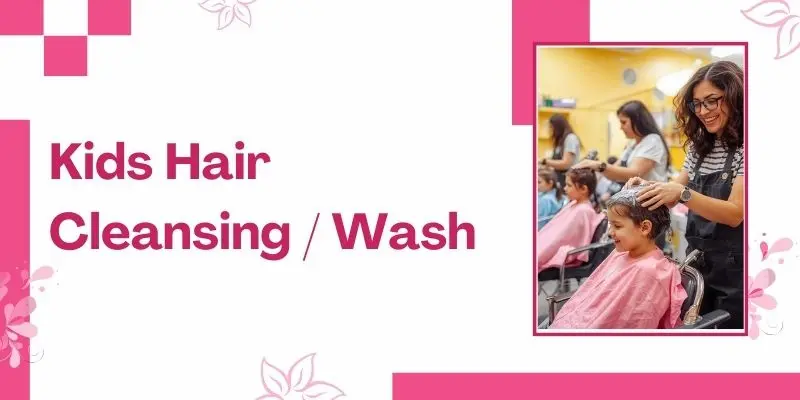
Doing it gently ensures soft, strong, and tangle-free hair.
Choosing a Gentle, Sulfate-Free Shampoo
Always pick a gentle, sulfate-free shampoo designed for children. Sulfates can strip natural oils from hair, making it dry and brittle. A mild shampoo keeps hair clean without damaging the delicate strands or irritating the sensitive scalp. Look for products with natural ingredients and moisturizing properties to support healthy hair growth.
How to Shampoo Properly (Focus on the Scalp)
- Wet hair thoroughly before applying shampoo.
- Apply a small amount of shampoo and gently massage it into the scalp, not just the hair strands. This removes dirt and stimulates blood circulation for healthy hair growth.
- Avoid rough rubbing, which can cause tangles and breakage.
- Work in small sections if the hair is thick or curly, to ensure every part of the scalp is cleaned.
Rinsing Tips (Cool vs Warm Water)
- Use lukewarm water to rinse shampoo. Water that is too hot can dry out the hair, while very cold water may not remove all residue.
- A final rinse with slightly cool water helps lock in moisture, making hair soft and shiny.
- Ensure all shampoo is fully rinsed to prevent scalp irritation or build-up.
Following these simple steps on wash day keeps hair clean, healthy, and manageable. Moms will find it easy to maintain a gentle, natural hair care routine for kids, while kids enjoy soft, tangle-free hair ready for moisturizing and styling.
Conditioning
Conditioning is an essential part of a natural hair care routine for kids. It restores moisture, prevents tangles, and keeps hair soft and manageable. Using the right conditioner correctly ensures your child’s hair stays healthy and strong.
Regular Conditioner vs Deep Conditioner
- Regular Conditioner: Use after every wash to keep hair hydrated, soft, and easy to comb. Ideal for everyday maintenance.
- Deep Conditioner: Use once a week or every two weeks for extra hydration. Deep conditioning repairs dryness, strengthens hair, and prevents breakage, especially for curly or coily hair.
Technique: Section-by-Section Application
- Divide hair into small sections to apply conditioner evenly.
- Start from the ends and gently work your way up toward the scalp.
- This ensures every strand gets moisture and prevents tangles.
- Leave the conditioner for 5–10 minutes before rinsing (or follow product instructions).
Leave-In Conditioner: Benefits and How to Use
- A leave-in conditioner stays in the hair after washing to provide ongoing moisture and protection.
- Apply a small amount to damp hair, focusing on the ends and dry areas.
- It makes detangling easier, reduces frizz, and protects hair from breakage throughout the day.
Using these conditioning steps regularly ensures your child’s hair remains soft, nourished, and healthy. Moms will find it easy to maintain a gentle and effective natural hair care routine for kids, while kids enjoy hair that is smooth, tangle-free, and ready for styling.
Detangling & Moisturizing
Detangling and moisturizing are key steps in a natural hair care routine for kids. They keep hair soft, prevent breakage, and make styling easier. Doing them the right way ensures your child’s hair stays healthy and manageable.
Detangling After Conditioner — Step-by-Step
- Apply a leave-in conditioner or lightly dampen hair.
- Divide hair into small sections.
- Start detangling from the ends using your fingers or a wide-tooth comb.
- Work slowly upward toward the roots to avoid pulling or breaking hair.
- Repeat until all sections are tangle-free.
Moisture Layering Methods: LOC / LCO / Simplified Method
- LOC Method: Apply Liquid (water or spritz) → Oil → Cream
- LCO Method: Apply Liquid → Cream → Oil
- Simplified Method: Spray water, add a small amount of leave-in, then lightly seal with oil
These methods help hair retain moisture longer, reduce dryness, and prevent breakage.
Natural Oils or Butters to Seal in Moisture
Use natural oils and butters to lock in moisture:
- Jojoba Oil: Lightweight, protects hair without weighing it down
- Coconut Oil: Adds shine and reduces tangles
- Shea Butter: Deeply nourishes and strengthens hair
Apply a small amount to the ends or dry areas after moisturizing.
By combining proper detangling with moisture layering, your child’s hair will stay soft, shiny, and healthy. Moms will find this routine simple, safe, and effective, making the natural hair care routine for kids stress-free and enjoyable for both parent and child.
Protective Styles for Kids
Protective styles are hairstyles that shield your child’s hair from damage while keeping it neat and easy to manage.
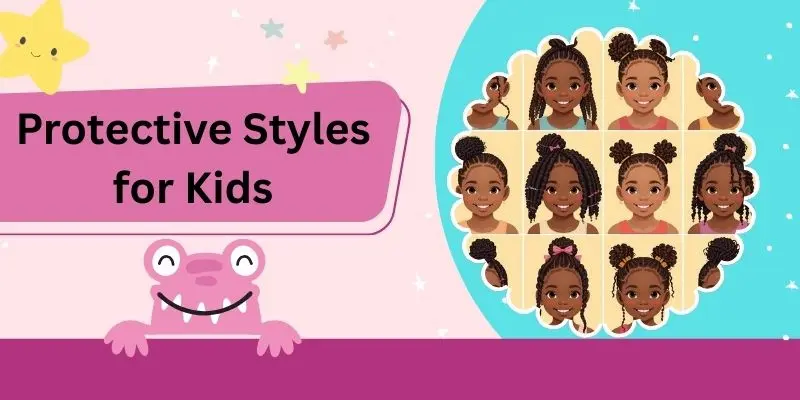
These styles reduce breakage, help retain moisture, and make daily hair care simpler. Including protective styles is an important part of a natural hair care routine for kids, especially for curly or coily hair types.
What Are Protective Styles and Why Are They Important
Protective styles keep the ends of the hair tucked away and reduce constant manipulation. For kids, this prevents tangles, split ends, and breakage. Using these styles regularly helps hair grow stronger and healthier while giving moms an easier hair care routine.
Simple Hairstyles for Kids
- Twists: Two-strand twists are gentle and can last for several days.
- Braids: Simple braids or cornrows protect hair and prevent tangling.
- Buns: Loose buns keep hair tidy and reduce friction on pillows.
- Puffs: Cute and easy, puffs keep hair off the face while still being fun.
Style Tips for Healthy Hair
- Avoid tight styles that pull on the scalp, as this can damage edges and cause pain.
- Rotate styles regularly to give hair a break and avoid stress on the same areas.
- Protect edges by keeping them lightly moisturized and avoiding constant tension.
Using protective styles correctly ensures your child’s hair stays strong, healthy, and tangle-free. Moms will find it easier to manage daily hair care, while kids enjoy fun, comfortable, and stylish hair every day.
Nighttime Hair Care
A proper nighttime routine is a key step in a natural hair care routine for kids. Sleeping without protection can cause tangles, dryness, and breakage, especially for curly or coily hair. A few simple habits at night can keep hair soft, healthy, and easy to manage.
Why Night Routine Matters
When children sleep, friction between hair and pillowcases can damage curls, create tangles, and lead to breakage. Without a routine, even carefully washed and moisturized hair can become dry and frizzy by morning. A nighttime routine protects the hair while supporting growth and moisture retention.
Use of Satin Bonnet or Satin Pillowcase
- A satin bonnet covers the hair, reducing friction and keeping curls intact.
- If a bonnet is not available, a satin pillowcase works as a gentle alternative.
- Both options prevent moisture loss and help maintain the hairstyle overnight.
How to Refresh Hair at Night
- Lightly spritz hair with water or a water + leave-in mix to keep it hydrated.
- Gently tuck hair into a bun or loose braid to prevent tangling.
- Avoid tight styles or excessive pulling to protect edges and maintain hair health.
Following a simple nighttime routine ensures your child wakes up with soft, manageable, and healthy hair. Moms will find it easy to maintain the natural hair care routine for kids, while kids enjoy comfortable, tangle-free hair every day.
Between Wash Days / Refresh Routine
Even on non-wash days, keeping your child’s hair soft, moisturized, and tangle-free is important. A proper refresh routine helps maintain curls, reduce breakage, and keep hair looking healthy without daily washing.
How to Refresh Curls Without Washing
- Lightly spritz hair with water or a water + leave-in conditioner mix.
- Scrunch curls gently with your fingers to restore bounce and shape.
- Focus on areas that may have flattened or dried out.
- This method keeps hair fresh while maintaining moisture.
Low-Manipulation Styles for Non-Wash Days
- Loose braids or twists prevent tangling while protecting the ends.
- Puffs or buns keep hair off the face and reduce friction during play or sleep.
- These styles reduce daily manipulation, which helps prevent breakage and dryness.
When to Detangle Again
- Check hair in the morning or before styling.
- If tangles form, detangle gently using fingers or a wide-tooth comb.
- Always start from the ends and work up to the roots to avoid pulling or breaking hair.
Following these steps ensures your child’s hair stays soft, manageable, and healthy between wash days. Moms will find it easy to maintain a natural hair care routine for kids, while kids enjoy tangle-free, lively curls every day.
Scalp Health & Growth
Healthy hair starts with a healthy scalp. Taking care of your child’s scalp helps hair grow stronger, reduces dryness, and prevents problems like itchiness or breakage. A few simple steps can make scalp care safe, effective, and fun for kids.
Scalp Massage for Kids
- Gently massage your child’s scalp for 2–3 minutes during or after washing.
- Use your fingertips in small circular motions, never nails.
- Scalp massage improves blood circulation, relaxes the child, and supports healthy hair growth.
- Keep sessions short to make it enjoyable for kids.
Natural Remedies / Oils for Scalp
- Use light, safe oils like jojoba, coconut, or sweet almond oil.
- Apply a small amount to the scalp to keep it hydrated and prevent dryness.
- Avoid heavy oils or products that may clog pores.
- Natural remedies like aloe vera gel can also soothe a sensitive scalp and reduce irritation.
When & How to Trim (Split Ends)
- Trim hair every 8–12 weeks to remove split ends and promote healthy growth.
- Use child-safe scissors and trim small amounts at a time.
- Focus on dry, damaged ends, not the length, to prevent unnecessary hair loss.
- Regular trims make detangling easier and keep hairstyles neat.
Maintaining scalp health and following gentle trimming habits ensures your child’s hair grows strong, soft, and healthy. Moms will find it easy to care for their child’s scalp while supporting the natural hair care routine for kids every day.
Common Mistakes Moms Make & How to Avoid Them
Even with the best intentions, moms sometimes make simple mistakes that can harm a child’s hair. Knowing what to avoid helps keep hair healthy, soft, and strong.
Over-Washing
- Washing hair too often can strip natural oils, leaving hair dry and brittle.
- For most kids, 1–2 wash days per week is enough, depending on hair type.
- Use gentle, sulfate-free shampoos on wash days to maintain moisture.
Tight Hairstyles
- Tight braids, buns, or ponytails can pull on the scalp and damage hair edges.
- Always style hair loosely and rotate hairstyles regularly.
- Protective styles should reduce tension, not cause it.
Skipping Moisturizing
- Dry hair breaks easily, so moisturizing is essential even on non-wash days.
- Use water-based spritz, leave-in conditioners, or light natural oils to lock in moisture.
- Moisturizing after detangling keeps hair soft, shiny, and tangle-free.
Using Adult Products
- Adult shampoos, conditioners, or styling products can irritate a child’s sensitive scalp.
- Stick to products designed for kids or natural hair care items that are gentle and safe.
- This prevents dryness, allergic reactions, and damage to delicate hair.
By avoiding these mistakes, moms can ensure their child’s hair grows healthy, strong, and beautiful. Following a consistent natural hair care routine for kids makes hair care simple, effective, and enjoyable for both moms and children.
DIY / Natural Product Ideas
Using safe, homemade products can be a fun and effective part of a natural hair care routine for kids. These DIY options are gentle, easy to make, and free from harsh chemicals.
Simple Homemade Spritz Formula
- Mix 1 cup of water with 1 tablespoon of aloe vera gel and 1 teaspoon of glycerin.
- Pour into a spray bottle and lightly mist hair to refresh curls and add moisture between wash days.
- This spritz keeps hair soft, manageable, and tangle-free.
DIY Leave-In or Hair Mask with Kitchen Ingredients
- Coconut Milk & Honey Mask: Mix ¼ cup coconut milk with 1 teaspoon honey.
- Apply to damp hair, leave for 10–15 minutes, then rinse lightly.
- This homemade mask hydrates hair, strengthens strands, and adds shine naturally.
- Perfect for weekly deep conditioning in a gentle way.
Light Scalp Oil Mix Safe for Kids
- Mix 1 teaspoon olive oil + 1 teaspoon jojoba oil + 1 drop of lavender or chamomile essential oil.
- Massage lightly into the scalp to moisturize, soothe, and promote healthy hair growth.
- Always use just a small amount to avoid greasy hair.
These DIY solutions are safe, natural, and easy for moms to prepare at home. They add moisture, protect curls, and make the natural hair care routine for kids fun and effective, while keeping hair soft, healthy, and strong.
Teaching Kids to Love & Care for Their Hair
Teaching children to enjoy and care for their hair is an important part of a natural hair care routine for kids.
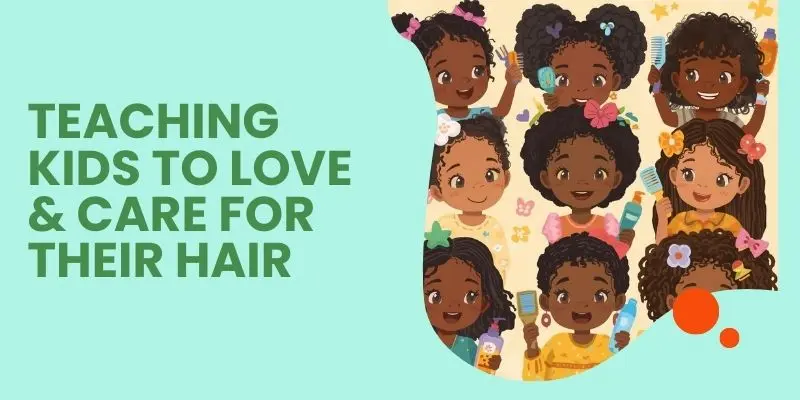
When kids feel confident about their curls, coils, or waves, they are more likely to follow healthy habits themselves.
Involve Your Child in the Routine
- Let your child do age-appropriate tasks, like spraying water, applying leave-in conditioner, or choosing hairstyles.
- Involving them makes hair care fun and educational, and helps them learn responsibility for their own hair.
Talk to Them About Their Curls / Coils
- Teach kids to love and appreciate their natural hair.
- Compliment their curls, coils, or waves regularly to build confidence.
- Explain that each curl or coil is unique and beautiful, reinforcing positive self-image.
Make Hair Care Fun
- Turn hair care into a game with songs, rhymes, or mirror talk.
- For example, counting twists or braids aloud or making faces in the mirror while styling.
- Fun routines encourage kids to participate without resistance and make hair care stress-free for moms.
By involving children, talking positively about their hair, and adding fun activities, moms can help their kids develop a lifelong love for their natural hair. This approach supports the natural hair care routine for kids while making hair care enjoyable for both parent and child.
Safety Tips
Keeping your child’s hair safe is an important part of a natural hair care routine for kids. Gentle care and safe products protect the scalp and hair while preventing irritation or damage.
Always Patch Test New Products
- Before using any new shampoo, conditioner, or oil, test a small amount on your child’s scalp.
- Wait for 24 hours to see if any redness, itching, or irritation occurs.
- Patch testing ensures products are safe for your child’s sensitive scalp.
Avoid Adult Hair Products with Harsh Chemicals
- Adult shampoos or styling products often contain sulfates, parabens, or strong fragrances.
- These can dry out hair, irritate the scalp, or cause breakage.
- Stick to gentle, kid-friendly, or natural products for safe and effective care.
Know When to See a Dermatologist
- Consult a doctor if your child experiences persistent dry scalp, dandruff, redness, or irritation.
- Early attention prevents long-term problems and ensures healthy hair growth.
Following these simple safety tips ensures your child’s hair stays healthy, strong, and happy. Moms can confidently maintain a natural hair care routine for kids, knowing they are protecting their child’s delicate scalp and hair every day.
Sample Weekly Schedule
Having a clear weekly schedule makes it easier for moms to follow a natural hair care routine for kids. It balances wash days, refresh days, and nightly care while keeping hair healthy and manageable.
Example Weekly Schedule
- Monday – Wash Day: Shampoo, condition, detangle, moisturize, and style.
- Tuesday – Low-Manipulation Day: Light spritz + protective style if needed.
- Wednesday – Night Refresh: Quick mist and gentle tuck before bed.
- Thursday – Mini Refresh: Detangle, moisturize, and lightly style.
- Friday – Play Day: Keep hair in a low-manipulation style to prevent tangles.
- Saturday – Optional Deep Condition: Use a DIY mask or deep conditioner for extra hydration.
- Sunday – Nighttime Routine: Satin bonnet/pillowcase + light spritz to prep for the week ahead.
Adjustments for Different Hair Types or a Busy Week
- Curly or Coily Hair: Reduce washing to 1–2 times a week to maintain moisture.
- Wavy Hair: Can handle 2 wash days but still needs moisturizing on non-wash days.
- Busy Week: Skip deep conditioning or mini refresh if needed; focus on nighttime care to protect hair.
- Travel or School Days: Use protective styles to save time and prevent tangling.
Following a simple weekly schedule helps keep hair strong, soft, and tangle-free while making the natural hair care routine for kids easy for moms and enjoyable for children.
Conclusion:
Following a natural hair care routine for kids can make a huge difference in keeping hair healthy, soft, and strong. Remember the key steps: understand your child’s hair type, wash and condition gently, moisturize regularly, use protective styles, and maintain a simple nighttime and refresh routine.
Consistency and patience are essential — healthy hair doesn’t happen overnight. By following this routine, parents can turn hair care into bonding time while teaching children to love and care for their natural hair. With simple, safe, and effective practices, moms can ensure their child’s hair grows strong, shiny, and full of life every day.
FAQs: Natural Hair Care Routine for Kids
Most kids only need 1–2 wash days per week, depending on hair type. Curly or coily hair usually needs fewer washes to prevent dryness, while wavy hair can handle more frequent washing. Always use a gentle, sulfate-free shampoo to keep hair soft and healthy. Over-washing can strip natural oils and make hair brittle.
No, adult shampoos often have harsh chemicals like sulfates and parabens. These can irritate a child’s sensitive scalp and dry out hair. Stick to kid-friendly or natural hair products designed for curls, coils, or waves. Using the right shampoo is essential for a safe, natural hair care routine for kids.
Yes! You can make safe, homemade products like spritzes, leave-in conditioners, or hair masks. Simple ingredients like aloe vera, coconut milk, honey, and light oils are gentle and effective. DIY products help moisturize, detangle, and protect hair naturally without harsh chemicals.
Always detangle hair after conditioning and in small sections. Start from the ends and work up to the roots using your fingers or a wide-tooth comb. Adding a light leave-in or natural oil makes detangling easier and reduces pulling. Gentle handling is key to a strong natural hair care routine for kids.
Simple styles like twists, braids, buns, or puffs work well. Protective styles reduce tangles, breakage, and moisture loss. Always style loosely and rotate hairstyles to avoid tension on the scalp and edges. Protective styles are a fun and effective part of a natural hair care routine for kids.
Use a light spritz with water or leave-in conditioner and apply a small amount of natural oil or butter to seal moisture. Low-manipulation styles like loose braids or buns also help retain hydration. Regular moisturizing keeps hair soft, shiny, and healthy while reducing tangles and breakage.
Sleeping can damage curls and create tangles if hair isn’t protected. Using a satin bonnet or pillowcase prevents friction and locks in moisture. Lightly spritzing hair and tucking it gently helps curls stay intact. Nighttime care is a simple step that supports a healthy, natural hair care routine for kids.
Trim hair every 8–12 weeks to remove split ends and keep hair strong. Focus only on damaged ends, not the length, to prevent unnecessary loss. Regular trimming helps with detangling, promotes healthy growth, and keeps hairstyles looking neat.
Let your child do age-appropriate tasks like spraying water, applying leave-in, or choosing styles. Talk positively about their curls or coils to build confidence. Making hair care fun with songs, mirror talk, or games encourages participation and teaches kids to love and care for their hair.
First, use gentle, moisturizing products and avoid harsh shampoos. Lightly massage the scalp with safe oils like jojoba or coconut oil. If dryness, irritation, or dandruff continues, consult a dermatologist. Healthy scalp care is essential for strong, soft hair and a safe, natural hair care routine for kids.





- Be Respectful
- Stay Relevant
- Stay Positive
- True Feedback
- Encourage Discussion
- Avoid Spamming
- No Fake News
- Don't Copy-Paste
- No Personal Attacks
- Be Respectful
- Stay Relevant
- Stay Positive
- True Feedback
- Encourage Discussion
- Avoid Spamming
- No Fake News
- Don't Copy-Paste
- No Personal Attacks
