Protein Hair Mask: Need Stronger Hair Without Overload?
Published: 26 Sep 2024
A protein hair mask can feel like the missing step when your hair is weak, mushy, stretchy, or breaking after washing.
I know that “money wasted” feeling. You buy a mask, use it with hope, and your hair still feels dry, rough, or worse. If that sounds familiar, you are not alone.
Protein can help some damaged hair feel stronger. But it is not magic. It will not make hair grow faster. It will not permanently repair split ends. The goal is simple: support weak strands, reduce breakage, and balance protein with moisture.
1. What Is a Protein Hair Mask?
A protein hair mask is a treatment made with proteins or amino acids that coat and support the hair strand. It may help weak hair feel stronger and smoother for a while.
A regular conditioner mainly softens and detangles. A protein mask focuses more on strength and structure. Many masks do both, but the balance is different.
Protein can help when hair has been weakened by bleach, color, heat tools, rough brushing, or chemical services.
2. Results Intensity Levels: What Does Your Hair Need Right Now?
Before using a protein hair mask, check your hair and scalp.
Level 1: Mild dryness, frizz, and tangles
Your hair feels dry, frizzy, or hard to detangle. It may need a hair mask for dry hair first.
What to do:
- Use a moisturizing or deep conditioning hair mask
- Add protein only if hair also feels weak or stretchy
- Start slowly
Level 2: Breakage, split ends, stiffness, or buildup
This is where a protein hair mask for damaged hair may help. You may see breakage, split ends, or brittle hair. Your hair may feel stiff from too many products.
What to do:
- Clarify if hair feels coated
- Use protein once, then follow with moisture
- Trim split ends if needed
Level 3: Scalp red flags
Stop home treatments if you have scalp pain, swelling, pus, sudden patchy hair loss, or a spreading rash.
The American Academy of Dermatology says intense itching, burning, tenderness with hair loss, redness, swelling, sores, or pus can point to a scalp condition that needs care. Please see a dermatologist or doctor.
3. Protein Hair Mask Benefits: What It Can Really Do
Realistic protein hair mask benefits include:
- Helps reduce the feeling of weak, fragile hair
- Supports hair that snaps when wet
- Makes rough hair feel smoother
- May reduce some breakage with a good routine
- Helps damaged hair look more polished
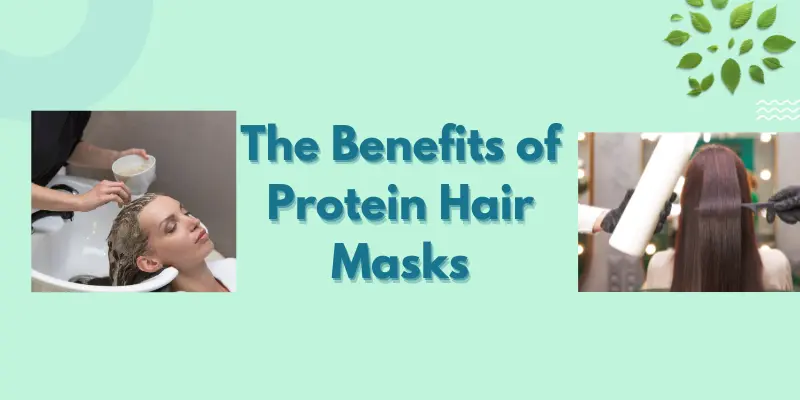
But protein cannot glue split ends back forever. It also cannot cure hair loss or scalp disease. If you’re concerned about ongoing shedding or thinning, see our Hair Loss Guide. If a product burns, itches, or irritates, rinse it out and stop using it.
4. Do I Need Protein or Moisture?
This is the big question: protein vs moisture.
Signs your hair needs protein
You may need protein if you notice:
- Stretchy hair that pulls like gum
- Mushy hair after washing
- Hair breaks when wet
- Limp curls that will not hold shape
- Weak hair after bleach or color
Signs your hair needs moisture
You may need moisture if your hair feels:
- Dry
- Rough
- Frizzy
- Dull
- Crunchy but not stretchy
| Symptom | Best mask type |
|---|---|
| Mushy, stretchy hair | Protein hair mask |
| Dry, rough hair | Moisture mask |
| Bleached, weak hair | Protein + moisture balance |
| Stiff, straw-like hair | Moisture mask, pause protein |
| Coated, heavy hair | Clarify first |
For a bigger guide, see my page on types of hair masks.
5. How to Use a Protein Hair Mask
Here is how to use a protein hair mask without making hair stiff.
- Shampoo first if your hair has buildup.
- Squeeze out extra water. Hair should be damp, not dripping.
- Apply from mid-lengths to ends.
- Avoid the scalp unless the label says it is scalp-safe.
- Leave it on for 5–15 minutes, or follow the label.
- Rinse very well.
- Use a moisture conditioner or mask if hair feels dry.
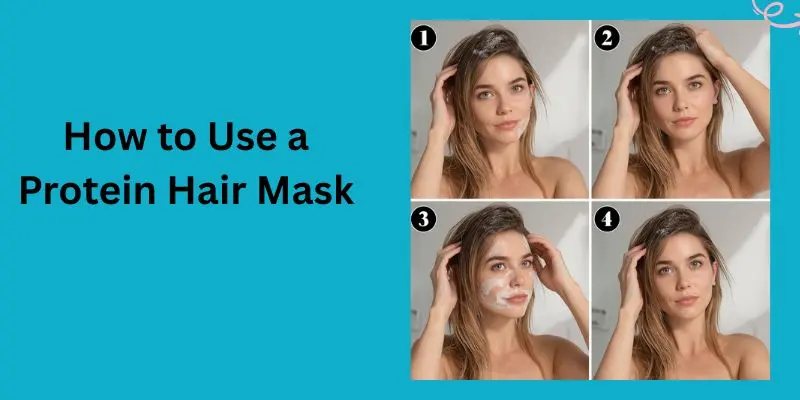
Do not leave a protein mask on longer “just because.” More time does not always mean better results.
6. How Often Should You Use It? By Hair Type
Your best schedule depends on damage, texture, and high hair porosity.
Protein hair mask for bleached hair
Bleached hair often needs support. Try every 1–2 weeks, then adjust.
Protein hair mask for color-treated hair
Use a gentle protein mask every 2–4 weeks if your color-treated hair feels weak. Choose color-safe formulas.
Protein hair mask for curly hair
A protein hair mask for curly hair can help curls bounce back when they feel limp. Curly and coily hair still needs moisture, so do not skip hydration.
Protein hair mask for fine hair
A protein hair mask for fine hair should be lightweight. Use less product and rinse well.
Low porosity hair
Low porosity hair can get stiff or coated fast. Use small amounts and avoid heavy formulas.
High porosity hair
High porosity hair often loses moisture quickly. It may be like protein, but it still needs a rich moisture step.
7. Protein Overload: Signs and Fix
Protein overload happens when hair gets too much protein and not enough moisture.
Common protein overload signs include:
- Stiff hair
- Straw-like feel
- Dry ends
- More tangles
- Hair that feels hard instead of soft
Here is a simple protein overload fix:
- Pause protein products
- Use a moisturizing conditioner or mask
- Clarify if your hair feels coated
- Avoid stacking protein shampoo, protein conditioner, and protein mask together
- Be patient for a few washes
8. DIY Protein Hair Mask Options
A DIY protein hair mask can be useful, but be careful. Kitchen masks are not as controlled as store products. full guide DIY Hair Masks
Egg + yogurt mask
Mix:
- 1 egg
- 2 tablespoons plain yogurt
Apply to lengths for 5–10 minutes. Rinse with cool water. Hot water can cook an egg in your hair.
Lightweight DIY option for fine hair
Mix:
- 1 tablespoon plain yogurt
- 1 teaspoon aloe vera gel
Use for 5 minutes, then rinse well.
Always patch test first. Do not use DIY masks on an irritated scalp.
9. How to Choose the Best Protein Hair Mask
The best protein hair mask is not the strongest one. It is the one that fits your hair.
Look for label names like:
- Hydrolyzed keratin
- Hydrolyzed wheat protein
- Silk amino acids
- Amino acids
- Collagen amino acids
A keratin hair mask may help smooth the feel of hair. Cleveland Clinic explains that keratin is a protein that helps form hair, skin, and nails 2.
A bond repair hair mask is different. Bond repair products target broken bonds inside the hair fiber. Some products include both bond repair and protein.
10. Do and Don’t List
Do
- Do a patch test first
- Do start once per week or less
- Do follow with moisture if hair feels dry
- Do focus on damaged ends
- Do listen to how your hair feels
Don’t
- Don’t use protein every day
- Don’t ignore stiff hair
- Don’t layer too many protein products
- Don’t expect split ends to vanish forever
- Don’t use it on a painful or inflamed scalp
11. Common Misconceptions
There are many myths about a protein hair mask, and they can confuse your routine. Let’s clear them up so you can use protein safely and get better results without overdoing it.
“More protein always means stronger hair.”
Not true. Too much protein can make hair stiff and brittle.
“Protein works like a magic fix.”
Protein can improve feel and reduce some breakage. It cannot reverse all damage.
“You should feel instant results.”
Sometimes you feel a smoother finish right away. Other times, your hair needs a few balanced wash days.
“Protein makes hair grow.”
Protein masks do not speed up growth. Less breakage may help with length retention.
12. Recovery Timeline: What to Expect
The same day, your hair may feel smoother or firmer.
In 2–4 weeks, a balanced routine may help reduce breakage and improve manageability.
For growth, keep expectations realistic. A protein mask may help you keep length if your ends break less, but it does not change your growth rate.
13. Weekly Hair Mask Routine
Here is a simple weekly hair mask routine.
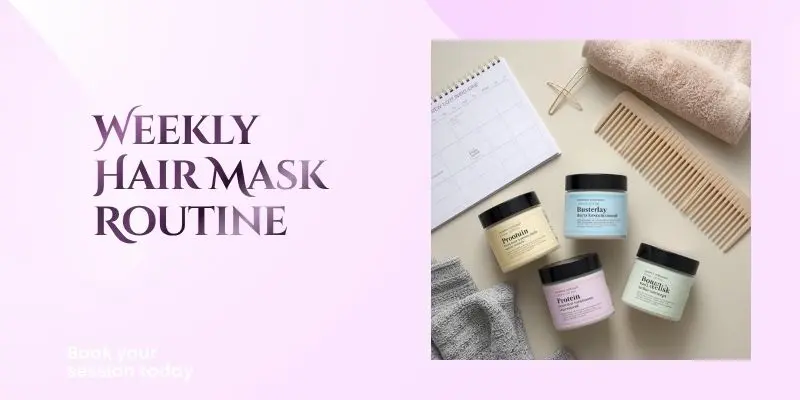
Dry hair routine
- Week 1: Moisture mask
- Week 2: Deep conditioning hair mask
- Protein only if hair feels weak
Damaged hair routine
- Week 1: Protein hair mask
- Week 2: Moisture mask
- Week 3: Bond repair hair mask
- Week 4: Moisture mask
Curly hair routine
- Use moisture in most weeks
- Add protein every 2–4 weeks if curls feel limp or mushy
Fine or oily hair routine
- Use a lightweight mask
- Apply only to ends
- Try protein every 3–4 weeks
Submit Your Story
I would love to hear what worked for you.
Share your:
- Hair type
- Hair porosity, if known
- Scalp type
- Mask used
- Timing
- Results
- Best tips
Your experience may help someone with the same hair struggle.
How This Article Was Created
This article is based on my first-person haircare testing, common haircare best practices, reading product labels, and basic safety principles. Medical safety notes are guided by trusted sources like AAD and the Cleveland Clinic when needed.
This content is educational only. It is not medical advice.
Conclusion
In my experience, a protein hair mask works best when I treat it like a tool, not a cure. When my hair feels weak, stretchy, or mushy, protein helps it feel stronger. But when my hair feels dry or straw-like, moisture usually works better.
Start small. Watch your hair. Balance protein with hydration. And if your scalp has pain, pus, swelling, a spreading rash, or sudden patchy hair loss, skip the mask and get professional help.
FAQs About Protein Hair Mask
A protein hair mask is a treatment designed to repair and strengthen hair that has been damaged by heat, coloring, or styling. It works by filling in gaps along the hair shaft where protein loss has occurred. This helps restore elasticity, reduce breakage, and make hair look healthier. With regular use, hair becomes stronger, shinier, and less prone to split ends.
A protein hair mask helps damaged hair feel stronger, smoother, and less weak. It can support hair that feels mushy, stretchy, or easy to break, especially after bleach, heat, or color treatments. It may also help reduce breakage when used in a balanced routine. However, it cannot repair split ends forever or make hair grow faster. For best results, use it with a moisture mask when your hair feels dry.
Most people can use a protein hair mask every 2 to 4 weeks. If your hair is very damaged, bleached, or breaking, you may try it once a week for a short time. Fine hair and low porosity hair may need protein less often because they can feel stiff fast. Always check how your hair feels after each use. If it feels dry, hard, or straw-like, pause protein and use moisture instead.
Your hair may need protein if it feels stretchy, mushy, weak, or breaks easily when wet. This often happens after bleach, color, heat styling, or chemical treatments. Your hair may need moisture if it feels dry, rough, frizzy, dull, or hard to detangle. Protein helps support strength, while moisture helps with softness and slip. Many hair types need both, so balance is important.
A protein hair mask can make hair feel stiff or brittle if you use it too often. This is called protein overload, and it can leave hair dry, rough, tangled, or straw-like. It does not mean protein is bad, but your hair may need more moisture. To fix it, stop protein products for a few washes and use a deep conditioning hair mask. Also, avoid using protein shampoo, protein conditioner, and protein mask on the same day.
The best protein hair mask depends on your hair type, porosity, and damage level. Bleached or color-treated hair may do well with hydrolyzed keratin, hydrolyzed wheat protein, or silk amino acids. Curly hair often needs protein plus moisture to keep curls soft and defined. Fine hair usually needs a lightweight mask that rinses clean and does not feel heavy. Start with a small amount, follow the label time, and adjust based on your results.
Yes, shampooing before applying a protein mask ensures your hair is clean and free from dirt, oil, or product buildup. Clean hair allows the protein to penetrate the strands more effectively. Always use a gentle shampoo, so your scalp isn’t stripped completely. After applying the mask, rinse thoroughly and follow with a light conditioner if needed.
Absolutely! Simple DIY masks can be made using natural ingredients like eggs, yogurt, avocado, or mayonnaise. These are rich in protein and can strengthen hair quickly. Just blend and apply to damp hair, leave on for 20–30 minutes, and rinse well. While not as concentrated as store-bought masks, they’re a great, affordable option.
Good protein masks often include keratin, which directly strengthens the hair shaft. Other beneficial ingredients include collagen, silk protein, wheat protein, and amino acids. These proteins rebuild structure, improve elasticity, and reduce breakage. For extra nourishment, look for masks that also include moisturizing ingredients like oils or butters.
Yes, even healthy hair can benefit from protein masks, but only occasionally. Using it once every 1–2 months helps maintain strength and protect against future damage. Overuse of healthy hair can cause stiffness, so moderation is key. Think of it as a preventative treatment rather than a necessity if your hair is already strong.



- Be Respectful
- Stay Relevant
- Stay Positive
- True Feedback
- Encourage Discussion
- Avoid Spamming
- No Fake News
- Don't Copy-Paste
- No Personal Attacks
- Be Respectful
- Stay Relevant
- Stay Positive
- True Feedback
- Encourage Discussion
- Avoid Spamming
- No Fake News
- Don't Copy-Paste
- No Personal Attacks
