DIY Hair Masks for Every Hair Type: Natural Recipes to Nourish and Revive Your Hair
Published: 26 Mar 2025
DIY Hair Masks for Every Hair Type can feel confusing and overwhelming, I know, because I’ve been there. I used to struggle with dry, frizzy hair that refused to shine, oily roots that made every morning a battle, and curls that never behaved, no matter what product I tried. I spent hundreds on salon treatments that barely lasted and left my hair breaking and dull. That’s when I decided to experiment with homemade hair masks for different hair types. By carefully mixing natural ingredients like avocado, honey, yogurt, and oils, I finally discovered recipes that actually worked. In this guide, I’ll share my personal experience, step-by-step instructions, and the best DIY hair masks for [dry/oily/curly hair, so you can see real results without harsh chemicals or expensive treatments. Learn more about guide curl type
Understanding Hair Types & Their Needs
Not all hair is the same, and that’s why a one-size-fits-all approach rarely works. Here’s what I’ve learned:
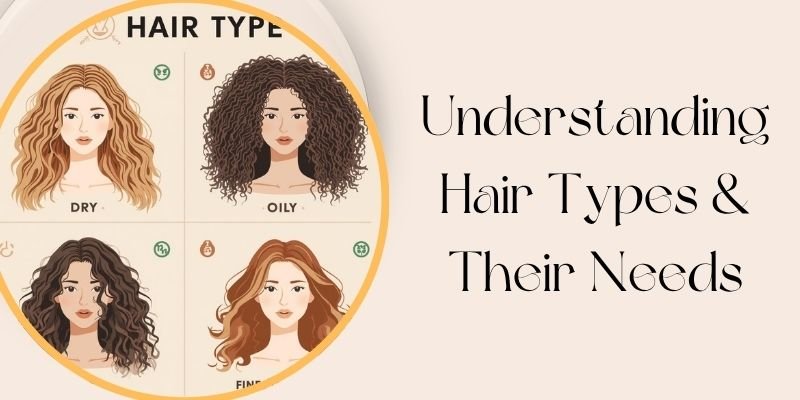
- Dry Hair: Lacks moisture, breaks easily, and feels brittle. Needs rich oils and hydration. ( Dry hair masks
- Oily Hair: Produces excess sebum, looks greasy fast, and benefits from light, balancing masks.
- Curly Hair: Prone to frizz and dryness due to its structure. Needs moisture and curl definition.
- Fine or Thinning Hair: Easily weighed down, needs protein and nutrients without heaviness. (Regrow Thinning Hair)
- Color-Treated Hair: Fragile and prone to damage; requires color-safe hydration and protein.
Using homemade hair masks for different hair types ensures you’re targeting your hair’s exact needs rather than relying on generic products.
Additional guidance:
common challenges faced by 3B curls
keeps curls in place overnight.
Best DIY Hair Masks by Hair Type
Here are the masks I’ve personally tested, with instructions, benefits for hair, how to use them, and practical hair mask tips for healthy hair.
Best Frizzy Hair Products for Humidity
Dry Hair: Avocado & Coconut Oil Mask
Ingredients:
- ½ ripe avocado
- 1 tablespoon coconut oil
- 1 tablespoon honey
Instructions:
- Mash the avocado until smooth.
- Mix in coconut oil and honey.
- Apply from roots to ends and leave for 20–30 minutes.
- Rinse thoroughly with lukewarm water.
Why it works: Avocado hydrates deeply, coconut oil prevents protein loss, and honey locks in moisture. Your hair will feel soft, shiny, and revitalized.
Oily Hair: Yogurt & Lemon Mask
Ingredients:
- 2 tablespoons plain yogurt
- 1 tablespoon lemon juice
Instructions:
- Mix yogurt and lemon juice until smooth.
- Apply mainly to the scalp.
- Leave for 15–20 minutes, then rinse with cool water.
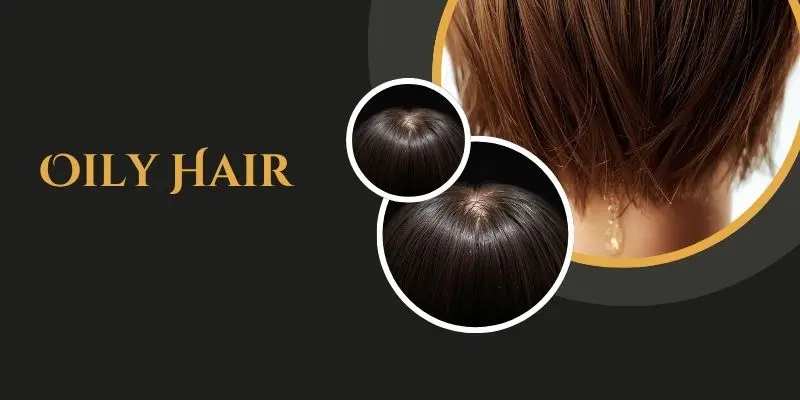
Why it works: Yogurt gently cleanses while lemon balances scalp pH and controls excess oil without weighing your hair down.
Curly Hair: Banana & Honey Mask
Ingredients:
- 1 ripe banana
- 1 tablespoon honey
- 1 teaspoon olive oil
Instructions:
- Blend all ingredients into a smooth paste.
- Apply evenly from roots to tips.
- Cover with a shower cap for 20–25 minutes.
- Rinse thoroughly and detangle gently.
Why it works: Banana softens hair, honey retains moisture, and olive oil defines curls without frizz. For more guidance, Banana Hair Mask
Fine or Thinning Hair: Egg White & Aloe Mask
Ingredients:
- 1 egg white
- 1 tablespoon aloe vera gel
Instructions:
- Whisk the egg white until frothy.
- Mix in aloe gel and apply lightly.
- Leave 15–20 minutes, rinse with cool water.
Why it works: Egg white strengthens strands without heaviness, and aloe nourishes the scalp.
Natural Ingredients for Hair Nourishment
Using natural ingredients for hair nourishment is key. From personal experience, I’ve found the following are incredibly effective:
- Avocado: Deep hydration with vitamins A, E, and fatty acids.
- Honey: Locks in moisture and smooths strands.
- Yogurt: Protein and lactic acid strengthen hair and clarify the scalp.
- Oils (coconut, olive, castor): Prevent breakage and penetrate the hair shaft.
- Banana: Adds softness, improves manageability, and reduces frizz.
Consistent use of these ingredients dramatically improves hair health, shine, and strength. honey hair mask
How to Apply DIY Hair Masks for Maximum Effect
Proper application is just as important as ingredients:
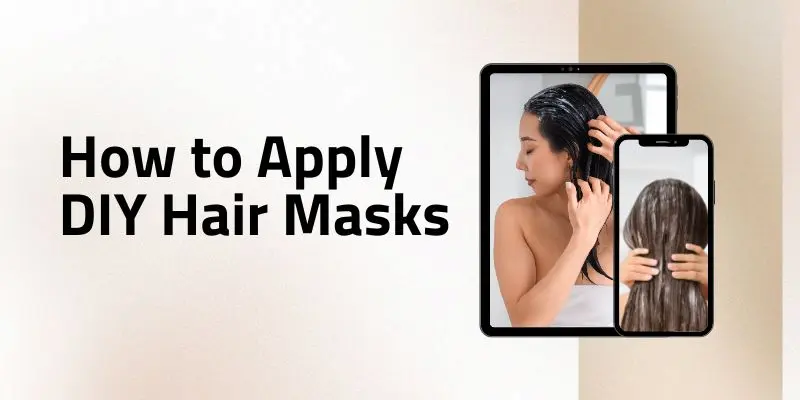
- Slightly damp hair absorbs masks better.
- Use a shower cap to trap heat and enhance penetration.
- Massage the scalp gently to stimulate circulation.
- Frequency: Once a week for oily hair, 2–3 times for dry or damaged hair.
- Rinse with lukewarm or cool water to avoid stripping nutrients.
Following these hair mask tips for healthy hair ensures the most benefit from each mask.
Common Misconceptions & Myths
I used to believe more is always better, but that’s not true. Here are some myths I’ve learned to avoid:
- “Oily hair shouldn’t use masks.” Light masks balance oil without weighing hair down.
- “Protein masks work for everyone.” Overuse can make fine hair stiff. Use them only for damaged hair.
- “DIY masks give instant results.” Expect gradual improvement over weeks, not overnight.
When Masks Might Not Be Enough
Sometimes, DIY masks can’t fix deeper hair issues. Consult a professional if you notice:
- Persistent breakage or hair loss
- Scalp irritation or rashes
- Hair that remains dull despite proper care
These signs may indicate underlying scalp or hair conditions.
Recovery and Results Timeline
With consistent use, I noticed visible improvement in 3–4 weeks. Hair became softer, shinier, and stronger. Curly hair gained better definition, dry hair felt hydrated, and oily hair was balanced. Patience and routine are essential.
Emotional Connection
I understand how frustrating it can feel to try mask after mask with no visible results. I’ve been there. Using DIY Hair Masks for Every Hair Type helped me regain control over my hair’s health safely and affordably. Consistency is key, and learning your hair’s unique needs makes the process far less intimidating.
Submit Your Story
I’d love to hear your experiences! Which mask worked best for your hair type? Sharing your story can help others navigate their hair journey. Leave a comment or tag me on social media.
How This Article Was Created
This article combines my personal haircare experience with research from trusted sources such as dermatologists, haircare journals, and expert blogs. All recipes and tips are safe, practical, and designed for everyday use. I only include evidence-based guidance to ensure you have reliable, effective solutions.
Conclusion (Personal Experience + Expertise)
From personal experience, I can confidently say that DIY Hair Masks for Every Hair Type are transformative when used consistently. Tailoring masks to your hair’s needs, whether dry, oily, curly, or fine, has restored softness, shine, and strength to my hair, and I’ve seen the same improvements in friends and family who tried these recipes. As a haircare enthusiast and expert, I can assure you that understanding your hair and applying these natural, safe masks is far more effective than over-the-counter products or expensive salon treatments. With patience, care, and the right recipes, you can reclaim your hair’s natural beauty and health just as I did.
FAQ
DIY hair masks for every hair type are homemade treatments made with natural ingredients. They are designed to target your hair’s unique needs. Dry hair gets moisture, oily hair is balanced, and curly hair gets definition. These masks are easy to make at home. They save money and avoid harsh chemicals. Using them regularly keeps hair soft and healthy.
To choose the best DIY hair masks for [dry/oily/curly hair], first know your hair type. Dry hair needs rich oils and hydration. Oily hair benefits from yogurt or lemon. Curly hair needs moisture and curl definition. Match ingredients to your hair goals. Using the right mask ensures maximum results.
Frequency depends on your hair type. Dry hair can use masks 2–3 times a week. Oily hair should be washed once a week. Curly or fine hair can start with 1–2 times a week. Overusing masks may cause buildup. Regular use improves softness, shine, and strength.
No, if you use the right ingredients. Avoid strong acids or too much protein for fine hair. Patch test new masks to prevent irritation. Homemade masks are gentle compared to store-bought products. They nourish your hair naturally. Proper use keeps hair healthy and strong.
Apply hair masks to slightly damp hair. Spread evenly from roots to tips. Cover with a shower cap for 20–30 minutes. Warm masks slightly to help absorption. Rinse with lukewarm or cool water. Regular use maximizes the benefits.
Yes, masks can improve hair health and reduce breakage. Healthy hair grows stronger and faster. Ingredients like eggs, yogurt, and oils provide protein and nutrients. Regular use nourishes the scalp. Consistency is key to visible results.
Homemade masks are natural, affordable, and chemical-free. Store-bought masks are convenient but may contain preservatives. DIY masks let you control ingredients. They can be tailored for dry, oily, or curly hair. Many people see better results with natural masks.
It’s better to use one mask at a time. Mixing multiple masks may reduce effectiveness. Alternating masks weekly is safer. Each mask has a specific benefit. Using one at a time ensures nutrients work properly.
Most people notice improvements in 3–4 weeks. Hair becomes softer, shinier, and stronger. Curly hair gains definition. Dry hair feels hydrated. Oily hair looks balanced. Consistency and the right mask for your hair type matter most.
Common natural ingredients include avocado, honey, yogurt, oils, and banana. Avocado hydrates dry hair. Honey locks in moisture. Yogurt strengthens and cleanses. Oils like coconut or olive nourish and reduce breakage. Banana softens hair and reduces frizz




- Be Respectful
- Stay Relevant
- Stay Positive
- True Feedback
- Encourage Discussion
- Avoid Spamming
- No Fake News
- Don't Copy-Paste
- No Personal Attacks
- Be Respectful
- Stay Relevant
- Stay Positive
- True Feedback
- Encourage Discussion
- Avoid Spamming
- No Fake News
- Don't Copy-Paste
- No Personal Attacks
