Hair Detangling Guide: How to Detangle Hair Without Breakage
Published: 10 Feb 2025
Hair detangling guide routines can feel stressful when every knot seems to turn into breakage. I understand how frustrating tangled hair can feel. One minute, your curls or coils look fine, and the next, wash day feels like a full workout.
The good news is that tangled hair is common. It does not mean your hair is “bad,” unhealthy, or impossible to manage. Most tangles come from dryness, friction, shed hairs, product buildup, or the natural shape of curls and coils.
In this hair detangling guide, I’ll walk you through what causes tangled hair, why detangling is important, how to detangle your hair safely, and what to do if you can’t remove all the knots in your hair.
Understanding Tangled Hair: Light Tangles, Knots, and Matted Hair
Not every tangle is the same. Before you grab a brush, it helps to understand what you are dealing with.
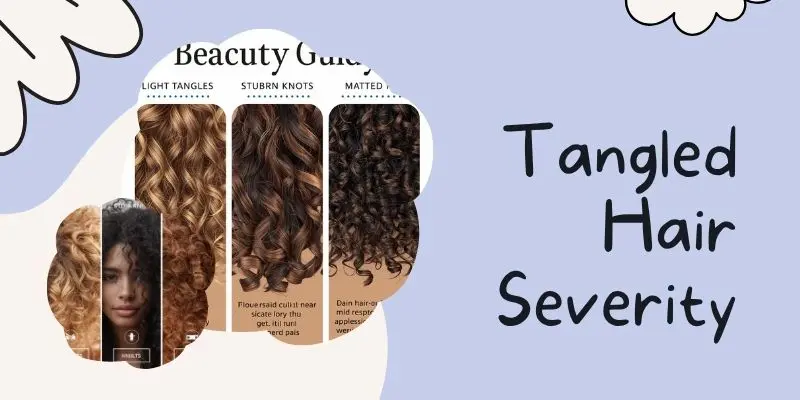
Light Tangles
Light tangles usually happen when a few strands twist around each other. You may feel them near the ends of your hair, especially after sleeping, wearing a scarf, or letting your hair rub against clothing.
These are usually easy to remove with your fingers, a little moisture, and a gentle detangling product.
Stubborn Knots
Stubborn knots are tighter. They may form when shed hairs get trapped inside curls or coils. They can also happen when the hair is dry, rough, or damaged.
These knots need patience. Pulling through them can cause breakage, split ends, or unnecessary shedding.
Matted Hair
Matted hair is more serious. It happens when tangles become packed together and form a dense section that is difficult to separate. Matted hair may occur after long-term protective styles, illness, neglect, dryness, or not detangling for a long time.
If a section feels painful, tight, or impossible to loosen, stop and consider getting help from a professional stylist.
What Causes Tangled Hair?
Tangled hair usually has more than one cause. Once you know the reason, it becomes easier to prevent the same problem from happening again.
Common causes include:
- Dryness
- Split ends
- Curly or coily hair texture
- Rough towel drying
- Sleeping without hair protection
- Product buildup
- Heat or chemical damage
- Skipping regular detangling
- Wearing protective styles too long without maintenance
Curly and coily hair tends to tangle more because the bends in the hair make it easier for strands to wrap around each other. Dryness makes this worse because dry strands have less slip. They do not glide past each other easily.
Split ends can also make tangles worse. When the ends of the hair are rough or frayed, they catch onto nearby strands. That is why trims, moisture, and gentle handling matter so much.
Why Is Detangling Important?
Detangling is not just about making your hair look neat. It protects your hair from avoidable damage.
When I detangle properly, I help reduce breakage, prevent matting, and make wash day easier. Detangling also helps conditioners, masks, leave-ins, and styling products spread more evenly through the hair.
For curls and coils, detangling is especially important because shed hairs can stay trapped inside the curl pattern. If those shed hairs are not removed gently, they can wrap around healthy strands and create bigger knots.
Detangling can also help with length retention. Hair growth starts at the scalp, but length retention depends on how well you protect the strands you already have.
Detangling can also help with length retention. Hair growth starts at the scalp, but length retention depends on how well you protect the strands you already have. Following the right Hair Growth Tips can support healthier, stronger hair over time.
Hair Detangling Guide
A good hair detangling guide starts with one simple rule: never force your hair when moisture, patience, and the right technique can safely remove knots.
1. Start With Patience, Not Force
The first rule is simple: never fight your hair.
If you rush, yank, or tear through knots, you may remove the tangle, but you may also lose healthy strands. Instead, slow down. Give yourself enough time, especially if your hair is thick, curly, coily, dry, or damaged.
I like to think of detangling as separating the hair, not attacking it.
2. Divide Your Hair Into Sections
Before applying any product, divide your hair into sections. This makes the process easier and prevents loose strands from tangling again.
For thick curls or coils, try four to eight sections. For very dense hair, smaller sections may work better.
Use clips, loose twists, or soft scrunchies to keep each section separate. Work on one section at a time.
3. Apply a Detangling Nectar or Product Before Washing
A detangling nectar, conditioner, leave-in conditioner, or slippery detangling spray can make knots easier to loosen.
Apply the detangling nectar to your strands before washing if your hair tangles easily. Focus on the mid-lengths and ends, where knots often form. Add enough product to create slip, but do not overload the hair until it feels sticky or coated.
If your hair is very dry, you can lightly mist it with water first, then apply the product.
4. Finger-Detangle First
Your fingers are often the best first tool. They help you feel knots before you accidentally pull through them.
Start by gently separating larger tangles with your fingers. If you find a knot, do not pull both sides apart quickly. Instead, hold the hair above the knot and slowly loosen tiny pieces from the outside of the knot.
This step can reduce breakage.
5. Start From the Ends and Work Upward
One of the biggest detangling mistakes is starting at the roots.
Start at the ends of your hair. Once the ends feel smooth, move a little higher. Keep working upward until the full section is detangled.
This method prevents knots from being pushed together into one large tangle.
6. Use the Right Tool
After finger-detangling, use a wide-tooth comb or a detangling brush made for your hair type.
For curls and coils, a wide-tooth comb or flexible detangling brush usually works best. For fine or straight hair, a lighter tool may be enough.
Avoid tools that snag, scratch the scalp, or pull too hard. If the tool makes a ripping sound, stop and add more slip.
7. Reapply Product When Hair Starts to Dry
Hair can become harder to detangle when it dries during the process. If your section starts to feel rough, add a little more water or detangling product.
You do not need to soak your hair every time. A light mist and a small amount of leave-in or conditioner may be enough.
8. Twist or Clip Completed Sections
After you finish one section, twist it or clip it away. This keeps it from tangling with the rest of your hair again.
This small step makes a big difference, especially during wash day.
9. Be Extra Gentle With Curls and Coils
Curls and coils need more care because the natural bends in the strand can make them more fragile during rough handling.
Detangle in small sections. Use plenty of slip. Avoid brushing dry curls unless your style or hair type can handle it without breakage or frizz.
10. Stop if the Hair Becomes Painful or Severely Matted
Detangling should not feel like your hair is being pulled from the scalp.
If you feel severe pain, notice bleeding, or see a large matted section that will not loosen, stop. Add more slip, take a break, or contact a stylist who has experience with matted hair. If scalp discomfort continues, consider exploring Dry Scalp Treatments at Home for additional scalp care support.
Should I Detangle My Hair When It’s Wet or Dry?
This depends on your hair type.
Curly and coily hair often responds best to damp or product-saturated detangling. Water and conditioner can add slip, which makes strands easier to separate.
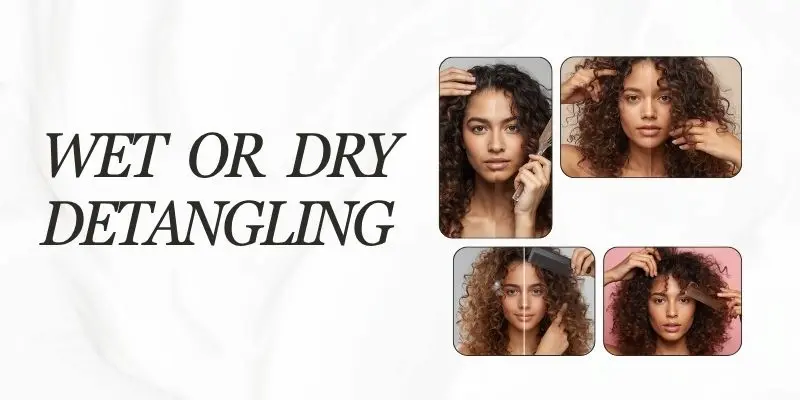
Fine or straight hair may need a lighter approach. Fully wet hair can stretch and become fragile, so some people with straight or fine hair prefer to detangle when the hair is slightly damp rather than soaking wet.
Dry detangling may work for some stretched styles, but it can cause frizz or breakage on curls and coils. If your hair feels brittle, rough, or resistant, add moisture before continuing.
How Often Should You Detangle Your Curls and Coils?
There is no one perfect schedule for everyone.
Many people with curls and coils detangle on wash day. Others do light maintenance between washes, especially if their hair tangles quickly.
You may need to detangle:
- Before shampooing
- While conditioner is in your hair
- After taking down braids, twists, or protective styles
- When knots start forming between washes
- Before restyling stretched hair
The goal is balance. Detangle often enough to prevent matting, but not so often that you create unnecessary manipulation.
What Should I Do if I Can’t Remove All the Knots in My Hair?
If you can’t remove all the knots in your hair, do not panic. And please do not rip through them.
Try this instead:
- Add more slip with conditioner, oil, or detangling product.
- Work in a smaller section.
- Use your fingers before using a comb.
- Hold the hair above the knot to reduce tension on your scalp.
- Loosen the knot from the outside first.
- Take breaks if you feel frustrated.
- Try again when your hair has more moisture.
- See a professional stylist if the knot is severely matted.
If you notice scalp pain, sores, bleeding, sudden heavy shedding, or patchy hair loss, speak with a dermatologist or healthcare professional. That may be more than a normal detangling issue.
When NOT to Keep Detangling
Sometimes the healthiest choice is to stop.
Do not keep detangling if you experience:
- Severe scalp pain
- Bleeding
- Sores or signs of infection
- Sudden heavy shedding
- Large matted sections that will not loosen
- Hair that feels like it may tear from the scalp
In these situations, a stylist, trichologist, dermatologist, or healthcare professional can help you avoid more damage.
Common Misconceptions About Detangling
Many people damage their hair because they follow old detangling myths without realizing it. The right method can make knots easier to remove and help protect your hair from breakage.
“You should brush from the roots first.”
No. Starting at the roots can push tangles downward and create bigger knots. Start at the ends and move upward.
“More force removes knots faster.”
Force usually causes breakage. Slip, patience, and small sections work better.
“Curly hair should always be brushed dry.”
For many curls and coils, dry brushing can create frizz and breakage. Damp, product-saturated detangling is often gentler.
“Matted hair always has to be cut.”
Not always. Some mats can be loosened with time, product, and careful sectioning. Severe matting may need professional help.
“All brushes work for every hair type.”
They do not. A brush that works for fine straight hair may pull too much on tight coils. Choose tools based on your texture, density, and hair condition.
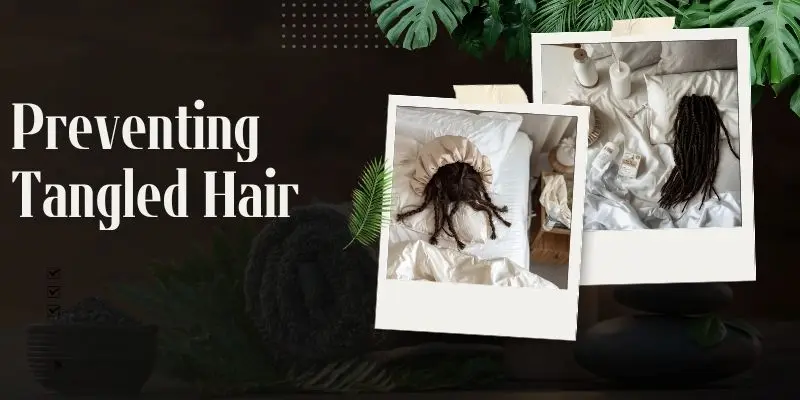
How to Prevent Tangled Hair in the Future
Prevention makes detangling easier.
Try these habits:
- Sleep with a satin bonnet or silk pillowcase.
- Moisturize your hair regularly.
- Trim split ends when needed.
- Avoid rough towel drying.
- Use a microfiber towel or a soft cotton T-shirt.
- Detangle gently before washing if your hair mats easily.
- Keep curls stretched or organized when helpful.
- Do not leave protective styles in too long.
- Cleanse product buildup so strands do not feel sticky or coated.
A good routine does not have to be complicated. It just needs to be consistent.
Submit Your Story
Have you struggled with painful knots, wash-day tangles, or matted curls? Share your story, curl type, favorite detangling product, or best detangling tip in the comments.
Your experience may help someone else feel less alone.
Conclusion: A Good Hair Detangling Guide Starts With Gentle Care
The best hair detangling guide is not about forcing your hair into submission. It is about understanding your texture, adding enough slip, working in sections, and being patient with every knot.
Tangled hair can feel overwhelming, but with the right routine, you can make detangling calmer, easier, and much less damaging.
How This Article Was Created
This article was created using hair-care best practices, dermatologist-backed hair health guidance, competitor topic research, and trusted references from organizations such as the American Academy of Dermatology and Mayo Clinic.
This content is for informational purposes only. It does not replace advice from a licensed stylist, trichologist, dermatologist, or healthcare professional. If you have scalp pain, sores, bleeding, sudden heavy shedding, or patchy hair loss, seek professional guidance.
FAQs
Tangled hair can happen when your strands are dry, rough, or damaged. Curly and coily hair can’t tangle as easily because the strands bend and wrap around each other. Friction from pillows, towels, hats, and clothes can also cause knots. Product buildup and split ends can make tangles worse. A good hair detangling guide can help you find the cause and fix it with a gentle routine.
Detangling is important because it helps protect your hair from breakage. When knots stay in your hair, they can turn into bigger tangles or mats. Gentle detangling also makes wash day easier and less painful. It helps conditioner, leave-in products, and styling creams spread better through your hair. If you want healthier curls and coils, regular detangling should be part of your routine.
The best time to detangle depends on your hair type. Curly and coily hair often does better when it is damp and has enough product slip. A detangling nectar, conditioner, or leave-in product can help the strands glide apart. Fine or straight hair may need a lighter touch and less product. Never force a comb through dry, tight knots, because this can lead to breakage.
To detangle hair without breakage, start with small sections. Add a detangling product, then use your fingers to loosen large knots first. Start at the ends of your hair and slowly work your way up to the roots. Use a wide-tooth comb or a gentle detangling brush after finger-detangling. Take your time, and stop if your scalp feels painful or your hair starts to tear.
If you can’t remove all the knots, do not pull or rip through them. Add more slip with conditioner, oil, or a detangling nectar. Work on a smaller section and loosen the knot slowly with your fingers. Take a break if you feel frustrated, because rushing can cause more damage. If the hair is severely matted or painful, it is best to visit a professional stylist.

Best Eco-Friendly Hair Products- The Ultimate Beginner’s Guide to Sustainable Hair Care





- Be Respectful
- Stay Relevant
- Stay Positive
- True Feedback
- Encourage Discussion
- Avoid Spamming
- No Fake News
- Don't Copy-Paste
- No Personal Attacks
- Be Respectful
- Stay Relevant
- Stay Positive
- True Feedback
- Encourage Discussion
- Avoid Spamming
- No Fake News
- Don't Copy-Paste
- No Personal Attacks
