Silk Pillowcases for Hair Health: Do They Really Help Your Hair?
Published: 12 Jan 2025
Waking up with frizz, tangles, dry ends, or little broken hairs on my pillow can feel frustrating. I understand why so many people start looking into silk pillowcases for hair health after one too many rough mornings.
A silk pillowcase will not magically repair damaged areas, regrow thinning hair, or replace a good hair care routine. But it can be a smart overnight hair care tool. Because silk has a smoother surface than many common pillowcase fabrics, it may help reduce friction, tangles, frizziness, and some friction-related breakage while you sleep. Sleep Foundation also notes that silk pillowcases may help hair by reducing tangles and frizz, while cautioning that some claims about silk pillowcases are exaggerated.
In this guide, I’ll explain the real benefits of silk pillowcases for hair, how to choose the best silk pillowcase for hair, and what to know before buying a 100% mulberry silk pillowcase.
Are Silk Pillowcases Good for Hair?
Yes, silk pillowcases can be good for hair, especially if your hair is curly, coily, textured, dry, damaged, color-treated, or prone to frizz.
A silk pillowcase for frizzy hair may help because the smooth surface creates less rubbing against the hair cuticle. Less rubbing can mean fewer tangles, less morning roughness, and a smoother look. For many people, this makes a silk pillowcase for healthy hair a helpful sleep essential rather than a miracle product.
That said, I would not describe a silk pillowcase for hair growth as a growth treatment. It does not stimulate follicles. It does not treat medical hair loss. It may only help reduce friction-related breakage, which can make hair look fuller and healthier over time. For concerns about thinning or shedding, see our hair loss guide for a deeper understanding of potential causes and solutions.
Best Silk Pillowcases for Hair Health: What to Look For
When I shop for the best silk pillowcase for hair, I look past pretty packaging and focus on fabric quality.
The strongest choice is usually a pure silk pillowcase made from 100% mulberry silk pillowcase material. A mulberry silk pillowcase for hair is popular because it feels smooth, soft, and breathable. If you want the best mulberry silk pillowcase, check the product description carefully. Some pillowcases look shiny but are actually polyester satin.
Here is what matters most:
- Material: Choose 100% mulberry silk when possible.
- Momme count: A mid-to-high momme silk often feels more durable.
- Washability: A washable silk pillowcase is easier to maintain.
- Breathability: A breathable silk pillowcase can feel more comfortable overnight.
- Cooling feel: A cooling silk pillowcase for hair may suit hot sleepers.
- Budget: An affordable silk pillowcase for hair can still work if it is genuine silk.
- Luxury: A luxury silk pillowcase for hair may offer better stitching, weight, and longevity.
A good pillowcase should feel smooth, not slippery in a plastic-like way. It should also list the fabric clearly.
7 Silk Pillowcase Benefits for Hair
Silk pillowcase benefits for hair are mostly linked to one simple thing: less friction while you sleep. When hair rubs against rough fabric overnight, it can become frizzy, tangled, dry, or more prone to breakage.
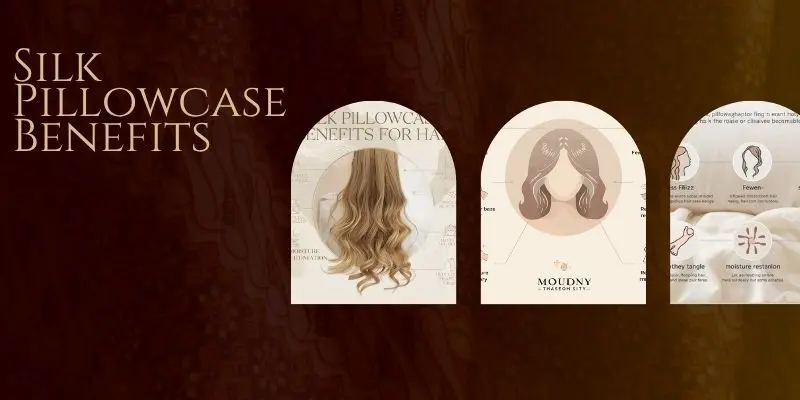
A smooth silk surface helps hair glide more easily across the pillow. This may support softer, smoother-looking hair in the morning, especially if your hair is curly, coily, dry, damaged, or frizz-prone.
1. It may reduce hair frizz
One of the biggest reasons people buy an anti-frizz silk pillowcase is the smooth surface. When hair rubs against rougher fabrics, the cuticle can lift slightly, which may make hair look frizzy.
A silk pillowcase reduces hair frizz routine works best when you also avoid sleeping with soaking wet hair and use products suited to your hair type.
2. It may help prevent hair breakage caused by friction
A silk pillowcase for hair breakage does not strengthen hair from the inside. But it may reduce the tugging and rubbing that happen when you toss and turn.
If your goal is to prevent hair breakage, think of it as gentle protection. The American Academy of Dermatology explains that hair care habits can affect hair health and that certain habits may damage hair or contribute to hair loss.
3. It helps protect curly and coily hair while sleeping
A silk pillowcase for curly hair sleeping can help curls glide instead of snagging. I find this especially useful for people who wake up with flattened curls, frizzy crowns, or tangled ends.
A silk pillowcase for coily hair or a silk pillowcase for textured hair can also work well as backup protection if a bonnet slips off during the night.
4. It supports moisture retention
Silk absorbs less moisture than some common bedding fabrics, which may help hair and skin feel less dry overnight. Sleep Foundation notes that silk can absorb less moisture than some pillowcase materials and may help hair stay better moisturized.
This is why a silk pillowcase for dry hair can be useful, especially if your ends already feel brittle.
5. It may help damaged hair feel smoother
A silk pillowcase for damaged hair will not repair split ends. Only trimming can remove split ends. But it may help reduce extra rubbing while fragile hair grows out.
If your hair is bleached, relaxed, heat-styled, or chemically treated, a silk surface may feel gentler.
6. It may preserve hairstyles overnight
A silk pillowcase can help preserve blowouts, curls, waves, braids, twists, and protective styles. It will not hold every style perfectly, but it can reduce rough morning texture.
That makes it a useful part of overnight hair care silk pillowcase routines.
7. It can support a healthy nighttime hair care routine
The best results come when a pillowcase works with your routine. I think of it as one of my hair care sleep essentials, along with detangling, loose styling, and regular washing.
Silk Pillowcase Benefits by Hair Type
Different hair types react to sleep friction in different ways. That is why a silk pillowcase may feel more helpful for some people than others.
For example, curly and coily hair often needs extra protection from dryness and tangles, while fine hair may need a gentler surface to reduce knots. The best results usually come when you match your silk pillowcase with your hair type and nighttime routine.
Silk pillowcase for curly hair
A silk pillowcase for curly hair can help reduce curl disruption overnight. For best results, use a loose pineapple method, silk scrunchie, or bonnet.
Silk pillowcase for coily hair
For coily textures, silk can reduce snagging and help preserve shape. A pillowcase plus a bonnet gives stronger protection.
Silk pillowcase for natural hair and Black hair
A silk pillowcase for natural hair and a silk pillowcase for Black hair may be especially helpful because some textured hair types are more fragile and prone to dryness. Understanding different Black hair types can help you choose a hair care routine that better supports moisture retention and reduces breakage.
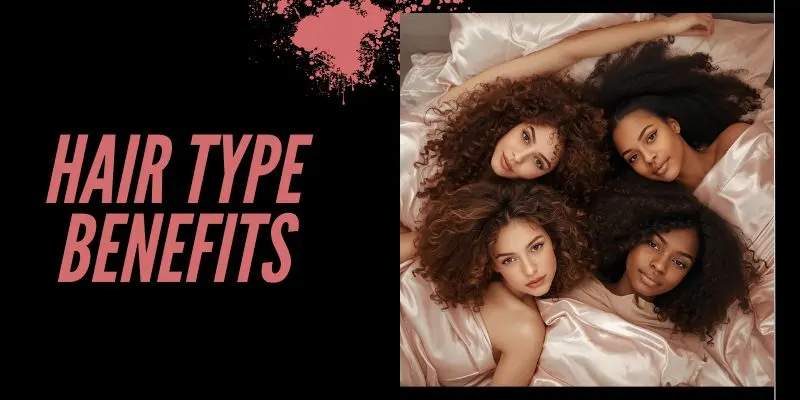
The American Academy of Dermatology notes that Black hair has a unique structure and is especially fragile, so gentle care matters.
Silk pillowcase for frizzy hair
If your main concern is frizz, silk may help reduce the rough rubbing that makes hair look puffy by morning.
Silk pillowcase for dry hair
Dry hair often needs moisture-focused care. A silk pillowcase can support that routine, but it should not replace conditioner, masks, or leave-in products.
Dry hair often needs moisture-focused care. A silk pillowcase can support that routine, but it should not replace conditioner, dry hair masks, or leave-in products.
Silk pillowcase for fine hair
A silk pillowcase for fine hair can help reduce tangles without wrapping the hair too tightly. Fine hair may flatten easily, so a pillowcase may feel easier than a bonnet.
Silk pillowcase for thick hair
A silk pillowcase for thick hair can help reduce friction across longer or denser strands. Pair it with a loose braid or low-tension style.
Silk pillowcase for wavy hair
A silk pillowcase for wavy hair may help waves keep their shape with less frizz, especially when paired with a loose braid.
Silk vs Satin Pillowcase for Hair
The silk vs satin pillowcase for hair debate can get confusing.
Silk is a natural fiber. Satin is usually a weave or finish and can be made from silk, polyester, nylon, or other fibers. So, when people compare satin vs silk pillowcase hair benefits, they are often comparing real silk with synthetic satin.
A satin pillowcase can still feel smooth and may be a budget-friendly option. But a pure silk pillowcase for hair usually feels more breathable and luxurious. If you want the most natural option, choose a 100% mulberry silk pillowcase. If you want the lowest price, satin may be more accessible.
Can a Silk Pillowcase Help With Hair Growth or Hair Loss?
This is where I want to be very clear.
A silk pillowcase for hair growth does not make hair grow faster. A silk pillowcase for hair loss does not treat alopecia, hormonal shedding, scalp disease, or medical thinning.
However, a silk pillowcase may help reduce friction-related breakage. That can make hair appear healthier because fewer strands may snap along the shaft.
Mayo Clinic notes that sudden, patchy, or more-than-usual hair loss can signal an underlying medical condition and should be discussed with a doctor. The American Academy of Dermatology also explains that accurate hair loss treatment starts with finding the cause, often through a dermatologist’s evaluation.
How to Choose the Best Mulberry Silk Pillowcase
When choosing the best mulberry silk pillowcase, I use this checklist:
- Look for a 100% mulberry silk pillowcase fabric.
- Avoid vague terms like “silky,” “silk-like,” or “satin feel.”
- Choose a practical momme weight.
- Pick a washable silk pillowcase if you want easy care.
- Choose a zipper closure if you dislike the pillow slipping.
- Choose envelope closure if you want less hardware.
- Look for a breathable silk pillowcase if you sleep warm.
- Compare affordable silk pillowcases for hair options with luxury versions.
- Read reviews about washing, pilling, seams, and long-term softness.
The best choice is not always the most expensive one. It is the one you will actually use and wash consistently.
My Overnight Hair Care Routine With a Silk Pillowcase
Here is the simple routine I recommend:
First, I detangle gently before bed. I do not rip through knots because that can cause unnecessary breakage.
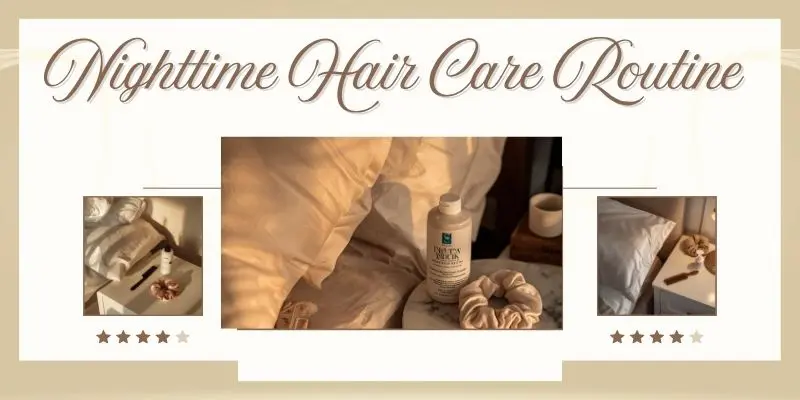
Next, I apply a light leave-in product if my hair feels dry. I avoid heavy oils on the pillowcase unless I plan to wash it soon.
Then, I style my hair loosely. For curls, I use a pineapple. For waves, I may use a loose braid. For coily or natural hair, I like a bonnet plus a silk pillowcase for nighttime hair protection.
Finally, I wash the pillowcase regularly. Silk can still collect oil, sweat, product, and allergens. Sleep Foundation cautions that silk is not automatically hypoallergenic and still needs regular washing.
Common Myths About Silk Pillowcases
Silk pillowcases are popular, but not every claim about them is true. Some people expect them to grow hair, repair split ends, or completely stop hair loss, but those claims go too far.
A silk pillowcase can support healthier-looking hair by reducing friction, but it is not a medical treatment or a full hair care routine. It works best when you understand what it can and cannot do.
Myth: Silk pillowcases make hair grow faster
Fact: They do not directly cause growth. They may only reduce breakage from friction.
Myth: Silk pillowcases repair split ends
Fact: A silk pillowcase for split ends may reduce further friction, but it cannot seal split ends permanently.
Myth: Satin and silk are always the same
Fact: Satin can be made from different fibers. Silk is a natural fiber.
Myth: Any shiny pillowcase is real silk
Fact: Many shiny pillowcases are polyester satin.
Myth: Silk pillowcases never need washing
Fact: They still collect sweat, oils, and product.
Myth: A pillowcase replaces hair care
Fact: A silk pillowcase hair care routine works best with gentle detangling, conditioning, and low-tension styling.
Who Should Consider a Silk Pillowcase?
You may benefit from silk bedding for hair health if you have:
- Frizzy hair
- Curly hair
- Coily hair
- Textured hair
- Dry hair
- Damaged hair
- Natural hair
- Fine hair that tangles
- Thick hair that roughens overnight
- Hair that loses shine quickly
A silk pillowcase for smoother hair or a silk pillowcase for shiny hair makes the most sense when your main problem is friction, dryness, or morning tangles.
Submit Your Story
Have you tried a silk pillowcase for hair care? Share your experience.
I’d love to know whether you noticed less frizz, fewer tangles, smoother ends, better curl definition, or improved overnight hair protection. Real stories help other readers decide whether a silk pillowcase is worth adding to their routine.
Final Verdict: Are Silk Pillowcases Worth It for Hair Health?
For many people, yes. Silk pillowcases for hair health are worth considering if you want a gentler sleep surface and struggle with frizz, dryness, tangles, or friction-related breakage.
They are not magic. They do not regrow hair, cure hair loss, or repair split ends. But a high-quality 100% mulberry silk pillowcase can be a smart beauty sleep upgrade, especially when paired with a consistent hair care routine.
If I had to choose one option, I would look for a washable, breathable, pure mulberry silk pillowcase with strong reviews and a smooth finish.
FAQs
Yes. Silk pillowcases reduce friction between your hair and the fabric while you sleep. This prevents hair cuticles from roughening up, which is what causes frizz. They also help hair retain its natural oils, keeping it smoother and shinier. Over time, you’ll notice less morning bedhead and more manageable hair.
Ideally, wash your silk pillowcase every 1–2 weeks. Regular washing helps remove sweat, oils, and any hair products that can build up over time. Use a gentle detergent and cold water to preserve the delicate fibers. Avoid harsh chemicals or bleach, as these can damage the silk’s natural sheen.
Absolutely. Whether your hair is curly, straight, wavy, or coily, silk pillowcases can help reduce tangling and frizz. They are especially beneficial for textured and chemically treated hair, which is more prone to dryness and breakage. Even fine hair benefits, as silk prevents static and flyaways.
Yes. The smooth surface of silk reduces pulling and snagging while you sleep. Unlike cotton, which can catch and pull on hair strands, silk lets your hair glide freely. This can significantly lower the risk of split ends, breakage, and thinning over time.
Yes, they’re great for maintaining hair health. Silk reduces friction, keeps hair hydrated by retaining its natural oils, and minimizes frizz. This makes your hair softer, shinier, and less prone to damage. It’s a simple change with big benefits for overall hair quality.
Use a gentle detergent and wash on a cold, delicate cycle to avoid weakening the fibers. Air dry your pillowcase instead of using a dryer, as heat can shrink or damage silk. If needed, iron on the lowest setting while the fabric is slightly damp to restore its smooth finish.
While they don’t directly stimulate hair growth, silk pillowcases protect your hair from damage. Less breakage and split ends mean your hair can grow longer without needing frequent trims. Healthier hair from root to tip creates the appearance of thicker, fuller hair over time.
You should wash or change your silk pillowcase every 1–2 weeks to maintain hygiene. If you use heavy hair products or have oily skin, you may need to wash it more often. Rotating between two pillowcases can make upkeep easier and keep your bed feeling fresh.
Yes. By reducing nightly friction, silk keeps hair cuticles smooth and intact. This prevents the kind of damage that leads to split ends. Over time, using silk can mean fewer haircuts for damage control and healthier-looking lengths.
Silk is a natural, breathable fiber, while satin is usually made from synthetic materials like polyester. Although satin can also reduce friction, silk offers better moisture retention and temperature regulation. For long-term hair health, silk is the more luxurious and effective choice.






- Be Respectful
- Stay Relevant
- Stay Positive
- True Feedback
- Encourage Discussion
- Avoid Spamming
- No Fake News
- Don't Copy-Paste
- No Personal Attacks
- Be Respectful
- Stay Relevant
- Stay Positive
- True Feedback
- Encourage Discussion
- Avoid Spamming
- No Fake News
- Don't Copy-Paste
- No Personal Attacks
