Castor Oil for Hair Growth: Does It Really Work?
Published: 13 Jan 2025
I understand why castor oil for hair growth gets so much attention. When hair feels thin, dry, damaged, or slow to grow, it is natural to look for something simple, affordable, and easy to use at home.
But I also believe hair advice should stay honest. Castor oil may help hair look healthier by adding moisture, shine, and softness. It may also reduce breakage, which can help with length retention. However, trusted medical sources do not currently show strong evidence that applying pure castor oil directly makes hair grow faster or regrows lost hair. For proven ways to support healthier hair, focus on evidence-based hair growth tips alongside a balanced hair care routine. Cleveland Clinic notes that there is no data showing pure castor oil promotes hair growth, and it may irritate the scalp or clog pores in some people.
In this guide, I’ll explain how to use castor oil safely, which type to choose, what results to expect, and when hair loss needs professional care.
Is Castor Oil Good for Hair Growth?
Castor oil is not a guaranteed hair regrowth treatment. I would not treat it like minoxidil, prescription medication, or a medical solution for alopecia.
That said, castor oil can still be useful in a hair-care routine because it may help:
- Moisturize dry strands
- Add shine
- Reduce frizz
- Seal moisture
- Make hair look thicker temporarily
- Reduce breakage
- Support length retention
The key is understanding the difference between hair growth, hair thickness, and length retention.
Hair growth means new hair grows from the follicle. Hair thickness can mean either denser hair or strands that look fuller. Length retention means your hair keeps more of its length because it breaks less. Castor oil is more realistic for moisture, shine, and breakage support than true medical regrowth. If your concern is noticeable thinning, you may need a more targeted approach to help regrow thinning hair.
What Is Castor Oil?
Castor oil comes from the castor bean plant, also called Ricinus communis. It is thick, rich, and commonly used in cosmetics, conditioners, skin-care products, and traditional hair oiling routines.
Its main fatty acid is ricinoleic acid, which helps explain its heavy, moisture-sealing texture. Cleveland Clinic notes that ricinoleic acid can help lock moisture into skin, but pure castor oil may also irritate skin or cause allergic reactions in some people.
One important safety note: do not drink castor oil for hair growth. Topical cosmetic use is very different from oral use. Drinking castor oil can cause digestive side effects and should only happen under medical guidance.
Why Choose Castor Oil for Your Hair?
Many readers search for how to use castor oil for hair growth and thickness because they want help with dry hair, breakage, thinning appearance, damaged ends, frizz, scalp dryness, or slow length progress.
I understand that. When hair feels fragile, even small improvements can feel encouraging.
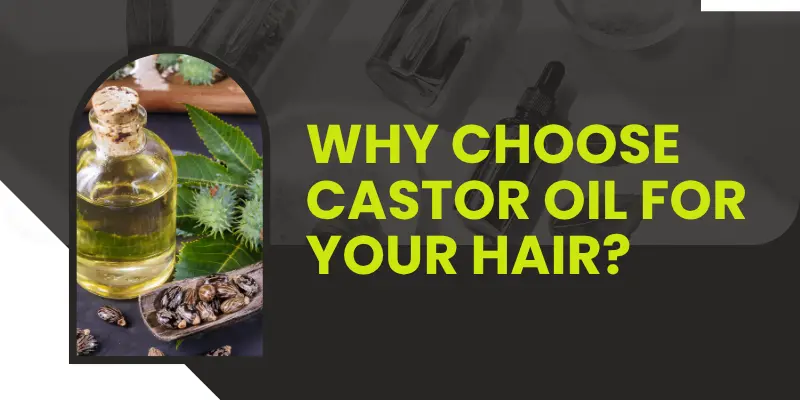
Castor oil is also popular because of social media trends and dramatic castor oil for hair growth before and after photos. Those photos can motivate people, but I always look at them carefully. Lighting, styling, trims, extensions, wet hair, and better hair-care routines can make hair look fuller without promoting new growth. For people dealing with scalp dryness or irritation, simple care steps like dry scalp treatments at home can also help improve overall hair health.
Best Types of Castor Oil for Hair Growth
Choosing the best castor oil for hair growth depends on your hair type, scalp sensitivity, budget, and routine. I focus less on hype and more on purity, texture, and how your scalp reacts.
1. Cold-Pressed Castor Oil
Cold-pressed castor oil is a good general choice. It usually has minimal processing and works well as a pre-shampoo treatment or end-sealing oil.
2. Organic Castor Oil for Hair Growth
Some people prefer organic castor oil for hair growth because they want a cleaner beauty routine. Organic does not automatically mean it grows hair faster, but it may appeal to people who want fewer agricultural chemicals in their personal-care products.
3. Jamaican Castor Oil for Hair Growth
Jamaican castor oil for hair growth usually refers to castor oil made with a traditional roasting process. It often has a darker color and stronger scent than pale cold-pressed castor oil.
4. Black Castor Oil for Hair Growth
Black castor oil for hair growth usually means Jamaican black castor oil. The darker color comes from the processing method. It feels rich and heavy, so I prefer using it in small amounts.
5. Jamaican Black Castor Oil for Hair Growth
Jamaican black castor oil for hair growth is especially popular for curly, coily, textured, and dry hair. It can help seal moisture and improve softness, but there is no strong proof that it grows hair faster than regular castor oil.
6. Best Castor Oil for Hair Growth in India
If you are searching for the best castor oil for hair growth in India, look for:
- Cold-pressed oil
- Hexane-free processing
- Cosmetic-grade labeling
- No added fragrance if your scalp is sensitive
- Clear ingredient list
- Good packaging
- Realistic reviews
- No exaggerated “guaranteed regrowth” claims
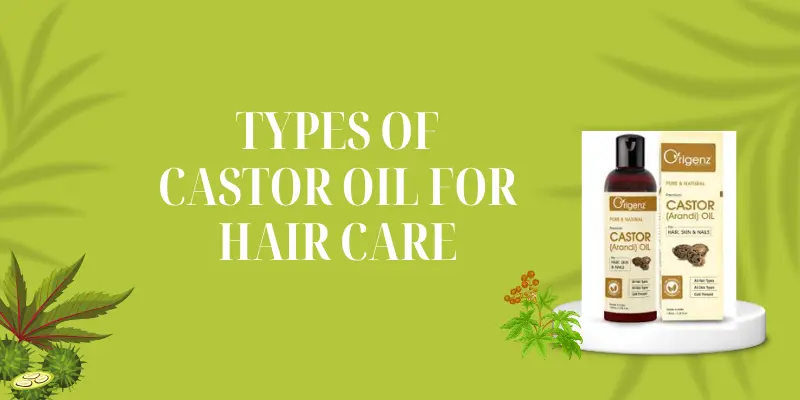
I would avoid any product that promises overnight hair growth.
How to Use Castor Oil for Hair Growth
Here is my simple guide for how to use castor oil for hair growth safely:
- Start with a patch test behind your ear or on a small scalp area.
- Mix castor oil with a lighter carrier oil, such as jojoba oil for hair
, coconut oil for hair, olive oil for hair, argan oil for hair, or grapeseed oil. - Apply a small amount to your scalp, dry areas, or ends.
- Massage gently for a few minutes.
- Leave it on for 30 minutes to 2 hours.
- Wash it out with shampoo.
- Repeat consistently, but do not overuse it.
Castor oil is thick. More oil does not mean more growth. Too much can leave buildup, greasy roots, or irritation.
How to Use Black Castor Oil for Hair Growth
If you want to know how to use black castor oil for hair growth, I suggest treating it like a heavy pre-shampoo oil.
Use a small amount, mix it with a lighter oil, and focus on dry areas rather than coating your whole scalp. Wash thoroughly afterward. Stop using it if your scalp starts itching, burning, breaking out, or feeling inflamed.
How to Use Jamaican Black Castor Oil for Hair Growth
For readers asking how to use Jamaican black castor oil for hair growth, I like this simple routine:
Apply a small amount to dry scalp patches, edges, or ends. Massage gently. Leave it on briefly. Wash it out properly. Use it once a week at most if your scalp tolerates it.
Be realistic with Jamaican black castor oil for hair growth before and after results. Some people notice softer, shinier, fuller-looking hair. Others get buildup or irritation. Your result depends on your hair type, scalp health, and the cause of your hair concern.
Rosemary and Castor Oil for Hair Growth: Is It a Good Combination?
Many people now use rosemary and castor oil for hair growth because rosemary oil for hair has more research interest than castor oil. Cleveland Clinic says rosemary oil may help with hair growth, but it still requires consistency, realistic expectations, and more research. It also warns that rosemary oil can irritate the scalp and is not recommended during pregnancy or breastfeeding.
A safe blend for rosemary oil and castor oil for hair growth could be:
- 1 tablespoon castor oil
- 1 tablespoon jojoba, coconut, olive, or argan oil
- 1–2 drops rosemary essential oil
For the best rosemary and castor oil for hair growth routine, keep the blend diluted and patch-test first. Never apply rosemary essential oil undiluted. You can also explore other options, like the best essential oils for hair growth, to find what suits your hair type and needs.
How Often Should I Use Castor Oil for Hair Growth?
If you ask, how often should I use castor oil for hair growth, my answer is: less often than social media suggests.
| Hair Type | Suggested Frequency |
|---|---|
| Fine or oily hair | Every 2–4 weeks |
| Dry hair | Once a week |
| Curly or coily hair | Once a week if tolerated |
| Patch test first and use it rarely | Use sparingly |
| Sensitive scalp | Patch test first and use rarely |
| Dandruff-prone scalp | Be cautious and avoid buildup |
Daily use can feel heavy and may irritate some scalps.
What Results Can I Expect?
You may notice softer hair after one use. Dryness may improve quickly. Less breakage may take several weeks of consistent care.
True regrowth is not guaranteed. Results depend on genetics, scalp health, nutrition, styling habits, hair-loss cause, and whether you have an underlying condition.
Castor oil for hair growth reviews can help you understand real user experiences, but they should not replace medical advice. Reviews often mix shine, thickness, reduced shedding, and true regrowth, even though those are different outcomes.
Castor Oil for Hair Growth Before and After: What to Know
When I look at castor oil for hair growth before and after photos, I ask:
Was the lighting the same? Was the hair wet in one photo and dry in another? Did the person trim damaged ends? Did they change products? Are extensions involved? Did better styling make the hair look fuller?
If you want to track your own progress, take monthly photos in the same lighting, with the same hairstyle, from the same angle.
Common Mistakes to Avoid
I would avoid these common mistakes:
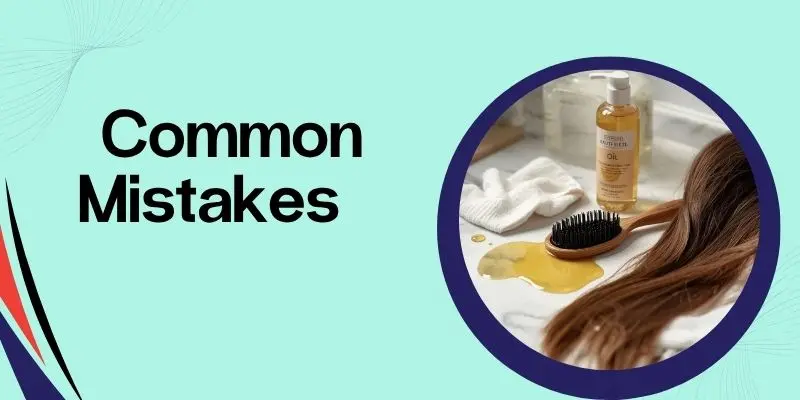
- Applying too much oil
- Using castor oil every day
- Skipping a patch test
- Applying oil to an irritated scalp
- Sleeping with heavy oil too often
- Not washing it out properly
- Expecting bald spots to regrow from oil alone
- Using castor oil instead of seeing a dermatologist for serious hair loss
When Castor Oil May Not Be Enough
Hair loss can come from genetics, postpartum shedding, thyroid issues, iron or vitamin deficiencies, scalp conditions, stress, alopecia areata, tight hairstyles, or medication side effects.
The American Academy of Dermatology says effective hair-loss treatment starts with finding the cause, and a dermatologist may use scalp exams, hair tests, blood tests, or biopsy when needed.
See a doctor or dermatologist if you notice sudden shedding, bald patches, scalp pain, redness, scaling, pus, persistent itching, a widening part, a receding hairline, or hair loss lasting more than a few months. Mayo Clinic also advises medical care for sudden, patchy, or unusual hair loss because it can signal an underlying condition.
My Simple Castor Oil Hair Routine
When I use castor oil in a hair-care routine, I keep it simple. I do not apply a heavy layer all over my scalp. Instead, I mix a small amount with a lighter oil, massage gently, leave it on for a short time, and wash it out properly.
If my goal is shine, I use a tiny amount on the ends. If my goal is scalp care, I patch-test first and avoid heavy daily use.
Submit Your Castor Oil Hair Story
Have you tried regular, organic, black, or black Jamaican castor oil for hair growth? Share what you used, how often you applied it, whether you mixed it with rosemary oil, and what you noticed.
Personal stories help other readers, but they are not medical proof. I especially value honest stories that mention both benefits and problems, such as buildup, itching, or no visible change.
Conclusion
After looking at castor oil from both a practical hair-care and evidence-based perspective, my honest view is this: castor oil for hair growth can be helpful, but only when expectations are realistic.
I would use castor oil as a support oil, not as a miracle treatment. In a real hair-care routine, it can help dry strands feel softer, make hair look shinier, reduce friction, and support length retention by helping limit breakage. That can make a visible difference, especially if your hair is dry, curly, coily, damaged, or prone to split ends.
But if you are dealing with true thinning, bald patches, sudden shedding, scalp pain, redness, scaling, or a widening part, I would not rely on castor oil alone. Those signs may point to an underlying scalp or health issue that needs a dermatologist’s evaluation. This is where experience and expertise matter: hair growth is not only about what you apply to your scalp. It can also involve genetics, hormones, nutrition, stress, medical conditions, styling habits, and scalp health.
My personal approach is simple: I prefer using castor oil carefully, in small amounts, mixed with a lighter carrier oil, and washed out properly. I would rather use it consistently once a week or less than overload the scalp every day and risk buildup or irritation.
So, is castor oil worth trying? Yes, if your goal is moisture, shine, smoother ends, and better length retention. But if your goal is serious hair regrowth, I would pair good hair-care habits with professional guidance instead of depending on oil alone.
The most trustworthy way to use castor oil for hair growth is to treat it as one part of a healthy hair routine, not the whole solution.
Frequently Asked Questions About Castor Oil for Hair
It’s best to apply castor oil 1–2 times a week. This frequency allows your scalp to absorb its nutrients without causing excessive buildup, which can clog hair follicles. Overuse may make hair greasy and harder to wash out. Consistency is more important than daily use.
Yes, castor oil can benefit all hair types, from straight to curly. However, thicker or coarser hair may tolerate more frequent use, while fine or oily hair may need smaller amounts less often. Adjusting quantity and frequency ensures the best results without making hair heavy.
Some people do leave castor oil on overnight, but it’s safer to limit application to 3–6 hours. Prolonged contact can sometimes clog pores or cause scalp irritation, especially if you have sensitive skin. Wrapping your hair in a shower cap can prevent mess and help absorption.
Castor oil is rich in fatty acids and vitamin E, which can nourish hair follicles and improve scalp circulation. This may strengthen existing hair and reduce breakage, helping with hair thinning over time. However, results depend on the cause of thinning and require consistent use.
Hair health improvements typically become noticeable after 6–8 weeks of consistent use. You may see reduced breakage, improved shine, and thicker-looking strands over time. Patience is key, as natural remedies work gradually.
Castor oil’s antimicrobial and anti-inflammatory properties can help soothe an itchy scalp and reduce dandruff. Regular application can balance scalp moisture, making it less prone to flaking. For best results, combine with gentle scalp massages.
Yes, it can nourish and strengthen eyebrow and eyelash hairs. Use a clean spoolie or cotton swab to apply a very small amount, being careful to avoid direct contact with the eyes. Overuse may irritate if it enters the eyes.
Slightly damp hair is ideal, as moisture helps the oil spread more evenly. However, it can also be applied to dry hair if preferred. Always focus on the scalp and roots first, then distribute through the lengths.




- Be Respectful
- Stay Relevant
- Stay Positive
- True Feedback
- Encourage Discussion
- Avoid Spamming
- No Fake News
- Don't Copy-Paste
- No Personal Attacks
- Be Respectful
- Stay Relevant
- Stay Positive
- True Feedback
- Encourage Discussion
- Avoid Spamming
- No Fake News
- Don't Copy-Paste
- No Personal Attacks
