Avocado Oil for Hair: Benefits, Uses, Masks, and Tips
Published: 16 May 2026
Avocado oil for hair is popular because many of us deal with dry ends, frizz, dullness, brittle strands, or hair that feels rough even after conditioner. I understand how frustrating it feels when your hair looks dry, rough, or frizzy even after using conditioner.
I like avocado oil because it feels rich, smooth, and easy to use in small amounts. But I also believe in honest hair care. Avocado oil can help hair look softer and shinier, but it cannot magically regrow hair, cure scalp problems, or repair split ends forever. This guide will help you understand the real avocado oil hair benefits, how to use it, and when to be careful.
What Is Avocado Oil?
Avocado oil is pressed from the pulp of the avocado fruit. It is known for its rich texture and high level of monounsaturated fats. A scientific review notes that avocado oil is mainly a monounsaturated oil and also contains compounds such as tocopherols and other bioactive components.
In hair care, people use pure avocado oil for hair because it can coat the strands, add softness, and reduce a dry feeling. Some clean beauty users prefer organic avocado oil for hair, especially when they want a simple oil with fewer added ingredients.
Food-grade avocado oil and cosmetic-grade avocado oil may both come from avocados, but they are made and labeled for different uses. For hair, I prefer a product that clearly says it is safe for cosmetic use.
Avocado Oil Hair Benefits
The main benefits of avocado oil for hair are moisture, softness, shine, and smoother-looking strands. It works like many nourishing hair oils because it helps seal the hair surface and reduce the dry, rough feel.
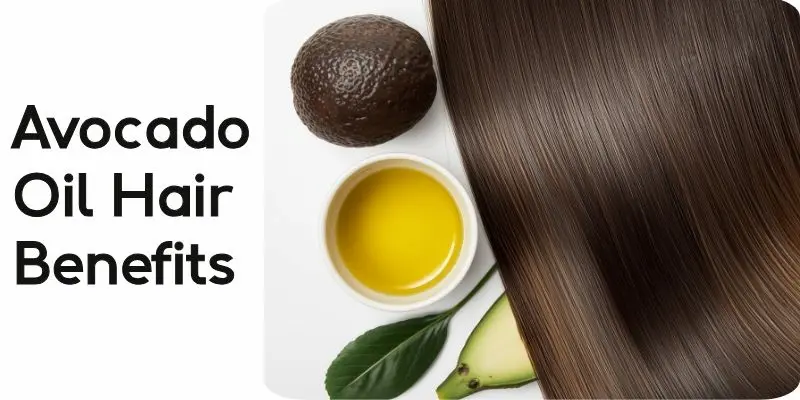
For me, the best use is on dry ends, frizz-prone hair, or hair that needs extra slip before washing. Avocado oil for hair moisture can be useful when hair feels brittle or dull. It may also help with avocado oil for hair shine because smoother strands reflect light better.
If you struggle with frizz, avocado oil for frizzy hair may help when used lightly on the ends. It can also support a softer, more polished look, which is why many people use it as one of their favorite natural oils for healthy hair.
Can Avocado Oil Help With Hair Growth or Hair Loss?
Many readers ask about avocado oil for hair growth and avocado oil for hair loss. I want to be careful here. Avocado oil may help reduce dryness and breakage, so hair can look healthier over time. That can support the appearance of fuller hair.
However, avocado oil does not create new hair follicles. It should not be treated as a medical hair density treatment or hair loss cure.
Hair loss can happen for many reasons, including genetics, stress, hormones, illness, scalp conditions, medication, and tight hairstyles. The American Academy of Dermatology says effective hair loss treatment starts with finding the cause, and a board-certified dermatologist can help diagnose it.
If you notice sudden shedding, bald patches, scalp pain, or a widening part, I would not rely on oil alone. Speak with a dermatologist or qualified hair specialist.
Best Hair Types for Avocado Oil
Avocado oil works best for hair that feels dry, rough, frizzy, or hard to manage. It can suit curly, coily, thick, damaged, and color-treated hair when used in the right amount.
Avocado Oil for Dry Hair
Avocado oil for dry hair can work well as a pre-shampoo treatment, mask booster, or finishing oil. I use only a small amount because too much can make hair greasy.
If your ends feel rough, avocado oil for hair hydration may help the hair feel smoother and easier to manage.
Avocado Oil for Curly and Wavy Hair
Avocado oil for curly hair and avocado oil for wavy hair can be useful because curls often need moisture, shine, and frizz control. I like it best on the mid-lengths and ends.
For waves, use less. For curls, use a little more if your hair is thick or dry.
Additional guidance:
common challenges faced by 3B curls
keeps curls in place overnight.
Avocado Oil for Natural Hair and Black Hair
Avocado oil for natural hair, avocado oil for black hair, and avocado oil for coily hair may work well in deep conditioning treatments, braid prep, twist-outs, and dry-end care.
Coily hair can often handle richer oils better, but the amount still matters. I would start small and add more only if needed.
Avocado Oil for Damaged or Brittle Hair
Avocado oil for damaged hair and avocado oil for brittle hair may improve softness and reduce the look of dryness. It can support the appearance of avocado oil for hair repair, but it cannot permanently repair broken hair bonds or split ends.
For avocado oil for split ends, think of it as a temporary smoothing step. The real fix for split ends is usually trimming.
Avocado Oil for Thick Hair
Avocado oil for thick hair can work well because thick hair often needs richer moisture and more control. I would use it on the ends, in a mask, or before shampoo.
Avocado Oil for Fine Hair
Avocado oil for fine hair needs caution. It can be too rich if you use too much. If you want a lightweight oil for hair, use only one drop and keep it away from the roots.
Avocado Oil for Color-Treated or Bleached Hair
Avocado oil for color-treated hair and avocado oil for bleached hair may help dry hair feel softer. Bleached hair often needs gentle care and moisture.
Still, avoid heavy oil use before color appointments unless your stylist says it is okay.
How to Use Avocado Oil for Hair
You can use avocado oil for hair as a pre-shampoo treatment, hot oil treatment, leave-in oil, scalp treatment, or hair mask.
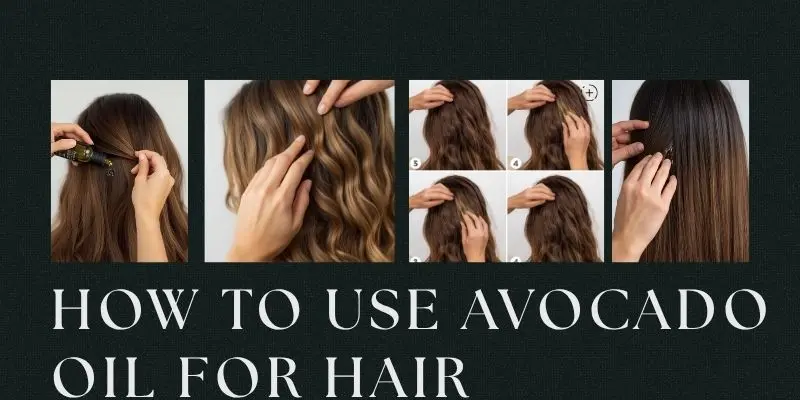
The key is to start with a small amount and adjust based on your hair type.
1. Avocado Oil Pre-Shampoo Treatment
Here is how to use avocado oil for hair before washing. Apply a small amount to dry ends. Leave it for 15–30 minutes. Then shampoo well.
This is a simple way to add oil without leaving hair heavy.
2. Avocado Oil Hot Oil Treatment
For an avocado oil hot oil treatment, warm the oil slightly. It should feel warm, not hot. Test it on your wrist first.
Apply it to the mid-lengths and ends. Leave it for 20–30 minutes, then wash it out.
3. Avocado Oil Leave-In Treatment
An avocado oil leave-in treatment works best in tiny amounts. I use one or two drops on damp or dry ends.
Fine hair may need even less. Thick, curly, or coily hair may handle more.
4. Avocado Oil Overnight Hair Mask
An avocado oil overnight hair mask may help very dry or thick hair feel softer. Apply a small amount to the ends, cover your hair, and protect your pillow.
Wash well the next day. I do not suggest overnight oiling for fine or oily hair.
5. Avocado Oil Scalp Treatment
An avocado oil scalp treatment may help if your scalp feels dry. Massage a small amount into dry areas, leave it briefly, then wash.
For avocado oil for scalp health, keep expectations realistic. If you have redness, pain, heavy flakes, or severe itching, get medical advice. Patch testing can also help check whether your skin reacts to a product.
DIY Avocado Oil Hair Mask Ideas
A DIY avocado oil hair mask can be a simple way to add softness and shine at home. You can mix avocado oil with conditioner, aloe vera, castor oil, or properly diluted rosemary oil.
Avocado Oil and Conditioner Mask
Mix a few drops into your regular conditioner. This makes an easy avocado oil hair mask and can add extra slip.
Avocado Oil and Castor Oil for Hair
Avocado oil and castor oil for hair can feel rich. Castor oil is thick, so I would dilute it with avocado oil and use it mainly on dry ends.
Avocado Oil and Rosemary Oil for Hair
Avocado oil and rosemary oil for hair are popular, but rosemary essential oil must be diluted. Patch test first and avoid using it on irritated skin.
Do not expect instant growth from this mix.
Avocado Oil and Aloe Vera Mask
For a lighter DIY avocado oil hair mask, mix aloe vera gel with a few drops of avocado oil. This may feel nice for waves, curls, and dry ends.
Avocado Oil vs Coconut Oil for Hair
Avocado oil vs coconut oil for hair depends on your hair type. Coconut oil can feel heavier and more coating for some people. Avocado oil may feel smoother and easier to spread.
For fine hair, both oils can feel heavy if overused. For curly, coily, dry, or thick hair, either oil may work depending on your routine.
I would not say one is always better. The best choice is the one that your hair can absorb and wash out easily.
Best Avocado Oil for Hair: What to Look For
When choosing the best avocado oil for hair, I look for simple labels and clear ingredients.
A good buying checklist:
- Choose pure avocado oil for hair if using it directly.
- Try organic avocado oil for hair if you prefer organic beauty products.
- Look for cold-pressed or unrefined oil if you want less processing.
- Pick lighter formulas for fine hair.
- Choose richer masks for thick, dry, curly, or coily hair.
- Check ingredients in avocado oil conditioner or sulfate-free avocado oil shampoo.
- Avoid products that promise instant hair growth or permanent repair.
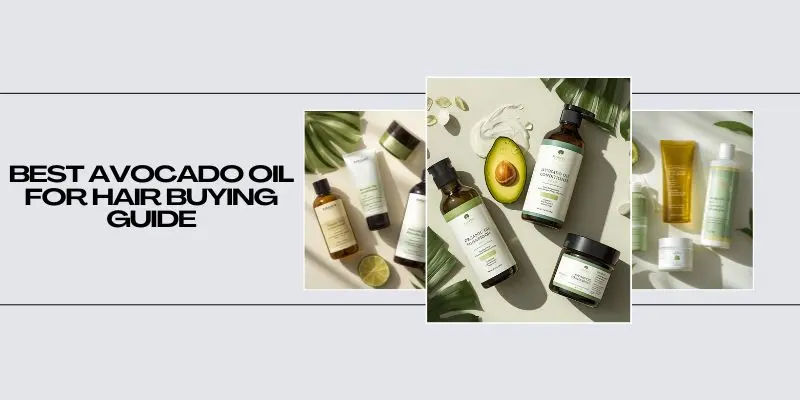
There are many avocado oil products for hair, but not all are equal. A good product should explain what it does clearly.
What Not to Do With Avocado Oil
Do not apply too much oil near the roots. It can make hair greasy.
Do not use hot oil without checking the temperature. Warm is enough.
Do not use avocado oil if you are allergic to avocado. Medical News Today notes that people allergic to avocados should avoid contact with avocado oil, and patch testing is a useful safety step.
Do not expect avocado oil to fix split ends forever. Do not use it instead of medical scalp care. Also, do not ignore sudden hair loss or severe scalp itching.
Common Misconceptions About Avocado Oil for Hair
Avocado oil can support softer and shinier hair, but it is not a miracle treatment. It cannot regrow hair overnight, permanently repair split ends, or work the same way for every hair type.
Misconception 1: Avocado oil makes hair grow overnight
Avocado oil may reduce dryness and breakage, but it does not create instant hair growth.
Misconception 2: Avocado oil repairs split ends permanently
It may smooth the look of split ends, but trimming is the real fix.
Misconception 3: More oil means better results
Too much oil can make hair greasy, heavy, or hard to wash.
Misconception 4: Avocado oil works the same for every hair type
Fine hair, thick hair, curly hair, coily hair, and damaged hair may need different amounts.
My Simple Avocado Oil Hair Care Routine
My avocado oil hair care routine is simple. I use a small amount on dry ends before wash day. When my hair feels rough, I mix a few drops into conditioner.
For shine, I use one drop on the ends only. I avoid applying too much to the scalp. If my hair starts to feel heavy, I clarify.
These are my favorite avocado oil healthy hair tips: start small, focus on the ends, and adjust based on your hair type.
Submit Your Story
Have you tried avocado oil for dry hair, curls, frizz, or scalp care? Share what worked, what felt too heavy, and how you used it.
Your story may help another reader choose the right avocado oil hair routine with more confidence.
How This Article Was Created
This article was created using SEO research, hair care content strategy, and trusted dermatology or health references where scalp or hair-loss concerns are discussed. I avoided fake hair growth promises, exaggerated repair claims, and unsupported product statements.
The goal is to help readers understand avocado oil for hair, compare product options, and use it safely based on their hair type. Readers should check product labels, patch test new oils, avoid allergens, and speak with a dermatologist for sudden hair loss, severe itching, scalp pain, or irritation.
Conclusion
Avocado oil for hair can be a useful choice if your hair feels dry, rough, frizzy, or dull. From my experience, it works best when used lightly and matched to your hair type. Thick, curly, coily, dry, or damaged hair may enjoy richer use. Fine hair usually needs only a tiny amount.
My expert-style advice is simple: use avocado oil as support, not as a miracle cure. It can improve softness, shine, and the look of dryness, but it cannot replace trims, gentle care, or professional help for sudden hair loss or scalp problems. Start small, patch test, and listen to how your hair responds.
FAQs About Avocado Oil for Hair
Yes, avocado oil for hair can be helpful if your hair feels dry, rough, dull, or frizzy. It can add softness and shine when used in the right amount. It works best on the mid-lengths and ends. Fine hair needs only a tiny amount. Thick, curly, and coily hair may handle more.
The main avocado oil hair benefits are moisture, softness, shine, and smoother-looking hair. It may help dry ends feel less rough. It can also reduce the look of frizz for some hair types. Many people use it as one of their nourishing hair oils. It works best as part of a simple hair care routine.
Avocado oil for hair growth should be used carefully. It may help reduce dryness and breakage, which can make hair look healthier over time. However, it does not create new hair follicles. It should not replace medical hair loss treatment. If you see sudden shedding or bald patches, speak with a dermatologist.
Yes, avocado oil for dry hair can be a good choice. It helps seal in moisture and makes rough ends feel softer. You can use it before shampoo, in a hair mask, or as a small finishing oil. Start with a little amount first. Too much oil can make hair heavy or greasy.
Yes, avocado oil for curly hair can help with softness, shine, and frizz control. Curls often need extra moisture because they can dry out faster. You can use avocado oil in a deep conditioning treatment or on dry ends. It may also work well for wavy and coily hair. Use less if your curls are fine.
Avocado oil for natural hair and black hair can be useful in moisture routines. It may help coils, curls, and protective styles feel softer. You can use it for braid prep, twist-outs, or as part of a deep conditioning treatment. Focus on the ends and dry areas. Avoid using too much on the scalp.
You can use avocado oil for hair as a pre-shampoo treatment, hot oil treatment, leave-in oil, or hair mask. Apply a small amount to the ends first. Leave it on for 20 to 30 minutes before washing. For leave-in use, one or two drops may be enough. Always adjust the amount to your hair type.
Avocado oil for damaged hair may help it look smoother and feel softer. It can reduce the dry look of brittle ends. But it cannot permanently repair split ends. Split ends usually need trimming. Think of avocado oil as a support product, not a complete repair solution.
Avocado oil vs coconut oil for hair depends on your hair type. Coconut oil can feel heavier for some people. Avocado oil may feel smoother and easier to spread. Fine hair may need a lighter amount of either oil. Dry, thick, curly, or coily hair may enjoy richer oil treatments.
Start by using avocado oil once a week. If your hair still feels dry, you can use it more often on the ends. If your hair feels greasy or flat, use less. Fine hair may only need it once in a while. Dry, thick, or curly hair may benefit from regular use.





- Be Respectful
- Stay Relevant
- Stay Positive
- True Feedback
- Encourage Discussion
- Avoid Spamming
- No Fake News
- Don't Copy-Paste
- No Personal Attacks
- Be Respectful
- Stay Relevant
- Stay Positive
- True Feedback
- Encourage Discussion
- Avoid Spamming
- No Fake News
- Don't Copy-Paste
- No Personal Attacks
