Hair Loss: Causes, Treatments, Prevention, and Home Remedies
Published: 28 Oct 2024
Hair loss can feel stressful, especially when you first notice extra strands in the shower, on your pillow, or caught in your brush. I understand how frustrating that can be. Hair is closely tied to confidence, identity, and daily routine, so even mild thinning hair can feel worrying.
The good news is that not all hair loss means permanent baldness. A typical person may shed about 50 to 100 hairs a day, according to the American Academy of Dermatology. But when shedding becomes sudden, heavy, patchy, or linked with scalp symptoms, it may point to an underlying issue that needs attention.
In this guide, I’ll explain the common causes of hair loss, how to reduce unnecessary hair fall, what home remedies may support scalp health, and when to see a dermatologist for proper hair loss treatment.
Common Causes of Hair Loss
Hair loss can happen for many reasons. Some causes are temporary and manageable, while others need medical treatment. Mayo Clinic explains that hair loss may be related to heredity, hormonal changes, medical conditions, aging, medications, stress, radiation therapy, or damaging hairstyles.
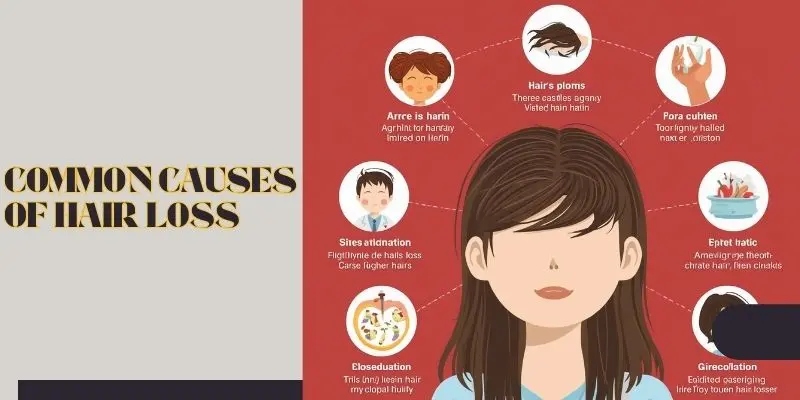
Understanding the cause matters because the best treatment for hair loss depends on what is triggering it.
Genetic Factors
One of the most common causes of hair loss is androgenetic alopecia, also known as pattern hair loss. In men, it often appears as a receding hairline, thinning crown, or bald spot. In women, it typically shows up as a widening part or gradual thinning across the top of the scalp. While pattern hair loss can be progressive, early intervention may help slow further thinning and support healthier hair growth. If you’re looking for ways to improve hair density, learn more about how to regrow thinning hair and support stronger, fuller-looking strands.
Genetic hair loss usually develops gradually. It may not fully reverse on its own, but early treatment can help slow progression and support better long-term results.
Hormonal Imbalances
Hormonal hair loss can happen during pregnancy, after childbirth, during menopause, or because of thyroid problems. Some women also experience hair thinning related to conditions such as PCOS.
This type of shedding can feel alarming, but it may improve once hormone levels stabilize or the underlying condition is treated. If the hair loss is heavy, persistent, or combined with fatigue, weight changes, irregular periods, or skin changes, it is best to speak with a healthcare professional.
Nutritional Deficiencies
Hair follicles need enough protein, iron, vitamin D, zinc, B vitamins, and other nutrients to function well. Nutritional deficiency hair loss may happen after restrictive dieting, rapid weight loss, low protein intake, digestive issues, or certain medical conditions.
Vitamins for hair loss can help when a real deficiency exists. However, taking random supplements without testing is not always helpful and may even cause problems. If you suspect a deficiency, ask a doctor about appropriate blood tests before starting high-dose supplements.
Stress and Anxiety
Yes, stress can cause hair loss. Stress-related hair loss often appears as increased shedding weeks or months after a major emotional or physical trigger. Cleveland Clinic explains that telogen effluvium is a temporary type of hair loss that can happen after stress or a change in the body, and hair often grows back within three to six months.
Common triggers include illness, surgery, emotional stress, childbirth, crash dieting, or major life changes. The key is to identify the trigger and support the body while the hair cycle resets.
Improper Hair Care
Not every “hair loss” problem is true hair loss from the root. Sometimes the issue is breakage.
Heat styling, bleaching, chemical treatments, rough brushing, tight hairstyles, and harsh products can weaken the hair shaft. This can cause short broken strands, split ends, frizz, and uneven length.
Using a gentle hair brush, avoiding aggressive detangling, and reducing heat can help protect fragile hair. Choosing from the best hair brushes may also help minimize unnecessary pulling and breakage. But remember: brushes and styling changes can reduce breakage, not treat medical hair loss from genetics, hormones, or autoimmune conditions.
Scalp Conditions and Dandruff
Dandruff and hair loss are often discussed together. Mild dandruff usually does not cause permanent baldness, but severe itching, inflammation, scratching, or scalp infection may contribute to shedding or breakage.
If your scalp is red, painful, scaly, swollen, or producing pus, do not rely only on home remedies. A dermatologist can check for conditions such as seborrheic dermatitis, psoriasis, fungal infection, alopecia areata, or scarring alopecia. For milder dryness and flaking, exploring dry scalp treatments at home may help improve scalp comfort and hydration.
Breakage vs Hair Loss: How to Tell the Difference
This is one of the most important things to understand.
Hair loss usually comes from the root. You may see full-length strands with a tiny white bulb at the end. You may also notice a widening part, thinning crown, receding hairline, or bald patches.
Breakage happens when the hair shaft snaps. You may see short pieces of hair, split ends, rough texture, frizz, or uneven lengths. Understanding your hair texture can also help you choose products and styling practices that reduce damage and improve manageability.
If your hair is breaking, gentle care may help. If your scalp is visibly thinning or you have bald patches, you may need a proper diagnosis.
Preventive Measures for Hair Loss
You cannot prevent every type of hair loss, especially when genetics or medical conditions are involved. But you can reduce avoidable shedding and breakage with healthier habits. Understanding your hair types can also help you choose products and routines that reduce unnecessary breakage.
Balanced Diet
Focus on protein-rich foods, vegetables, fruits, whole grains, nuts, eggs, beans, fish, and other nutrient-dense foods. Hair is not the body’s top survival priority, so poor nutrition can show up as shedding or weaker strands.
Gentle Hair Care
Avoid tight ponytails, tight braids, harsh brushing, excessive heat, and frequent chemical processing. Use a mild shampoo suited to your scalp type. If your hair feels dry or fragile, choose products that support moisture and reduce friction.
Manage Stress
Stress management will not cure every form of hair loss, but it can support recovery when stress-related shedding plays a role. Sleep, walking, yoga, breathing exercises, therapy, and regular routines can all help your body return to balance.
Treat Scalp Problems Early
Persistent dandruff, itching, scaling, or scalp pain should not be ignored. Healthy hair starts with a healthy scalp.
How to Stop Hair Loss Safely
If you want to know how to stop hair loss, start with a safe, step-by-step approach.
First, track your shedding. Take photos every month in the same lighting. Look for changes in your part, temples, crown, or hairline.
Next, review recent triggers. Ask yourself: Did I have an illness? Start a medication? Change my diet? Experience major stress? Have a baby? Use a new chemical treatment?
Then simplify your routine. Use gentle products, avoid tight hairstyles, reduce heat, and stop harsh DIY treatments if your scalp feels irritated.
Finally, see a dermatologist if the problem continues. The American Academy of Dermatology explains that effective hair loss treatment begins with finding the cause, and dermatologists can diagnose different types of hair loss.
Home Remedies That May Support Hair Health
Natural remedies for hair loss should be used carefully. They may support scalp comfort, reduce dryness,

or limit breakage, but they should not be treated as guaranteed cures.
Aloe Vera
Aloe vera may soothe a dry or irritated scalp for some people. Apply fresh aloe vera gel, leave it for about 20 to 30 minutes, and rinse gently. Avoid it if it causes burning, itching, or redness. For deeper nourishment and scalp hydration, you can also try aloe vera gel hair masks.
Coconut Oil
Coconut oil may help reduce dryness and protect the hair shaft from breakage in some hair types. Massage a small amount into the hair or scalp, leave it for a short period, and wash it out. It will not cure genetic or autoimmune hair loss.
Onion Juice
Onion juice is a popular home remedy for hair fall, but it can irritate the scalp. If you try it, patch test first and avoid using it on broken, inflamed, or sensitive skin.
Green Tea
Green tea contains antioxidants, but there isn’t strong enough evidence to call it a reliable hair regrowth treatment. You can use cooled green tea as a rinse if your scalp tolerates it, but do not expect dramatic regrowth.
Rosemary Oil
Rosemary oil is often used in scalp massage routines. Always dilute it with a carrier oil before applying it. If your scalp is sensitive, inflamed, or itchy, avoid essential oils until a professional checks your scalp.
Medical Hair Loss Treatment Options
Home care can support scalp and hair health, but some types of hair loss need medical treatment.
Minoxidil is one common option for certain types of pattern hair loss. Mayo Clinic notes that minoxidil may help some people regrow hair, slow hair loss, or both, but it can take at least six months to prevent further loss and begin regrowth.
Finasteride may be used for some men with male-pattern hair loss, but it is a prescription medication and is not suitable for everyone. Mayo Clinic notes that finasteride is used for male pattern hair loss and has important safety considerations.
Other options may include anti-inflammatory scalp treatments, treatment for dandruff or infection, correcting confirmed deficiencies, steroid injections for certain conditions, platelet-rich plasma therapy, laser therapy, or hair transplant surgery in selected cases. NHS also lists treatments such as minoxidil, finasteride, steroid injections, immunotherapy, light treatment, and hair transplant, depending on the cause.
Best Shampoo for Hair Loss: What to Look For
The best shampoo for hair loss depends on your scalp condition. Shampoo alone usually cannot reverse genetic hair loss, but it can support scalp health and reduce breakage.
For fragile hair, use a gentle shampoo. For flakes or itching, consider an anti-dandruff shampoo. If dandruff is persistent or inflamed, a dermatologist may recommend medicated options.
Avoid shampoos that make your scalp burn, sting, or feel extremely dry. A good shampoo should clean your scalp without making irritation worse.
When to Consult a Professional
You should see a dermatologist or doctor if you notice sudden hair loss, bald patches, scalp pain, swelling, redness, pus, severe scaling, or rapid shedding after starting a new medication.
You should also get help if hair loss comes with fatigue, fever, unexplained weight loss, rash, or emotional distress. NHS recommends seeing a GP if you are worried about hair loss and advises finding the cause before seeking commercial hair treatments.
Online advice can help you learn, but it cannot replace a diagnosis.
Conclusion
Hair loss can be frustrating, but it is often more manageable once you understand the cause. Genetics, stress, hormones, nutrition, scalp conditions, and hair-care habits can all play a role.
Simple changes like eating well, reducing heat, avoiding tight hairstyles, treating dandruff, and using gentle products can support healthier hair. Home remedies may help with dryness or breakage, but they should not replace medical care when hair loss is sudden, patchy, painful, or persistent.
Healthy hair starts with a healthy scalp, realistic expectations, and the right treatment plan.
FAQs
The most widespread type of hair loss is androgenetic alopecia, also known as pattern baldness. It affects both men and women, though it often presents differently: men typically develop a receding hairline and crown thinning, while women usually notice diffuse thinning on the top of the scalp. This condition is largely influenced by genetics and hormone sensitivity. Because it is progressive, early treatment can help slow or manage it.
Whether hair loss can be reversed depends on its cause. If it’s due to stress, poor diet, or certain medications, hair often regrows after addressing the underlying issue. However, genetic hair loss is much harder to reverse and usually requires medical treatment like minoxidil or finasteride. Consistent care, proper nutrition, and reducing stress can make a big difference in recovery.
Your diet plays a crucial role in maintaining healthy hair growth. Nutrients such as biotin, iron, vitamin D, zinc, and protein are essential for strong strands. Deficiencies in these nutrients can lead to hair thinning, breakage, or slower growth. A well-balanced diet rich in whole foods, lean proteins, fruits, and vegetables helps nourish the scalp and follicles.
Home remedies may not completely cure hair loss, but they can support scalp and hair health. Ingredients like aloe vera, rosemary oil, and coconut oil are known for their soothing, moisturizing, and stimulating properties. While some people notice thicker, healthier hair, results can vary widely. They work best when combined with a proper diet and a gentle hair care routine.
Washing your hair every day isn’t inherently harmful if you use a mild, sulfate-free shampoo. However, daily washing can strip away natural oils, especially for curly or dry hair types, leading to dryness and breakage. If your scalp is oily, washing more often may help, but balance is key. Using lukewarm water instead of hot water also protects your hair’s health.
Yes, stress can directly affect your hair growth cycle. Conditions like telogen effluvium occur when stress pushes large numbers of hair follicles into a resting phase, leading to shedding weeks later. Chronic stress can worsen thinning and delay regrowth. Practicing relaxation techniques such as yoga, meditation, and proper sleep can help restore balance.
There are several effective treatments for hair loss. FDA-approved options include minoxidil (a topical solution) and finasteride (an oral medication), which can slow or reverse thinning in some people. More advanced solutions include PRP therapy (platelet-rich plasma), low-level laser therapy, and hair transplants. Consulting with a dermatologist can help determine the best option for your needs.
If you notice sudden shedding, bald patches, or significant thinning, it’s best to see a doctor or dermatologist. These symptoms may point to underlying health issues like thyroid imbalances, autoimmune conditions, or severe deficiencies. Early diagnosis and treatment improve the chances of regrowth and help prevent permanent damage to the follicles.
Yes, hormones have a big impact on hair growth and loss. Pregnancy, menopause, or conditions like thyroid disorders can trigger hair shedding or thinning. In many cases, this type of loss is temporary and may reverse once hormone levels stabilize. Proper medical care, along with a balanced diet, can help reduce the impact of these changes.
Healthy lifestyle habits can protect your hair and reduce shedding. Eating a nutrient-rich diet, staying hydrated, and managing stress levels all support stronger strands. Avoiding harsh chemical treatments, excessive heat styling, and tight hairstyles helps preserve hair health. Regular scalp care and gentle products go a long way in preventing unnecessary hair loss.



- Be Respectful
- Stay Relevant
- Stay Positive
- True Feedback
- Encourage Discussion
- Avoid Spamming
- No Fake News
- Don't Copy-Paste
- No Personal Attacks
- Be Respectful
- Stay Relevant
- Stay Positive
- True Feedback
- Encourage Discussion
- Avoid Spamming
- No Fake News
- Don't Copy-Paste
- No Personal Attacks
