Hair Porosity Guide: How to Test and Care for Your Hair Type
Published: 28 Sep 2025
Hair porosity can quietly affect almost everything about your routine: how your hair absorbs water, how long it stays moisturized, why products sometimes sit on top, and why your ends may feel dry even after conditioning. I understand how frustrating it feels when you try a new mask, oil, or leave-in conditioner and still wake up with frizz, dullness, or heavy buildup. Many people blame the product first, but in my experience, the real issue is often that the routine does not match the hair’s moisture behavior.
I have seen this happen especially with curly, coily, textured, color-treated, and heat-damaged hair. One person may need lightweight hydration because their strands resist moisture, while another may need richer conditioners and sealing products because their hair loses moisture too quickly. That is why understanding your porosity type is not just another beauty trend. It gives you a smarter way to choose products, avoid waste, reduce breakage, and build a routine that actually supports healthier-looking hair.
1. What Is Hair Porosity?
What is hair porosity? In simple terms, hair porosity describes how easily your hair absorbs and keeps moisture.
Here is hair porosity explained practically: your hair has an outer layer called the cuticle. Scientific literature describes the hair fiber as having three main regions: the cuticle, cortex, and medulla. The cuticle is the outer protective layer, and its condition affects how hair feels, behaves, and responds to water or products.
Think of hair cuticle porosity like shingles on a roof. When the cuticles lie flat and tight, moisture enters slowly. When they are slightly open, moisture moves in and stays more easily. When they are raised, chipped, or damaged, moisture may enter fast but escape fast too.
That is why hair porosity and moisture retention matter. Porosity can affect dryness, frizz, product buildup, shine, softness, curl definition, and how long your hair takes to dry.
2. The 3 Main Hair Porosity Types
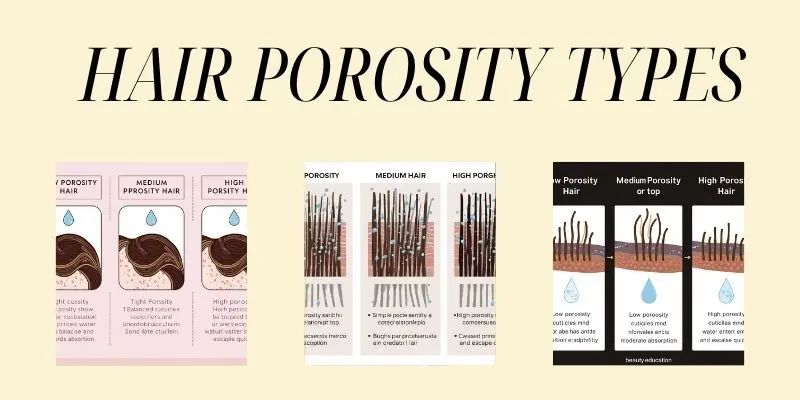
There are three common hair porosity types: low, medium, and high. None of them makes your hair “bad.” They simply tell you what kind of care your hair may prefer.
Low Porosity Hair
Low porosity hair has tightly packed cuticles. Water and products may sit on top of the hair instead of absorbing quickly.
Common signs of low porosity hair include:
- Water beads up on the hair
- Hair takes a long time to get fully wet
- Hair takes a long time to dry
- Conditioner may sit on top
- Heavy creams and oils cause buildup
- Hair feels dry even after moisturizing
Good low porosity hair care focuses on lightweight hydration, gentle heat, and avoiding heavy product layering.
Medium Porosity Hair
Medium porosity hair has a more balanced cuticle structure. It absorbs moisture reasonably well and holds it better than high porosity hair.
This is sometimes called normal porosity hair because it often needs less adjustment. It can still get damaged from heat, bleach, harsh brushing, or over-processing, but it usually responds well to balanced care.
For many people, medium porosity represents healthy hair porosity: the hair feels soft, holds styles, accepts conditioner, and does not become dry or greasy too quickly.
High Porosity Hair
High porosity hair has raised, open, or damaged cuticles. It may absorb water and products quickly, but it also loses moisture quickly.
Common signs of high porosity hair include:
- Hair gets wet quickly
- Hair dries quickly
- Hair feels rough, frizzy, or brittle
- Ends look dull or uneven
- Hair tangles easily
- Moisture disappears soon after styling
Damaged hair porosity often happens after bleaching, coloring, heat styling, chemical relaxing, UV exposure, or repeated mechanical damage. Research on textured hair has found that chemical and physical damage can modify porosity-related properties of hair fibers.
3. Hair Porosity Chart: Low vs Medium vs High Porosity Hair
Use this hair porosity chart as a quick guide.
| Feature | Low Porosity Hair | Medium Porosity Hair | High Porosity Hair |
|---|---|---|---|
| Cuticle position | Tight and flat | Slightly open | Raised or damaged |
| Water absorption | Slow | Balanced | Fast |
| Drying time | Long | Moderate | Fast |
| Product behavior | May sit on top | Absorbs well | Absorbs fast but may not last |
| Common problems | Buildup, heaviness | Occasional dryness | Frizz, dryness, breakage |
| Best care approach | Lightweight hydration | Balanced routine | Moisture plus sealing |
When comparing low porosity vs high porosity hair, the main difference is moisture movement. Low porosity hair resists moisture at first. High porosity hair accepts moisture quickly but struggles to keep it.
4. How to Test Hair Porosity at Home
If you want to know how to test hair porosity, do not rely on only one sign. A porosity hair test at home can help, but it works best when you compare several clues.
Hair Porosity Water Test
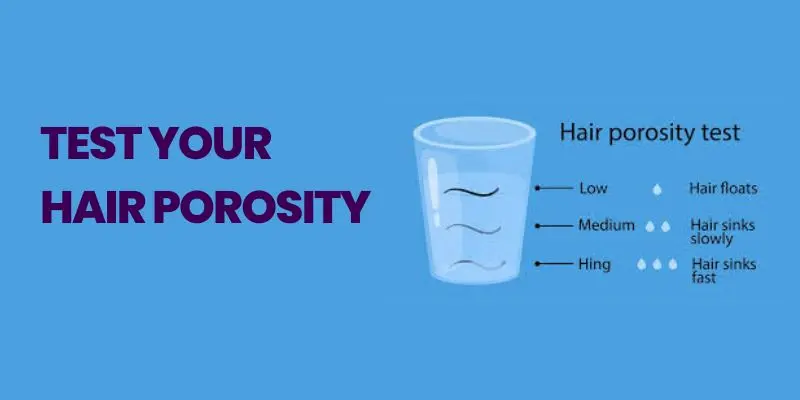
The hair porosity water test is popular because it is simple.
Use a clean strand of hair with no heavy oils, silicones, or product buildup. Place it in a glass of water and watch what happens after a few minutes.
- If it floats, it may suggest low porosity hair.
- If it stays around the middle, it may suggest medium porosity hair.
- If it sinks quickly, it may suggest high porosity hair.
This hair porosity test can be useful, but it is not perfect.
Spray Test
The spray test may feel more realistic. Mist clean hair with water and watch how it behaves.
If water beads on the surface, you may have low porosity hair. If water slowly absorbs, your hair may be of medium porosity. If water disappears quickly, your hair may have high porosity.
This is one practical answer to how to know hair porosity without overcomplicating the process.
Slip or Finger Test
Take one strand and slide your fingers upward from the end to the root.
If the strand feels very smooth, it may have low porosity. If it feels rough, bumpy, or uneven, it may have high porosity.
Hair Porosity Quiz
A hair porosity quiz can also help you notice patterns. For example, it may ask how long your hair takes to dry, whether products sit on your hair, and whether your ends feel rough. Just remember: a quiz should guide you, not diagnose your hair perfectly.
5. Why Hair Porosity Tests Can Be Wrong
This is where many people get confused. At-home porosity tests are helpful, but they are not laboratory measurements.
Results can change because of:
- Product buildup
- Oils or silicones
- Hair thickness
- Water temperature
- Air bubbles
- Damaged ends
- Different porosity at roots and ends
Your hair may also have mixed porosity. For example, your roots may be low or medium porosity, while your bleached or heat-damaged ends behave like high porosity hair.
That is why I suggest using tests plus real-life signs. How your hair absorbs water, dries, holds moisture, reacts to products, and feels after conditioning matters more than one glass of water result.
6. Low Porosity Hair Routine
A good low porosity hair routine should help moisture enter without leaving the hair coated or greasy.
Here is how I approach how to moisturize low porosity hair:
Start with clean hair. If products always sit on your strands, use a clarifying shampoo occasionally to remove buildup. Then apply water-based moisturizers or lightweight leave-ins while the hair is damp.
The best products for low porosity hair are usually light, slippery, and water-based. Look for lightweight products for low porosity hair, such as lightweight leave-in conditioners, hydrating sprays, and conditioners that rinse clean.
Gentle heat can help. A warm towel, steam, or a heat cap may help the deep conditioner spread and absorb better. Avoid heavy layering with thick butters if they make your hair feel waxy.
The best oil for low porosity hair is usually a lighter oil used sparingly. Jojoba oil, argan oil, or grapeseed oil may feel better than heavy oils for some people. Still, oil does not moisturize by itself; it helps reduce moisture loss after water-based hydration.
7. High Porosity Hair Routine
A strong high-porosity hair routine focuses on hydration, strengthening, and sealing.
If you are wondering how to fix high porosity hair, I want to set realistic expectations. You may not permanently repair every damaged cuticle, especially on older or bleached ends. But you can reduce further damage, improve softness, and help your hair hold moisture better.
Good high porosity hair care may include:
- Moisturizing shampoo
- Regular deep conditioning
- Leave-in conditioner
- Creams or sealants
- Reduced heat styling
- Gentle detangling
- Heat protectant when needed
The best products for high porosity hair often include richer conditioners, leave-ins, creams, and bond-repair or strengthening products when the hair is damaged.
The best oil for high porosity hair may be a slightly richer oil or sealant used over damp, moisturized hair. Some people like olive oil, avocado, argan, or castor oil in small amounts, depending on hair texture and density.
A protein treatment for high porosity hair may help when hair feels mushy, weak, overly stretchy, or damaged from color or heat. But protein is not for everyone. Too much can make hair stiff, rough, or brittle.
8. Medium Porosity Hair Routine
Medium porosity hair usually does well with balance. It does not need as many special adjustments as low or high porosity hair.
A good hair porosity routine for medium porosity hair may include:
- A gentle shampoo
- Regular conditioner
- Occasional deep conditioning
- Heat protection
- Light protein only when needed
- Avoiding excessive bleach, heat, and rough brushing
The goal is to maintain healthy hair porosity. Do not overload the hair with heavy oils, too much protein, or constant clarifying if your routine already works.
9. Hair Porosity for Curly Hair and Black Hair
Hair porosity for curly hair deserves special attention because curls and coils often need more moisture support. The American Academy of Dermatology notes that curly and tightly coiled hair can be more prone to dryness and breakage, and recommends gentle care routines for these textures.
Hair porosity for black hair is not one-size-fits-all. Black hair can be low, medium, high, or mixed porosity. Coily and textured hair may need extra care because natural scalp oils can take longer to travel down bends and coils in the strand.
Do not assume all curly or black hair has high porosity. Some tightly coiled hair has low porosity and struggles with product absorption. Some relaxed, bleached, or heat-damaged ends may be high porosity, while the roots are low porosity.
10. Best Porosity Hair Products: What to Look For
Choosing porosity hair products becomes easier when you match product texture to your hair’s behavior.
For low porosity hair, look for:
- Lightweight leave-ins
- Water-based moisturizers
- Lightweight conditioners
- Occasional clarifying shampoo
- Light oils used sparingly
For high porosity hair, look for:
- Rich conditioners
- Leave-in conditioners
- Creams
- Oils or sealants
- Protein or bond-repair products when appropriate
The best products for low porosity hair should not leave a heavy film. The best products for high porosity hair should help reduce moisture loss and improve slip, softness, and manageability.
No product works for everyone. Hair density, curl pattern, damage level, climate, and styling habits all matter.
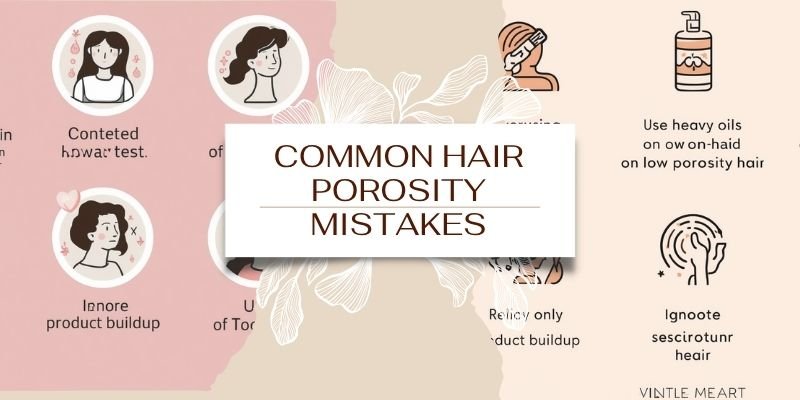
11. Common Hair Porosity Mistakes
Here are the myths I see most often.
Myth: The hair porosity water test is always accurate.
Fact: Buildup, oils, air bubbles, and strand thickness can affect the result.
Myth: Low porosity hair does not need moisture.
Fact: It needs moisture, but it may need lightweight products and gentle heat.
Myth: High porosity hair is always unhealthy.
Fact: Some hair naturally leans porous, but damage can increase porosity.
Myth: All curly hair has high porosity.
Fact: Curly, coily, and textured hair can be low, medium, high, or mixed porosity.
Myth: Heavy oils are best for every porosity type.
Fact: Heavy oils may weigh down low porosity or fine hair.
Myth: Protein treatment is good for everyone.
Fact: Protein can help damaged hair, but overuse can make some hair stiff.
Myth: Porosity never changes.
Fact: New growth may have one porosity, while damaged ends may behave differently.
Myth: You need expensive products to manage porosity.
Fact: A simple routine with the right product texture often works better than buying everything.
12. When NOT to Google Hair Porosity
Online advice can help you build a better routine, but some problems need professional help.
Stop guessing and see a dermatologist, trichologist, licensed stylist, or qualified healthcare professional if you notice:
- Sudden heavy shedding
- Bald patches
- Scalp pain, burning, redness, swelling, or sores
- Severe flaking or signs of infection
- Hair breakage that keeps getting worse
- Hair loss after illness, childbirth, medication, or extreme stress
- Scalp symptoms that do not improve
- Hair concerns affecting your mental health or confidence
Porosity advice cannot diagnose hair loss, scalp disease, infection, or medical shedding.
13. How Long Does It Take to Improve Hair Porosity?
Low porosity hair may feel better after a few routine adjustments, especially if buildup was the main issue. High porosity hair may need consistent care over weeks or months before it feels smoother and less dry.
Damaged ends may not fully recover. Sometimes the best long-term plan includes gentle care, trimming split ends, and protecting new growth.
Consistency matters more than switching products every week.
14. Submit Your Story
Have you tested your hair porosity, built a low porosity hair routine, or learned how to care for high porosity hair after bleach, heat, or damage?
I’d love to hear your story. Your experience may help someone else understand their own hair better and feel less alone in the process.
15. How This Article Was Created
This article was created using cosmetic science-informed explanations, hair-care education, dermatologist-backed guidance on hair and scalp care, and research on hair fiber structure, cuticles, moisture behavior, and damage.
Conclusion
Understanding your hair’s porosity can make your routine feel much less confusing. Instead of guessing why your hair feels dry, greasy, rough, or weighed down, you can look at how your strands respond to water, conditioner, oils, and styling products. In my experience, the best results usually come from simple, consistent changes: using lighter products when buildup is the problem, adding richer moisture when hair dries too fast, and protecting damaged ends instead of expecting overnight repair.
As a hair-care writer, I always recommend treating porosity as a guide, not a strict label. Your roots and ends may behave differently, and your hair can change after coloring, heat styling, chemical treatments, or seasonal weather shifts. The goal is not to follow every online rule perfectly. The goal is to observe your own hair, adjust with care, and seek professional help if you notice sudden shedding, scalp pain, bald patches, or ongoing breakage. A thoughtful routine built around your real hair needs will always be more effective than chasing trends.
FAQs About High Porosity Hair
High porosity hair usually absorbs water, conditioner, and styling products quickly, but it may lose moisture just as fast. Common signs of high porosity hair include dryness, frizz, rough texture, dullness, tangling, and breakage. Your hair may also dry quickly after washing and feel moisturized at first, then become dry again later in the day.
You may not be able to permanently change high porosity hair, especially if your natural hair structure or old damage plays a role. However, you can make it easier to manage. A good high porosity hair routine usually includes deep conditioning, leave-in conditioner, sealing oils or creams, gentle detangling, and reducing heat, bleach, or harsh chemical treatments. If your hair is damaged, occasional protein or bond-repair treatments may also help improve strength and reduce breakage.
No. Some people naturally have more porous hair, but heat, bleach, color, relaxers, UV exposure, and rough styling can increase porosity. If your ends feel rougher than your roots, damage may be part of the reason.
High porosity hair often responds well to leave-in conditioners, humectants in the right climate, moisturizing creams, light butters, sealing oils, and occasional protein or bond-repair products. The best ingredients depend on whether your hair needs more moisture, more strength, or both.
High porosity hair usually does not become low porosity overnight. Natural porosity is partly influenced by genetics, while damage from heat, bleach, coloring, chemical treatments, and rough handling can make hair more porous over time. With consistent care, high porosity hair may feel smoother, stronger, and better moisturized, but damaged ends may still need trimming over time.
High porosity hair often benefits from deep conditioning about once a week. If your hair feels extremely dry, rough, or damaged, you may need extra moisture support for a while. However, avoid overloading your hair with heavy masks if it starts feeling limp, coated, or greasy. The best schedule depends on your hair texture, damage level, climate, and styling routine.
High porosity hair may benefit from protein treatments, especially if it feels weak, mushy, overly stretchy, or damaged from bleach, heat, or chemicals. Protein can temporarily strengthen the hair shaft and support damaged areas. However, too much protein can make hair feel stiff, dry, or brittle. Many people do best with occasional protein treatments balanced with moisturizing conditioners.
The best shampoo for high porosity hair is usually gentle, moisturizing, and non-stripping. Look for shampoos that clean the scalp without leaving the hair dry or squeaky. Hydrating ingredients like aloe vera, glycerin, panthenol, and mild cleansing agents may help. Clarifying shampoo can be useful occasionally if you have buildup, but it should usually be followed with a rich conditioner or deep conditioner.
High porosity hair does not necessarily grow slower. Hair growth mainly depends on genetics, health, hormones, nutrition, and scalp condition. However, high porosity hair may break more easily, which can make it seem like your hair is not growing. Reducing breakage, sealing moisture, avoiding harsh styling, and protecting your ends can help with length retention.
To seal moisture into high porosity hair, start with water or a water-based leave-in conditioner. Then apply a cream or butter for softness, followed by a light or medium oil if your hair tolerates it. Many people use the LOC method or LCO method, but the best order depends on your hair. Sleeping on a satin or silk pillowcase and avoiding rough towels can also help reduce moisture loss and frizz.




- Be Respectful
- Stay Relevant
- Stay Positive
- True Feedback
- Encourage Discussion
- Avoid Spamming
- No Fake News
- Don't Copy-Paste
- No Personal Attacks
- Be Respectful
- Stay Relevant
- Stay Positive
- True Feedback
- Encourage Discussion
- Avoid Spamming
- No Fake News
- Don't Copy-Paste
- No Personal Attacks
