Eco Friendly Hair Products That Are Worth Choosing
Published: 28 Sep 2025
Eco-friendly hair products can feel exciting at first, but I know how confusing the switch can become once you start reading labels. One bottle says “natural,” another says “clean,” another promises “zero waste,” and suddenly a simple shampoo choice feels like research homework. I’ve seen many people buy products because the packaging looked green, only to feel disappointed when the formula left their dry hair, heavy, or hard to manage.
That is why I always look beyond the front label. From my experience writing about sustainable beauty and comparing clean hair care options, the best choice is not just the prettiest bottle or the trendiest shampoo bar. It is the product that fits your hair type, uses thoughtful ingredients, reduces unnecessary waste, and comes from a brand that explains its claims clearly. In this guide, I’ll help you choose with more confidence and less guesswork.
What Makes a Hair Product Eco-Friendly?
A truly eco-conscious hair care product is not defined by one feature alone. A shampoo bar may reduce plastic, but ingredients, sourcing, performance, packaging, and brand transparency still matter.
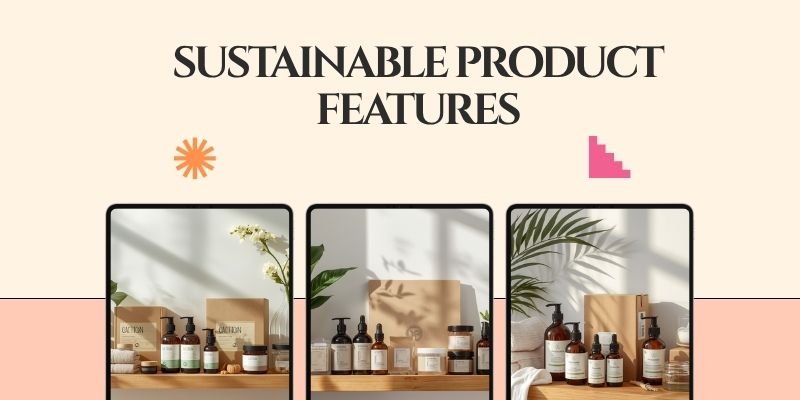
When I compare environmentally friendly hair products, I usually look for:
- Safer, plant-based hair products
- Sulfate-free, eco-friendly shampoo
- Paraben-free hair products
- Vegan hair products
- Cruelty-free hair products
- Recyclable hair care packaging
- Refillable hair care products
- Compostable beauty packaging
- Biodegradable hair products
- Low-waste hair care
- Transparent, ethical beauty products
I also avoid broad claims that sound good but say very little. The FTC advises marketers not to make broad, unqualified claims like “green” or “eco-friendly” unless they clearly explain the specific environmental benefit.
For ingredient research, I may check tools like EWG Skin Deep, which helps consumers review personal care product ingredients and potential chemical exposure concerns.
Best Eco-Friendly Hair Products to Consider
The best Eco Friendly Hair Products are not only good for your hair, but also use better ingredients, smarter packaging, and honest brand claims.
1. Eco-Friendly Shampoo
A good eco-friendly shampoo should clean my scalp without making my hair feel stripped. I look for gentle cleansers, clear ingredient lists, and packaging that reduces waste.
A natural shampoo for healthy hair may include botanical extracts, aloe vera, rosemary, coconut-derived cleansers, or other natural ingredients for hair care. For many people, a sulfate-free, eco-friendly shampoo is a good choice because it can feel gentler, especially for dry, curly, or color-treated hair.
I also compare packaging. Some brands use aluminum bottles, paper refills, concentrated formulas, or refill shampoo bottles to reduce single-use plastic.
2. Eco-Friendly Conditioner
A quality, eco-friendly conditioner should soften hair, reduce tangles, and support manageability without relying only on heavy synthetic buildup.
When comparing organic shampoo and conditioner sets, I check whether the formula suits my hair type. I also look for vegan shampoo and conditioner, paraben-free hair products, and clean beauty hair care brands that explain what they avoid and why.
The FDA notes that an ingredient’s source does not automatically determine its safety, so I do not assume “organic” always means better.
3. Eco-Friendly Shampoo Bars
Eco-friendly shampoo bars are popular because they support zero-waste hair care and plastic-free hair care. They often come in paper or compostable packaging, and they are easy to travel with.
Pros:
- Less plastic packaging
- Travel-friendly
- Can last longer than some liquid products
- Often lighter to ship
Cons:
- Some formulas need an adjustment period
- Hard water can affect results
- Not every bar works for every hair type
- They need dry storage between uses
I like shampoo bars for hair when the formula is pH-balanced, easy to rinse, and matched to my scalp and hair needs.
4. Natural Hair Oils
Natural hair oils can help add shine, softness, and smoothness when used correctly. Common options include argan oil, jojoba oil, coconut oil, and rosemary oil.
For fine hair, I use only a tiny amount on the ends. For thicker, curly, or natural hair, richer oils may work better. I do not treat oils as miracle products, but they can be useful in a balanced routine.
5. Organic Scalp Care Products
Healthy-looking hair often starts with a comfortable scalp. Organic scalp care and clean scalp care products can help remove buildup, support freshness, and make the routine feel better overall.
I look for gentle exfoliating scalp treatments, lightweight oils, fragrance-free options, and herbal hair care products with clearly listed ingredients. I avoid strong medical claims unless a brand provides proper evidence.
6. Eco-Friendly Hair Masks
Eco-friendly hair masks are helpful when hair feels dry, rough, frizzy, or over-processed. I look for rich botanical ingredients, recyclable or compostable packaging, and formulas made for specific needs.
For curly or natural hair, I prefer masks with moisture, slip, and nourishing oils. For fine hair, I choose lighter masks that rinse clean.
7. Eco-Friendly Dry Shampoo
A good eco-friendly dry shampoo can refresh roots without aerosol packaging. I usually compare powder-based formulas, refillable containers, non-aerosol packaging, and simple ingredients.
This is one of the easiest swaps for a low-waste hair care routine because many powder dry shampoos last a long time and need very little packaging.
8. Sustainable Hair Styling Products
Sustainable hair styling products include gels, creams, mousses, sprays, curl creams, and organic hair serum. I look for performance first, then packaging and ingredient transparency.
For toxin-free hair care, I avoid vague fear-based claims. Instead, I check whether the brand clearly lists ingredients, explains fragrance, and supports its clean beauty claims with real details.
9. Eco-Friendly Hair Tools
Products are only part of the routine. Eco-friendly hair tools can also reduce plastic waste.
A bamboo hair brush or wooden comb for hair can be a durable alternative to disposable plastic tools. I look for smooth teeth, strong construction, and responsible sourcing. A tool that lasts for years is usually better than one that looks sustainable but breaks quickly.
Best Eco-Friendly Hair Products by Hair Type
Eco Friendly Hair Products work best when they match your hair type, whether your hair is curly, fine, dry, oily, or textured.
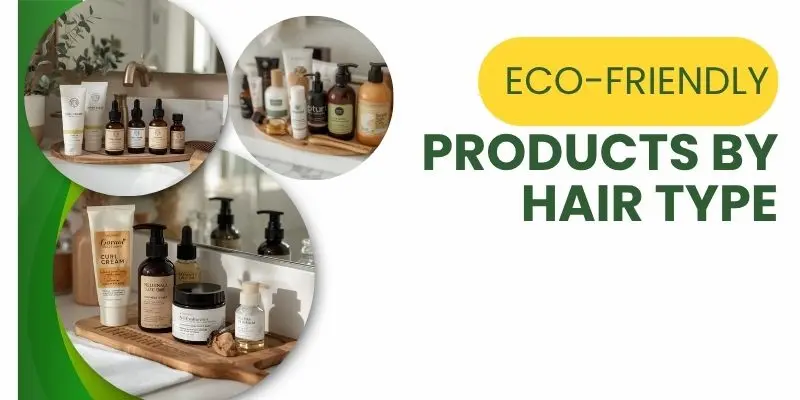
For Curly Hair
The best eco-friendly products for curly hair usually provide moisture, slip, and gentle cleansing. I look for sulfate-free cleansers, rich conditioners, leave-ins, curl creams, and masks that help curls stay soft without feeling coated.
For Natural Hair
The best eco-friendly products for natural hair often include moisturizing conditioners, creamy leave-ins, gentle scalp care, and natural hair oils. I also check whether the brand understands textured hair instead of offering one generic formula for everyone.
For Fine Hair
Fine hair can get weighed down quickly. I prefer lightweight, eco-conscious hair care products, gentle shampoos, light conditioners, and non-greasy serums.
For Dry or Damaged Hair
For dry or damaged hair, I compare eco-friendly hair masks, plant-based hair products, organic hair serum, and nourishing conditioners. I focus on softness, manageability, and regular use rather than quick miracle claims.
For Sensitive Scalps
For sensitive scalps, I look for fragrance-free options, clean scalp care products, sulfate-free formulas, and simple ingredient lists. I also patch test new products when possible.
How to Build a Sustainable Hair Routine Step by Step
Here is the realistic approach I recommend:
- I finish what I already own before buying more.
- I replace one product at a time.
- I start with an eco-friendly shampoo or an eco-friendly conditioner.
- I choose products based on hair type, not only packaging.
- I try refillable hair care products or refill shampoo bottles when available.
- I add durable tools like a bamboo hair brush or a wooden comb for hair.
- I avoid impulse-buying every trending green beauty hair product label.
- I track what works for my hair over several washes.
This makes a sustainable hair routine easier, more affordable, and less wasteful. It also turns sustainable self-care products into habits instead of one-time purchases.
What Not to Do When Buying Eco-Friendly Hair Products
I avoid these common mistakes:
- Do not assume “natural” always means better.
- Do not ignore your hair type.
- Do not buy products only because the packaging looks green.
- Do not trust vague claims without checking details.
- Do not throw away usable products just to start a zero-waste hair care routine.
- Do not assume all biodegradable hair products are automatically low-impact in every situation.
- Do not confuse recyclable packaging with packaging that actually gets recycled.
The best healthy hair eco products are the ones that work for your hair, reduce unnecessary waste, and come from brands that explain their choices.
Common Misconceptions About Natural and Organic Hair Products
Natural and organic hair products can be helpful, but they are not always perfect for every hair type or routine.
Misconception 1: Organic hair products always work better
Organic hair products can be a great choice, but performance depends on the formula, hair type, and how the product is used. USDA notes that personal care products with agricultural ingredients may be eligible for organic certification if they meet National Organic Program standards.
Misconception 2: Shampoo bars are perfect for everyone
Eco-friendly shampoo bars work well for many people, but some hair types may prefer liquid formulas or refillable hair care products.
Misconception 3: Vegan means cruelty-free
Vegan hair products do not contain animal-derived ingredients. Cruelty-free hair products focus on animal testing policies. A product can be one, both, or neither.
Leaping Bunny explains that certified companies must pledge to end animal testing at all stages of product development and recommit to the program annually.
Misconception 4: Clean beauty always means sustainable
Clean beauty hair care usually focuses on ingredient preferences. Sustainable beauty products also consider packaging, sourcing, manufacturing, shipping, refills, and waste.
How I Compare Sustainable Shampoo Brands
When I compare sustainable shampoo brands, I use a simple checklist:
- Ingredient quality
- Packaging type
- Refill options
- Certifications
- Cruelty-free and vegan status
- Performance for different hair types
- Price and accessibility
- Brand transparency
- Support for low-waste hair care
- Specific, verifiable claims
This helps me compare sustainable hair care products fairly instead of choosing the prettiest bottle.
Greenwashing Red Flags to Watch For
I pause when I see vague claims like:
- “Eco”
- “Green”
- “Chemical-free”
- “Planet-safe”
- “All natural”
- “Non-toxic”
Better claims are specific. For example, a brand might explain that it uses recyclable hair care packaging, refillable bottles, certified cruelty-free standards, compostable beauty packaging, or verified vegan formulas.
That kind of detail helps me trust the product more.
My Practical Recommendation
The best eco-friendly hair products are not always the most expensive, trendy, or aesthetic. The best choice is the one that works for your hair, reduces unnecessary waste, uses responsible ingredients, and comes from a brand that explains its claims clearly.
For beginners, I would start with:
- Eco-friendly shampoo
- Eco-friendly conditioner
- Shampoo bars for hair
- A bamboo hair brush
- A wooden comb for hair
- Eco-friendly dry shampoo
- Natural hair oils
Small swaps can still make a real difference when they become part of your everyday routine.
Submit Your Story
Have you switched to plastic-free hair care, refillable hair care products, or eco-friendly shampoo bars? I’d love to hear what worked, what did not, and what surprised you.
Your story may help someone else build a sustainable hair routine without wasting money or time.
Conclusion
After comparing many sustainable hair care options, my biggest lesson is simple: a better routine does not have to be perfect. I would rather choose one product that truly works than fill my bathroom with items that only look eco-conscious. For me, the smartest starting point is usually a gentle shampoo, a conditioner that matches my hair needs, and one durable tool like a bamboo brush or wooden comb.
My professional advice is to judge every product by four things: ingredients, packaging, performance, and transparency. If a brand clearly explains what it uses, why it uses it, and how its packaging should be handled, that is usually a stronger sign than vague words like “green” or “pure.” The right routine should leave your hair feeling good and help you make more responsible choices without stress, waste, or unrealistic expectations.
FAQs About Eco-Friendly Hair Products
Eco-friendly hair products are made to care for your hair while reducing waste and harm to the planet. They may use safer ingredients, recyclable packaging, refill bottles, or plastic-free options. Some also come from vegan and cruelty-free brands. The best choice depends on your hair type and daily routine. Always check the label before buying.
Eco-friendly hair products can be better for your hair if the formula matches your needs. A gentle shampoo or conditioner may help your hair feel softer and less dry. But not every natural product works for everyone. Fine, curly, oily, and dry hair all need different care. Choose by hair type first, then look at sustainability.
The best eco-friendly shampoo is one that cleans well without making your scalp feel dry or tight. I look for gentle cleansers, clear ingredients, and low-waste packaging. A sulfate-free, eco-friendly shampoo can be a good option for dry or curly hair. Shampoo bars are also useful for plastic-free hair care. Pick the one that fits your hair and lifestyle.
Shampoo bars can be good for hair when the formula is right. They are popular because they use less plastic and are easy to travel with. Some people love them because they last a long time. Others may need time to adjust, especially with hard water. If your hair feels waxy or dry, try a different bar or a liquid refill option.
Natural hair care products often use plant-based ingredients, oils, or herbal extracts. Organic hair products may follow stricter growing and ingredient standards. But “natural” and “organic” do not always mean the product will work better. You still need to check the full formula. Your hair type matters more than the front label.
No, vegan hair products are not always cruelty-free. Vegan means the product does not use animal-derived ingredients. Cruelty-free means the brand avoids animal testing. A product can be vegan but not certified cruelty-free. For more trust, look for clear cruelty-free claims or trusted certification logos.
Start with one simple swap instead of changing everything at once. You can begin with eco-friendly shampoo, conditioner, or dry shampoo. Finish the products you already own before buying more. Then choose refillable hair care products, shampoo bars, or recyclable packaging. A small routine that you keep using is better than a perfect one you quit.
Eco-friendly products for curly hair should add moisture, slip, and softness. Look for gentle shampoo, rich conditioner, leave-in cream, and natural hair oils. Curly hair often needs more hydration than fine hair. Avoid products that make your curls feel stiff or coated. A good product should help curls feel soft, defined, and easy to manage.
Plastic-free hair care is worth trying if you want to reduce bathroom waste. Shampoo bars, conditioner bars, powder dry shampoo, and refill bottles are good options. But the product still needs to work for your hair. Do not buy something only because it has pretty eco packaging. The best product should be useful, low-waste, and easy to keep using.
Check the full product, not just the word “eco” on the label. Look at the ingredients, packaging, refill options, brand claims, and certifications. Good brands explain their choices clearly. Be careful with vague words like green, pure, or chemical-free. A truly eco-friendly product should be honest, practical, and suitable for your hair.

- Be Respectful
- Stay Relevant
- Stay Positive
- True Feedback
- Encourage Discussion
- Avoid Spamming
- No Fake News
- Don't Copy-Paste
- No Personal Attacks
- Be Respectful
- Stay Relevant
- Stay Positive
- True Feedback
- Encourage Discussion
- Avoid Spamming
- No Fake News
- Don't Copy-Paste
- No Personal Attacks
