Jojoba Hair Oil Benefits, Uses, Side Effects, and How to Use It
Published: 4 Jan 2025
Jojoba hair oil became one of the first oils I reached for when my hair started feeling constantly dry, frizzy, and harder to manage, no matter how careful I was with my routine. I know how frustrating that cycle can feel. Your ends look rough, your scalp feels off, and every new product promises a miracle but rarely explains what it can actually do. That is exactly why I take a practical approach to jojoba hair oil. From both personal experience and evidence-based hair-care research, I see it as a lightweight, useful option for softness, shine, and scalp comfort when it is used the right way. What I do not do is overpromise results. Jojoba can support healthier-looking hair, but it is not a magic fix for every scalp issue or a proven cure for hair loss. In this guide, I’ll break down the real benefits of jojoba hair oil, cover jojoba oil for hair side effects, and help you decide whether it deserves a place in your routine.
1) What jojoba hair oil actually is
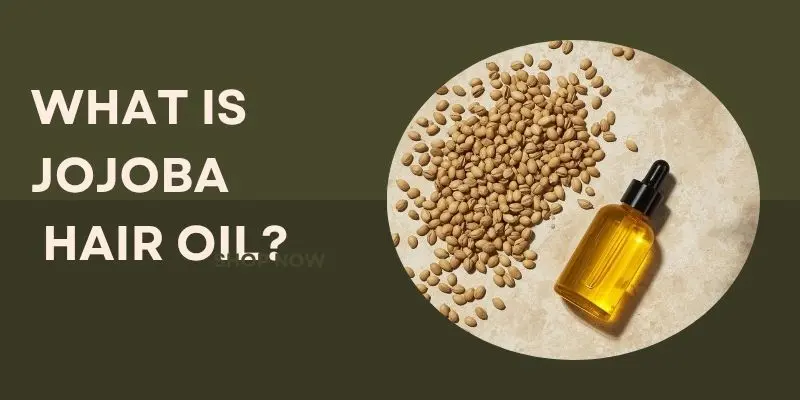
When I talk about jojoba hair oil, I’m really talking about oil pressed from the seeds of Simmondsia chinensis. Chemically, it behaves more like a liquid wax than a typical plant oil, which is one reason it feels lighter and less greasy than many rich oils. Reviews of jojoba note that its wax esters resemble components of human sebum, which helps explain why so many people find it comfortable on the scalp and hair.
That does not mean it “balances oil production” in some magical way. It means jojoba is a useful cosmetic emollient. In plain language, it can coat hair, soften roughness, reduce friction, and help dry hair feel smoother. A recent review of plant-based cosmetic oils also notes that formulations containing jojoba can positively influence hair fiber performance.
2) Benefits of jojoba hair oil
One of the main benefits of jojoba hair oil is how quickly it helps dry, rough hair feel smoother. I use a small amount on the ends when my hair looks dull or feels frizzy, and it usually gives a softer, calmer finish
Softness, shine, and less frizz
The benefits of jojoba hair oil are mostly cosmetic and supportive, which is not a bad thing. I reach for it when hair feels rough, puffy, or dull because a small amount can smooth the cuticle and add slip. Cosmetic science reviews describe plant oils like jojoba as emollients that help moisturize and improve feel, while hair-oil literature notes that jojoba works mainly on the hair surface rather than penetrating deeply into the shaft.
Scalp comfort for dryness
If my scalp feels tight or a little dry, jojoba can make it feel more comfortable. That said, I keep the claim modest: comfort is not the same as curing a scalp condition. If flakes come from true dandruff or seborrheic dermatitis, the American Academy of Dermatology says dandruff shampoos are often the right first-line treatment, not more oil.
Help with breakage from dryness and friction
Jojoba may help hair look and feel less fragile by improving lubrication and reducing rough handling. That can support length retention over time. But I would not oversell it as a proven repair treatment. In fact, a review on hair oils notes that jojoba does not have the same evidence for reducing protein loss that coconut oil does, so I treat jojoba as a great conditioner, not a miracle fixer.
3) Jojoba oil for hair: how to use it
When people search for how to use jojoba oil for hair, they usually want simple steps, not theory. This is how I’d use it in real life.
Option 1: Pre-shampoo treatment
This is my favorite method for dry lengths. I smooth a small amount through the mid-lengths and ends, leave it on for 20 to 30 minutes, then shampoo. This works well because I get softness without carrying too much oil into the next day. It is also an easy way to test whether my hair likes jojoba before I try anything heavier.
Option 2: A few drops on damp ends
After washing, I rub 1 to 3 drops between my palms and press them into damp ends. This helps with frizz and shine. Fine hair needs very little. Coarse, curly, or color-treated hair can usually handle a bit more.
Helpful Guides for curl type
Option 3: Mixed into conditioner
If I want a softer finish without buying a separate mask, I mix a drop or two into my conditioner in my palm right before application. This keeps the amount controlled.
Option 4: Scalp massage, but only selectively
Yes, you can use a little jojoba on the scalp, but I do not recommend heavy oiling for everyone. If your scalp is dry and not inflamed, a small amount may feel soothing. If your scalp is greasy, itchy, or clearly dandruff-prone, I would be careful. AAD explains that dandruff is the mildest form of seborrheic dermatitis, and seborrheic dermatitis often needs medicated shampoo to control scale, itch, and irritation.
What I do and what I avoid
What I do
- start with a tiny amount
- apply mostly to ends if my hair gets oily easily
- patch test first
- wash out excess instead of layering more product on top
What I avoid
- drenching the scalp overnight on a flaky, inflamed scalp
- using it as a substitute for dandruff treatment
- assuming “natural” means irritation-proof
- piling on more oil when hair already feels coated
AAD recommends testing new skin-care products on a small area twice daily for 7 to 10 days and watching for redness, itch, or swelling. That is a smart approach here, too, especially if the formula contains fragrance or essential oils. Read the next best essential oils for hair growth
4) How I’d choose jojoba hair oil before buying
This is where the article shifts from informational to lightly transactional. If I were shopping for jojoba hair oil, I would look for four things.
Pure vs. blended
A pure jojoba oil gives me the most control. A blend can still be good, but I check the label to see whether jojoba is actually high on the ingredient list.
Cold-pressed and simple ingredients
I prefer cold-pressed, minimal-ingredient formulas because they tend to be easier to evaluate. Less filler also makes it easier to tell whether jojoba itself works for me.
Fragrance-free if I’m sensitive
AAD notes that fragrances and preservatives can trigger irritation in some people, and “fragrance-free” is often the safer route if skin reacts easily.
Good packaging and hair-type match
Dark, well-sealed packaging is a plus. I also match the formula to my hair type. Fine hair usually does better with a pure, lightweight oil used sparingly. Thick, curly, or very dry hair may do well with jojoba blends used on the lengths.
5) Jojoba oil for hair side effects
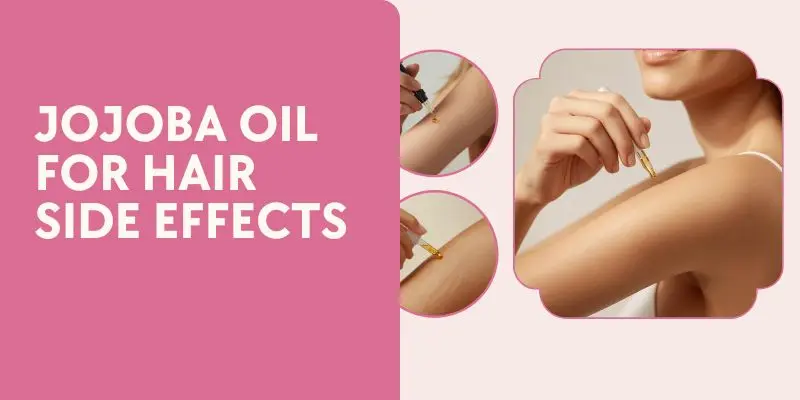
I like jojoba, but I never call it risk-free. The most common jojoba oil for hair side effects are pretty practical: greasiness, buildup, and irritation. If I use too much, my hair can feel limp. If my scalp is reactive, I may notice itch, redness, or tenderness instead of relief.
Mayo Clinic lists contact dermatitis symptoms such as an itchy rash, dry, cracked skin, bumps or blisters, swelling, burning, and tenderness. AAD also warns that skin products can cause red, itchy, swollen reactions and recommends discontinuing the product if that happens.
I’m extra careful with scented oils or formulas packed with botanical extras. Often, the problem is not jojoba itself but fragrance or another added ingredient. That is why patch testing matters.
6) Who should use jojoba hair oil?
I think jojoba works best for:
- dry hair
- frizzy hair
- curly or coily hair that needs lightweight slip
- color-treated or heat-styled ends
- people who want a lighter alternative to heavier oils
I use more caution if someone has:
- a very oily scalp
- active dandruff or seborrheic dermatitis
- known fragrance sensitivity
- sudden shedding or scalp pain
AAD says seborrheic dermatitis can cause greasy or dry scale, itching, and inflammation, and it can show up not only on the scalp but also around the ears, eyebrows, and nose. That pattern matters because it may point to a condition that needs targeted treatment instead of more oil.
You should follow an effective Fenugreek seeds for hair growth to make your hair look better, not just externally but internally as well.
7) Common misconceptions I want to clear up
I often see people expect too much from jojoba hair oil because of viral beauty advice and bold product claims. That is why I want to clear up a few common myths before you decide how to use it in your routine.
Jojoba oil instantly grows hair
I would not promise that. Jojoba may support a healthier-feeling scalp environment, but it is not an evidence-based regrowth treatment for pattern hair loss. NHS notes that treatments like minoxidil and finasteride are the main options used for pattern hair loss, and even those do not work for everyone.
More oil always works better
Usually, the opposite happens. Too much oil can leave buildup, flatten fine hair, and make scalp issues harder to treat.
All hair oils work the same
They do not. Hair-oil literature shows that different oils behave differently. Coconut oil
, for example, has evidence for reducing protein loss, while jojoba is better framed as a conditioning, surface-smoothing oil.
Natural means no side effects
Nope. Natural products can still trigger irritation or an allergy.
Related Helpful Guides
8) Results timeline: what I’d realistically expect
If jojoba suits my hair, I usually expect the cosmetic benefits first: softer ends, less frizz, and a bit more shine after the first few uses. Longer-term benefits are more about consistency and less breakage from dryness or rough handling, not dramatic new growth.
If flakes, itch, or inflammation keep coming back, I do not keep experimenting forever. Dandruff is common and affects about half of adults worldwide, but persistent scalp symptoms still deserve the right treatment.
9) When NOT to Google
I know how frustrating it can feel when your hair stays dry, or your scalp stays irritated, no matter what you try. Still, there is a point where I would stop reading beauty advice and book a professional appointment.

Please get medical advice promptly if you have:
- rash, swelling, burning, or tenderness after using the product
- pus, crusting, fever, or signs of infection
- sudden or unusual hair shedding
- bald patches
- scalp pain, sores, or symptoms that do not improve
Mayo Clinic advises medical care for severe or widespread rash, infected skin, or reactions that do not improve, and the NHS says to see a GP if you are worried about hair loss.
10) You are not alone
If you’ve been overwhelmed by conflicting advice online, you’re definitely not alone. Scalp flakes, frizz, shedding, and dryness can overlap, and that makes self-diagnosis hard. I think jojoba hair oil can be a smart tool, but only when it fits the actual problem.
11) Submit Your Story
If you’ve tried jojoba hair oil, share your story: how you used it, your hair type, and whether it helped with softness, frizz, or scalp comfort. Real routines and real results help other readers make better choices.
Conclusion
After working with different hair oils and reviewing what trusted dermatology and cosmetic-science sources actually support, I see jojoba hair oil as one of the most practical options for people who want lightweight nourishment without the heaviness of richer oils. In my experience, it works best when expectations stay realistic and the routine stays simple. I have found it especially useful for improving softness, reducing surface frizz, and making dry ends feel more manageable, but I would never present it as a miracle product. Real expertise in hair care means knowing both what a product can do and what it cannot do. That is why I always come back to the same advice: use jojoba thoughtfully, patch test first, pay attention to how your scalp responds, and do not ignore persistent irritation, heavy flaking, or unusual hair shedding. When used correctly, jojoba hair oil can be a smart, supportive part of a healthy hair routine. When used carelessly or with unrealistic expectations, it can become just another product that adds confusion. My goal is to help you make a confident decision based on experience, evidence, and what your own hair actually needs.
FAQs:Jojoba Hair Oil
Yes, jojoba oil is very safe because it’s lightweight and non-greasy compared to heavier oils like castor or coconut. It absorbs quickly into the scalp without leaving a sticky residue. However, daily use isn’t always necessary; 2 to 3 times a week is usually enough to see results. Overuse may sometimes weigh hair down, especially for fine or thin textures.
Jojoba oil doesn’t directly speed up the growth rate of hair, but it plays a vital supporting role. It nourishes the scalp, balances oil production, and reduces dryness or dandruff, all of which create a healthy environment for hair to grow. Stronger, healthier roots naturally encourage better growth over time. Regular scalp massages with jojoba oil can also stimulate circulation, indirectly supporting hair health.
You can leave jojoba oil on your hair for 20–30 minutes before washing with shampoo for a nourishing pre-wash treatment. For extra hydration, some people prefer leaving a small amount as a leave-in conditioner without rinsing. If using it as a leave-in, apply only a few drops to the ends or scalp to avoid greasiness. Adjust the method based on your hair’s needs.
Absolutely! Jojoba oil is gentle and won’t strip or fade hair dye. Instead, it helps lock in moisture and maintain softness, which is especially useful for color-treated strands that are prone to dryness. Many stylists recommend lightweight oils like jojoba because they provide shine without dulling the vibrancy of dyed hair. It’s safe and effective for maintaining both color and health.
No, jojoba oil is unlikely to block hair follicles because its structure closely resembles natural scalp sebum. This allows it to penetrate deeply without causing buildup or clogging pores. In fact, it can help dissolve excess sebum, clearing follicles for healthier growth. Compared to thicker oils, it’s much gentler and safer for regular scalp use.
Jojoba oil works well on both damp and dry hair, depending on the purpose. For a pre-wash conditioning treatment, it’s best applied to dry hair so it can fully absorb before shampooing. For leave-in care, applying to towel-dried, damp hair helps lock in moisture and makes styling easier. You can experiment with both to see what suits your hair type.
Yes, jojoba oil can be very effective for dandruff. Its antibacterial and anti-inflammatory properties help soothe an irritated scalp and reduce flakiness. Regular use balances scalp moisture, preventing dryness that often leads to dandruff. For best results, massage it directly into the scalp and leave it on for at least 30 minutes before washing.
Yes, jojoba oil is versatile and works well for all hair textures, including straight, wavy, curly, and coily. It’s light enough for fine hair but still nourishing for thick or coarse strands. Its ability to balance scalp oil production makes it especially useful for people with oily or combination scalps. Everyone can benefit from its moisturizing and protective qualities.
Certainly! Jojoba oil blends beautifully with other oils to enhance its effects. Mixing it with tea tree oil can help combat dandruff, while rosemary oil may stimulate hair growth. Coconut oil or castor oil can also be combined with jojoba for deeper hydration. These combinations allow you to customize treatments to your hair’s specific needs.
No, jojoba oil has only a mild, slightly nutty aroma that fades quickly after application. It’s far less noticeable than stronger oils like castor or olive. Because the scent is so light, it won’t interfere with other hair products or perfumes you use. This makes it an excellent option for people who prefer fragrance-free or subtly scented hair care.




- Be Respectful
- Stay Relevant
- Stay Positive
- True Feedback
- Encourage Discussion
- Avoid Spamming
- No Fake News
- Don't Copy-Paste
- No Personal Attacks
- Be Respectful
- Stay Relevant
- Stay Positive
- True Feedback
- Encourage Discussion
- Avoid Spamming
- No Fake News
- Don't Copy-Paste
- No Personal Attacks
