Hibiscus Oil for Hair: Benefits, Uses, and Growth Facts
Published: 16 Jun 2025
Hibiscus oil for hair is one of those natural remedies that gets attention for a good reason. When hair feels dry, dull, weak, or slow to grow, it is normal to look for something gentle and plant-based that may help. I understand that frustration. Hair breakage can make it feel like your hair is not growing at all, even when your scalp is still producing new strands.
Hibiscus has a long history in Ayurvedic hair care, especially in India and other parts of Asia. Many people use hibiscus flowers and leaves in oils, masks, and herbal rinses to support softer hair, scalp comfort, and healthy-looking strands. Today, hibiscus oil is becoming more popular in the U.S. as people look for clean beauty routines and natural hair-care options.
Still, I want to be clear from the start. Hibiscus oil may help improve shine, softness, dryness, and breakage. It may also support a healthier scalp environment. But strong human evidence proving that hibiscus oil regrows hair is limited. Some research on Hibiscus rosa-sinensis has been done in animals and lab models, not large human clinical trials.
In this guide, I’ll explain what hibiscus oil can realistically do, how to use it safely, how to make it at home, and when hair loss needs professional help.
What Is Hibiscus Oil?
Hibiscus oil is usually made by infusing hibiscus flowers and leaves into a carrier oil. Common carrier oils include coconut oil for hair, sesame oil, almond oil, olive oil for hair, or jojoba oil for hair.
The flower often used in traditional hair care is Hibiscus rosa-sinensis. It is known for its bright red petals and rich plant compounds. Hibiscus contains antioxidants and other natural compounds, which is one reason it is used in herbal beauty routines.
For hair, hibiscus oil is mainly used as a scalp oil, pre-wash treatment, conditioning oil, or mask ingredient. It is not the same as a medical hair-loss treatment.
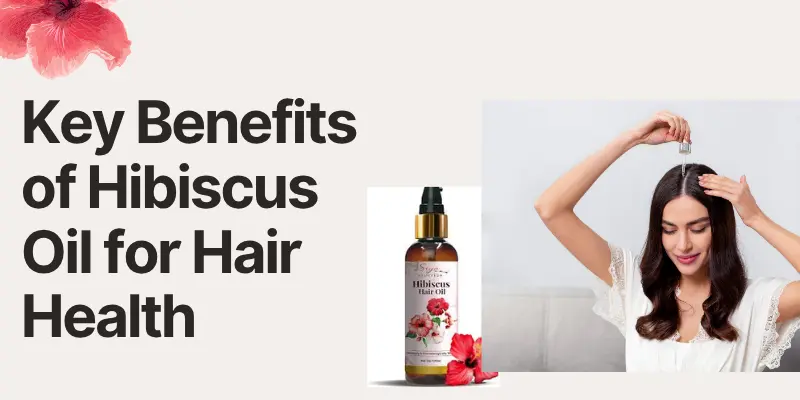
Key Benefits of Hibiscus Oil for Hair
Hibiscus oil may be helpful if your main concerns are dryness, dullness, frizz, breakage, or scalp discomfort. I would describe it as a support oil, not a miracle growth oil.
1. May Help Reduce Hair Breakage
One of the biggest reasons hair seems “stuck” at the same length is breakage. The hair may be growing from the scalp, but the ends keep snapping.
Hibiscus oil can help coat dry strands and make them feel smoother. This may reduce friction during brushing, washing, and styling. Less breakage can help your hair keep more length over time.
2. Adds Softness and Shine
If your hair looks dull or rough, hibiscus oil may help improve its appearance. The carrier oil adds moisture and smooths the hair surface. This can make hair look shinier and feel softer.
This is especially helpful for dry, curly, coily, or frizz-prone hair types.
3. Supports Scalp Comfort
A dry or irritated scalp can make hair care feel stressful. Hibiscus oil may help soothe dryness when used in small amounts. However, if you have heavy dandruff, redness, pain, swelling, or sores, you should not rely on oil alone.
Dandruff can have different causes, and some cases need medicated shampoos or medical care.
4. May Support a Healthy Hair-Care Routine
Hibiscus oil works best when it is part of a full routine. That means gentle shampoo, less heat damage, less tight styling, enough protein and nutrients, and regular scalp care.
Hair health rarely depends on one product. I see hibiscus oil as one helpful step, not the whole solution.
Is Hibiscus Oil Good for Hair Growth?
Many people search for hibiscus oil for hair growth, and I understand why. The idea of using one flower to grow thicker hair sounds simple and hopeful.

The honest answer is this: Hibiscus may support healthier-looking hair, but it is not proven to regrow hair in humans.
A 2003 study looked at Hibiscus rosa-sinensis extracts and hair growth potential using animal and lab methods. The study found activity in those models, especially from leaf extract. But animal and lab results do not always translate to human hair regrowth.
Healthline also notes that although hibiscus is popular in hair growth tips, much of the available research is animal-based, and human evidence is limited.
So, I would not say hibiscus oil “cures baldness” or “regrows lost hair.” A better way to say it is:
Hibiscus oil may help support scalp care, reduce breakage, and improve the look and feel of hair, but it should not replace proven treatment for medical hair loss.
How Hibiscus Oil Helps Hair Look Thicker
Hair can look thin for many reasons. Sometimes it is true hair loss. Other times, it is breakage, dryness, frizz, or damage.
Hibiscus oil may help hair look thicker because it can:
- Smooth rough strands
- Reduce dryness
- Add shine
- Make hair easier to detangle
- Support length retention
- Reduce the look of frizzy, broken ends
This does not mean it creates new follicles. It means the hair you already have may look healthier and fuller with better care.
Hibiscus Oil for Dandruff and Itchy Scalp
Hibiscus oil is often used in natural scalp care. Some people find it soothing when their scalp feels dry or tight.
However, I would be careful with strong claims. Dandruff is often linked to scalp oil, yeast, irritation, or skin conditions. If your scalp is flaky, red, painful, or very itchy, oil may not be enough. In some cases, heavy oiling can even make the buildup worse. related Dry Scalp Treatments at Home
Use hibiscus oil lightly and watch how your scalp reacts. If symptoms continue, speak with a dermatologist.
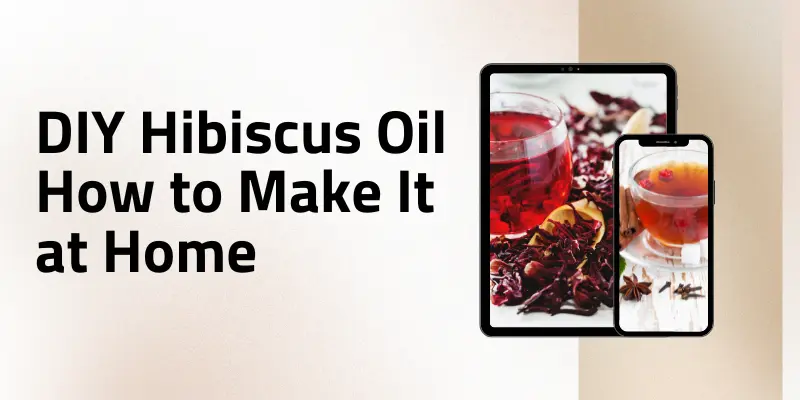
How to Make Hibiscus Oil at Home
DIY hibiscus oil is simple, but cleanliness matters. Any moisture left in flowers or leaves can spoil the oil.
Ingredients
You need:
- 5–8 dried hibiscus flowers
- A few dried hibiscus leaves, if available
- 1 cup coconut, sesame, olive, almond, or jojoba oil
- A clean glass jar or bottle
Method
First, make sure the hibiscus flowers and leaves are fully dry. Crush them gently with your hands.
Warm your carrier oil on low heat. Add the dried hibiscus. Let it infuse on very low heat for 10–15 minutes. Do not burn the flowers or boil the oil.
Turn off the heat and let the oil cool. Strain it into a clean, dry bottle. Store it in a cool, dark place.
Discard the oil if it smells odd, changes texture, or shows signs of contamination.
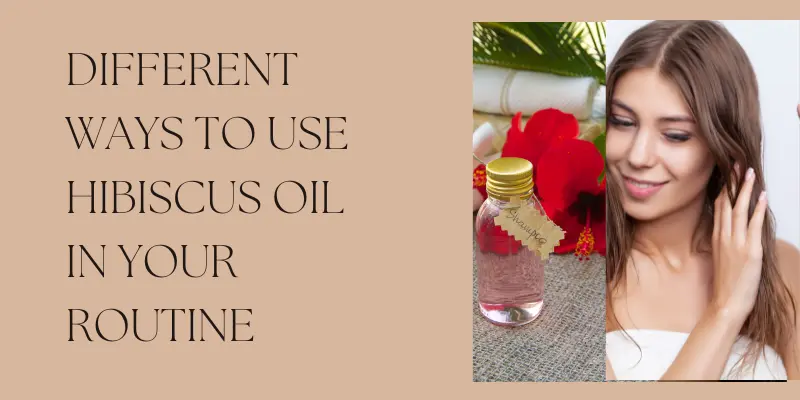
How to Use Hibiscus Oil for Hair
I prefer simple routines because they are easier to follow and less likely to irritate the scalp.
1. Scalp Massage
Apply a small amount of hibiscus oil to your scalp. Massage gently with your fingertips for 3–5 minutes. Do not scratch with your nails.
Leave it on for 30 minutes to 2 hours, then wash it out with a mild shampoo.
2. Pre-Wash Treatment
This is my favorite method for dry or frizzy hair. Apply hibiscus oil to your hair before shampooing. Focus on the mid-lengths and ends if your scalp gets oily.
This can help reduce dryness from washing.
3. Hair Mask Booster
You can add a small amount of hibiscus oil to a hair mask. It works well with aloe vera gel, yogurt, coconut milk, or amla powder.
Use this once a week if your hair feels dry or rough.
4. Ends-Only Oil
If your scalp is sensitive or oily, skip the scalp and apply a tiny amount to the ends only. This may help with dry ends and shine.
Best Hibiscus Oil Combinations
Hibiscus oil can pair well with other natural ingredients. Keep your blends simple.
Hibiscus Oil and Coconut Oil
This blend is good for dry, thick, curly, or coily hair. Coconut oil may feel too heavy for fine hair, so use less if your hair gets greasy quickly.
Hibiscus Oil and Amla
Amla is another popular Ayurvedic hair ingredient. This blend is often used for shine, scalp care, and stronger-looking hair.
Hibiscus Oil and Aloe Vera
Aloe vera feels light and cooling. This combination may help if your scalp feels dry or tight.
Hibiscus Oil and Fenugreek
Fenugreek is often used in traditional hair masks. It can make masks slippery and conditioning, but it may not suit every scalp. Patch-test first.
Additional guidance:
How Often Should You Use Hibiscus Oil?
Most people do not need hibiscus oil every day. Too much oil can cause buildup, greasy roots, or scalp irritation.
Here is a simple guide:
| Hair or Scalp Type | Suggested Use |
|---|---|
| Fine or oily hair | Once every 1–2 weeks |
| Dry hair | 1–2 times per week |
| Curly or coily hair | 1–2 times per week if tolerated |
| Sensitive scalp | Patch-test and use rarely |
| Dandruff-prone scalp | Use carefully and avoid buildup |
| Low-porosity hair | Use a small amount and wash well |
Consistency matters, but overuse does not create faster growth.
What Results Can You Expect?
You may notice softer hair after the first use. Shine and smoothness can improve quickly because oil coats the hair.
Breakage control takes longer. If hibiscus oil helps your hair stay moisturized and easier to detangle, you may notice better length retention after several weeks.
True hair regrowth is different. If your hair is thinning because of genetics, hormones, stress, illness, tight hairstyles, scalp disease, or nutrient deficiency, hibiscus oil alone may not fix the problem.
The American Academy of Dermatology says effective hair-loss treatment starts with finding the cause. A dermatologist can help diagnose the reason behind shedding or thinning.
When Hibiscus Oil May Not Be Enough
Do not wait too long if your hair loss feels unusual. Mayo Clinic notes that patchy hair loss can happen suddenly and may come with itching or pain.
See a dermatologist if you notice:
- Sudden hair loss
- Round bald patches
- Scalp pain
- Redness or swelling
- Pus or sores
- Severe itching
- Heavy dandruff that does not improve
- A widening part
- A receding hairline
- Hair loss after illness, childbirth, or major stress
- Hair shedding that keeps getting worse
Mayo Clinic also explains that some types of hair loss have effective treatments, depending on the cause.
Common Mistakes to Avoid
Avoid using hibiscus oil like a miracle cure. It may support hair health, but it cannot solve every type of hair loss. If you are experiencing ongoing shedding or thinning, it’s helpful to review a hair loss guide for a better understanding and next steps.
Also avoid:
- Applying too much oil
- Leaving oil on for days
- Using it on an infected or wounded scalp
- Skipping a patch test
- Mixing too many ingredients at once
- Using strong essential oils without dilution
- Expecting bald spots to regrow from oil alone
- Ignoring serious hair-loss symptoms
A simple, safe routine is better than an aggressive one.
My Simple Hibiscus Oil Routine
When I use hibiscus oil in a hair-care routine, I keep it light. I apply a small amount before washing, massage gently, and focus on the areas that feel dry.
I do not believe the scalp needs heavy oil every day. For most people, one or two careful uses per week is enough. If the scalp feels itchy, greasy, or irritated, I stop and simplify the routine.
My goal is not to force fast growth. My goal is to support healthier hair, reduce dryness, and prevent breakage where possible.
Conclusion: Is Hibiscus Oil Worth Using?
Hibiscus oil can be a helpful natural option if your hair feels dry, dull, frizzy, or weak. In my experience as a beauty content writer reviewing natural hair-care routines, its best value is in softness, shine, scalp comfort, and breakage support.
I would not call hibiscus oil a proven hair regrowth treatment. The research is interesting, but the current evidence is not strong enough to promise human hair regrowth. That is why I prefer a balanced approach: use hibiscus oil as part of a healthy routine, but do not depend on it for medical hair loss.
If your hair concern is mild dryness or breakage, hibiscus oil may be worth trying. If your hair loss is sudden, patchy, painful, or getting worse, professional help is the smarter choice.
Natural hair care works best when it is honest, gentle,
Frequently Asked Questions About Hibiscus Oil for Hair Growth
Yes! Hibiscus oil supports hair growth by nourishing hair follicles and improving blood circulation in the scalp. It’s rich vitamins, antioxidants, and amino acids strengthen the roots and promote healthier strands. Regular scalp massages with hibiscus oil stimulate growth and reduce hair fall over time. It also helps maintain the hair’s natural thickness and shine. Combining it with other hair-friendly oils can further boost growth.
Hibiscus oil is generally safe, but some people may experience mild irritation or an allergic reaction. Always perform a patch test on a small area of your skin before applying it all over your scalp. Look out for redness, itching, or swelling, and stop using it immediately if these occur. People with very sensitive skin should mix hibiscus oil with a milder carrier oil. Most users experience no side effects and find it gentle and nourishing.
Several oils are highly effective for hair growth, including castor oil, coconut oil, hibiscus oil, and rosemary oil. They nourish the scalp, strengthen strands, and help reduce breakage and hair fall naturally. Regular application improves hair thickness, shine, and overall health. Combining multiple oils in a hair blend can provide a synergistic effect, enhancing both growth and scalp nourishment. Consistent care is key to seeing results.
For the best results, apply hibiscus oil 2–3 times a week. Massaging it into the scalp improves blood circulation, strengthens roots, and promotes healthier hair growth. Over time, regular use can improve hair texture, boost volume, and reduce breakage. Consistency is more important than quantity small amounts used regularly are more effective than heavy, infrequent applications. Pairing it with warm oil treatments can enhance absorption.
Absolutely! Hibiscus oil has natural antifungal and anti-inflammatory properties that help calm the scalp and reduce itchiness. Massaging the oil also helps loosen and remove flakes, leaving the scalp cleaner and healthier. Regular use can control mild dandruff and prevent it from recurring. It’s a gentle alternative to chemical treatments, making it safe for long-term scalp care. Pairing it with a mild shampoo ensures a balanced scalp environment.
Yes! Hibiscus oil deeply moisturizes dry strands and tames frizz naturally. Its conditioning properties make hair soft, smooth, and shiny without feeling greasy. Regular use improves manageability, reduces tangles, and restores hair’s natural luster. It works well for all hair types, especially coarse or brittle hair, and can be combined with other nourishing oils for enhanced results.
Yes! Mixing hibiscus oil with oils like amla, coconut, or castor oil can increase its benefits. These blends provide additional nourishment, strengthen hair, and promote shine. Using a combination allows you to target specific concerns such as dryness, breakage, or slow growth. Warm oil treatments enhance absorption and improve overall hair health. Experimenting with small batches helps you find the perfect mix for your hair type.
Yes, hibiscus oil is gentle, chemical-free, and safe for dyed hair. It won’t strip hair color or fade vibrancy. Instead, it helps maintain softness, moisture, and manageability, protecting color-treated hair from dryness and damage. Regular application keeps colored hair healthy while enhancing natural shine. It’s a safe addition to your post-color hair care routine.
With consistent use, most people notice softer, healthier hair and reduced shedding within 6–8 weeks. Hair may gradually become thicker, shinier, and easier to manage over time. Patience and regular application are key, as natural oils work slowly but effectively. Combining hibiscus oil with good nutrition and gentle hair care practices can accelerate results. Long-term use ensures sustained hair health and growth.

- Be Respectful
- Stay Relevant
- Stay Positive
- True Feedback
- Encourage Discussion
- Avoid Spamming
- No Fake News
- Don't Copy-Paste
- No Personal Attacks
- Be Respectful
- Stay Relevant
- Stay Positive
- True Feedback
- Encourage Discussion
- Avoid Spamming
- No Fake News
- Don't Copy-Paste
- No Personal Attacks
