Transform Your Dry Scalp Treatment: Proven Solutions That Work
Published: 25 Jun 2025
A dry scalp is a common condition that can cause persistent itching, tightness, and small white flakes, making everyday activities uncomfortable and sometimes embarrassing. While it can be frustrating, most cases improve with the right combination of gentle hair care, moisturizing ingredients, and healthy daily habits.
Many people assume they need expensive treatments to find relief, but mild dry scalp can often be managed at home with consistent care. Choosing a sulfate-free shampoo, using moisturizing oils or scalp-safe conditioners, staying hydrated, and protecting your scalp from harsh weather can all help restore moisture and reduce irritation over time.
This guide explains the common causes of a dry scalp, how to tell it apart from dandruff, and the science-backed home treatments that may help relieve dryness and support a healthier scalp. It also covers when it’s time to seek advice from a dermatologist if symptoms persist or worsen.
Signs You’re Dealing with a Dry Scalp
It’s easy to confuse a dry scalp with dandruff, but they are different conditions that require different care. A dry scalp develops when the skin loses too much moisture, leading to itching, tightness, and small, dry white flakes that fall from the scalp when you scratch or brush your hair. Some people may also notice mild burning, sensitivity, or a tight feeling after washing their hair or spending time in the sun.
Dandruff, on the other hand, is usually linked to excess oil and an overgrowth of a naturally occurring yeast called Malassezia. It often causes larger, yellowish or oily flakes that cling to the scalp and hair. You may also experience persistent itching, redness, or irritation. In some cases, dry scalp and dandruff can occur at the same time, so identifying the underlying cause is important for choosing the most effective treatment.
Dry Scalp vs. Dandruff
| Feature | Dry Scalp | Dandruff |
|---|---|---|
| Flake Type | Small, white, dry flakes | Larger, yellowish or oily flakes |
| Scalp Condition | Dry, tight, and itchy | Oily, itchy, sometimes red or inflamed |
| Common Causes | Dry skin, cold weather, harsh shampoos, over-washing | Malassezia yeast, excess oil, sensitivity to hair products |
| Common Triggers | Low humidity, dehydration, hot showers | Excess oil, product buildup, scalp irritation |
| Hair Type | Can affect any hair type | Can affect any hair type, often with an oily scalp |
For example, if you live in a cold climate, use a harsh shampoo every day, and notice small, dry flakes with a tight, itchy scalp, dryness is the more likely cause. If your scalp is oily and you have larger flakes that stick to your hair, especially around the hairline or behind the ears, dandruff may be more likely.
The next step is identifying what’s causing your dry scalp so you can choose the most effective treatment and prevent the problem from returning.
What Causes a Dry Scalp?
A dry scalp can develop for several reasons, including everyday habits, environmental conditions, and the hair care products you use. Many of these factors are common across the United States, where seasonal weather changes and indoor heating can reduce moisture in both the air and your skin.
One of the most common causes is exposure to harsh weather. Cold temperatures, dry winds, and low humidity can strip moisture from your scalp, leaving it feeling tight, itchy, and flaky. During winter, indoor heating systems often make the air even drier, which can worsen scalp dryness.
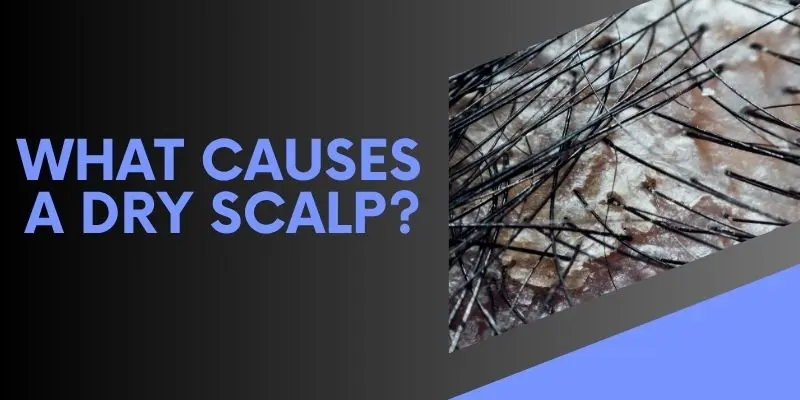
Another common cause is using shampoos that contain sulfates or other harsh cleansing ingredients. These products can remove too much of the scalp’s natural oil, weakening its protective barrier. Washing your hair too frequently may have a similar effect by stripping away the oils needed to keep your scalp hydrated. If your scalp feels tight, dry, or itchy after washing your hair, your shampoo or washing routine may be contributing to the problem
U.S.-Specific Triggers Behind a Dry Scalp
In some parts of the United States, hard water may contribute to scalp dryness. Water that contains high levels of calcium and magnesium can leave mineral deposits on the hair and scalp, making it feel drier and reducing the effectiveness of moisturizing products. Areas such as Las Vegas, Phoenix, and parts of California are known for having particularly hard water. Frequent swimming in chlorinated pools may also strip away natural oils and weaken the scalp’s protective barrier.
Your daily habits can also play a role. Not drinking enough water or eating too few healthy fats may contribute to dry skin, including the scalp. In addition, ongoing stress can affect the skin’s natural barrier and may make dryness or irritation worse for some people.
Choose the Right Shampoo and Conditioner
If you’re treating a dry scalp at home, your hair care routine starts in the shower. Many people don’t realize that their shampoo may be contributing to scalp dryness. Shampoos that contain sulfates are effective at removing oil and buildup, but they can also strip away too much of the scalp’s natural moisture, especially if you have dry or sensitive skin. Choosing a gentle, pH-balanced, sulfate-free shampoo may help maintain your scalp’s natural moisture barrier and reduce irritation. If you have a shaved head, these Hair Care Tips for Bald Men can help you build a complete scalp care routine.
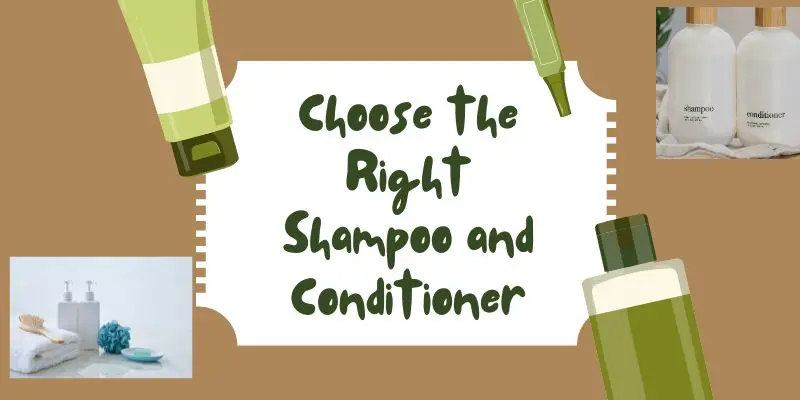
Your conditioner is just as important as your shampoo. Instead of choosing a product that only smooths your hair, look for one that contains moisturizing ingredients such as aloe vera, jojoba oil, or coconut oil. These ingredients help reduce moisture loss, soothe irritation, and support a healthier scalp while leaving your hair soft and manageable.
Best Shampoo Ingredients for Dry Scalp
| Ingredient | How It May Help | Why It Works |
|---|---|---|
| Tea Tree Oil | Helps reduce itching and flakes associated with dandruff | Has antifungal properties that may help control Malassezia |
| Salicylic Acid | Removes dead skin cells and product buildup | Gently exfoliates the scalp |
| Aloe Vera | Soothes irritation and provides lightweight hydration | Helps calm the skin and support moisture retention |
| Jojoba Oil | Helps moisturize the scalp | Closely resembles the skin’s natural oils |
| Coconut Oil | Supports the scalp’s protective barrier | Rich in fatty acids that help reduce moisture loss |
Choosing products with these ingredients can help support a healthier scalp and improve moisture retention over time. Stick with gentle, hydrating formulas and avoid shampoos labeled “clarifying” or “deep cleansing” if your scalp is already dry or sensitive, as they may remove too much natural oil.
Nourish with Natural Oils
Natural oils can be a helpful way to moisturize a dry scalp at home. They help reduce moisture loss, support the skin’s natural barrier, and may relieve itching caused by dryness. Unlike some harsher hair care products, natural oils are generally gentle on the scalp when used correctly. If you live in a cold or dry climate, indoor heating and low humidity can cause your scalp to lose moisture more quickly, making regular oil treatments a useful addition to your hair care routine.
The good news is that you don’t need expensive products. Coconut oil, jojoba oil, and avocado oil are all popular choices for improving scalp hydration. Warm the oil slightly, not hot, before applying it to your scalp. Gently massage it in, leave it on for 30 minutes or longer if tolerated, then wash it out with a mild shampoo. If you’re looking for more product recommendations, explore our guide to the Best Moisturizers and Oils for Bald Men to find options that support long-lasting scalp hydration.
Science-Backed Oils That Soothe Dry Scalp
Coconut oil is rich in fatty acids that help reduce moisture loss and support the scalp’s natural protective barrier. It may also help reduce protein loss in the hair. Jojoba oil closely resembles the skin’s natural sebum, making it a lightweight moisturizer that absorbs easily without leaving a greasy residue. Avocado oil contains vitamin E and healthy fats that help moisturize dry skin and support the skin barrier.
Tea tree oil is another popular option because of its natural antifungal properties. Research suggests it may help reduce the growth of Malassezia, the yeast commonly associated with dandruff, and may also relieve itching in some people. Because tea tree oil is highly concentrated, always dilute it with a carrier oil, such as coconut, olive, or almond oil, before applying it to your scalp.
When used as part of a consistent hair care routine, these oils may help improve scalp hydration and reduce dryness-related discomfort.
Natural oils are helpful, but they aren’t the only home remedy worth trying. Homemade scalp masks can provide additional moisture and soothe irritation, especially when made with ingredients such as yogurt, honey, or aloe vera. If you’d like more recipes and application tips, explore our guide to DIY Scalp Exfoliation and Masks for Bald Men before trying the masks below.
Try DIY Scalp Masks at Home
Homemade scalp masks can be a simple way to add extra moisture to a dry scalp. A popular combination is yogurt and honey. Yogurt contains lactic acid, which may gently exfoliate the scalp, while honey helps attract and retain moisture, leaving the scalp feeling softer.

Another option is a banana and olive oil mask. Mashed banana creates a smooth, moisturizing base, while olive oil helps reduce moisture loss and supports the scalp’s natural barrier. You can also combine aloe vera gel with a few drops of diluted tea tree oil to help soothe irritation. Because tea tree oil is highly concentrated, always mix it with a carrier oil before applying it to your scalp.
Effective DIY Masks for Dry Scalp Relief
To make a simple moisturizing mask, mix 2 tablespoons of plain yogurt with 1 tablespoon of honey. Apply it evenly to your scalp, leave it on for about 20 minutes, then rinse thoroughly with lukewarm water and a gentle shampoo if needed. This easy treatment is inexpensive and may help improve scalp hydration.
Using DIY scalp masks once or twice a week may help keep your scalp moisturized as part of a consistent hair care routine. If you’d like more homemade recipes and exfoliation techniques,
Hydrate from the Inside Out
Treating a dry scalp at home isn’t just about the products you apply; your overall health and hydration also play a role. Staying well hydrated supports healthy skin, including your scalp. Although dehydration isn’t always the direct cause of a dry scalp, it may contribute to dryness in some people, particularly in hot or low-humidity climates.
Hydration is only part of the picture. A balanced diet that includes omega-3 fatty acids and vitamins A and E helps support healthy skin and the scalp’s natural protective barrier. These nutrients are best obtained from a variety of whole foods unless a healthcare professional recommends supplements.
Nutrients Your Scalp Needs
Foods rich in healthy fats, such as salmon, walnuts, chia seeds, and avocados, can support overall skin health. Fruits and vegetables like carrots, sweet potatoes, cucumbers, and watermelon provide important vitamins, minerals, and water that contribute to healthy skin.
Drinking enough water and following a balanced diet work best alongside a gentle hair care routine and moisturizing scalp products. Together, these habits can help maintain healthy moisture levels and support long-term scalp health.
Cut Back on Harmful Hair Habits
If you’re treating a dry scalp at home, your daily hair care routine could be making the problem worse without you realizing it. Frequent heat styling, rough brushing, and washing your hair too often can strip away the scalp’s natural oils, making it feel drier, more sensitive, and prone to flaking. If your hair is frequently exposed to heat, using argan oil as part of your routine may help reduce moisture loss and improve softness.
Frequent use of flat irons, curling wands, and hot blow dryers can dry out both your hair and scalp, especially without a heat protectant. Rubbing your hair vigorously with a rough towel may also irritate the scalp. In addition, tight hairstyles can place unnecessary stress on the scalp and contribute to irritation or hair breakage. Over time, these habits may make dryness and discomfort worse.
How to Break Scalp-Damaging Habits
Whenever possible, let your hair air-dry instead of using high heat. Use a wide-tooth comb to detangle wet hair gently, and limit heat styling to when it’s truly needed. For many people with a dry or sensitive scalp, washing the hair two or three times a week with a gentle shampoo is enough, although individual needs vary depending on hair type and activity level.
Making these small adjustments to your routine can help restore your scalp’s natural moisture balance and may reduce dryness, flaking, and irritation over time.
Protect Your Scalp from Environmental Damage
Even if you’re using the right products, your dry scalp may not improve unless you also protect it from environmental factors. Weather, pollution, and UV exposure can all contribute to scalp dryness by increasing moisture loss. In colder U.S. cities such as Chicago or Denver, low humidity and indoor heating can make the scalp lose moisture more quickly. During summer, prolonged sun exposure may cause sunburn, peeling, and increased dryness. If you have a shaved or bald head, following Sun Protection Tips for a Bald Head can help reduce sun damage and moisture loss.
Pollution, dust, and other airborne particles can build up on the scalp throughout the day. In large cities such as Los Angeles or New York, long-term exposure to air pollution may contribute to irritation and affect the skin’s natural protective barrier. Combined with dry weather, these factors can make a dry scalp feel even more uncomfortable.
Simple Ways to Shield Your Scalp Every Day
Help protect your scalp by wearing a hat or scarf when spending time outdoors. Choose breathable fabrics during warmer months and warmer materials in winter to reduce exposure to harsh weather. If you spend a lot of time outside, consider using hair or scalp products that provide UV protection. At the end of the day, rinse your scalp with lukewarm water to remove dust, pollution, and product buildup without stripping away natural oils.
These simple habits can help reduce moisture loss, support the scalp’s natural barrier, and make it easier to maintain a healthier, more comfortable scalp.
Stress is another factor that may affect scalp health. The next section explains how stress and hormonal changes can contribute to dryness and irritation.
Address Stress and Hormonal Imbalances
Stress may play a role in scalp health, although it isn’t always the direct cause of a dry scalp. Chronic stress can influence hormone levels and the body’s inflammatory response, which may affect the scalp’s natural oil production in some people. When the scalp produces less oil, it may become drier, tighter, and more prone to flaking.
Hormonal changes during pregnancy, menopause, or thyroid disorders may also influence scalp health and moisture levels. While these changes don’t always lead to a dry scalp, they can make some people more likely to experience dryness or irritation.
Managing Stress for Better Scalp Health
Supporting your overall well-being can also benefit your scalp. Regular physical activity, relaxation techniques, adequate sleep, proper hydration, and a balanced diet all contribute to healthy skin. Taking short breaks, practicing deep breathing, or going for a walk may also help reduce everyday stress.
Although stress management alone won’t treat every case of dry scalp, combining healthy lifestyle habits with gentle scalp care may improve comfort and support long-term scalp health.
Exfoliate Gently to Remove Flakes
If you’re struggling with white flakes that keep returning, gentle scalp exfoliation may help. Exfoliation removes dead skin cells, excess oil, and product buildup that can collect on the scalp and make flakes more noticeable. The key is to be gentle—scrubbing too hard can irritate the skin and make dryness worse.
In the U.S., many people regularly use dry shampoo, leave-in conditioners, and styling products. Over time, these products can build up on the scalp, leaving it feeling less clean and making flakes more noticeable, especially when combined with dry skin.
Safe Ways to Exfoliate a Dry Scalp
Gentle scalp exfoliants containing ingredients such as salicylic acid or mild enzymes may help remove dead skin cells without causing excessive irritation. If you prefer a homemade option, mix a small amount of brown sugar with olive oil and gently massage it into your scalp for one to two minutes before rinsing with a mild shampoo. Avoid scrubbing aggressively, especially if your scalp is already irritated.
Exfoliating once a week is enough for most people with a dry scalp. When done gently, it may help remove loose flakes, improve the effectiveness of moisturizing products, and support a cleaner, healthier scalp over time.
Try Natural Remedies Backed by Science
Natural remedies may help relieve mild dry scalp symptoms when used alongside a gentle hair care routine. While research is still limited for some ingredients, several have shown promising results for supporting scalp health. They may help soothe irritation, improve moisture retention, and reduce visible flakes in some people.
Aloe vera is one of the most widely used natural remedies. It contains compounds that may help soothe irritated skin, improve moisture retention, and provide a cooling sensation. Tea tree oil is another popular option because of its natural antifungal properties. When properly diluted with a carrier oil, it may help reduce itching and limit the growth of Malassezia, the yeast commonly associated with dandruff.
Science-Backed Natural Ingredients for Dry Scalp
Some people also use diluted apple cider vinegar as a scalp rinse to help remove product buildup, although scientific evidence supporting this use is limited. Coconut oil helps reduce moisture loss and supports the scalp’s natural protective barrier. Yogurt, when used as a homemade mask, may provide light exfoliation and temporary moisture because of its lactic acid content.
These natural remedies are generally affordable and easy to include in a weekly hair care routine. Although they may not work for everyone, they can help improve scalp comfort when combined with proper hydration, gentle hair care products, and healthy lifestyle habits.
Know When to See a Dermatologist
Sometimes home remedies aren’t enough. If your symptoms don’t improve after several weeks of consistent care, or if they become worse, it’s a good idea to see a dermatologist. Conditions such as scalp psoriasis, seborrheic dermatitis, eczema, or fungal infections can resemble a dry scalp but may require medical treatment.
Seek medical advice if you notice cracked or bleeding skin, severe redness, thick yellow flakes, persistent pain, or significant hair shedding. These symptoms may indicate an underlying scalp condition that requires a professional evaluation.
When Home Remedies Aren’t Enough
A board-certified dermatologist can identify the underlying cause of your symptoms and recommend the most appropriate treatment, which may include medicated shampoos, prescription creams, or other therapies. Seeking medical advice early can help prevent symptoms from becoming more difficult to manage.
Natural remedies, gentle hair care products, and healthy lifestyle habits work well for many people with mild dry scalp. However, if your symptoms persist or worsen, professional medical care is the most appropriate next step.
Conclusion
Treating a dry scalp at home doesn’t have to be complicated or expensive. In many cases, small, consistent changes to your daily routine can help improve scalp comfort over time. Choosing a gentle shampoo, using moisturizing ingredients when appropriate, staying hydrated, and protecting your scalp from environmental damage all play a role in maintaining healthy skin.
Natural remedies such as coconut oil, jojoba oil, and aloe vera may also help support scalp hydration when used alongside a balanced hair care routine. While results vary from person to person, consistency is often more important than trying multiple products at once.
If your symptoms don’t improve after several weeks or become more severe, it’s important to consult a dermatologist to rule out an underlying skin condition. With the right combination of daily care and professional advice when needed, most people can manage a dry scalp successfully and maintain healthier scalp skin over time.
FAQs
You can hydrate your dry scalp by massaging it with natural oils like coconut, olive, or jojoba oil. Use a gentle, sulfate-free shampoo and avoid hot water when washing. Drinking plenty of water and eating omega-3-rich foods also helps. Regular care keeps your scalp soft and healthy.
Treat an extremely dry scalp by using deep moisturizing oils like coconut or argan oil and leaving them on for at least 30 minutes before washing. Switch to a mild, hydrating shampoo and avoid harsh chemicals. Exfoliate gently once a week to remove flakes, and keep yourself well-hydrated.
Coconut oil is one of the best natural moisturizers for a dry scalp. It deeply hydrates, soothes itching, and helps restore your scalp’s natural balance.
You can apply natural oils like coconut, olive, or jojoba oil. Aloe vera gel is also great for calming irritation and adding moisture.
Mix equal parts coconut oil and aloe vera gel. You can also add a few drops of tea tree oil for extra scalp-soothing benefits.




- Be Respectful
- Stay Relevant
- Stay Positive
- True Feedback
- Encourage Discussion
- Avoid Spamming
- No Fake News
- Don't Copy-Paste
- No Personal Attacks
- Be Respectful
- Stay Relevant
- Stay Positive
- True Feedback
- Encourage Discussion
- Avoid Spamming
- No Fake News
- Don't Copy-Paste
- No Personal Attacks
