Hair Steaming Benefits: What It Does and How to Use It Safely
Published: 24 Jun 2025
Hair Steaming Benefits can be helpful when my hair feels dry, frizzy, brittle, and hard to detangle. I know how frustrating it feels when a deep conditioner seems to sit on top of the hair instead of making it soft. That is why I use hair steaming as a moisture-support step when my hair needs extra help.
Hair steaming is not a magic cure, and it will not grow hair overnight. But when I use it the right way, it can support moisture absorption, product absorption, frizz control, and easier detangling. It works best when I match the steaming method to my hair type and avoid overdoing it.
What Is Hair Steaming?
Hair steaming is a warm moisture treatment for the hair and scalp. I usually use it with a deep conditioner, hair mask, or light oil.
The goal is simple. Steam adds moisture and warmth while the treatment sits on the hair. This can help dry, brittle hair feel softer.
Hair steaming at home can be done with a hair steamer, a hot towel method, or shower steam. The method matters less than safety, timing, and using the right product for your hair type.
How Does Hair Steaming Work?
Hair steaming works by using heat and moisture together. The steam makes hair feel softer and helps products spread through the hair more easily.
Hair is a fiber that can absorb water. Cosmetic science reviews note that water absorption can make the hair shaft swell, which is one reason wet hair behaves differently from dry hair. This is also why too much moisture or rough handling can be a problem.
I do not think of steam as “opening the hair” like a door. I think of it as a warm, moist setting that helps my deep conditioner work better.
Main Hair Steaming Benefits
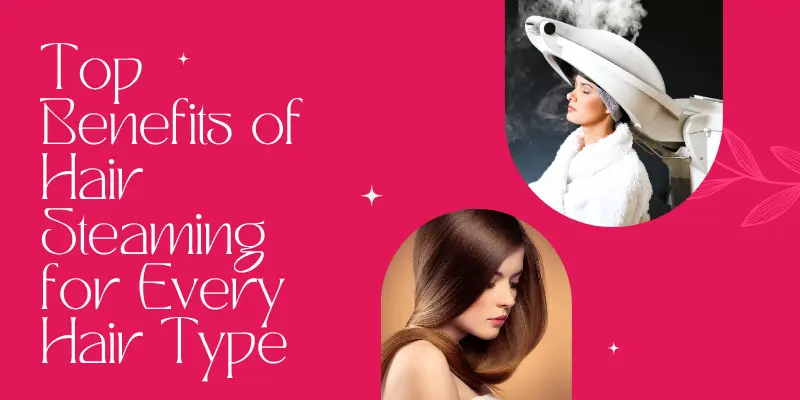
Hair steaming can help dry hair feel softer and easier to manage.
It uses warm moisture to support deep hydration and product absorption.
It may help reduce frizz, tangles, and breakage from rough detangling. Following a hair detangling guide can further help minimize damage and make detangling easier.
It can also support scalp comfort if dryness is the issue.
But it does not guarantee hair growth or cure scalp conditions.
9 Hair Steaming Benefits for Softer, Healthier-Looking Hair
Hair steaming can help dry hair feel softer and look smoother. I like it because it gives my hair a fresh, moist feel without making it heavy.
1. Deep hydration
The biggest benefit is deep hydration. When my hair feels dry, steam helps my conditioner spread better and makes my strands feel softer.
2. Better moisture retention
Hair steaming may help hair hold moisture longer when I use the right conditioner after shampooing. It works best when I rinse well and seal with a light leave-in if needed.
3. Better product absorption
Product absorption is one reason many people love steam. I notice this most with hair masks and deep conditioning hair masks
4. Softer hair
After steaming, my hair often feels smoother. This makes wash day less stressful.
5. Frizz control
Steam can help frizz when dryness is the cause. It does not “erase” frizz forever, but it can make hair easier to style.
6. Easier detangling
Soft hair is easier to detangle. This helps reduce breakage from pulling, snapping, or rough combing.
7. Better elasticity
Elasticity means hair can stretch a little and return without breaking. Steam plus conditioner may help hair feel more flexible when dryness is the issue.
8. Breakage reduction
Hair steaming does not repair split ends. But it may help reduce breakage by making hair softer and easier to handle.
9. Support for curls, kinks, and coils
Curls, kinks, and coils often need extra moisture and slip. Hair steaming for curly hair and natural hair can be useful because it supports moisture absorption and detangling.
Hair Steaming for Hair Growth: What Is Realistic?
The science behind steaming and hair growth needs careful wording. I do not use steam as a direct hair growth treatment. Hair Growth Tips
Hair grows from follicles in the scalp. Cleveland Clinic explains that hair growth happens in phases, including the anagen growth phase, and hair commonly grows about 1 centimeter per month.
So, hair steaming for hair growth is more about support. It may help scalp comfort. It may reduce breakage. It may help length retention. But it does not force follicles to grow faster.
If someone has sudden hair loss, patchy hair loss, or scalp pain, steam is not the answer. AAD says effective hair loss treatment starts with finding the cause. For more information, refer to a hair loss guide and seek professional advice when needed.
Hair Concern Levels
Before I steam, I check what my hair and scalp are telling me. This helps me avoid doing too much.
Level 1: Normal dryness, frizz, or dullness
This is where hair steaming benefits are usually most helpful. My hair may feel rough, tangled, or dry. A simple steam treatment with conditioner can work well.
Level 2: Dry and brittle hair, breakage, or buildup
This level needs more care. I use lighter products and shorter steam time. I also make sure I shampoo my scalp well before steaming.
Level 3: Red flags
I do not steam if I have scalp burns, swelling, pus, bleeding, severe itching, sudden patchy hair loss, or signs of infection. AAD lists symptoms such as intense itching, burning, tenderness, pus, sores, and scaly bald patches as signs that may need medical care.
Hair Steaming by Hair Type
| Hair type | How often to steam | Best pairing |
|---|---|---|
| Dry hair | Once weekly | Moisturizing mask |
| Curly or coily hair | Weekly or every 10 days | Deep conditioner |
| Low-porosity hair | Every 10–14 days | Lightweight conditioner |
| Damaged hair | Weekly or biweekly | Moisture + repair mask |
| Fine hair | Every 2–4 weeks | Light conditioner |
| Oily scalp | Every 2–4 weeks | Avoid heavy oils |
| Color-treated hair | Every 2–4 weeks | Color-safe conditioner |
| Sensitive scalp | Start rarely | Short, gentle sessions |
Hair steaming for low-porosity hair can be helpful because this hair type often feels like products sit on top. For high porosity hair or damaged hair, I avoid overdoing steam because the hair may already absorb moisture quickly.
How Often Should You Steam Your Hair?
I match frequency to my hair type. Dry, curly, coily, and natural hair may handle steaming once a week or every 10 days.
Fine hair and oily scalp types usually need less. Every 2–4 weeks may be enough.
Sensitive scalps need extra caution. I start with 5–10 minutes and watch how my scalp feels.
Over-steaming can make hair feel limp, mushy, weak, greasy, or coated. More steam is not always better.
How to Steam Hair at Home Safely
Here is my simple at-home steaming method.
- I shampoo my scalp first.
- I apply a deep conditioner, hair mask, or light oil.
- I section my hair.
- I use a hair steamer, hot towel method, or shower steam.
- I steam for 10–20 minutes.
- I rinse with lukewarm or cool water.
- I apply leave-in conditioner if needed.
- I dry gently with a microfiber towel.
AAD recommends shampooing the scalp instead of focusing shampoo on the full hair length. It also recommends conditioner after washing because conditioner can improve shine, reduce static, and help protect hair.
Hair Steamer Method vs Hot Towel Method
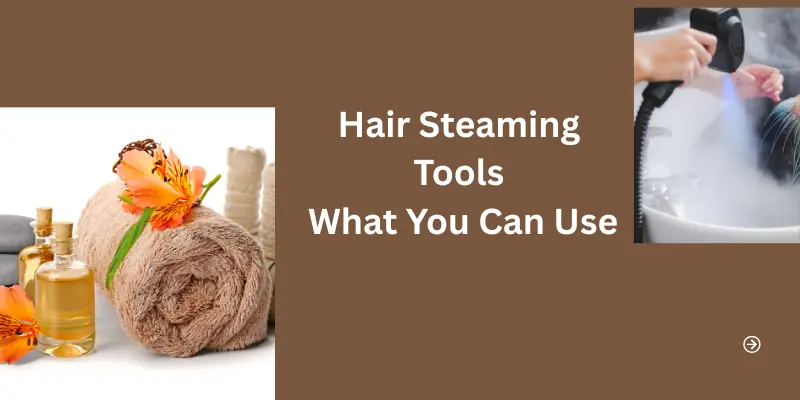
Both methods add warmth and moisture, but they work in different ways. A hair steamer gives steady steam, while a hot towel is a quick at-home option.
Hair steamer method
A hair steamer gives steady steam. I like this method when I want a salon-style treatment at home. It works well for low-porosity hair, dry hair, curl type, kinks, and coils.
Hot towel method
The hot towel method is simple and low-cost. I dip a towel in warm water, squeeze it well, wrap it around my hair, and cover it with a shower cap. I make sure it is warm, not burning hot.
Shower steam method
This is the easiest option. I apply conditioner and let the shower steam help for a few minutes. It is not as strong as a steamer, but it works for quick moisture support.
Hair steaming with deep conditioner
This is my favorite method. Steam plus deep conditioner gives the best softness and slip.
Hair steaming with oil
Hair steaming with oil can work for dry ends. But I avoid heavy oils on my scalp, especially if my roots get greasy.
What I Do and What I Avoid
Before steaming, I cleanse my scalp and choose one main product. I do not mix five treatments at once.
During steaming, I keep the steam warm and comfortable. I never sit under a steam that feels too hot.
After steaming, I rinse well. I add leave-in conditioner only if my hair needs it.
I avoid steaming if my hair feels weak or mushy. I also avoid oils if my scalp feels irritated. If my hair is fine or oily, I use less product and steam less often.
Where the Hair Problem Shows Up and What It May Mean
The place where your hair feels rough can tell you a lot. Dry ends, an itchy scalp, and breakage near the hairline often need different care.
Dry ends
Dry ends often need conditioner, masks, and gentle handling. Steam can help soften them.
Frizzy lengths
Frizz may come from dryness, damage, or humidity. Steam can help when dryness is the main issue.
Low-porosity hair that rejects products
This hair may feel like conditioner just sits on top. Warm moisture can help products spread better.
Curls, kinks, and coils that feel dry
Curly and coily hair often needs more moisture and slip. Steaming can support that routine.
Itchy or tight scalp
This may be dryness, buildup, or irritation. I keep steam short and simple.
Dandruff-like dryness
If flakes are mild and dry, moisture may help comfort. But real dandruff may need medicated care. NHS says to see a GP if dandruff is bad, the scalp is very itchy, red, swollen, or if symptoms do not improve after using anti-dandruff shampoo for a month.
Scalp pain or irritation
I stop steaming if the scalp hurts, burns, or swells.
When NOT to Google: Stop Steaming and Get Help
I like home hair care, but I do not use steam for every problem.
Stop steaming and get help if you notice scalp burns, severe itching, burning, swelling, pus, bleeding, oozing, sudden patchy hair loss, scaly bald patches, or signs of infection.
Home steaming is not the answer for these signs. It can make irritation worse if the scalp already has a medical issue.
Disadvantages of Hair Steaming
Hair steaming has benefits, but it also has limits.
The main disadvantages of hair steaming include over-moisturizing, limp hair, weak or mushy strands, product buildup, oily roots, scalp irritation, and burns from hot steam.
Color-treated hair may also need care. Too much heat, water, or harsh cleansing can affect color freshness. I use color-safe products and steam less often when my hair is dyed.
Hair steaming is not suitable for every scalp condition. If my scalp feels inflamed, I skip it.
Common Hair Steaming Mistakes I Avoid
I avoid steaming too often. I also avoid steam that feels too hot.
I do not skip conditioner or mask because steam works best with a treatment product. I avoid using too much oil because it can leave buildup.
I do not steam for too long. For me, 10–20 minutes is enough.
I avoid protein treatments every time. Too much protein can make some hair feel stiff.
I also avoid expecting hair growth overnight. That is not how hair works.
Common Misconceptions About Hair Steaming
A lot of people think steaming fixes every hair problem fast. That is not true, and I like to keep my results real and simple.
Myth 1: Hair steaming grows hair overnight
No. Steam can help with moisture and manageability. It does not grow inches overnight.
Myth 2: Steam replaces conditioner
No. Steam supports a conditioner. It does not replace it.
Myth 3: The hotter the steam, the better
No. Hot steam can burn or irritate the scalp.
Myth 4: Everyone should steam weekly
No. Fine hair and oily scalp types may need less.
Myth 5: Hair steaming is only for curly hair
No. Many hair types can use steam. The timing and product choice should change.
Myth 6: Oils work better if I use more
No. Too much oil can block moisture, weigh hair down, and cause buildup.
Myth 7: Steam cures dandruff or hair loss
No. Steam may soothe a dry scalp, but it does not cure dandruff or medical hair loss.
Recovery Timeline and Long-Term Benefits
Hair steaming does not give magic results in one day. But with regular use, I notice softer hair, easier detangling, and better moisture over time.
Same day
Hair may feel softer, smoother, and easier to detangle.
1–2 weeks
If I steam safely and use the right conditioner, my hair may feel more moisturized.
4–6 weeks
With gentle care, I may notice less breakage and better manageability.
Long term
The long-term benefits are usually better moisture habits, less roughness, less breakage from detangling, and better length retention.
If I ignore over-steaming, my hair can feel weak, limp, or coated. If I ignore scalp irritation, the problem may get worse.
Sample Steaming Schedule
Here is a simple schedule I would use.
| Hair need | Steaming schedule |
|---|---|
| Dry hair | Once weekly |
| Curly or coily hair | Weekly or every 10 days |
| Low-porosity hair | Every 10–14 days |
| Fine hair | Every 2–4 weeks |
| Oily scalp | Every 2–4 weeks |
| Sensitive scalp | 5–10 minutes, less often |
| Damaged hair | Weekly or biweekly if tolerated |
| Color-treated hair | Every 2–4 weeks |
I also do a monthly check-in. I look at breakage, scalp comfort, frizz, and product buildup.
Submit Your Story
Have you tried hair steaming at home? I would love to hear what happened.
Share your hair type, scalp type, and hair porosity if you know it. Tell me which method you used: hair steamer method, hot towel method, or shower steam.
Also, share the product you used, how long you steamed, and your results after 4 weeks. Your story can help another reader choose a safer routine.
Conclusion
Hair Steaming Benefits are strongest when I use steam for moisture, product absorption, frizz control, and breakage reduction. It works best as part of a gentle routine, not as a quick fix or miracle hair growth method.
I get the best results when I match steaming to my hair type. Dry, curly, coily, and low-porosity hair may enjoy it more often. Fine, oily, sensitive, or irritated scalps need less. Safe steaming should leave hair softer, not weaker.
How This Article Was Created
I created this article using practical haircare experience, cosmetic haircare principles, and trusted medical references where needed. I used sources such as the American Academy of Dermatology, Cleveland Clinic, NHS, and peer-reviewed cosmetic science information.
This article is for educational purposes only. It does not replace medical advice, diagnosis, or treatment. If you have sudden hair loss, scalp pain, swelling, pus, bleeding, burns, or severe irritation, please speak with a qualified healthcare professional.
FAQs,
You can steam your hair at home by wrapping damp, conditioned hair with a hot towel. Cover it with a shower cap to trap heat and leave it on for 20–30 minutes. The warmth opens up the hair cuticles, allowing moisture and nutrients from conditioners or oils to penetrate deeply. This method is simple, cost-effective, and doesn’t require a professional steamer. Regular steaming helps maintain softness, shine, and manageability over time.
Yes! Steaming hydrates hair, making it softer, smoother, and shinier. It also helps deep conditioners and oils absorb more effectively. The warm steam increases scalp circulation, promoting healthier hair growth. Over time, consistent steaming can improve hair elasticity, reduce frizz, and prevent dryness. It’s a gentle, natural way to nourish both your hair and scalp.
If you don’t have a hair steamer, you can use the hot towel method or sit in a steamy shower after applying a deep conditioner. Both techniques help open hair cuticles, allowing treatments to penetrate better. They are quick, affordable, and easy to do in your bathroom. Using these methods regularly can replicate salon-like hydration without expensive tools.
You can mix natural ingredients such as aloe vera, honey, coconut milk, yogurt, or oils with your conditioner before steaming. These ingredients provide extra moisture, strengthen hair, and enhance shine. The steam helps them penetrate deeply into your hair strands. Customizing ingredients to your hair type ensures maximum nourishment and health benefits.
If you steamed with a conditioner or mask, rinse with cool water to lock in moisture. Shampooing afterward isn’t always necessary unless your hair feels heavy or sticky. Rinsing helps maintain softness while keeping the hydration intact. Using cool water closes the hair cuticles, sealing in nutrients and preventing frizz. This step ensures your hair looks smooth and healthy.


- Be Respectful
- Stay Relevant
- Stay Positive
- True Feedback
- Encourage Discussion
- Avoid Spamming
- No Fake News
- Don't Copy-Paste
- No Personal Attacks
- Be Respectful
- Stay Relevant
- Stay Positive
- True Feedback
- Encourage Discussion
- Avoid Spamming
- No Fake News
- Don't Copy-Paste
- No Personal Attacks
