How Are Head Lice Diagnosed? 7 Easy Steps to Check at Home
Published: 1 Aug 2026
I understand how stressful it can feel when you notice itching or tiny specks in your hair and cannot tell whether they are head lice. Many parents and adults feel unsure during a scalp check, especially when dandruff or other debris looks similar to lice. If you are new to this condition, start with our complete guide to Head lice before learning how diagnosis works.
How are head lice diagnosed? Head lice are diagnosed through a careful scalp examination and hair inspection using a fine-toothed lice comb. Finding a live crawling nymph or adult louse provides the clearest confirmation of an active infestation.
Quick Answer: A live louse confirms an active head lice infestation. Nits close to the scalp may support the diagnosis, but nits alone do not always mean live lice are still present.
How Are Head Lice Diagnosed?
Head lice are diagnosed through a careful scalp examination and hair inspection using a fine-toothed lice comb. Healthcare professionals and families use this method because combing improves the chances of finding live lice that may be missed during a quick visual check.
The strongest confirmation is finding:
- A live adult head louse
- A live lice nymph
Nits (lice eggs) may support the diagnosis, especially if they are within one-quarter inch of the scalp. However, nits alone do not confirm an active infestation because empty or old egg casings can remain attached to the hair after the lice are gone. If you are unsure whether what you found is actually a nit,
7 Signs That May Point to Head Lice
- A live insect crawling on the scalp or hair
- Firmly attached nits close to the scalp
- Persistent scalp itching
- A tickling or crawling sensation
- Scratching marks or small sores
- Trouble sleeping (lice are more active in darkness)
- Similar findings in a close contact
It is important to remember that only a live crawling louse confirms an active head lice infestation. Other signs may raise suspicion but are not proof. If you want a deeper explanation of itching, irritation, and other warning signs, read Common symptoms of head lice.
What Do You Need to Check for Head Lice?
You do not need expensive equipment. A careful scalp check can usually be done at home using a few basic items.
You will need:
- Bright light
- Fine-toothed lice comb
- Regular comb
- Conditioner
- Hair clips
- White towel or tissue
Wet combing slows lice movement, making live lice easier to detect.
How to Check for Head Lice Step by Step
Checking for head lice the right way improves your chances of finding live lice and avoiding unnecessary treatment.
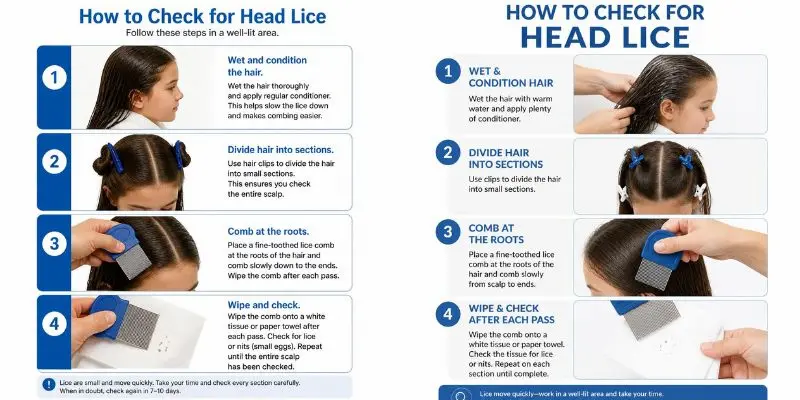
Follow these simple steps to examine the scalp carefully and identify an active head lice infestation with a fine-toothed lice comb.
1. Choose a Well-Lit Area
Strong lighting makes the scalp easier to examine.
2. Wet and Condition the Hair
Conditioner helps reduce tangles and slows lice movement.
3. Remove Tangles
Use a regular comb before using the lice comb.
4. Divide Hair into Sections
Hair clips help manage thick or long hair.
5. Start at the Scalp
Place the fine-toothed lice comb as close to the roots as possible.
6. Comb Slowly to the Ends
Pull the comb from the roots to the ends of the hair in one slow, steady motion.
7. Inspect the Comb After Every Pass
Wipe the comb on a white tissue or paper towel and look for live lice or nits.
8. Focus on Common Hiding Areas
Pay close attention to the areas behind the ears and around the nape of the neck.
9. Look for Movement
Adult head lice are about the size of a sesame seed and move quickly away from light.
10. Repeat Across the Entire Scalp
Continue until every section of the scalp has been checked. If you are unsure whether you have found a nit, see What do lice eggs, or nits, look like for visual guidance.
Where Should You Look First?
Check carefully:
- Behind both ears
- Along the nape of the neck
- Around the crown
- Along the hairline
Head lice avoid light and move quickly, which is why combing is more effective than a quick visual inspection. Understanding how head lice spread can also help explain why these areas are more likely to become infested.
What Confirms an Active Head Lice Infestation?
The clearest sign of an active head lice infestation is finding a live crawling nymph or adult louse on the scalp or hair. Although nits close to the scalp may support the diagnosis,
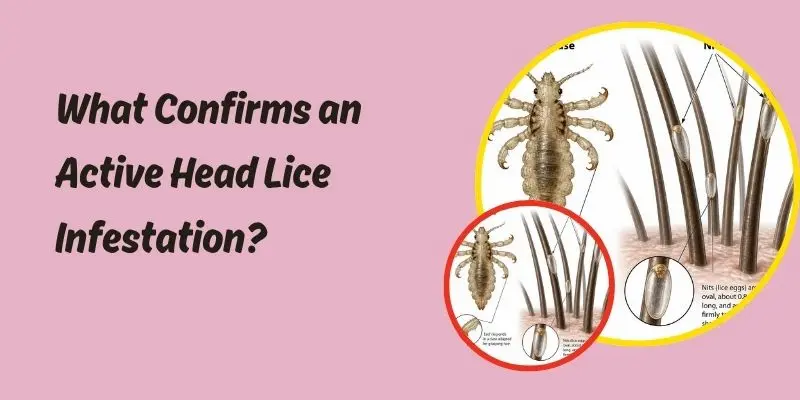
They do not always mean live lice are still present because empty egg casings can remain attached after the lice have hatched or been treated.
| What You Find | What It May Mean |
|---|---|
| Live crawling nymph or adult louse | Active head lice infestation confirmed |
| Several nits close to the scalp | Active infestation is possible |
| Only nits far from the scalp | Usually an older or treated infestation |
| Loose white flakes | More likely dandruff or dry scalp |
| No lice after a quick visual check | A full scalp check with a fine-toothed lice comb is still needed |
A live crawling louse provides the strongest evidence of an active head lice infestation. Nits alone are not enough to confirm that live lice are still present.
Nits vs. Dandruff and Other Lookalikes
Dandruff, lint, hair casts, and product buildup are often mistaken for nits.
Nits:
- Firmly attached to a single hair shaft
- Do not slide easily
- Usually found close to the scalp
Dandruff:
- Moves easily
- Falls off with brushing
Are Symptoms Enough to Diagnose Head Lice?
No. Symptoms alone cannot confirm head lice.
Common signs include:
- Itching
- Redness
- A crawling sensation
- Irritability
However, eczema, a dry scalp, or allergies can cause similar symptoms. Accurate diagnosis requires finding a live crawling louse.
Common Head Lice Diagnosis Mistakes
- Treating hair because of itching alone
- Mistaking dandruff for nits
- Judging nits by color only
- Checking only the top of the head
- Skipping wet combing
- Repeating treatment without confirmation
Misdiagnosing head lice can lead to unnecessary treatment.
Can You Diagnose Head Lice at Home?
Yes, many families can confirm head lice at home using a fine-toothed lice comb.
However, lice move quickly, and nymphs are very small. Thick or dark hair can make them harder to detect.
If you remain unsure, consult a pediatrician, pharmacist, school nurse, or dermatologist.
When to Stop Googling and Get Professional Help
Stop searching online and seek professional care if:
- You cannot confirm what you see.
- Symptoms continue, but no lice are found.
- The scalp shows swelling, pus, or signs of infection.
- The affected person is very young.
- Proper treatment fails.
Professional scalp checks can prevent repeated unnecessary treatment.
What Should You Do After Head Lice Are Confirmed?
Stay calm. Head lice are common and do not reflect poor hygiene.
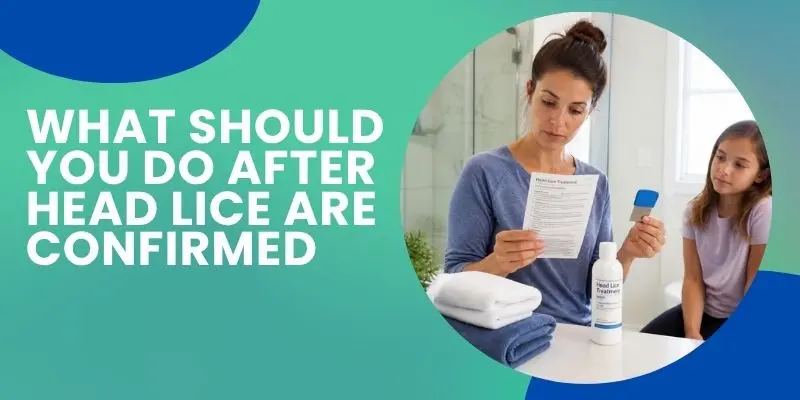
Next steps:
- Check close contacts.
- Follow approved treatment instructions.
- Avoid household sprays.
- Wash and dry recently used bedding, clothing, and towels according to the care instructions on the label.
For complete next steps, read Treatment Options for Head Lice.
If you prefer a home-focused approach, see How to remove lice permanently at home.
What Happens After a Head Lice Diagnosis?
After head lice are confirmed:
- Treatment may require more than one application.
- Nits may remain attached to the hair after treatment.
- Mild itching may continue for a short time.
- Rechecking the hair with a fine-toothed lice comb is important.
If left untreated, head lice can continue to spread through close head-to-head contact. To reduce the risk of getting lice again, learn: Can head lice be prevented?
Submit Your Story
We’d love to hear about your experience with head lice. Share what helped you identify the infestation, how you confirmed the diagnosis, or any tips that made the process easier. Your story may help other families feel more confident during a scalp check. Please do not include names, medical records, school details, or any personal information that could identify someone.
Frequently Asked Questions
The most accurate way to diagnose head lice is to find a live crawling nymph or adult louse on the scalp or hair. A fine-toothed lice comb makes live lice easier to detect than a quick visual inspection. Nits close to the scalp may support the diagnosis, but they do not always mean the infestation is active. If you cannot find a live louse but symptoms continue, repeat the combing process or ask a healthcare professional to examine the scalp.
Yes, it is possible to have nits without having live head lice. Empty egg casings can remain attached to the hair after the lice have hatched or after successful treatment. Nits that are far from the scalp often belong to an older infestation. Always look for a live crawling louse before starting treatment. This helps prevent unnecessary use of head lice medicine.
A careful head lice check usually takes about 10 to 20 minutes, depending on the length and thickness of the hair. Wet, conditioned hair and a fine-toothed lice comb make the process easier. Check the entire scalp, especially behind the ears and along the nape of the neck. Taking your time improves the chances of finding live lice or newly laid nits.
Yes, everyone who has had close head-to-head contact with the affected person should be checked for head lice. However, only people with a confirmed active infestation usually need treatment. Finding a live crawling louse is the best way to confirm head lice. Early detection can help reduce the risk of lice spreading to other family members.
If you cannot tell whether you have head lice or dandruff, examine the hair under bright light using a fine-toothed lice comb. Dandruff usually brushes away easily, while nits stay firmly attached to a single hair shaft. A live crawling louse confirms an active head lice infestation. If you are still unsure after checking carefully, ask a healthcare professional for an accurate diagnosis.
Conclusion
So, how are head lice diagnosed? A live crawling nymph or adult louse provides the clearest confirmation of an active infestation. A fine-toothed lice comb improves the chances of finding live lice that may be missed during a quick visual check. Although nits close to the scalp may support the diagnosis, they do not always mean live lice are present. Symptoms alone cannot confirm an active head lice infestation. If you are unsure, seek a professional scalp examination.
How This Article Was Created
This article was created using current guidance from the Centers for Disease Control and Prevention (CDC), the American Academy of Pediatrics (AAP), and the National Health Service (NHS). It also reflects search-intent research, semantic SEO, and clear-language writing standards. This content is for educational purposes only and does not replace professional medical advice, diagnosis, or treatment. Before publication, add the author’s name, the last updated date, references, and a medical review by a qualified healthcare professional.






- Be Respectful
- Stay Relevant
- Stay Positive
- True Feedback
- Encourage Discussion
- Avoid Spamming
- No Fake News
- Don't Copy-Paste
- No Personal Attacks
- Be Respectful
- Stay Relevant
- Stay Positive
- True Feedback
- Encourage Discussion
- Avoid Spamming
- No Fake News
- Don't Copy-Paste
- No Personal Attacks
