What Are Head Lice? Signs, Nits, Causes & Safe Treatment
Published: 12 Jul 2026
What are head lice? Head lice are tiny parasitic insects that live on the human scalp and feed on small amounts of blood. They spread mainly through direct head-to-head contact and can affect people of all ages, especially school-aged children.
Finding head lice can feel stressful, especially when it happens to a child. I understand how frustrating it can feel to check hair, wash bedding, and worry about spreading lice to others.
The good news is that head lice are common, treatable, and not a sign of poor hygiene.
In this guide, I will explain what causes head lice, how they spread, the most common symptoms, what lice eggs (nits) look like, how head lice are diagnosed and treated, ways to help prevent them, and when it is time to speak with a doctor, pharmacist, or other healthcare provider.
What Are Head Lice?
Head lice are tiny parasitic insects that live on the human scalp and feed on small amounts of blood. They spread mainly through direct head-to-head contact and are common among school-aged children, although anyone can get them.
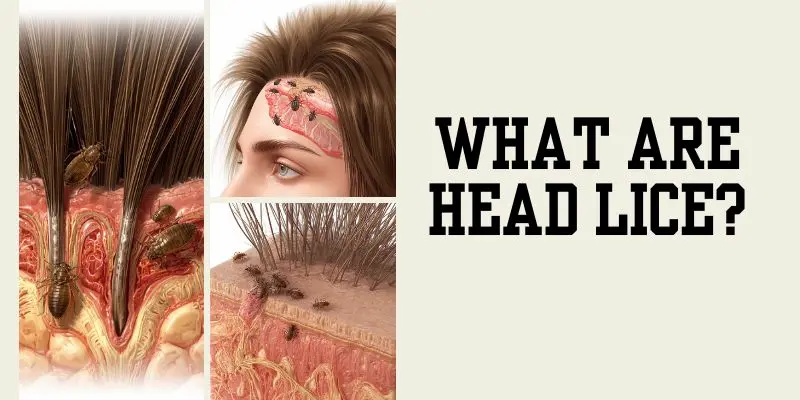
The medical term for a head lice infestation is pediculosis capitis. Head lice usually stay close to the scalp, especially behind the ears and near the back of the neck, where they find warmth and easy access to blood. According to the Centers for Disease Control and Prevention (CDC), head lice do not have wings, cannot fly or jump, and move only by crawling from one person’s hair to another.
If you are wondering, “What are head lice?” the simple answer is that they are small insects that live on the scalp, spread through close personal contact, and may cause itching and irritation. Having head lice does not mean your hair is dirty or that you have poor hygiene.
What Causes Head Lice?
Head lice are caused by direct contact with someone who has live lice. The insects crawl from one person’s hair to another when heads touch. They do not appear because of dirty hair, oily hair, poor hygiene, or an unclean home.
Anyone can get head lice, but children are affected most often because they frequently play, learn, and spend time in close contact with others. Common situations where lice spread include:
- Playing together
- Hugging friends or family
- Taking group photos
- Reading side by side
- Sitting close together at school or daycare
Adults can also get head lice, especially parents, caregivers, teachers, babysitters, and other family members who have close contact with an infected person.
One of the biggest myths about head lice is that they are caused by poor hygiene. In reality, head lice can affect anyone, regardless of how often they wash their hair.
How Do Head Lice Spread?
Head lice spread primarily through direct head-to-head contact. When two people’s hair touches, lice crawl from one head to the other. This is the most common way they spread.
Although much less common, head lice may occasionally spread through recently shared personal items, including:
- Combs
- Hair brushes
- Hats
- Scarves
- Hair accessories
- Towels
- Pillows that have been used shortly before sharing
Head lice cannot jump or fly, and they do not survive by living on pets. Human head lice feed only on human blood, so dogs, cats, and other animals do not spread them.
Because lice survive for only a short time away from the human scalp, they are much less likely to spread through furniture or household surfaces than through direct contact.
Common Symptoms of Head Lice
The most common symptom of head lice is an itchy scalp, but itching does not always begin immediately. Some people may not notice symptoms for several weeks after becoming infested because the itching is caused by the body’s reaction to lice bites.
Common head lice symptoms include:
- Itchy scalp
- A tickling or crawling sensation in the hair
- Difficulty sleeping, as lice are often more active at night
- Irritability, especially in young children
- Small red bumps on the scalp, neck, or shoulders
- Sores caused by frequent scratching
- Nits are attached firmly to hair shafts near the scalp
How Severe Can Head Lice Symptoms Be?
Symptoms vary from person to person.
Mild symptoms may include occasional itching or a slight tickling feeling on the scalp.
Moderate symptoms often include frequent itching, redness, interrupted sleep, and noticeable scratching throughout the day.
More severe symptoms may include open sores, swelling, pus, or swollen lymph nodes caused by excessive scratching and a secondary skin infection. If these symptoms develop, contact a doctor or healthcare provider promptly.
What Do Lice Eggs (Nits) Look Like?
Lice eggs, called nits, are tiny oval-shaped eggs that are firmly attached to individual hair shafts close to the scalp. Depending on their stage of development, they may appear white, yellow, tan, or brown.
Many people mistake nits for dandruff, but there is an important difference. Dandruff flakes brush away easily, while nits are glued to the hair shaft and cannot be removed by simply shaking or brushing the hair.
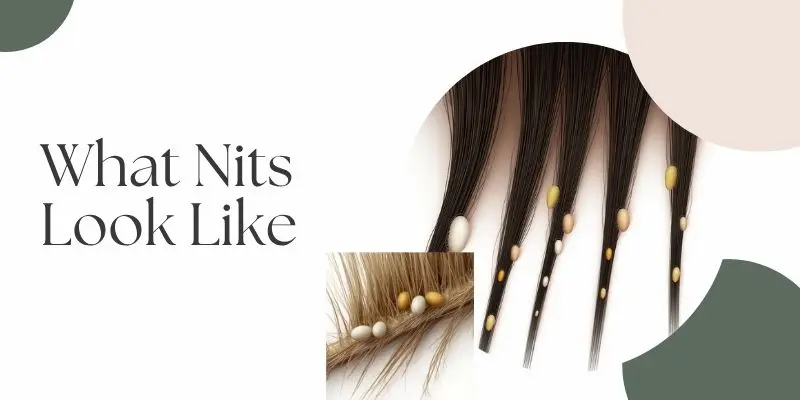
You are most likely to find nits:
- Close to the scalp
- Behind the ears
- Near the nape of the neck
- Attached to individual hair strands
Finding nits alone does not always mean live lice are present, but it does indicate that the hair should be checked carefully for active lice.
Nits vs. Dandruff
| Feature | Nits | Dandruff |
|---|---|---|
| Shape | Small, oval eggs | Irregular skin flakes |
| Attachment | Firmly attached to the hair shaft | Loosely attached and flakes off easily |
| Removal | Difficult to slide off the hair | Easily brushed or shaken away |
| Location | Close to the scalp | Anywhere on the scalp, hair, or shoulders |
| Color | White, yellow, tan, or brown | White or yellowish |
| Appearance | Remains attached until removed or hatched | Falls naturally as dead skin sheds |
Where Are Head Lice Usually Found?
Head lice prefer warm areas close to the scalp because they need warmth and a steady food source to survive. When checking for lice, inspect these areas first:
- Behind the ears: One of the most common places to find live lice and nits.
- At the nape of the neck: Lice often hide along the back hairline.
- Close to the scalp: Nits found within about ¼ inch (6 mm) of the scalp are more likely to be active than those farther down the hair shaft.
- Along individual hair shafts: Nits are firmly attached to the hair and do not brush away like dandruff.
Carefully checking these areas increases your chances of finding an active infestation early.
How Are Head Lice Diagnosed?
Head lice are usually diagnosed by finding a live, crawling louse, which is the clearest sign of an active infestation. While nits can indicate a previous infestation, they do not always mean live lice are still present.
You can check for head lice at home using a fine-toothed lice comb and good lighting.
How to Check for Head Lice at Home
Follow these simple steps:
- Seat the person under bright natural light or a bright lamp.
- Divide the hair into small sections.
- Examine the scalp carefully, especially behind the ears and at the nape of the neck.
- Slowly comb each section with a fine-toothed lice comb.
- Wipe the comb onto a white tissue after each pass to look for live lice or nits.
If you find live lice, check other household members as well because close contacts may also be affected.
Treatment Options for Head Lice
Most head lice can be treated successfully with the right approach. Treatment may include wet combing, over-the-counter products, or prescription medications, depending on the person’s age, medical history, pregnancy status, allergies, and whether previous treatments have been successful.
Some treatments kill live lice but not all eggs, which is why a second treatment may be needed several days later. Always follow the instructions provided with the product or by your healthcare provider.
What to Do
- Use a fine-toothed lice comb carefully.
- Follow the treatment instructions exactly as directed.
- Wash recently used bedding, towels, hats, and clothing.
- Check everyone who has had close head-to-head contact.
- Ask a doctor or pharmacist if you are unsure which treatment is appropriate.
What Not to Do
- Do not use gasoline, kerosene, bleach, or other harsh chemicals.
- Do not apply lice medication more often than instructed.
- Do not spray pesticides inside your home or on your body.
- Do not use medicated lice treatments to prevent lice.
- Do not ignore signs of infection, such as increasing redness, swelling, or pus.
- Do not blame or shame a child for having head lice.
Can Head Lice Be Prevented?
Although head lice cannot always be prevented, you can reduce the risk of spreading them.
Simple prevention tips include:
- Avoid direct head-to-head contact during outbreaks.
- Do not share combs, brushes, hats, scarves, or hair accessories.
- Tie back long hair when lice are circulating at school or daycare.
- Check the hair promptly if someone in the household has lice.
- Use regular wet combing to help detect lice early.
Early detection often makes treatment easier and helps reduce the chance of spreading lice to others.
When Should You See a Doctor?
Most cases of head lice can be managed at home, but medical advice is recommended in certain situations.
Contact a doctor, pharmacist, or healthcare provider if:
- You are not sure whether the insects are head lice.
- Treatment does not work after being used correctly.
- The scalp develops open sores, swelling, or pus.
- There is severe redness or signs of infection.
- The person has a fever.
- A very young child has head lice.
- The person is pregnant or breastfeeding.
- The person has allergies or very sensitive skin.
A healthcare professional can confirm the diagnosis and recommend the safest treatment if needed.
When Should You Stop Searching Online?
Online information can help you understand head lice, but it cannot replace a medical examination.
Seek medical care promptly if:
- The scalp appears infected.
- There is pus or painful swelling.
- Scratching has caused worsening sores.
- The person develops a fever.
- Symptoms continue despite proper treatment.
Common Myths About Head Lice
Many misconceptions about head lice cause unnecessary worry. Here are some of the most common myths.
| Myth | Fact |
|---|---|
| Head lice only affect people with poor hygiene. | Head lice spread through close contact, not because of dirty hair. |
| Head lice can jump or fly. | Head lice crawl. They cannot jump or fly. |
| Pets spread head lice. | Human head lice do not live on dogs, cats, or other pets. |
| The entire house must be deep-cleaned. | Cleaning recently used personal items is usually enough. |
| Finding nits always means there are live lice. | Old nits may remain after the infestation has ended. Live lice confirm an active infestation. |
Head Lice Treatment and Recovery Timeline
Knowing what to expect after finding head lice can make the treatment process less stressful. While recovery times vary depending on the treatment used and whether all lice and eggs are removed, most cases can be managed successfully with careful follow-up. If you are looking for detailed home care instructions, read our guide on how to remove lice permanently at home before following the timeline below. It explains practical steps to remove lice safely and reduce the risk of reinfestation.
Day 1: Finding Head Lice
Stay calm and examine the scalp carefully under bright light. Look for live lice and nits close to the scalp.
First Treatment
Begin wet combing or use an appropriate lice treatment according to the product instructions.
Days 2 to 7
Continue checking the scalp every few days and remove any live lice with a fine-toothed lice comb.
Second Treatment (If Needed)
Some treatments require a second application several days later to kill newly hatched lice. Follow the product directions or your healthcare provider’s advice.
What Happens If Head Lice Are Left Untreated?
Without treatment, head lice can continue to multiply and spread to others. Persistent scratching may lead to open sores, poor sleep, and, in some cases, a secondary skin infection.
Although head lice are not known to spread disease, treating them promptly can help prevent discomfort and complications.
Share Your Experience
Have you or your family dealt with head lice? Sharing your experience may help other parents and caregivers feel more prepared and less overwhelmed.
If you have helpful tips or lessons learned, consider sharing them in the comments below.
Conclusion
Head lice can feel overwhelming at first, but they are common and treatable. Understanding what head lice are, how they spread, where to look for them, and how to treat them correctly can make the situation much easier to manage.
Stay calm, check the scalp carefully, follow treatment instructions, and seek medical advice if symptoms worsen or treatment does not work. With prompt care and patience, most head lice infestations can be managed successfully. Safe remedies. If you see signs of infection or treatment is not working, speak with a doctor or pharmacist.
FAQs About Head Lice
Head lice are tiny insects that live on the human scalp. They feed on small amounts of blood and stay close to the hair roots. They do not fly or jump, but they can crawl from one head to another. Head lice are common in children, but adults can get them too. Having head lice does not mean your hair is dirty.
Head lice are caused by direct contact with someone who already has lice. This often happens when children play, hug, or sit close together. Lice can also spread through shared combs, hats, scarves, or hair accessories, but this is less common. They need human hair and the scalp to survive. Poor hygiene does not cause head lice.
Head lice spread mainly through head-to-head contact. They crawl from one person’s hair to another person’s hair. They cannot jump across a room or fly through the air. Sharing brushes, pillows, towels, or hats may also spread lice in some cases. To lower the risk, avoid sharing personal hair items.
Lice eggs are called nits. They look like tiny oval dots stuck to the hair shaft, usually close to the scalp. Nits may look white, yellow, tan, or brown. Unlike dandruff, they do not brush off easily. You may find them behind the ears, near the neck, or close to the roots of the hair.
You should see a doctor if head lice treatment does not work after correct use. You should also get help if the scalp has open sores, swelling, pus, severe redness, or fever. These signs may mean the skin is infected from scratching. Ask a doctor before using lice medicine on very young children. Also get advice if you are pregnant, breastfeeding, or have sensitive skin.





- Be Respectful
- Stay Relevant
- Stay Positive
- True Feedback
- Encourage Discussion
- Avoid Spamming
- No Fake News
- Don't Copy-Paste
- No Personal Attacks
- Be Respectful
- Stay Relevant
- Stay Positive
- True Feedback
- Encourage Discussion
- Avoid Spamming
- No Fake News
- Don't Copy-Paste
- No Personal Attacks
