How to Remove Lice Fast and Safely at Home
Published: 7 Jun 2025
Trying to remove lice can be frustrating, especially when they keep coming back after treatment. The constant itching, endless combing, and worry about spreading them to other family members can quickly become overwhelming. I’ve experienced this firsthand and know how discouraging it feels when one treatment doesn’t solve the problem.
The good news is that you can successfully remove lice by using the right treatment, thorough combing, and proper follow-up care. In this guide, you’ll learn the most effective ways to remove lice, prevent reinfestation, avoid common mistakes, and keep your family lice-free with safe, proven methods.
What Are Head Lice and Why Are They a Problem?
Head lice are tiny, wingless insects that live on the human scalp and feed on small amounts of blood. Although they are sometimes mistaken for dandruff, lice and their eggs (called nits) stick firmly to the hair shaft and don’t brush away easily. A head lice infestation can cause persistent itching, scalp irritation, and discomfort. If left untreated, it becomes more difficult to remove lice because adult female lice lay about 6 to 10 eggs (nits) each day, allowing the infestation to grow quickly.
While researching safe and effective lice treatments, I learned that the biggest challenge isn’t just killing live lice; it’s breaking their life cycle. That’s why successful treatment requires removing both live lice and newly hatched nymphs through consistent follow-up care.
Where Do Lice Come From?
One of the biggest myths about head lice is that they are caused by poor hygiene. In reality, anyone can get head lice, regardless of how clean their hair is. For more information about the common causes and risk factors, read our guide to What Causes Head Lice. Lice spread through direct head-to-head contact, which is why they are most common among children in schools, daycare centers, sports teams, and households.
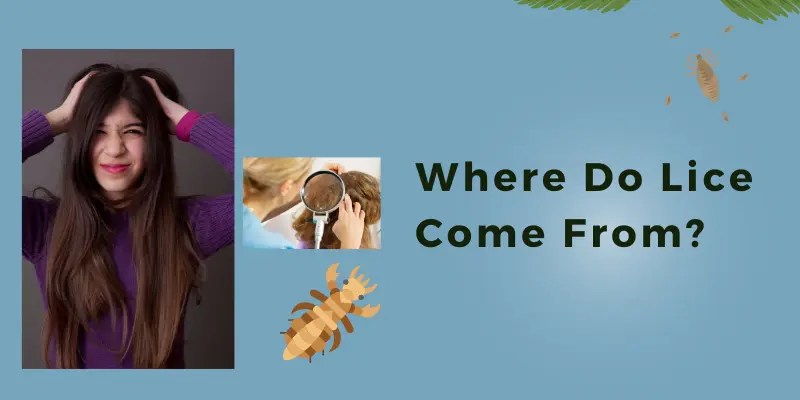
Although less common, lice can occasionally spread by sharing personal items that touch the hair, such as hats, hairbrushes, scarves, or pillows. Because lice cannot fly or jump, they move by crawling from one person’s hair to another.
How Do Head Lice Spread?
How do lice spread? Head lice spread most easily when people are in close contact for extended periods. Children are especially at risk because they often play closely together, making it easy for lice to crawl from one head to another. Once an infestation begins, it’s important to remove lice as soon as possible to reduce the chance of spreading them to family members or classmates.
Away from the scalp, most head lice survive for only 1 to 2 days, so the risk of catching lice from furniture or bedding is much lower than from direct contact. Even so, washing recently used pillowcases, hats, bedding, and clothing in hot water, along with cleaning combs and brushes, can help lower the risk of reinfestation after you remove lice.
Understanding the Head Lice Life Cycle
If you want to remove lice successfully, understanding their life cycle is essential. Head lice begin as tiny eggs called nits, which are firmly attached to the hair shaft close to the scalp. These eggs usually hatch within 7 to 10 days, releasing young lice known as nymphs. Nymphs mature into adult lice in about 7 to 10 more days, and adult females can lay 6 to 10 eggs each day, allowing an infestation to grow quickly if left untreated.
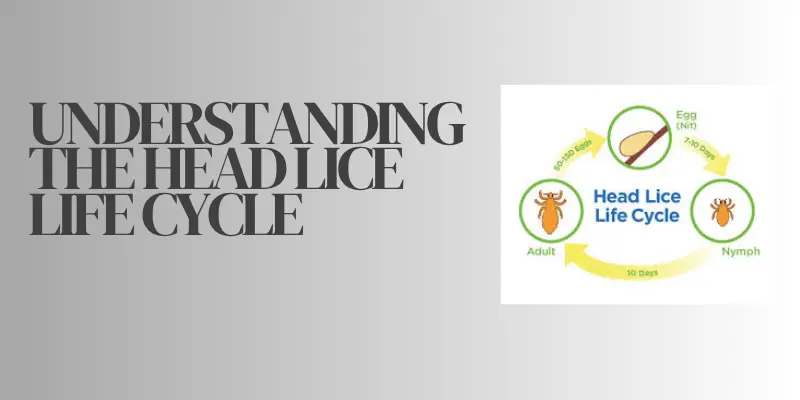
From my research and experience, the biggest mistake people make is treating lice only once. While many treatments kill live lice, they may not destroy every nit. If you’re unsure what lice eggs, or nits, look like, checking for any remaining eggs before ending treatment can help prevent the infestation from returning. If the remaining eggs hatch, the infestation starts all over again. That’s why experts recommend repeating treatment and combing according to the product instructions to remove lice completely and break their life cycle.
Signs of a Lice Infestation
Recognizing the early signs of head lice can help you remove lice before the infestation becomes more severe. Common symptoms: Recognizing the early signs of head lice can help you remove lice before the infestation becomes more severe. Learn more about the common symptoms of head lice so you can identify an infestation as early as possible. Common symptoms include:
- Persistent itching on the scalp
- A tickling or crawling sensation in the hair
- Small red bumps or sores caused by scratching
- Tiny white, tan, or brown nits attached firmly to the hair shaft, especially behind the ears and near the nape of the neck
If you suspect lice, examine the hair under bright light and use a fine-toothed lice comb to look for live lice and nits. A lice comb is one of the most reliable tools for detecting an active infestation.
If you suspect lice, examine the hair under bright light and use a fine-toothed lice comb to look for live lice and nits. A lice comb is one of the most reliable tools for detecting an active infestation. If you are unsure whether you have found live lice, learn how are head lice diagnosed before starting treatment.
Effective Home Remedies to Remove Lice
Here are some home Many families prefer to remove lice using natural remedies before trying stronger treatments. While research on some home remedies is limited, they may help when combined with thorough wet combing and careful follow-up.
Coconut Oil and Apple Cider Vinegar
Coconut oil may help slow the movement of live lice, making them easier to comb out, while apple cider vinegar may help loosen the glue-like substance that attaches nits to the hair. However, vinegar does not kill lice or their eggs, so regular combing remains essential.
Neem Oil and Tea Tree Oil
Some laboratory studies suggest that neem oil and tea tree oil may help reduce live lice. These oils may also soothe an itchy scalp, but they should be diluted properly before use and should not replace proven lice treatments.
Mayonnaise or Petroleum Jelly
Although mayonnaise and petroleum jelly are popular home remedies, there is limited scientific evidence that they effectively remove lice. They can also be difficult to wash out of the hair, so many healthcare professionals recommend using treatments with stronger evidence instead.
Salt and Vinegar Spray
Some people use salt and vinegar sprays as a home remedy, but there is little scientific evidence that they effectively kill lice or nits. If you choose to try this method, combine it with careful wet combing rather than relying on it alone.
Note: No home remedy has been proven to kill every louse or nit. For the best results, combine treatment with regular nit combing, repeat the process as directed, and clean recently used bedding, hats, brushes, and pillowcases to help remove lice completely.
💡 Pro Tip: For extra scalp care, you can apply nourishing oils after treatment if your scalp feels dry or irritated. Coconut oil may help moisturize the scalp, while neem oil and diluted tea tree oil are popular natural choices for soothing irritation. If you’re interested in natural hair care, you can also explore our guides on Neem Oil for Hair, Tea Tree Oil for Hair, and the Best Essential Oils for Hair Growth to learn more about their benefits.
Step-by-Step Guide: How to Use These Remedies
Follow these steps to remove lice as effectively as possible:
- Start with dry hair. Most oils and home remedies work best when applied to dry hair unless the product instructions say otherwise.
- Apply your chosen treatment. Cover the scalp and hair thoroughly with your selected remedy or a proven lice treatment, paying extra attention to the areas behind the ears and at the nape of the neck, where lice are commonly found.
- Leave the treatment on as directed. Follow the recommended application time for the product or remedy you are using. Avoid leaving treatments on longer than instructed unless advised by the manufacturer or a healthcare professional.
- Comb the hair carefully. After treatment, use a fine-toothed nit comb to remove lice and nits. Divide the hair into small sections and comb from the scalp to the ends. Wipe the comb clean after every pass to remove any lice or eggs.
- Repeat the process. Because newly hatched lice may appear after the first treatment, repeat combing every 2 to 3 days for about 2 weeks, or follow the instructions on your treatment product. Consistent follow-up is one of the most important steps for removing lice completely and reducing the chance of reinfestation. To help lower the risk of getting lice again, read our guide on Can head lice be prevented?
Other Natural Solutions That May Help
Some natural products may provide additional support, but they should not replace treatments that have been shown to work.
- Herbal shampoos: Shampoos containing ingredients such as tea tree oil or eucalyptus oil may help keep the scalp clean and may discourage lice, although scientific evidence for preventing or treating lice is limited.
- Regular combing: Wet combing with a fine-toothed nit comb every few days is one of the most effective ways to remove lice and their eggs. Check the hair carefully under bright light, especially behind the ears and around the neckline.
Important: Hair straighteners and other heated styling tools are not recommended for treating head lice. They do not safely reach lice or nits close to the scalp and may increase the risk of burns.
Hygiene and Cleaning Tips to Prevent Reinfection
After you remove lice, cleaning recently used personal items can help reduce the risk of reinfestation.
- Wash clothing, pillowcases, bed linens, and recently worn hats in hot water, then dry them on a high-heat setting if the fabric allows.
- Soak combs, brushes, and hair accessories in hot water (at least 130°F/54°C) for 5 to 10 minutes.
- Vacuum carpets, upholstered furniture, mattresses, and car seats that have been used recently.
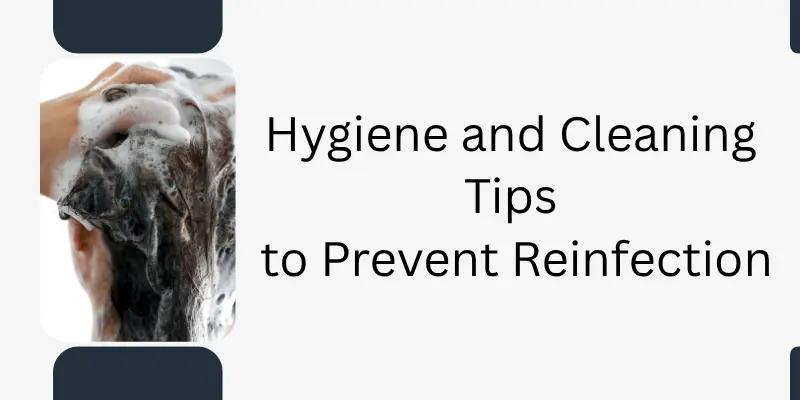
Place items that cannot be washed, such as certain stuffed toys, in a sealed plastic bag for about 2 weeks if needed.
Encourage children to avoid sharing combs, brushes, hats, headphones, or hair accessories.
Continue checking the hair for 2 to 3 weeks after treatment to make sure you have successfully removed lice and any newly hatched nymphs.
When to See a Doctor
Most head lice infestations can be treated at home, but you should contact a healthcare professional if you are unable to remove lice after following treatment instructions, if live lice are still present after repeated treatment, or if the scalp becomes swollen, painful, or shows signs of infection.
A doctor may recommend prescription treatments, such as malathion, spinosad, or ivermectin, especially if the lice are resistant to over-the-counter products. Always use prescription medications exactly as directed and discuss the safest option for young children or pregnant individuals.
Common Mistakes That Make It Harder to Remove Lice
Even the best lice treatment may not work if you make a few common mistakes. Avoid these errors to remove lice completely and reduce the risk of reinfestation.
1. Treating Lice Only Once
One of the biggest mistakes is stopping treatment after the first application. While many treatments kill live lice, they may not eliminate every nit. Follow the product instructions and repeat treatment if recommended to remove lice that hatch later.
2. Skipping the Nit Comb
A lice treatment alone is often not enough. Using a fine-toothed nit comb helps remove lice, eggs, and newly hatched nymphs from the hair. Comb the hair every 2 to 3 days for about two weeks for the best results.
3. Not Checking Everyone in the Household
If one family member has head lice, others may also be affected without showing symptoms. Check everyone in the home and treat only those with live lice or nits to help prevent the infestation from returning.
4. Sharing Personal Items Too Soon
Avoid sharing combs, brushes, hats, helmets, headphones, scarves, pillowcases, or hair accessories until the infestation has been cleared. Although head-to-head contact is the most common way lice spread, shared personal items can occasionally contribute to reinfestation.
5. Using More Treatment Than Recommended
Applying extra shampoo or leaving treatments on longer than instructed will not remove lice faster. Always follow the directions on the product label or the advice of your healthcare professional to avoid unnecessary scalp irritation.
6. Forgetting to Clean Recently Used Items
After treating the hair, wash recently used pillowcases, hats, clothing, and bedding in hot water if the fabric allows. Soak combs and brushes in hot water for 5 to 10 minutes and vacuum upholstered furniture and car seats that were recently used.
7. Assuming Every Itch Means Live Lice
Your scalp may continue to itch for several days or even weeks after successful treatment. Instead of relying on itching alone, use a nit comb and good lighting to check for live lice before repeating treatment.
8. Relying Only on Home Remedies
Natural remedies such as coconut oil or neem oil may help support lice removal, but they are not guaranteed to eliminate every louse or nit. If home remedies don’t remove lice completely, switch to a proven over-the-counter treatment or consult a healthcare professional.
9. Returning to School Too Soon Without Checking
Before children return to school or daycare, check their hair carefully for live lice. Continue regular hair checks for the next two weeks to make sure the infestation has been completely cleared.
10. Giving Up Too Early
Successfully removing lice takes patience. Continue combing and follow-up treatment as directed, even if you notice fewer lice after the first application. Consistency is the best way to break the lice life cycle and prevent reinfestation.
How to Prevent Lice from Coming Back
Successfully treating head lice is only the first step. To remove lice completely and reduce the risk of reinfestation, it’s important to continue checking the hair and follow good hygiene habits for the next few weeks.
Check Hair Weekly
Inspect your child’s hair under bright light once a week, especially behind the ears and at the nape of the neck. Early detection makes it much easier to remove lice before they spread.
Avoid Head-to-Head Contact
Because head lice spread mainly through direct head-to-head contact, encourage children to avoid touching heads while playing, taking selfies, or participating in group activities during a lice outbreak.
Don’t Share Personal Items
Teach family members not to share combs, brushes, hats, helmets, scarves, headphones, or hair accessories. Although lice spread primarily through direct contact, sharing these items may occasionally increase the risk.
Clean Hair Tools Regularly
Wash combs, brushes, and hair accessories in hot water after treating lice. Keeping these items clean helps reduce the chance of reinfestation.
Check Children After School or Camp Outbreaks
If your child’s school or daycare reports a lice outbreak, examine their hair carefully every few days for the next two weeks. Finding lice early makes treatment simpler and helps prevent them from spreading to other family members.
Head Lice Myths vs. Facts
There are many misconceptions about head lice. Understanding the facts can help you choose the right treatment and remove lice more effectively.
| Myth | Fact |
|---|---|
| Only dirty hair gets lice. | Head lice can live in clean or dirty hair. Hygiene is not the cause of lice. |
| Pets spread head lice. | Human head lice live only on people and do not survive on dogs, cats, or other pets. |
| Lice can jump or fly. | Head lice cannot jump or fly. They spread by crawling during close head-to-head contact. |
| Vinegar kills lice eggs. | Vinegar may help loosen nits, but it does not kill lice or their eggs. |
| Shaving your head is the only solution. | Most people can successfully remove lice using recommended treatments and careful wet combing without shaving their head. |
| Itching always means you still have lice. | Some people continue to itch for days or weeks after treatment, even when the lice are gone. Always check with a nit comb instead of relying on itching alone. |
How to Check Your Child for Lice
Checking your child’s hair regularly is one of the best ways to find head lice early and remove lice before the infestation becomes worse.
Use Bright Lighting
Examine the hair in natural daylight or under a bright lamp so that lice and nits are easier to see.
Divide the Hair into Small Sections
Separate the hair into thin sections and inspect one section at a time. This makes it less likely that you’ll miss live lice or nits.
Look Behind the Ears and at the Nape of the Neck
These warm areas are where head lice are most commonly found. Check carefully for tiny moving insects or nits attached firmly to the hair shaft.
Use a Fine-Toothed Nit Comb
A nit comb is one of the most reliable tools for finding live lice. Comb from the scalp to the ends of the hair, wiping the comb with a tissue after each pass to look for lice or eggs.
Continue Checking After Treatment
Even after you remove lice, continue checking the hair every few days for about two weeks. This helps make sure no newly hatched lice remain.
Common Lice Treatments at Home vs. Medical
| Treatment | Best For | Repeat Needed? | Safe for Children? |
|---|---|---|---|
| Wet Combing with a Nit Comb | Removing live lice and nits | Yes, every 2–3 days for about 2 weeks | ✅ Yes |
| Coconut Oil | May help slow the movement of live lice, making combing easier | Yes | ✅ Yes |
| Tea Tree or Neem Oil | May help reduce live lice when properly diluted (evidence is limited) | Yes | ⚠️ Use with caution; dilute properly and avoid if irritation occurs |
| Over-the-Counter Lice Treatments | Active head lice (some products also affect newly hatched lice) | Usually, follow the product instructions | ✅ Yes, if used according to the label and age recommendations |
| Prescription Medications (such as malathion, spinosad, or ivermectin) | Persistent or treatment-resistant lice infestations | Sometimes, depending on the medication | 👩⚕️ Use only under a healthcare professional’s guidance |
Key Takeaway: No single treatment removes every louse and nit in one application. The most effective way to remove lice is to combine an appropriate treatment with careful wet combing and repeat the process as directed to break the lice life cycle. To compare over-the-counter medicines, prescription products, and wet combing methods, explore Treatment Options for Head Lice.
Conclusion: My Personal Experience and Expert Advice
Dealing with head lice is never easy, and I know firsthand how stressful it can be, especially when it feels like you’re fighting an endless battle. After researching different treatments and testing what actually works, I learned that the right combination of treatment, thorough nit combing, and follow-up care can effectively remove lice and help prevent them from returning.
The key to removing lice successfully is consistency. Follow your treatment plan carefully, comb the hair regularly to remove nits, and check everyone in the household for signs of reinfestation. If over-the-counter or natural methods don’t work, speak with a healthcare professional about stronger treatment options.
With patience and the right approach, you can remove lice safely, stop the infestation, and keep your family lice-free for the long term.
FAQs
The most effective anti-lice treatment includes using a lice shampoo containing permethrin or pyrethrin, which kills live lice. After shampooing, use a fine-toothed nit comb to remove lice eggs (nits) from the hair. Repeat combing daily for at least a week to ensure all lice and nits are gone. Following the product instructions carefully is crucial for safety and effectiveness. Combining shampoo treatment with thorough combing helps maximize results and prevent reinfestation.
The best approach combines prescription lice medications with the wet-combing method. Prescription treatments like malathion or ivermectin are strong and effective against resistant lice. Wet combing every few days ensures eggs are removed mechanically. Treating all household members, if necessary, helps prevent reinfestation. Patience and consistency are key, as lice life cycles can last several weeks.
The quickest way to kill lice is by using a lice-killing shampoo followed by nit combing. The shampoo kills most adult lice, while the combing removes eggs and any remaining lice. Repeat this process after 7–10 days to catch newly hatched lice. For faster results, wash bedding, clothes, and hats in hot water and dry on high heat. Proper hygiene and diligent combing are essential to prevent reinfestation.
Natural essential oils like tea tree, lavender, and eucalyptus can help repel lice. Add a few drops to your shampoo or create a light hair spray for daily use. These oils make hair less attractive to lice due to their strong scents. Regular application can reduce the risk of infestation but should be combined with active lice treatments and routine combing for better protection.
Natural options like coconut oil or neem oil can suffocate lice, making them easier to comb out. A salt-vinegar spray can help loosen eggs and dry them out. These remedies are generally safer for children’s sensitive scalps. Always perform a patch test before applying oils or sprays to check for allergies. Consistent use of these methods, along with combing, increases their effectiveness.
Yes, lice can survive up to 48 hours on furniture, bedding, clothes, hats, or other soft surfaces. To prevent reinfestation, wash fabrics in hot water and dry on high heat. Vacuum floors, upholstered furniture, and car seats thoroughly. Avoid sharing hats, combs, or hair accessories. Keeping the environment clean complements hair treatments and reduces the chances of lice spreading.
Treatment should be done every 7–10 days until no live lice or nits are seen. This schedule helps break the lice life cycle and prevents recurrence. Daily nit combing between treatments improves effectiveness. Treat all household members if needed, even if they show no symptoms. Consistency is key to fully eliminating lice from hair and home.
Lice are likely gone when combing reveals no live lice or shiny eggs. Continue checking the hair every few days for at least two weeks. Even a single missed nit can restart an infestation. Watch for itching or irritation, which may indicate remaining lice. Regular hair hygiene and combing ensure lice are completely eradicated.
No, vinegar cannot kill lice eggs, but it helps loosen the glue that attaches nits to hair strands, making it easier to comb them out. Always follow vinegar application with thorough nit combing for effective removal. Vinegar is best used as a supportive measure alongside other treatments, not as a standalone solution. Avoid leaving vinegar on the scalp for too long to prevent irritation.
Most natural remedies, such as coconut oil, neem oil, and gentle combing, are safe for children. These methods avoid harsh chemicals that can irritate sensitive scalps. Always check for allergies and perform a patch test before applying oils or sprays. If lice persist or the infestation is severe, consult a pediatrician for appropriate treatment. Combining safe home remedies with proper hygiene ensures effective and gentle care.

Argan Oil for Bleached Hair- Miracle Fix or Major Mistake? (Stylist Tips You NEED to Know)




- Be Respectful
- Stay Relevant
- Stay Positive
- True Feedback
- Encourage Discussion
- Avoid Spamming
- No Fake News
- Don't Copy-Paste
- No Personal Attacks
- Be Respectful
- Stay Relevant
- Stay Positive
- True Feedback
- Encourage Discussion
- Avoid Spamming
- No Fake News
- Don't Copy-Paste
- No Personal Attacks
