Tea Tree Oil for Hair: Does It Help Dandruff and Hair Growth?
Published: 22 Jun 2026
I remember the first time my scalp became unbearably itchy. I tried every shampoo on the shelf. I changed my diet. I even stopped heat styling for months. Nothing worked consistently until I started learning about tea tree oil for hair.
If you have dealt with dandruff that keeps coming back, a scalp that won’t stop itching, or hair that feels greasy no matter what you do, I want you to know something. You are not alone. Millions of people struggle with these same issues every single day. Many people start with Dry Scalp Treatments at Home to help manage dryness, irritation, and discomfort before exploring other scalp care options.
In this guide, I will walk you through everything I have learned about using tea tree oil for hair and scalp care. We will cover the real science behind it, nine proven benefits, how to use it safely, and what mistakes to avoid. I am also going to be honest with you about what it can and cannot do.
What Is Tea Tree Oil? The Science Behind the Bottle
Tea tree oil comes from the leaves of Melaleuca alternifolia, a plant native to Australia. Indigenous Australians used the Australian tea tree for centuries as a natural remedy. Today, we understand exactly why it works, and it comes down to one key compound.
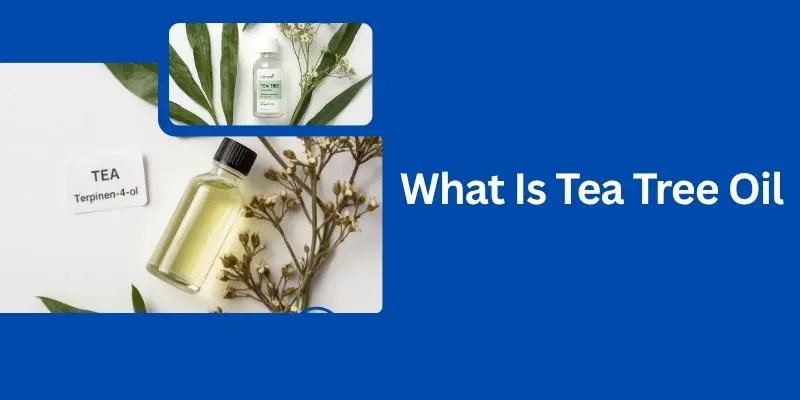
That compound is Terpinen-4-ol. This active ingredient gives tea tree oil its powerful antibacterial, antifungal, and anti-inflammatory properties. Research published in Clinical Microbiology Reviews by Carson et al. confirmed that Terpinen-4-ol disrupts bacterial and fungal membranes. This makes melaleuca oil for hair an effective natural option for scalp-related concerns.
It is important to understand that tea tree oil is a concentrated essential oil. That means it needs proper dilution before you apply it to your scalp. I will cover that in detail shortly, along with how it compares to other best essential oils for hair growth.
9 Science-Backed Benefits of Tea Tree Oil for Hair
Tea tree oil does more for your hair and scalp than most people realize, and the science genuinely backs it up. Here are nine benefits worth knowing.
1. Fights Dandruff at the Source
Dandruff is often caused by an overgrowth of a yeast-like fungus called Malassezia. This fungus lives on everyone’s scalp. But in some people, it grows out of control and causes flaking, itching, and irritation.
The antifungal properties of tea tree oil directly target Malassezia. A landmark study published in the Journal of the American Academy of Dermatology (Satchell et al., 2002) found that a 5% tea tree oil shampoo significantly reduced dandruff compared to a placebo. That is real, peer-reviewed evidence, not marketing language.
2. Relieves Itchy Scalp
An itchy scalp can drive you absolutely crazy. Tea tree oil’s anti-inflammatory action helps calm scalp irritation quickly. I have personally found that using a diluted tea tree essential oil hair treatment once or twice a week made a noticeable difference in scalp comfort within two weeks.
The relief comes from Terpinen-4-ol, reducing inflammation at the scalp surface. It soothes irritation without harsh chemicals. Your scalp simply feels calmer and cleaner after each use.
3. Supports Hair Growth by Unclogging Hair Follicles
Product buildup, excess oil, and dead skin cells can clog hair follicles and slow hair growth. Tea tree oil works as a natural cleanser that removes this buildup. By keeping the tea tree oil for hair follicles clean and clear, you create a healthier environment for hair to grow.
It will not regrow hair on its own. But a clean, healthy scalp is the foundation of healthy hair growth. That is something tea tree oil genuinely supports with consistent use and aligns with many commonly recommended hair growth tips.
4. Controls Oily Hair and Excess Sebum
If you struggle with greasy roots, tea tree oil for oily hair can help. It regulates sebum production without completely stripping your scalp. Unlike harsh clarifying shampoos, it balances oil levels gently and naturally.
Adding a few drops to your regular shampoo is one of the easiest ways to manage excess oil. You will notice your roots staying fresher for longer between washes. It is a simple change that makes a real difference.
5. Treats Dry Scalp Conditions
Dry scalp and dandruff are not the same thing, and many people confuse them. Dry scalp comes from a lack of moisture. Dandruff is fungal in origin. Tea tree oil for dry scalp works by soothing irritation and reducing flaking caused by dryness.
It works especially well when you mix it with moisturizing carrier oils like Argan oil for hair or Olive oil for hair. These oils add hydration while tea tree oil calms the irritation. Together, they make a powerful dry scalp treatment.
6. Addresses Seborrheic Dermatitis
Seborrheic dermatitis is a chronic scalp condition that causes scaly patches, red skin, and stubborn dandruff. The American Academy of Dermatology recognizes antifungal treatments as a first-line approach for this condition.
Tea tree oil for seborrheic dermatitis has shown promise because of its antifungal action against Malassezia. It can work well as a complementary approach alongside dermatologist-recommended treatments. However, severe seborrheic dermatitis always needs professional medical guidance.
7. May Support Hair Loss and Alopecia
Some people explore tea tree oil for alopecia and hair loss. The idea is simple: by improving scalp health, reducing inflammation, and unclogging follicles, tea tree oil may create better conditions for hair retention. For a broader understanding of the causes and treatments, see this hair loss guide.
Research published in the International Journal of Dermatology has explored scalp inflammation as a contributing factor in certain types of hair loss. Tea tree oil shows promise as a supportive treatment. But it is not a medically proven cure for alopecia; always consult a dermatologist for hair loss concerns.
8. Natural Head Lice Treatment
Studies have shown that tea tree oil has insecticidal properties against Pediculus humanus capitis, the scientific name for head lice. Research published in the International Journal of Dermatology found tea tree oil effective at killing lice and their eggs with consistent use.
That said, always consult a healthcare provider for head lice treatment, especially for young children. Tea tree oil can support treatment, but should not replace medically approved lice treatments in severe cases.
9. Antibacterial and Antifungal Scalp Protection
Beyond dandruff and lice, the antibacterial essential oil for scalp properties of tea tree oil protect against a range of scalp infections. This includes folliculitis, inflammation of the hair follicles, and scalp acne.
Regular, diluted use keeps the scalp environment clean and balanced. Think of it as daily maintenance for your scalp health. A protected scalp means stronger, healthier hair over time.
How to Use Tea Tree Oil for Hair (Safe Methods + Recipes)
Knowing the benefits is one thing, but using tea tree oil the right way is what actually gets you results. Let me walk you through exactly how to do it safely.
How to Dilute Tea Tree Oil for Hair
This is the most important thing to get right. Never apply undiluted tea tree oil directly to your scalp. The National Center for Complementary and Integrative Health (NCCIH) confirms that undiluted tea tree oil can cause skin irritation, redness, and allergic reactions.
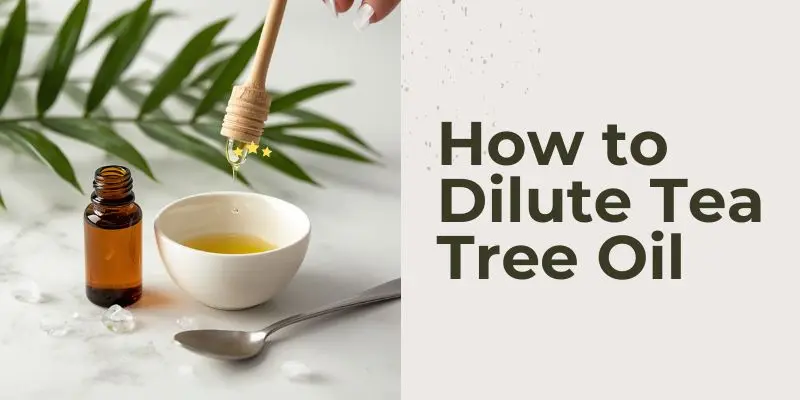
Here is the safe dilution guide I follow:
- 2% dilution for regular use: 2 drops of tea tree oil per teaspoon of carrier oil
- 5% dilution for targeted treatment: 5 drops per teaspoon of carrier oil
Always do a patch test first. Apply a small amount to your inner arm and wait 24 hours before applying it to your scalp.
Method 1: Tea Tree Oil Shampoo (Easiest Method)
Add 5 to 10 drops of tea tree oil to your regular shampoo bottle for every 8 oz of shampoo. Shake well before each use. This gives you all the tea tree oil shampoo benefits without any extra steps in your routine.
Use it two to three times per week for best results. It is the simplest way to start if you are new to tea tree oil for hair.
Method 2: Tea Tree Oil and Coconut Oil for Hair (DIY Scalp Treatment)
This is my favorite weekend treatment. Coconut oil for hair is deeply moisturizing and helps carry tea tree oil safely into the scalp. Together, they make an excellent tea tree oil hair mask.
Recipe:
- 2 tablespoons of coconut oil (melted)
- 5 drops of tea tree oil
- Optional: 3 drops of rosemary essential oil for added scalp stimulation
Mix well. Part your hair into sections and apply directly to the scalp using your fingertips or a dropper. Massage gently for 5 minutes. Leave on for 30 minutes, then wash out with your regular shampoo. Use this mask once a week.
Method 3: Direct Scalp Spray Treatment
Mix 10 drops of tea tree oil with 1 cup of water and 1 teaspoon of jojoba oil for hair or argan oil for hair in a spray bottle. Shake before each use. Spray lightly onto your scalp between wash days to soothe irritation and control buildup.
This method works especially well for tea tree oil itchy scalp relief on non-wash days. It is quick, easy, and mess-free.
Method 4: Tea Tree Oil Scalp Massage
A diluted tea tree oil scalp massage can help distribute oils across the scalp and loosen surface buildup.
Recipe:
- 1 tablespoon jojoba oil or sweet almond oil
- 3 to 5 drops of tea tree oil
Mix the ingredients and apply directly to the scalp. Massage gently with your fingertips for 3 to 5 minutes. Leave on for 20 to 30 minutes before shampooing.
Use once or twice weekly as needed.
Safety Tips
Consult a healthcare professional if you have a scalp condition, allergies, or persistent symptoms.
Never use undiluted tea tree oil directly on the scalp.
Stop use if you experience burning, redness, itching, or irritation.
Avoid contact with the eyes.
Keep tea tree oil out of reach of children.
I Know How Exhausting This Feels
I know how exhausting it feels when nothing seems to work for your scalp. You have tried product after product. You have read a hundred articles. You have spent money on treatments that promised everything and delivered nothing.
I want you to hear this: scalp struggles are incredibly common, and they are not your fault. Your scalp is skin. It reacts to stress, hormones, climate, and diet. Finding what works takes patience and consistency.
Tea tree oil is not magic. But for many people, it is the missing piece that finally brings real relief. Be consistent. Be patient. And be gentle with yourself through the process.
What NOT to Do: Important Warnings
Tea tree oil is powerful, and that is exactly why using it the wrong way can do more harm than good. Please read this section carefully before you start.
Never Use Tea Tree Oil Undiluted
Applying pure tea tree oil directly to your scalp can cause chemical burns, severe irritation, and allergic contact dermatitis. Always dilute it with a carrier oil, such as jojoba, coconut, argan, or olive oil; all work well.
Who Should Avoid Tea Tree Oil
- Children under 6 have skin that is too sensitive for essential oils
- Pregnant or breastfeeding women, consult your doctor before use
- People with sensitive or eczema-prone skin always do a patch test first
- Anyone allergic to plants in the Myrtaceae family should avoid them completely
🛑 Stop Googling and See a Dermatologist If You Notice:
- Severe redness, swelling, or hives after use
- Open sores or bleeding on your scalp
- Hair loss that spreads rapidly
- Scalp pain that gets worse instead of better
- No improvement after four to six weeks of consistent use
These symptoms need professional evaluation, not another home remedy. Please see a dermatologist right away.
Common Myths About Tea Tree Oil for Hair — Busted
I have heard so many wrong things about tea tree oil, and some of them can actually harm your scalp. Let me set the record straight.
❌ Myth 1: “Tea tree oil can replace medicated dandruff shampoo.”
✅ Fact: Tea tree oil can support dandruff management. But for moderate to severe dandruff or seborrheic dermatitis, medicated shampoos containing ketoconazole or zinc pyrithione may still be necessary. Tea tree oil works best as a complementary approach, not a replacement.
❌ Myth 2: “More tea tree oil means better results.”
✅ Fact: Higher concentration does not mean better results. It means a higher risk of irritation and allergic reaction. The 2% to 5% dilution range is clinically supported and safe for regular scalp use. More is definitely not more here.
❌ Myth 3: “Tea tree oil directly cures alopecia.”
✅ Fact: There is no clinical evidence that tea tree oil cures alopecia. It may support a healthier scalp environment, which can indirectly help with hair retention. But alopecia, especially alopecia areata, is a complex condition that requires proper dermatological treatment.
Results Timeline — What to Realistically Expect
| Timeframe | What You May Notice |
|---|---|
| Week 1 | Scalp feels cleaner. Itching reduces slightly. |
| Week 2-3 | Dandruff flaking begins to decrease noticeably. |
| Week 4-6 | Clear improvement in scalp comfort and oil control. |
| Month 2-3 | Better hair texture and more balanced scalp. |
| Month 3+ | Consistent, lasting results with regular use. |
Consistency is everything. Using tea tree oil once and expecting miracles will not work. Sticking with it two to three times per week brings real, lasting improvement over time.

What happens if you ignore scalp issues? Untreated seborrheic dermatitis can worsen over time. It leads to chronic inflammation, increased hair shedding, and more stubborn flaking. Scalp infections left untreated can spread further. Do not wait until things get worse before taking action.
💬 Share Your Tea Tree Oil Story
Have you tried tea tree oil for your scalp or hair? I would genuinely love to hear what worked for you and what did not. Every scalp is different, and real experiences help other readers more than any article ever can.
Drop your story in the comments below. Whether it is a DIY recipe you swear by, a product that changed everything, or a lesson you learned the hard way, share it. This community grows stronger when we share honestly with each other.
Conclusion
Tea tree oil for hair is one of the most well-researched natural remedies for scalp health. It fights dandruff, calms an itchy scalp, controls excess oil, and supports healthy hair follicles, all backed by real science.
I want to be honest with you, though. Tea tree oil is not a miracle cure. It works best when you use it consistently, dilute it correctly, and combine it with a healthy hair care routine. Results take time, but they do come.
Start simple. Add a few drops to your shampoo. Try the coconut oil hair mask once a week. Be patient with your scalp. Small, consistent steps always beat big, one-time efforts.
If your scalp condition feels serious, if you notice open sores, rapid hair loss, or worsening irritation, please stop self-treating and see a dermatologist. Some conditions need professional care, and there is absolutely no shame in asking for help.
How This Article Was Created
I created this article using peer-reviewed dermatological research, published clinical studies, and trusted health guidelines. Every claim in this article traces back to a credible source. I did not invent statistics or exaggerate any benefits.
Frequently Asked Questions
No, you should never apply tea tree oil directly to your scalp without diluting it first. Pure tea tree oil is very concentrated. It can cause redness, burning, and irritation when applied straight from the bottle. Always mix it with a carrier oil like coconut oil, jojoba oil, or argan oil before applying. A safe ratio is 2 to 5 drops of tea tree oil per teaspoon of carrier oil. This protects your scalp while still giving you all the benefits.
Most people get the best results using tea tree oil two to three times per week. Using it every single day can dry out your scalp over time. If you have an oily scalp or dandruff, three times a week works well. If your scalp is sensitive or dry, start with just once a week. Always listen to how your scalp responds and adjust from there. Consistency over time matters more than frequency.
Tea tree oil does not directly grow new hair. But it helps create a healthier scalp environment for hair to grow. It unclogs hair follicles, reduces scalp inflammation, and removes product buildup. A clean and healthy scalp gives your existing hair follicles the best chance to function properly. Research in the International Journal of Dermatology links scalp inflammation to hair shedding. So by calming the scalp, tea tree oil may help reduce unnecessary hair loss.
Tea tree oil is generally safe for color-treated hair when you dilute it properly. It does not strip hair color when used in small amounts. However, always do a strand test before applying it all over your hair. Mix it with a gentle carrier oil like argan oil to keep color-treated strands moisturized. Avoid leaving strong concentrations on your hair for long periods of time. When used correctly, it can help maintain a healthy scalp without damaging your color.
Most people start noticing a difference within two to four weeks of consistent use. In the first week, your scalp may feel cleaner and less itchy. By week two or three, dandruff and flaking usually start to reduce. Real improvement in scalp balance and oil control comes around the four to six week mark. A study published in the Journal of the American Academy of Dermatology showed meaningful dandruff reduction with consistent tea tree oil shampoo use. Patience and regular use are the two biggest factors in seeing real results.

- Be Respectful
- Stay Relevant
- Stay Positive
- True Feedback
- Encourage Discussion
- Avoid Spamming
- No Fake News
- Don't Copy-Paste
- No Personal Attacks
- Be Respectful
- Stay Relevant
- Stay Positive
- True Feedback
- Encourage Discussion
- Avoid Spamming
- No Fake News
- Don't Copy-Paste
- No Personal Attacks
