Hair Growth Tips: What Really Helps Hair Grow Stronger?
Published: 2 Apr 2025
I know how frustrating it feels when your hair seems stuck at the same length. I have been there too. You wash it, oil it, try viral hair growth tips, and still feel like nothing changes. Sometimes the problem is slow growth. But many times, the real issue is breakage, scalp buildup, stress, or poor nutrition.
These Hair Growth Tips are not magic. They are safe, realistic tips for hair growth that support scalp health, reduce hair breakage, and help you keep the length you already have. Hair takes time. But with the right hair growth routine, your hair can look stronger, thicker, and healthier over time.
In this guide, I’ll share practical hair growth tips, my personal routine, and expert-backed methods to repair damage, stimulate follicles, and prevent breakage. By the end, you’ll know exactly how to help your hair grow healthier and longer naturally.
Best Hair Growth Tips
The best hair growth tips focus on four things: scalp health, nutrition, gentle hair care, and breakage control. Eat enough protein, care for your scalp, reduce heat, avoid tight styles, and use conditioner often. If you want to know how to grow hair faster naturally at home, start by protecting the hair you already have. For sudden hair loss, patchy shedding, or scalp pain, it is important to seek professional help and refer to a trusted hair loss guide to understand possible causes and next steps.
Hair Growth Basics: How Hair Really Grows
Hair grows from hair follicles under the skin. Your scalp health matters because each follicle needs a good environment to grow hair. Hair moves through a hair growth cycle with growth, rest, and shedding phases. Cleveland Clinic explains that hair grows from the follicle root and goes through anagen, catagen, and telogen phases. It also notes that hair grows about 1 centimeter per month for many people.
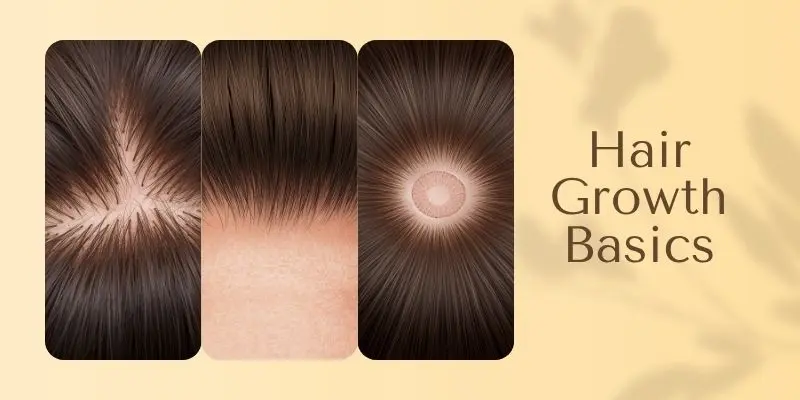
Normal shedding is also part of the process. The American Academy of Dermatology says it is normal to shed about 50 to 100 hairs a day. More shedding than that may be excessive hair shedding.
Genetics, hormones, stress, illness, diet, and age can all affect hair growth. That is why proven hair growth methods are usually simple habits, not a single secret oil or an overnight trick.
Hair Growth vs Breakage
This is one of the biggest hair growth secrets I learned. Sometimes hair grows from the scalp, but it breaks at the ends. So it looks like it is not getting longer.
| Sign | What it may mean |
|---|---|
| Short pieces on clothes or sink | Breakage |
| Full strands with a white bulb | Shedding from the root |
| Split ends and rough tips | Damage and breakage |
| Thinning crown or widening part | Possible hair loss |
| Same length for months | Growth may be hidden by breakage |
If your ends keep snapping, focus on damaged hair treatment, gentle detangling, and moisture. This can help you reduce hair breakage and keep more length.
Hair Concern Levels
Before I choose a hair growth routine, I first assess the severity of the problem. Not every hair issue means serious hair loss. Sometimes it is only dryness, breakage, or buildup. These levels help me decide when home care is enough and when I should stop DIY treatments. DIY Hair Care for Oily Hair, DIY hair care for dry hair, DIY Hair Masks
Level 1: Mild dryness, frizz, or slow progress
This is common. Your hair feels dry, dull, or hard to style. You may see mild shedding. Start with healthy hair growth tips like conditioner, gentle brushing, and less heat.
Level 2: Breakage, split ends, or buildup
Your hair snaps more. Your scalp may feel oily or coated. Your ends may feel rough. This is when I simplify my hair care routine and use lighter products.
Level 3: Red flags
Stop DIY care if you see sudden patchy hair loss, scalp pain, swelling, pus, bleeding, severe itching, or burning. Mayo Clinic says sudden or patchy hair loss can signal an underlying medical condition that needs treatment.
21 Best Hair Growth Tips for Stronger, Healthier Hair
The best hair growth tips are simple, safe, and easy to repeat. I do not trust one-night miracles or viral hacks that promise instant results. Instead, I focus on scalp health, good nutrition, gentle styling, and less breakage.
1. Eat enough protein
Hair is made mainly of keratin, a protein. I try to include protein daily from foods like eggs, fish, beans, yogurt, lentils, or lean meat.
2. Avoid crash dieting
Restrictive dieting can trigger shedding. Fast weight loss can stress the body and affect hair. A steady diet is better for stronger hair naturally.
3. Support key nutrients
Vitamins for hair growth may matter if you are low. Cleveland Clinic lists nutrients like vitamin D, biotin, iron, zinc, and omega-3s as helpful for hair health over time.
4. Eat hair-friendly foods
Good hair growth foods include lean protein, eggs, leafy greens, whole grains, fruits, vegetables, shellfish, and omega-3-rich foods. Cleveland Clinic also highlights lean protein, omega-3 foods, eggs, greens, and vitamin C-rich foods for hair growth support. Foods for Healthy Hair Growth
5. Stay hydrated
Water will not grow hair overnight. But dehydration can make hair feel dry and brittle. I keep hydration simple and steady.
6. Wash your scalp based on your scalp type
An oily scalp may need more washing. A dry scalp may need less. Shampoo your scalp, not just your hair length. full guide hair products
7. Use conditioner after shampoo
Conditioner adds slip. It helps reduce friction, tangles, and breakage. This is one of my daily hair care tips for hair growth.
8. Detangle gently
I start from the ends and move upward. I never rip through knots. For curly or coily hair, I detangle with conditioner and patience. curl type,
9. Reduce heat styling
High heat weakens hair. I use lower heat and fewer passes when I style. This is one of the best tips for faster hair growth because it protects length.
10. Use heat protectant
Heat protectant does not make hair damage-proof. But it can reduce stress from styling tools.
11. Avoid tight hairstyles
Tight ponytails, braids, and buns can pull on the hairline. If you notice hairline breakage, loosen the style.
12. Protect hair while sleeping
I like satin or silk pillowcases. They reduce friction. I also avoid sleeping with wet, tangled hair. Using items like the benefits of silk pillowcases can also help reduce breakage and keep hair smoother overnight.
13. Trim split ends when needed
Trimming does not make hair grow faster from the scalp. But it removes split ends before they travel higher.
14. Try scalp massage
Scalp massage feels good and may support a healthy scalp routine. I use gentle fingertips, not nails.
15. Use rosemary oil safely
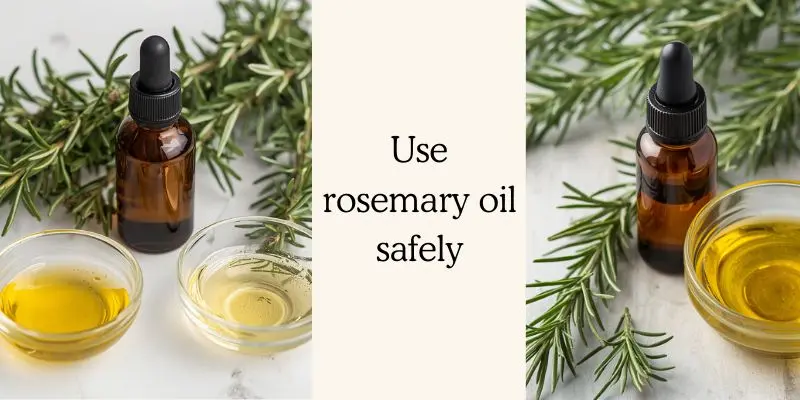
Rosemary oil for hair growth tips are popular. I keep it realistic. I mix 1–3 drops with a carrier oil and wash it out. I do not use it straight on my scalp.
16. Be careful with essential oils
Best essential oils for hair growth can irritate the scalp if used incorrectly. Always dilute them. Patch test first.
17. Do not trust every viral remedy
Viral hair growth tips can sound exciting. But hair growth hacks like onion juice for hair growth or rice water for hair growth tips can irritate some scalps. I test carefully and stop if I feel burning.
18. Use rice water wisely
Rice water may make some hair feel stronger. But too much can make hair stiff. I use it rarely, not daily.
19. Be smart with biotin
Biotin hair growth tips are everywhere. But biotin is not a miracle for everyone. Supplements work best when you actually need them. Ask a clinician if shedding is heavy.
20. Manage stress and sleep
Stress and poor sleep can affect the body. Mayo Clinic notes that stress and hair loss can be related, and sudden or patchy hair loss should be discussed with a doctor.
21. See a dermatologist for true hair loss
Dermatologist hair growth tips matter when hair loss is medical. AAD explains that hair loss can have many causes, including alopecia areata, which affects hair follicles.
What I Do and What I Avoid
A good hair growth routine is not only about what I add. It is also about what I stop doing. Small daily habits can protect the hair I already have and help me avoid damage over time.
What I do daily
I keep my hair gentle. I use conditioner, avoid rough brushing, drink enough water, and protect my ends.
What I do weekly
I check my scalp. I use a light hair mask if my hair feels dry. I do a short scalp massage if my scalp feels normal.
What I avoid
I avoid tight hairstyles, heavy oil buildup, harsh brushing, high heat, and too many homemade hair growth treatments at once. Best Frizzy Hair Products for Humidity
If my hair is breaking
I focus on moisture, slip, trims, and less heat. I stop using stiff protein-heavy products until my hair feels balanced.
If my scalp is irritated
I stop oils, onion juice, rice water, and strong products. I keep the routine simple.
Where the Hair Problem Shows Up and What It May Mean
Where the problem appears can tell me a lot. Breakage at the hairline is different from thinning at the crown. Dry ends, oily roots, flakes, or patchy loss may all need different care.
Scalp itching or flakes
This may come from dryness, buildup, dandruff, or irritation. If it is severe or painful, I do not keep experimenting.
Oily roots and dry ends
This often means the scalp needs cleansing, but the ends need moisture. I shampoo the scalp and condition the ends.
Hairline breakage
This can come from tight styles, edge control, wigs, braids, or rough brushing.
Mid-length breakage
This may come from heat, color, bleaching, or friction.
Split ends
Split ends need trimming. Oils can smooth them for a short time, but they cannot seal them forever.
Thinning crown
This may be linked to hormones, genetics, or pattern hair loss. Hair growth tips for thinning hair should include professional advice. Our thinning guide, Regrow Thinning Hair
Sudden patchy hair loss
This is a red flag. Do not wait too long.
When NOT to Google: See a Dermatologist
I love natural hair growth tips, but some signs need care. See a doctor or dermatologist if you have sudden patchy hair loss, scalp pain, pus, swelling, bleeding, oozing, severe itching, or burning.
Also, get help if heavy shedding does not improve, or if hair loss starts after illness, medication, childbirth, or major stress. NHS says you should see a GP if you are worried about hair loss, and a GP may check your hair and help find the cause.
Common Misconceptions About Hair Growth
Hair growth advice can be confusing. Some tips sound helpful, but they are not always true. I like to separate real hair growth habits from myths, trends, and unsafe shortcuts.
“Overnight hair growth tips work.”
No. Overnight hair growth tips may make hair feel softer by morning. They do not grow inches overnight.
“Trimming makes hair grow faster.”
Trimming helps split ends. It does not change growth from the scalp.
“Biotin works for everyone.”
Biotin may help some people. But it is not needed by everyone.
“Oils guarantee hair growth.”
Oils may reduce dryness and breakage. They do not guarantee growth.
“Rice water works for every hair type.”
Some hair likes rice water. Some hair gets stiff or dry.
“Natural remedies cannot irritate the scalp.”
Natural does not always mean safe. Onion juice, essential oils, and herbs can irritate skin.
“Korean hair growth routine or ayurvedic hair growth tips work for everyone.”
They may help some people. But your scalp type, hair type, and health history matter.
Recovery Timeline: What to Expect
Hair growth takes time, so I do not judge a routine after one day. Some changes show up fast, like a softer or easier hair detangling guide.
Real length retention and stronger-looking hair usually need weeks or months of steady care.
Same day
Hair may feel smoother and easier to detangle.
2–4 weeks
You may notice less breakage if you use conditioner, reduce heat, and detangle gently.
3–6 months
You may see better length retention. If hair loss is medical, you may need a diagnosis and treatment.
Long term
If scalp issues or hair loss are ignored, they may get worse. Some conditions can lead to ongoing shedding or permanent damage. AAD notes that intense itching, burning, or tenderness with hair loss may be a sign of infection.
My Simple Hair Growth Routine
I keep my hair growth routine simple because simple habits are easier to follow. I focus on daily protection, weekly scalp care, and monthly check-ins. This helps me see what is working without overloading my hair with too many products. full scalp guide Dry Scalp Treatments at Home
Daily routine
I protect my ends, avoid rough brushing, drink water, and keep tight styles low.
Weekly routine
I wash based on scalp needs. I condition well. I use one mask or oil treatment if my scalp feels calm.
Monthly check-in
I check breakage, shedding, scalp comfort, and product buildup.
Routine for dry hair
Use rich conditioner, gentle masks, and less heat.
Routine for oily scalp
Wash the scalp well. Use light products. Avoid heavy oils on roots.
Routine for curly or coily hair
Use slip, sections, and gentle detangling. Keep ends protected.
Routine for thinning-looking hair
Use gentle care, avoid tension, and talk to a dermatologist if thinning continues.
Submit Your Story
Have you tried these hair growth tips? Share your story.
Tell me your hair type, scalp type, main problem, and routine. Share what you tried for 4 weeks. Did you use rosemary oil, rice water, onion juice, or a homemade treatment? What worked? What made your hair worse?
Your story can help another reader avoid mistakes.
Conclusion
Hair Growth Tips work best when they focus on scalp health, nutrition, gentle care, and breakage control. I do not chase fast hair growth tips that promise overnight results. I focus on habits that help me keep my hair naturally.
If you want to improve hair growth naturally, start simple. Feed your body, protect your scalp, reduce hair breakage, and use safe remedies only. Real hair growth takes time, but a steady routine can make your hair look healthier and fuller.
How This Article Was Created
I created this article using practical haircare experience, expert-backed hair and scalp care principles, and trusted medical references. I used guidance from the American Academy of Dermatology, Mayo Clinic, Cleveland Clinic, NHS, and other reputable medical sources where needed.
This article is for educational purposes only. It does not replace medical advice, diagnosis, or treatment. If you have sudden, painful, patchy, or severe hair loss, please speak with a qualified healthcare professional.
FAQs
The best Hair Growth Tips focus on scalp care, food, and less breakage. Start with enough protein, gentle washing, and regular conditioner. Avoid tight hairstyles, high heat, and rough brushing. Try a scalp massage if your scalp feels healthy. Real results take time, but these habits help hair look stronger.
To grow hair faster naturally at home, protect the hair you already have. Eat balanced meals with protein, iron, zinc, and healthy fats. Use a simple hair growth routine with gentle shampoo and conditioner. Reduce heat styling and avoid harsh hair growth hacks. Healthy hair growth starts with daily care, not overnight tricks.
Oils may help with dryness, frizz, and breakage control. Rosemary oil is popular in many hair growth remedies. But oils do not guarantee new hair growth. Always dilute essential oils before using them on your scalp. Stop using any oil if it causes burning, itching, or redness.
Vitamins for hair growth may help if your body is low in them. Common nutrients include vitamin D, biotin, iron, zinc, and omega-3. Protein and healthy fats also support stronger hair naturally. Do not take supplements blindly or in high doses. Ask a doctor if you have heavy shedding or thinning hair.
See a dermatologist if hair loss is sudden, patchy, or painful. Also, get help for scalp swelling, pus, bleeding, or severe itching. These signs may need medical care, not home remedies. Hair Growth Tips can support healthy habits, but they cannot treat every cause. Early care can help protect your scalp and hair.





- Be Respectful
- Stay Relevant
- Stay Positive
- True Feedback
- Encourage Discussion
- Avoid Spamming
- No Fake News
- Don't Copy-Paste
- No Personal Attacks
- Be Respectful
- Stay Relevant
- Stay Positive
- True Feedback
- Encourage Discussion
- Avoid Spamming
- No Fake News
- Don't Copy-Paste
- No Personal Attacks
