Foods for Healthy Hair Growth: Are You Eating These 20 Power Foods?
Published: 22 Jan 2025
Are you struggling with hair loss and searching for the best foods for healthy hair growth? Do you want to know which nutrients for hair growth can help you achieve thicker, stronger hair naturally and regrow thinning hair? If you’ve been dealing with thinning hair and wondering how to boost keratin production through diet, you’re in the right place.
I know the feeling of looking down at the shower drain and seeing more hair than usual. It’s a sinking sensation, a mixture of frustration, anxiety, and the immediate urge to find a “miracle fix.” But here’s the truth: when your body lacks key nutrients, your hair is often one of the first places the effects appear.
We are constantly sold expensive serums and shampoos that promise instant results, yet healthy hair starts from within. Without the right nutrients, hair follicles simply don’t have the building blocks they need to thrive.
In this guide, I’ll show you the top foods for healthy hair growth and the nutrients that support stronger, thicker hair from the inside out.
The Mirror Test: Assessing Your Hair Health
Before we dive into the foods, I want you to perform a simple “mirror test.” The way your hair fails often indicates which nutrient is missing from your toolkit.
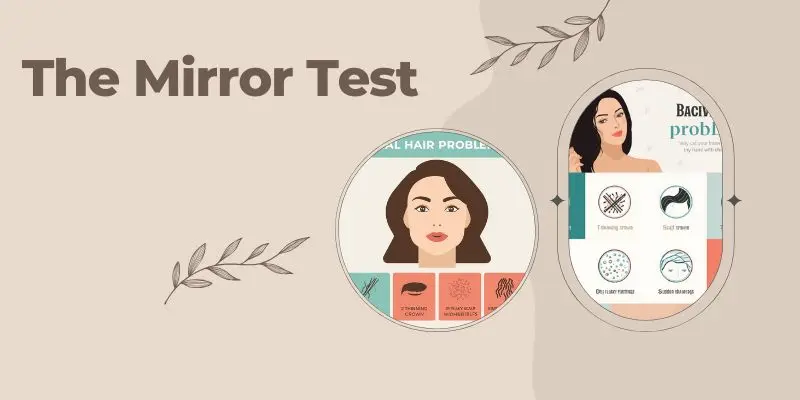
Sudden Shedding (Telogen Effluvium): If hair is coming out in clumps, it could be a reaction to a major stressor or a severe Zinc or Vitamin D deficiency.
Brittle, Straw-like Ends: This often indicates a protein deficiency. Since your hair is nearly 90% protein, a lack of amino acids leads to a weak hair shaft that snaps before it can reach its full length. While dietary protein supports hair from within, a protein hair mask can help strengthen and reinforce damaged strands externally.
Diffuse Thinning at the Crown: If you notice your part widening or overall “see-through” hair, I often look for iron deficiency hair loss. Iron carries oxygen to your follicles; without it, the follicle enters a “dormant” state.
A Dry, Flaky Scalp: This is frequently a sign that you are low on Omega-3 fatty acids or Vitamin A. Your scalp needs sebum (a natural oil) to lubricate hair as it emerges.
A Dry, Flaky Scalp: This is frequently a sign that you are low on Omega-3 fatty acids or Vitamin A. Your scalp needs sebum (a natural oil) to lubricate hair as it emerges. If dryness persists, these Dry Scalp Treatments at Home may help support a healthier scalp environment.
The Biology of the Follicle: How Hair Actually Grows
To understand why certain scalp health vitamins work, we have to look at the three phases of the hair life cycle.
- Anagen (The Growth Phase): This lasts 2–7 years. Your goal is to keep your hair in this phase as long as possible. This requires constant energy and blood flow.
- Catagen (The Transition Phase): A short 2-week period where the follicle shrinks.
- Telogen (The Resting Phase): Lasts about 3 months. At the end of this, the hair falls out, and a new one grows.
When you are nutritionally depleted, your body pushes hairs prematurely from the Anagen phase into the Telogen phase. This is why you won’t see the results of a diet change for 3 to 6 months; it takes that long for the “starved” hairs to finish shedding and for the “fed” hairs to emerge.
The “Big 5” Nutrients for Keratin Production
I focus on these five biological “pillars” for every client:
- Protein: The raw material for keratin production.
- Iron: The “oxygen taxi” for your roots.
- Biotin & B-Vitamins: The enzymes that help your body process protein.
- Omega-3s: The “shine” factors that keep the scalp supple.
- Zinc: The “repair man” that keeps oil glands functioning properly.
The Top 20 Foods for Healthy Hair Growth
The right foods can help support stronger, healthier hair. Here are 20 nutrient-rich foods that may promote healthy hair growth.
The Power Proteins
1. Eggs
I consider eggs the “gold standard” for hair. They contain both protein and biotin-rich yolks. Biotin is essential for the production of keratin, the primary hair protein.
2. Greek Yogurt
Packed with Vitamin B5 (pantothenic acid), which helps with blood flow to your scalp and prevents hair thinning.
3. Chicken and Turkey
Lean poultry provides high-quality amino acids needed to reinforce the hair shaft.
4. Lentils
A fantastic plant-based protein that also provides iron, zinc, and biotin.
The Fatty Acids (The “Shine” Group)
5. Salmon
Rich in omega-3 for hair shine, salmon provides fats your body cannot produce on its own. These fats reduce inflammation that can cause hair shedding.
6. Mackerel
Another fatty fish that is also a rare food source of Vitamin D, which is linked to creating new hair follicles.
7. Walnuts
These contain a significant amount of biotin and Vitamin E, which protects your cells from oxidative DNA damage.
8. Chia Seeds
A vegan powerhouse for Omega-3s and minerals.
9. Avocados
I love avocados for their Vitamin E content. One study found that Vitamin E can increase hair growth by 34.5% in people with hair loss 1. If you’re experiencing excessive shedding, our hair loss guide can help you understand the potential causes and treatment options.
The Leafy Greens (The Oxygenators)
10. Spinach
My top recommendation for iron deficiency hair loss. It also provides folate and Vitamin A.
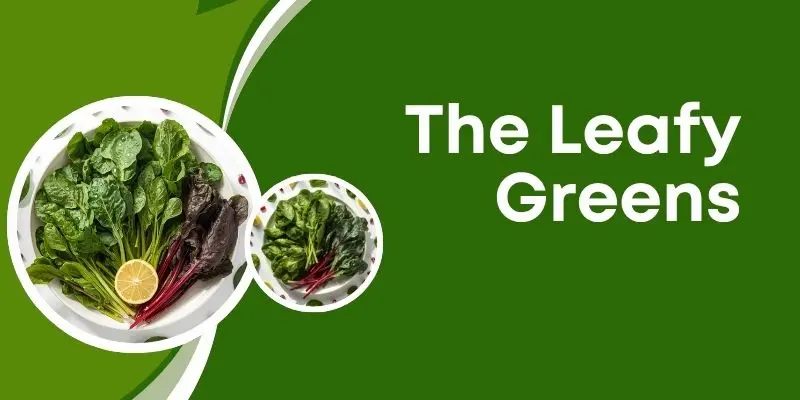
11. Kale
Extremely high in Vitamin C, which helps your body build collagen and absorb iron.
12. Swiss Chard
Contains syringic acid, which helps stabilize blood sugar important because insulin spikes can trigger hair loss in some people.
The Antioxidant Fruits
13. Guava
A single guava has 4x the Vitamin C of an orange. Vitamin C is vital for collagen production because it protects the hair shaft from breaking.
14. Berries
Strawberries and blueberries are loaded with antioxidants that protect follicles against damage from free radicals.
15. Oranges
Essential for iron absorption and Vitamin C synergy.
16. Kiwi
Provides a dense hit of Vitamin C and Vitamin E.
The “Secret” Seeds & Nuts
17. Pumpkin Seeds
These are the best seeds for hair growth in my opinion because they are incredibly rich in Zinc, which plays a crucial role in hair tissue growth and repair.
18. Sunflower Seeds
Just a handful provides a massive dose of Vitamin B and Vitamin E.
19. Almonds
High in Magnesium, a “stress-relieving” mineral that can help prevent stress-induced shedding.
The Root Veggies
20. Sweet Potatoes
Loaded with beta-carotene. The body converts this into Vitamin A, which is linked to sebum production. Without enough Vitamin A, your hair becomes itchy and brittle.
Nutrient Synergy: The “Cheat Sheet” for Absorption
Eating the right foods is only half the battle; you have to ensure your body can actually use them. I follow two golden rules:
1. The Iron + Vitamin C Connection
Non-heme iron (from spinach and lentils) is hard for the body to absorb. I always tell my clients to squeeze fresh lemon juice over their greens. Vitamin C breaks the iron down into a bioavailable form.
2. The Fat-Soluble Rule
Vitamins A, D, and E are fat-soluble. If you eat a plain carrot, you won’t absorb much of the Vitamin A. You must eat them with a healthy fat like avocado or olive oil.
3. Don’t Forget Water
Hydration supports scalp health and helps nutrients circulate through your body. Aim for at least 8 glasses daily; your hair follicles depend on proper circulation.
In these cases, you need a medical diagnosis, not just a meal plan.
When to Seek Medical Help
While I am a firm believer in the power of nutrition, I must be responsible: diet cannot fix everything. Please consult a doctor if:
- Your hair is falling out in distinct, smooth, round patches (this suggests Alopecia Areata, an autoimmune condition).
- Your hair loss is accompanied by extreme fatigue, cold intolerance, or sudden weight changes (this suggests a thyroid disorder).
- Your scalp is painful, crusty, or inflamed.
In these cases, you need a medical diagnosis, not just a meal plan.
Common Misconceptions (Fact vs. Fiction)
I see these two myths daily:
“The Biotin Miracle”: Biotin supplements only help if you are actually deficient. If you already have enough biotin, taking more won’t make your hair grow like Rapunzel’s. Focus on getting it from eggs and nuts first.
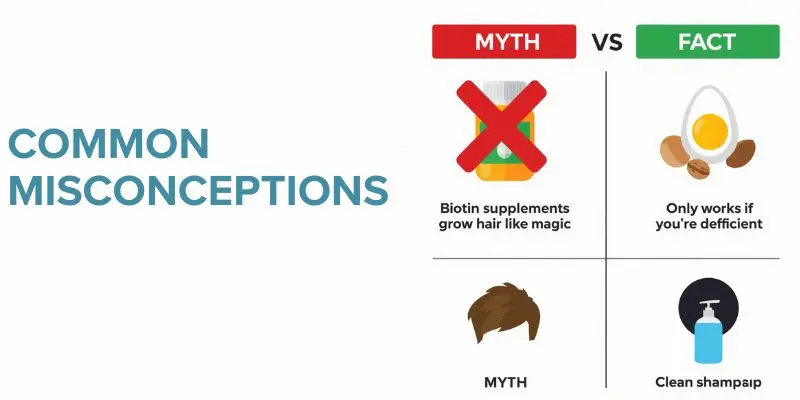
Dirty Hair Grows Faster: Many people stop washing their hair because they see strands in the drain. This is a mistake. A clogged, oily scalp can lead to inflammation and more hair loss. Keep your scalp clean so the “fed” hair can emerge easily.
The 7-Day “Lush Locks” Meal Plan
Here is a realistic way to integrate these 20 foods into your life.
| Day | Breakfast | Lunch | Dinner |
|---|---|---|---|
| Mon | Spinach & Feta Omelet (2 Eggs) | Salmon Salad with Walnuts | Grilled Chicken & Sweet Potato |
| Tue | Greek Yogurt with Berries & Chia | Quinoa & Lentil Bowl | Mackerel with Roasted Kale |
| Wed | Avocado Toast with Pumpkin Seeds | Turkey & Spinach Wrap | Chickpea Curry with Brown Rice |
| Thu | Berry Smoothie with Almond Butter | Spinach Salad with Sliced Oranges | Baked Salmon with Asparagus |
| Fri | Scrambled Eggs with Peppers | Lentil Soup with Kale | Lean Beef/Tofu Stir-fry with Broccoli |
| Sat | Greek Yogurt with Walnuts & Kiwi | Avocado & Egg Salad | Grilled Chicken with Sweet Potato Fries |
| Sun | Spinach Smoothie & Handful of Almonds | Quinoa, Black Bean & Avocado Bowl | Baked Cod with Lemon & Greens |
The Timeline: Managing Your Expectations
I want to be very clear: The 3-6 Month Rule is non-negotiable.
The hair you see in the mirror today was “built” three months ago. When you start eating these foods today, you are nourishing the hair that is currently sitting under your scalp. You likely won’t see a change in thickness for at least 90 days. Be patient. Your body is a precise, steady machine. Consistency is more important than intensity.
Submit Your Story
I want to hear from you. Have you noticed a change in your hair after changing your diet? Are you struggling with a specific deficiency? Share your journey in the comments below. I read every single one, and your story might be exactly what someone else needs to hear to keep going.
Conclusion
Foods for Healthy Hair Growth are the foundation of everything we discussed. At the end of the day, your hair is a reflection of your internal health. While it’s tempting to hunt for a “miracle serum,” the most effective way to achieve lasting thickness and natural shine is to feed your follicles from the inside out.
By focusing on the “Big 5” nutrients for hair growth, protein, iron, biotin, omega-3s, and zinc, you are giving your body the raw materials it needs to stimulate healthy hair regrowth and keep your hair in the growth phase as long as possible.
Whether you’re dealing with hair thinning, a dry scalp, or simply want to boost hair health naturally, the power is in your hands. Start incorporating these best foods for strong, healthy hair today and stay consistent with your choices.
Your hair growth journey is a marathon, not a sprint. Nourish your body, trust the science, and give your hair the time it needs to flourish. For more hair growth tips, focus on consistent habits that support long-term hair health. I’d love to hear which of these foods for healthy hair growth you’re planning to add to your grocery list first. Let me know in the comments below!
How This Article Was Created
With years of experience in wellness consulting and SEO-driven health content, this guide was developed by combining clinical nutritional guidelines from the National Institutes of Health (NIH) and the American Academy of Dermatology. Every food recommendation is based on peer-reviewed research regarding human hair follicle biology and nutritional biochemistry.
FAQs
Start by incorporating eggs, berries, and fatty fish like salmon into your weekly meal plan. Eggs provide biotin and protein building blocks for hair. Berries are full of antioxidants that protect your hair roots from damage. Salmon’s healthy fats keep your scalp hydrated and give your hair a natural shine.
Hair grows slowly compared to other tissues, so patience is essential. It typically takes three to six months to notice a real change in thickness because your body needs time to build new cells from the nutrients you eat. However, you will likely feel your hair getting stronger much sooner. Stay consistent with your healthy eating habits to see the best results.
Yes. Foods rich in iron and zinc, like spinach and lentils, help carry vital oxygen to your hair follicles, preventing hair from falling out before it reaches its full length. A balanced plate is often your best defense against early hair thinning.
Limit high-sugar snacks and processed foods. High sugar intake can cause inflammation that accelerates hair shedding. Instead, choose fresh fruits, nuts, and whole grains. Avoiding these habits helps your hair stay in the growth phase longer.
Yes. Pumpkin seeds are very high in zinc, which helps repair hair tissue. Flaxseeds provide the omega-3 fats your body needs for a healthy glow. Sprinkle these seeds on your morning breakfast or salads; it’s one of the easiest ways to boost your daily nutrient intake.


- Be Respectful
- Stay Relevant
- Stay Positive
- True Feedback
- Encourage Discussion
- Avoid Spamming
- No Fake News
- Don't Copy-Paste
- No Personal Attacks
- Be Respectful
- Stay Relevant
- Stay Positive
- True Feedback
- Encourage Discussion
- Avoid Spamming
- No Fake News
- Don't Copy-Paste
- No Personal Attacks
