Hair Mask for Curly Hair: How to Choose the Best One for Dry, Frizzy & Damaged Curls
Published: 29 May 2026
A hair mask for curly hair can make a big difference when your curls look dry, frizzy, undefined, or tired, even after conditioning. I know how frustrating that feels. Curly hair can be beautiful, expressive, and full of personality, but it also needs the right kind of moisture, strength, and care to stay soft and manageable.
A good hair mask for curly hair can help soften rough strands, reduce tangles, improve manageability, and support better curl definition. It will not magically repair split ends or reverse severe damage overnight, but the right formula can make dry or damaged curls look and feel healthier.
In this guide, I’ll walk you through how to choose the best hair mask for curly hair based on your curl type, porosity, dryness, damage, and wash-day routine.
What Is the Best Hair Mask for Curly Hair?
The best hair mask for curly hair depends on what your curls need most. Dry curls usually need moisture. Weak, limp, or over-processed curls may need protein. Bleached or chemically treated curls may benefit from bond-repair formulas. Fine curls need lightweight hydration, while thick or coily curls often need richer creams.
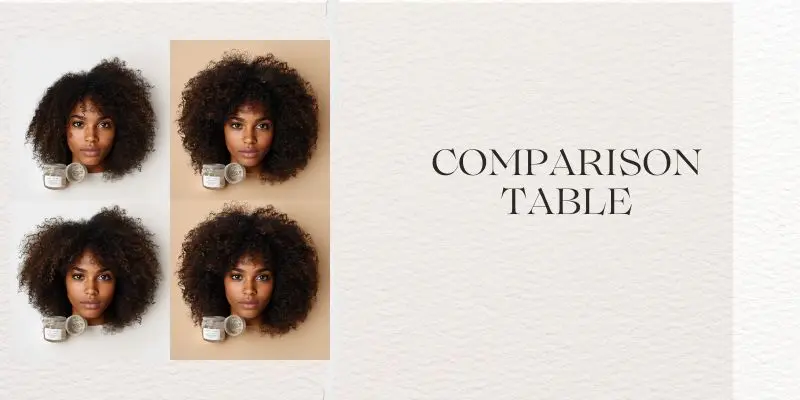
Curly and tightly coiled hair can be more prone to dryness and breakage, so choosing the right mask matters. Dermatologists from the American Academy of Dermatology note that curly and tightly coiled hair often needs gentle care because it can dry out and break more easily than other hair types.
| Hair concern | Best mask type | Ingredients to look for | How often to use |
| Dry curls | Moisture mask | Aloe vera, honey, glycerin, shea butter | About once weekly |
| Frizzy curls | Smoothing Moisture Mask | Argan oil, avocado oil, shea butter | Weekly or as needed |
| Damaged curls | Protein or repair mask | Hydrolyzed protein, keratin, amino acids | Every 2–4 weeks |
| Fine curly hair | Lightweight mask | Aloe vera, hyaluronic acid, light oils | Every 1–2 weeks |
| Thick curly hair | Rich moisture mask | Shea butter, coconut milk, avocado oil | Weekly |
| Low porosity curls | Lightweight, water-based mask | Aloe vera, honey, glycerin | Every 1–2 weeks |
| High porosity curls | Rich moisture/protein mask | Oils, butters, proteins | Weekly or as needed |
| Color-treated curls | Repair or protein mask | Amino acids, keratin, bond-supporting ingredients | Every 1–3 weeks |
| Coily or 4C hair | Rich deep conditioning mask | Shea butter, castor oil, honey, avocado oil | Often weekly |
Why Curly Hair Needs a Mask
Curly hair often needs extra conditioning because its shape makes it harder for natural scalp oils to coat the full strand evenly. That can leave the ends feeling dry, rough, or fragile.
A deep-conditioning mask for curly hair provides your strands with a more concentrated treatment than a regular rinse-out conditioner. It can help with softness, slip, and easier hair detangling. Following a proper hair detangling guide can further improve manageability and help reduce breakage.
Hair masks also help reduce friction during styling. Research on hair cosmetics notes that friction and abrasion can contribute to hair damage and breakage, especially when hair lacks lubrication.
Still, I like to keep expectations realistic. A curly hair mask can improve the feel and appearance of your hair, but it cannot permanently seal split ends or replace a haircut when the ends are badly damaged.
Moisture Mask vs. Protein Mask vs. Bond-Repair Mask
Not every mask does the same job. Before buying or mixing one at home, I always ask: Does my hair need moisture, strength, or damage support?
Moisturizing Hair Mask for Curly Hair
A moisturizing hair mask for curly hair is best when your curls feel dry, rough, frizzy, tangled, or dull.
full guide: Shea butter hair mask, Aloe vera gel hair masks, honey hair mask, avocado oil for hair,
argan oil for hair
Look for ingredients like:
- Aloe vera
- Honey
- Glycerin
- Shea butter
- Avocado oil
- Argan oil
- Coconut milk
This type of mask works well when your curls feel thirsty but still have decent elasticity.
Protein Hair Mask for Curly Hair
A protein hair mask for curly hair is better when your curls feel weak, limp, overly soft, or prone to breakage. Protein-based formulas may help temporarily strengthen the feel of damaged strands, especially if your hair has heat, bleach, or chemical damage.
Look for:
- Hydrolyzed protein
- Keratin
- Amino acids
- Rice protein
- Yogurt in DIY recipes
But protein is not something I use carelessly. Too much protein can make some curls feel stiff, brittle, or dry. If that happens, switch back to moisture.
Bond-Repair Hair Masks
Bond-repair masks are designed for hair affected by bleach, color, chemical treatments, or heat styling. Chemical procedures like bleaching can cause structural and chemical damage to the hair fiber, so repair-focused products may help improve the feel and manageability of compromised strands.
I would not expect a bond-repair mask to “undo” all damage, but it can be useful in a routine for fragile, processed curls.
How to Choose a Hair Mask for Your Curl Type
Every curl type needs different care. Choosing the right hair mask for your curls can help keep your hair soft, healthy, and easier to manage.
Wavy Hair
Wavy hair usually needs a lightweight curly-hair mask that adds hydration without flattening the curl pattern. I would avoid heavy butters near the roots and focus on the mid-lengths and ends.
Curly Hair
Classic curly hair often needs a balance of moisture and occasional protein. If your curls feel dry and frizzy, start with moisture. If they look limp and break easily, try a gentle protein treatment.
Coily and 4C Hair
Coily and 4C hair often benefits from richer masks, careful sectioning, and extra time. I like applying the mask in small sections so every strand gets coated. A shower cap or warm towel can also help the product spread more evenly.
Fine Curly Hair
Fine curls can get weighed down quickly. Choose a lightweight hair mask for curly hair with aloe, light oils, or water-based ingredients. Skip thick butters on the scalp area unless your hair truly needs them.
Thick Curly Hair
Thick curls can usually handle richer creams, oils, and butters. If your hair drinks up product quickly, a dense mask with shea butter, avocado oil, or coconut milk may work beautifully.
Additional guidance:
curl type, 3B curls, common challenges faced by 3B curls, and keeps curls in place overnight.
How to Choose a Hair Mask by Porosity
Porosity describes how easily your hair absorbs and holds moisture. Understanding high porosity hair can help you choose the right products and treatments. Porosity often changes with damage, color, heat, and chemical processing.
Low Porosity Curly Hair
Low porosity curls can resist moisture. Products may sit on top of the hair instead of sinking in.
I usually recommend:
- Lightweight, water-based masks
- Warmth, steam, or a shower cap
- Avoiding heavy buildup
- Clarifying when products stop working
A heavy mask may make low porosity curls feel coated, so start light.
High Porosity Curly Hair
High porosity curls often absorb moisture quickly but lose it just as fast. This can happen naturally, but it also appears after bleach, color, heat, or chemical damage.
Try:
- Richer masks
- Moisture-sealing ingredients
- Occasional protein
- Oils and butters on the lengths and ends
Best Ingredients in a Hair Mask for Curly Hair
Some ingredients work better for curly hair than others. Ingredients like shea butter, aloe vera, and coconut oil can help add moisture, reduce frizz, and make curls look smoother.
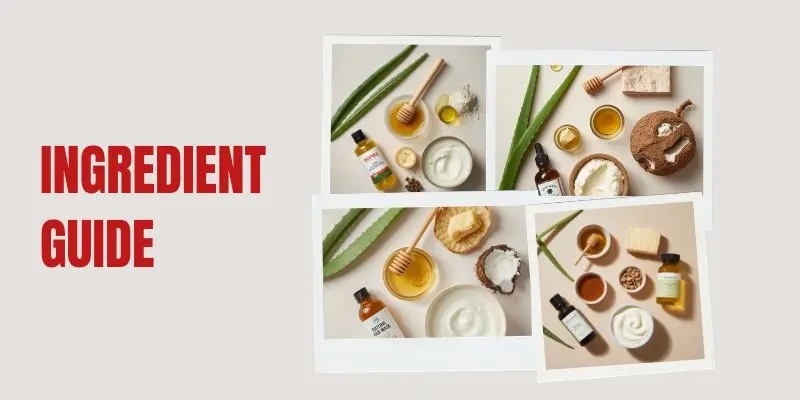
Best Ingredients for Moisture
For dry curls, I look for aloe vera, honey, glycerin, shea butter, avocado oil, argan oil, and coconut milk. These ingredients can help the hair feel softer, smoother, and easier to detangle.
Best Ingredients for Strength
For weak or damaged curls, I look for hydrolyzed protein, keratin, amino acids, rice water, or yogurt. These are especially helpful in a protein hair mask for curly hair, but I would not use them every wash day unless my hair clearly responds well.
Ingredients to Be Careful With
Some ingredients are helpful for one curl type and too much for another. Heavy butters can flatten fine curls. Too much protein can make hair feel stiff. Coconut oil can leave some hair feeling hard or coated. Strong may bother sensitive scalps.
DIY ingredients also need care. Banana, avocado, and rice water for hair can leave residue if used poorly.
How to Use a Hair Mask on Curly Hair
Here is the simple method I trust most:
- Start with clean or freshly washed hair.
- Gently squeeze out extra water.
- Divide your hair into sections.
- Apply the curly hair mask from mid-lengths to ends.
- Use your fingers or a wide-tooth comb to distribute it.
- Let it sit for the recommended time.
- Use a shower cap, warm towel, or steam if helpful.
- Rinse thoroughly.
- Follow with leave-in conditioner or styling products.
What Not to Do
Do not leave strong protein masks on too long. Do not apply heavy masks to oily roots unless your scalp truly needs it. Do not use DIY masks without blending them smoothly. And do not expect one treatment to fix severe damage permanently.
The AAD also recommends gentle handling, washing in sections for long or thick hair, and avoiding overly frequent washing when it dries out curly hair.
How Often Should You Use a Hair Mask for Curly Hair?
For dry curly hair, I usually suggest a moisturizing mask about once a week. Healthy curls may only need one every 1–2 weeks. Damaged curls may need weekly moisture and less frequent protein.
Fine curls often need lighter masks less often. Coily or thick curls may benefit from weekly masking, depending on dryness.
Your hair will tell you a lot. If it feels soft, bouncy, and defined, you are probably on the right track. If it feels limp, greasy, stiff, or coated, adjust the formula or frequency.
DIY Hair Mask for Curly Hair: 5 Recipes That Actually Make Sense
A DIY hair mask for curly hair can be useful when you want a simple, budget-friendly option. I still recommend patch testing and rinsing carefully.
Avocado and Honey Hair Mask for Dry Curly Hair
Best for: dry, rough curls.
Ingredients: ½ ripe avocado, 1 tablespoon honey, 1 tablespoon aloe vera or olive oil.
How to apply: Blend until completely smooth, apply to damp hair, and cover with a cap.
Time: 15–20 minutes.
Tip: This hair mask for dry curly hair works best when blended very well.
Aloe Vera and Yogurt Curly Hair Mask
Best for: light hydration with gentle protein.hydrating hair mask
Ingredients: 2 tablespoons aloe vera gel and 2 tablespoons plain yogurt.
How to apply: Apply to damp hair in sections.
Time: 10–15 minutes.
Tip: Avoid this if your scalp reacts badly to dairy.
Banana and Coconut Milk Homemade Hair Mask for Curly Hair
Best for: thick, dry curls.
Ingredients: ½ banana and 2 tablespoons of coconut milk.
How to apply: Blend until silky smooth. Strain if needed.
Time: 15 minutes.
Tip: This homemade hair mask for curly hair can leave bits behind if you do not blend it properly.
Honey and Olive Oil Moisturizing Hair Mask
Best for: frizz and dry ends.
Ingredients: 1 tablespoon of honey and 1 tablespoon of olive oil.
How to apply: Apply mainly to the ends.
Time: 15–20 minutes.
Tip: This is a simple moisturizing hair mask for curly hair, but use less oil if your curls are fine.
Rice Water or Yogurt Protein Hair Mask
Best for: weak or limp curls.
Ingredients: diluted rice water or plain yogurt.
How to apply: Apply lightly and rinse well.
Time: 5–10 minutes.
Tip: Do not use this protein-heavy option too often.
Store-Bought vs. DIY Hair Masks: Which Is Better?
Both can work. I use store-bought masks when I want consistency and DIY masks when I want something simple and affordable.
| Type | Pros | Cons | Best for |
| Store-bought hair masks | Consistent, easy to rinse, targeted | Can cost more | Regular wash days |
| DIY hair masks | Affordable, customizable | Messy, less predictable | Occasional treatments |
| Deep conditioners | Easy hydration | May not target damage | Dry or tangled curls |
| Protein masks | Help weak-feeling hair | Can feel stiff if overused | Breakage-prone curls |
| Bond-repair masks | Good for processed hair | Often expensive | Bleached or chemically treated curls |
A DIY hair mask for curly hair makes sense if your hair tolerates the ingredients. A store-bought mask makes sense if you want a formula that rinses clean and performs predictably.
Best Hair Mask Routine for Curly Wash Day
Using a hair mask on wash day can help keep curly hair hydrated and strong. Applying a deep conditioning mask once or twice a week can make curls softer and easier to style.
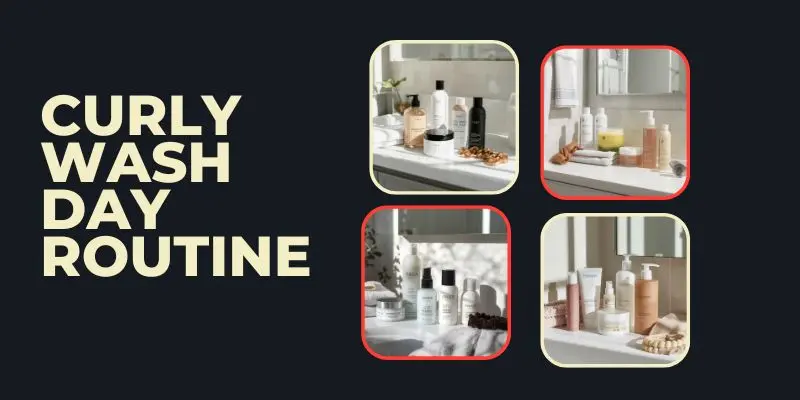
Routine for Dry Curls
Cleanse → moisturizing mask → leave-in conditioner → curl cream → gel.
Routine for Damaged Curls
Gentle shampoo → repair or protein mask → moisturizing conditioner → leave-in → heat protectant.
Routine for Frizzy Curls
Hydrating shampoo → smoothing mask → leave-in conditioner → gel or mousse.
Routine for Low Porosity Curls
Clarify → lightweight mask → heat or steam → rinse well → lightweight styling hair products.
Common Mistakes to Avoid When Using a Hair Mask for Curly Hair
The biggest mistake I see is choosing a mask based on hype instead of hair needs. If your hair needs moisture, protein will not solve everything. If your hair feels weak and mushy, moisture alone may not be enough.
Other mistakes include applying too much product, failing to rinse thoroughly, using masks too often, ignoring scalp irritation, assuming expensive always means better, and leaving DIY masks in overnight.
If you notice scalp burning, unusual shedding, sores, or sudden hair loss, stop experimenting and speak with a dermatologist or qualified hair professional. Mayo Clinic notes that hair loss can come from many causes, including medical conditions, medications, hormonal changes, and scalp infections.
Share Your Curly Hair Mask Experience
Have you found a hair mask that changed your wash day? I’d love to hear what worked for your curls, what failed, and what you learned along the way. Curly hair care gets easier when real people share real experiences.
Final Thoughts
The right hair mask for curly hair depends on your curl type, porosity, dryness, damage, and routine. Start with your biggest concern. If your curls feel dry, choose moisture. If they feel weak, consider protein. If they are bleached or chemically treated, look at repair-focused masks.
The best routine is not the most complicated one. It is the one your curls respond to consistently.
How This Article Was Created
This article was created using SEO research, curly hair care best practices, ingredient knowledge, dermatology-backed guidance, and reputable hair science references. It is educational and does not replace advice from a licensed dermatologist, trichologist, or hairstylist, especially if you have scalp irritation, sudden hair loss, severe breakage, or allergic reactions.
FAQs
A hair mask for curly hair works best when it matches your curl needs. If your curls feel dry, choose a moisturizing mask with aloe vera, honey, shea butter, or argan oil. If your curls feel weak or break easily, try a protein hair mask for curly hair. Fine curls need a light formula, while thick or coily curls may need richer creams. The best hair mask for curly hair is the one that gives softness without making your hair feel heavy.
Most people can use a curly hair mask once a week or every two weeks. Dry curly hair may need a deep conditioning mask for curly hair more often. Fine curls may need it less because too much product can weigh them down. If your hair feels soft, bouncy, and clean, your routine is working. If it feels greasy, stiff, or coated, use the mask less often.
Yes, a moisturizing hair mask for curly hair is one of the best choices for dry curls. It helps add softness, slip, and shine. Look for ingredients like aloe vera, glycerin, honey, avocado oil, and shea butter. These ingredients can help curls feel smoother and easier to detangle. A hair mask for dry curly hair works best when you apply it to clean, damp hair.
Yes, you can use a DIY hair mask for curly hair if your scalp and hair tolerate the ingredients. Simple options include avocado and honey, aloe vera and yogurt, or banana and coconut milk. A homemade hair mask for curly hair can be affordable and easy to make. But you should blend it well so it rinses out cleanly. Always patch test first if your skin is sensitive.
Choose a moisture mask if your curls feel dry, rough, frizzy, or tangled. Choose a protein hair mask for curly hair if your curls feel weak, limp, or break easily. Many curly hair routines need both, but not at the same time every wash day. Too much protein can make curls feel stiff. Start with moisture first, then add protein only when your hair needs strength.




- Be Respectful
- Stay Relevant
- Stay Positive
- True Feedback
- Encourage Discussion
- Avoid Spamming
- No Fake News
- Don't Copy-Paste
- No Personal Attacks
- Be Respectful
- Stay Relevant
- Stay Positive
- True Feedback
- Encourage Discussion
- Avoid Spamming
- No Fake News
- Don't Copy-Paste
- No Personal Attacks
