Keratin Hair Mask Benefits: Repair Dry, Damaged Hair
Published: 1 Jun 2026
If you’ve been dealing with frizz, dryness, breakage, or dull-looking hair, you’ve probably come across the term keratin hair mask. Over the past few years, keratin-based hair care products have become increasingly popular among people looking for smoother, stronger, and more manageable hair without committing to expensive salon treatments.
A keratin hair mask is a deep-conditioning treatment formulated with keratin proteins and other nourishing ingredients designed to support damaged hair, improve moisture retention, and temporarily strengthen the hair shaft. Unlike daily conditioners, these masks are intended to provide more intensive care.
In this guide, I’ll explain what keratin is, how keratin hair masks work, their benefits, potential drawbacks, and how to choose the right formula for your hair type. Whether you have curly hair, color-treated hair, heat damage, or simply want healthier-looking strands, this article will help you make an informed decision.
What Is Keratin?
Before you can understand how a keratin hair mask works, it helps to know what keratin actually is.
Keratin is a naturally occurring structural protein that makes up most of your hair, skin, and nails. In healthy hair, keratin fibers form the foundation of each strand, helping it remain strong, flexible, and resistant to damage. Think of keratin as the framework that gives hair its strength and shape.
Every hair strand contains multiple layers. The outermost layer, called the cuticle, protects the inner cortex where much of the hair’s keratin is stored. When the cuticle becomes damaged, the inner protein structure becomes more vulnerable to moisture loss, breakage, and frizz.
Natural Role of Keratin in Hair
Keratin helps maintain:
- Hair strength
- Elasticity
- Smoothness
- Shine
- Resistance to breakage
When hair contains adequate protein and moisture, it tends to look healthier and feel more manageable.
Why Hair Loses Keratin
Hair loses keratin gradually through daily wear and tear. full detail hair loss guide
Some of the most common causes include:
- Frequent blow-drying
- Flat iron use
- Hair bleaching
- Permanent coloring
- Chemical straightening
- UV exposure
- Pollution
- Excessive brushing
Over time, these factors can weaken the cuticle and contribute to protein loss. This is often why damaged hair feels rough, dry, and difficult to manage.
How Does a Keratin Hair Mask Work?
One of the biggest misconceptions about keratin hair masks is that they permanently repair damaged hair. In reality, they work by temporarily improving the condition and appearance of the hair shaft.
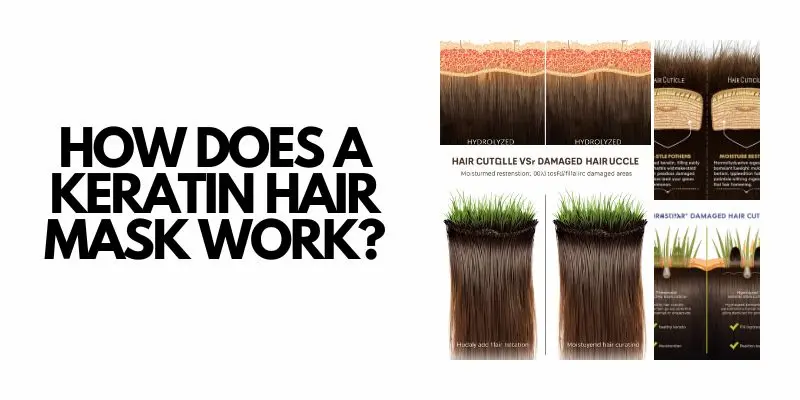
A quality keratin hair mask combines protein-rich ingredients with moisturizers and conditioning agents to help strengthen and smooth the hair. Read my simple tutorial on a protein hair mask
Hair Cuticle Repair Mechanism
When hair becomes damaged, the cuticle develops tiny cracks and rough areas. These imperfections prevent light from reflecting evenly, which is why damaged hair often looks dull.
Keratin-rich formulas help fill in some of these weakened areas on the hair surface. As a result, hair often feels smoother and appears shinier after treatment.
Protein Replenishment
Many products contain hydrolyzed keratin, which has been broken down into smaller molecules.
These smaller protein fragments can adhere more effectively to damaged areas of the hair shaft, helping reinforce weak spots and reduce breakage.
Moisture Retention and Hydration Support
Protein alone is not enough for healthy hair.
Most keratin masks also contain moisturizing ingredients such as argan oil for hair, coconut oil for hair, glycerin, ceramides, and fatty alcohols. These ingredients help reduce moisture loss and improve softness.
How Hydrolyzed Keratin Works on Damaged Hair
Hydrolyzed keratin acts like a temporary patch for damaged strands. It does not permanently rebuild hair, but it can improve texture, reduce frizz, and increase manageability.
This combination of protein support and hydration is what makes keratin hair masks particularly effective for dry hair, brittle hair, and heat-damaged hair. Hydrating mask guide hydrating hair mask
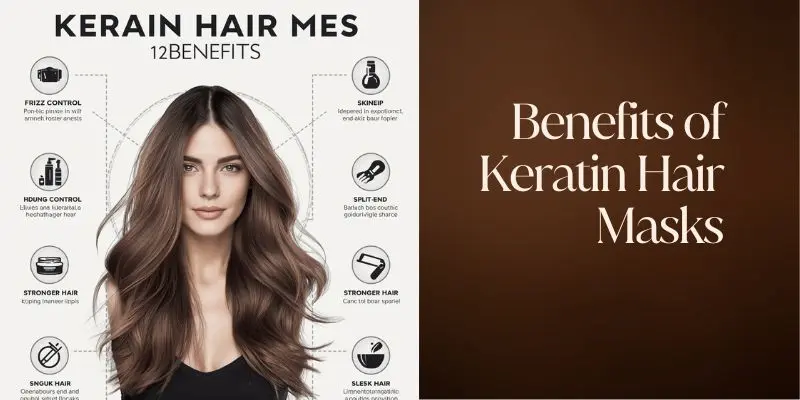
12 Proven Benefits of Keratin Hair Masks
A well-formulated keratin hair mask can deliver several noticeable improvements when used consistently.
1. Frizz Control
Keratin helps smooth rough cuticles, reducing flyaways and improving frizz control.
Best for: Humid climates and naturally frizzy hair.
2. Smoother Hair
A smoother cuticle surface creates a silkier texture and improved softness.
Best for: Dry and coarse hair.
3. Sleek Hair Appearance
Keratin masks can enhance hair alignment, creating a sleeker appearance without chemical straightening.
Best for: Wavy and slightly unruly hair.
4. Hair Strengthening
Protein-rich formulas support hair strengthening by reinforcing weakened strands.
Best for: Chemically processed hair.
5. Reduced Hair Breakage
Stronger hair is less likely to snap during brushing or styling.
Best for: Brittle hair and damaged hair.
6. Split End Management
Although split ends cannot be permanently repaired, keratin masks can temporarily improve their appearance.
Best for: Long hair with visible wear.
7. Deep Conditioning
Most keratin hair masks combine protein and moisture for deep conditioning benefits.
Best for: Dry hair. Dry hair masks
8. Hair Nourishment
Ingredients such as amino acids, argan oil, and biotin help nourish the hair surface.
Best for: Dull hair.
9. Improved Shine
A smoother cuticle reflects more light, creating noticeable shine.
Best for: Color-treated hair.
10. Better Manageability
Keratin treatments can make detangling and styling easier.
Best for: Thick and curly hair.
11. Heat Damage Repair Support
Keratin masks may help improve the appearance of heat-damaged hair while providing temporary protection.
Best for: Frequent heat tool users.
12. Enhanced Elasticity
Balanced protein support may improve elasticity and reduce snapping.
Best for: Fragile hair.
Can a Keratin Hair Mask Repair Damaged Hair?
A keratin hair mask can help improve the appearance of damaged hair by reducing frizz, boosting smoothness, and supporting hair strength. However, understanding its limitations is just as important as knowing its benefits.
Protein Loss in Damaged Hair
Hair damage often involves loss of proteins and weakening of the cuticle layer.
Repeated heat styling and chemical treatments can accelerate this process.
What Keratin Can Realistically Improve
A keratin hair mask may:
- Improve softness
- Reduce frizz
- Enhance shine
- Improve manageability
- Support hair strengthening
- Reduce breakage
Limitations of Keratin Hair Masks
Hair is not living tissue. Once damaged, it cannot fully regenerate itself.
Keratin masks help improve appearance and manageability, but they cannot permanently reverse severe structural damage.
Expectations vs Reality
Think of a keratin hair mask as maintenance rather than a permanent repair solution.
Consistent use often delivers the best visible results.
Keratin Hair Mask Comparisons
Not all hair treatments work the same way. Comparing a keratin hair mask with conditioners, protein treatments, and salon services can help you choose the best option for your hair goals.
Keratin Hair Mask vs Conditioner
| Feature | Keratin Hair Mask | Conditioner |
|---|---|---|
| Purpose | Deep treatment | Daily moisture |
| Protein Content | Higher | Lower |
| Usage | Weekly | Every wash |
| Results | Intensive repair support | Surface conditioning |
Keratin Hair Mask vs Hair Spa
| Feature | Keratin Mask | Hair Spa |
| Cost | Affordable | More expensive |
| Location | Home | Salon |
| Frequency | Weekly | Monthly |
| Results | Consistent maintenance | Intensive treatment |
Keratin Hair Mask vs Salon Keratin Treatment
| Feature | Keratin Mask | Salon Treatment |
| Longevity | Days | Weeks to months |
| Cost | Low | High |
| Straightening Effect | Minimal | Significant |
| Maintenance | Easy | More extensive |
Keratin Hair Mask vs Protein Treatment
| Feature | Keratin Mask | Protein Treatment |
| Protein Level | Moderate | Higher |
| Frequency | Regular use | Occasional |
| Moisture Support | Often included | Varies |
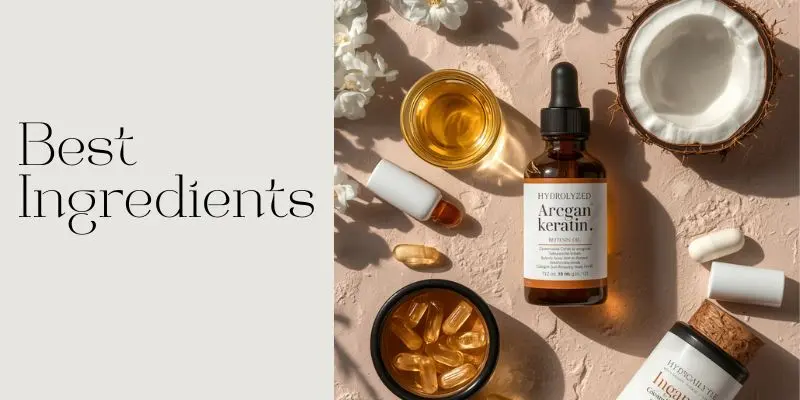
Best Ingredients to Look For in a Keratin Hair Mask
Not all keratin masks are created equal. The best formulas combine protein with nourishing ingredients that support both strength and hydration.
Hydrolyzed Keratin
This is one of the most important ingredients to look for.
Hydrolyzed keratin consists of smaller protein fragments that can adhere more effectively to damaged areas of the hair shaft. It helps improve smoothness, reduce breakage, and strengthen weakened strands.
Amino Acids
Hair is made of amino acids linked together to form proteins.
Adding amino acids to hair products can help support strength, flexibility, and overall hair health.
Argan Oil
Argan oil is rich in fatty acids and antioxidants that help soften hair and improve moisture retention.
Biotin
Although biotin is often associated with hair growth supplements, it is frequently included in strengthening hair care products as part of a broader support system.
Collagen
Collagen helps improve moisture retention and may contribute to smoother-looking hair.
Ceramides
Ceramides help strengthen the protective barrier surrounding the hair cuticle, reducing moisture loss and improving resilience.
Coconut Oil
Research suggests coconut oil may help reduce protein loss in hair, making it a valuable ingredient in repair-focused formulas.
Ingredients to Avoid
Sulfates
May strip moisture and shorten treatment benefits.
Drying Alcohols
Can contribute to dryness in sensitive hair types.
Excessive Silicones
May create a buildup over time.
Heavy Buildup Ingredients
Some formulas leave residue that can weigh hair down.
How to Use a Keratin Hair Mask Correctly
- Shampoo your hair thoroughly.
- Remove excess water.
- Apply the mask from mid-lengths to ends.
- Distribute evenly using fingers or a wide-tooth comb.
- Leave on according to product instructions.
- Rinse thoroughly.
- Follow with leave-in products if needed.
Common Application Mistakes
- Using too much product
- Applying directly to the scalp
- Leaving the mask on excessively long
- Using protein treatments too frequently
How Often Should You Use a Keratin Hair Mask?
Fine Hair
Every 1–2 weeks.
Thick Hair
Once weekly.
Curly Hair
Once weekly or as needed.
Color-Treated Hair
Weekly to support moisture retention.
Damaged Hair
One to two times per week, depending on condition.
DIY Natural Keratin Hair Mask Recipes
Homemade hair masks can provide moisture and nourishment using simple ingredients from your kitchen. While they cannot fully replace professional keratin formulas, they can still support healthier-looking hair.
Recipe #1: Egg and Yogurt Mask
Ingredients:
- 1 egg
- 2 tablespoons yogurt
Benefits:
Provides proteins and conditioning.
Limitations:
Does not contain hydrolyzed keratin.
Recipe #2: Coconut Oil and Avocado Mask
Ingredients:
- Half avocado
- 2 tablespoons coconut oil
Benefits:
Excellent hydration support.
Limitations:
Primarily moisturizing rather than keratin-replenishing.
Recipe #3: Banana and Honey Mask
Ingredients:
- 1 banana
- 1 tablespoon honey
Benefits:
Improves softness and shine.
Limitations:
Cannot replicate professional keratin formulations. guideline (Banana Hair Mask)
Common Mistakes People Make
Using a keratin hair mask incorrectly can limit its benefits and sometimes lead to unwanted results. Avoiding a few common mistakes can help you get smoother, stronger, and healthier hair.
Overusing Protein Treatments
Too much protein may lead to stiffness.
Protein Overload
Hair can become rough, brittle, or less flexible.
Applying Masks Incorrectly
Using masks on the scalp may cause buildup.
Neglecting Moisture
Protein and moisture should remain balanced.
Using Incompatible Products
Harsh shampoos can reduce benefits.
Can Keratin Hair Masks Cause Side Effects?
Possible issues include:
Protein Overload
Signs include stiffness and dryness.
Hair Stiffness
Often occurs when protein exceeds moisture.
Product Buildup
Heavy formulas may weigh hair down.
When to Reduce Usage
If hair feels hard or brittle, reduce frequency.
Balancing Protein and Moisture
Alternate protein treatments with hydrating masks.
Best Keratin Hair Masks for Different Hair Types
The best keratin hair mask depends on your hair type, texture, and level of damage. Choosing the right formula can make a noticeable difference in your results. Full detail Hair texture
Fine Hair
Choose lightweight formulas with hydrolyzed keratin.
Curly Hair
Look for added oils and ceramides.
Color-Treated Hair
Prioritize sulfate-free formulas.
Damaged Hair
Seek protein-rich masks with amino acids.
Dry Hair
Focus on moisture-rich formulas containing argan oil and coconut oil.
Results Timeline: What to Expect
Many people notice softer and smoother hair after the first use, but long-term improvements take consistency. Understanding the expected timeline can help set realistic expectations.
Immediate Results
Softer and smoother hair after one use.
Short-Term Results
Improved shine and manageability within a few weeks.
Long-Term Benefits
Less breakage and healthier-looking hair with consistent use.
Maintenance Expectations
Results require ongoing maintenance.
Common Myths About Keratin Hair Masks
There are many misconceptions about keratin hair masks, from permanent repair claims to protein overload concerns. Separating myths from facts can help you make better hair care decisions.
Myth: Keratin Permanently Repairs Hair
Fact: Keratin improves appearance but cannot permanently restore damaged hair.
Myth: More Keratin Means Better Results
Fact: Excessive protein may cause protein overload.
Myth: Keratin Masks Replace Conditioners
Fact: Most people still benefit from regular conditioning.
Myth: Every Hair Type Needs Protein
Fact: Some hair types require more moisture than protein.
Signs a Keratin Hair Mask May Not Be Right for You
Watch for:
- Excessive dryness
- Stiffness
- Protein sensitivity
- Persistent buildup
If these issues occur, reduce frequency or try a more moisturizing formula.
Expert Tips for Maintaining Results
A keratin hair mask works best when combined with healthy hair care habits. A few simple maintenance tips can help extend the benefits and keep your hair looking its best.
Sulfate-Free Maintenance
Use gentle cleansers whenever possible.
Heat Protection
Always apply a heat protectant before styling.
Hydration Balance
Alternate between protein and moisture treatments.
Hair Care Routine Optimization
Avoid excessive heat and chemical processing.
Product Pairing Strategies
Match masks with shampoos and conditioners designed for your hair type.
Share Your Experience
I’d love to hear about your experience with keratin hair masks.
Tell us:
- Your hair type
- The results you noticed
- Your favorite keratin products
- DIY recipes that worked for you
Your insights may help others find the right solution for their hair goals.
Conclusion
A keratin hair mask can be a valuable addition to a healthy hair care routine, especially if you struggle with frizz, dryness, breakage, or heat damage. While it cannot permanently repair damaged hair, it can improve smoothness, shine, manageability, and overall appearance when used consistently.
The best results come from choosing a formula suited to your hair type, balancing protein with moisture, and maintaining healthy hair habits. Whether you choose a salon-quality treatment or a budget-friendly option, understanding how keratin works will help you get the most from your investment.
How This Article Was Created
This article was created using cosmetic science principles, hair biology research, trichology insights, ingredient science, manufacturer formulation information, and evidence-based hair care guidance. The content reflects current understanding of how keratin-containing products interact with the hair shaft and incorporates information commonly supported by dermatology, cosmetic chemistry, and professional hair care resources.
Frequently Asked Questions
Yes, a keratin hair mask can help improve the look and feel of damaged hair. It works by coating weak areas of the hair shaft and making strands feel smoother and stronger. Many people use it to reduce hair breakage, frizz, and dryness. While it cannot permanently repair damaged hair, it can improve manageability and shine. For best results, use it regularly as part of a balanced hair care routine.
The ideal frequency depends on your hair type and condition. Most people can use a keratin hair mask once a week. If your hair is very dry or heat-damaged, you may benefit from using it twice a week. Fine hair usually needs less frequent treatments to avoid product buildup. Always follow the instructions on the product label and monitor how your hair responds.
A conditioner provides daily moisture and helps detangle hair after washing. A keratin hair mask offers deeper treatment and contains higher levels of strengthening ingredients. It is designed to improve hair texture, reduce frizz, and support hair strengthening. Most people use conditioner after every wash, while a keratin mask is used weekly. Both products can work together in a healthy hair care routine.
Yes, one of the biggest benefits of a keratin hair mask is frizz control. Keratin helps smooth the hair cuticle, which can reduce flyaways and make hair easier to manage. Many formulas also contain hydrating ingredients such as argan oil, amino acids, and coconut oil. These ingredients help lock in moisture and improve smoothness. Regular use may leave hair looking sleeker and shinier.
Yes, curly hair can benefit from a keratin hair mask when used correctly. Curly hair often loses moisture more easily, which can lead to dryness and frizz. A keratin mask can help improve softness, definition, and manageability. Choose a formula that combines protein with moisturizing ingredients like ceramides and natural oils. This helps maintain a healthy balance between strength and hydration.



- Be Respectful
- Stay Relevant
- Stay Positive
- True Feedback
- Encourage Discussion
- Avoid Spamming
- No Fake News
- Don't Copy-Paste
- No Personal Attacks
- Be Respectful
- Stay Relevant
- Stay Positive
- True Feedback
- Encourage Discussion
- Avoid Spamming
- No Fake News
- Don't Copy-Paste
- No Personal Attacks
