Moringa Oil for Hair: Benefits, Uses, Side Effects & Growth Facts
Published: 27 Apr 2026
Moringa oil for hair was something I first started paying attention to when I kept hearing the same frustrations from people dealing with dry ends, frizz, breakage, and slow-looking growth. I understand how discouraging it feels when your hair looks dull, no matter how many conditioners you try, or when you see short, broken pieces around your hairline and wonder if your hair is even growing at all.
I have seen this confusion happen often with natural oils. People try them, hoping for instant moringa oil for hair growth results, but the truth is more realistic. Moringa oil may help hair feel softer, look shinier, and break less when dryness is part of the problem. That can support length retention over time. But it should not be treated as a guaranteed cure for hair loss, bald spots, or medical scalp conditions.
From a hair-care perspective, I look at moringa oil as a supportive oil, not a miracle treatment. It can be useful if your hair feels rough, brittle, frizzy, or hard to manage. It may also help if your scalp feels dry or tight. But like any oil, it works best when you use the right amount, choose a good-quality product, and understand what it can and cannot do. Related Dry Scalp Treatments at Home
In this guide, I’ll walk you through the real benefits of moringa oil for hair, how to use it safely, possible side effects, what to look for when buying it, and when it is better to stop experimenting and speak with a dermatologist or hair-care professional.
What Is Moringa Oil?
Moringa oil comes from the seeds of the Moringa oleifera tree. It is also called ben oil or behen oil, and it has been used in food, skin care, and hair care. Research on moringa seed oil shows that it is rich in unsaturated fatty acids, especially oleic acid, which helps explain why it feels conditioning in cosmetic use.
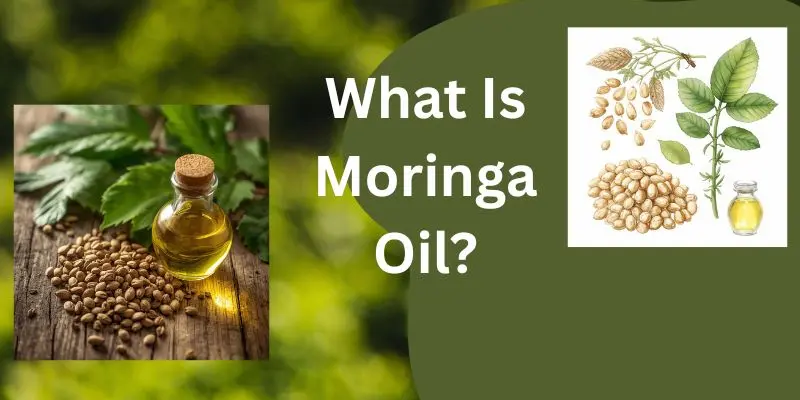
For hair, I would look for pure moringa oil for hair, cold-pressed moringa seed oil, or organic moringa oil for hair if I wanted a cleaner ingredient choice. I would also check that the label says Moringa oleifera seed oil, not just “moringa extract” buried at the bottom of a long ingredient list. Check our argan oil for hair
7 Benefits of Moringa Oil for Hair
When people search for the benefits of moringa oil for hair, they usually want real, practical results. Here is what I would realistically expect.
1. It May Help Moisturize Dry Hair
Moringa oil can help dry hair feel smoother because oils coat the hair shaft and reduce a rough, straw-like feel. I would not expect it to “hydrate” hair the way water does, but I would use it to seal in softness after washing or conditioning.
2. It May Add Shine and Smooth Frizz
Frizz often looks worse when the outer hair cuticle feels rough. A small amount of moringa oil can make hair look smoother and shinier by adding slip. This is one of the most realistic moringa oil for hair benefits.
3. It May Support a Healthier Scalp
If my scalp felt dry or tight, I might try a light pre-shampoo treatment. I would not use moringa oil as a cure for dandruff, psoriasis, infection, or severe flaking. Scalp conditions need proper diagnosis, especially when itching, redness, pain, or scaling continues.
4. It May Reduce Breakage Caused by Dryness
Dry hair breaks more easily. If moringa oil makes hair easier to detangle and less rough, it may help reduce breakage from friction. That can make hair look fuller over time, but it does not mean the oil is forcing new hair to grow.
5. It May Help Curly, Coily, or Textured Hair Retain Moisture
Curly, coily, and textured hair often needs extra help holding onto softness. I would use moringa oil mostly on the mid-lengths and ends, especially after a leave-in conditioner. relates to curl type,
6. It May Help Damaged Hair Feel Softer
Heat styling, coloring, bleaching, and tight styling can leave hair feeling rough. Moringa oil cannot repair broken bonds, but it may improve the feel and appearance of damaged hair.
7. It May Support Length Retention
The benefits of moringa oil for hair growth are mostly about length retention, not guaranteed regrowth. If hair breaks less, it may seem like it is growing better because more length stays on the head.
Does Moringa Oil for Hair Growth Really Work?
Here is my honest answer: Moringa oil for hair growth may help the hair you already have look healthier, but there is not enough strong clinical evidence to say it regrows hair or reverses genetic hair loss.
What moringa oil may do:
- Moisturize dry hair
- soften rough ends
- add shine
- support scalp comfort
- reduce dryness-related breakage
What moringa oil is not proven to do:
- regrow bald spots
- cure alopecia
- replace minoxidil or medical treatment
- reverse hormonal or genetic hair loss
So when I see claims about the best moringa oil for hair growth, I read them carefully. Even the best oil cannot replace a diagnosis if someone has sudden shedding, patchy hair loss, scalp pain, or infection. Mayo Clinic advises speaking with a doctor for sudden or patchy hair loss, or more-than-usual hair loss when washing or combing.
I am also cautious with moringa oil for hair growth before and after photos. They can show shine, styling changes, less frizz, or better length retention, but they do not prove true follicle regrowth.
How to Use Moringa Oil for Hair
If you are wondering how to use moringa oil for hair, I would start small. More oil does not mean better results.
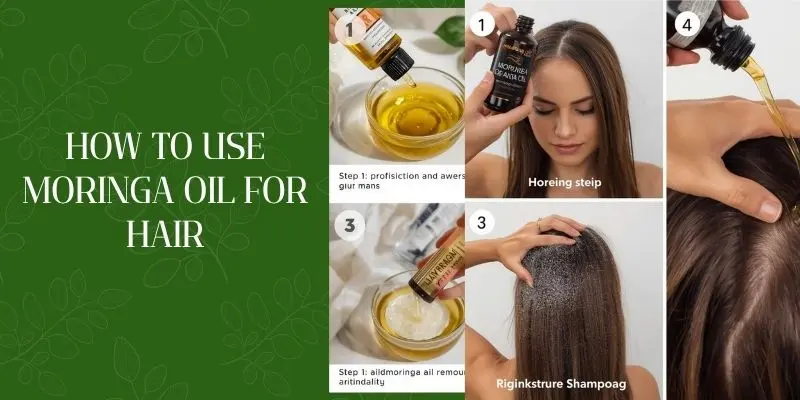
1. As a Pre-Shampoo Treatment
This is my favorite method.
- Apply a small amount to the scalp or dry ends.
- Massage gently for a few minutes.
- Leave it on for 20–30 minutes.
- Shampoo thoroughly.
- Repeat once weekly or as needed.
This is also how I would explain how to use moringa oil for hair growth safely: use it to support scalp comfort and reduce breakage, not as a guaranteed regrowth treatment.
2. As a Leave-In Oil for Shine
For fine hair, I would use only 1 drop. For thicker hair, 2–3 drops may work better. I would rub it between my palms first, then smooth it over the ends. Help for Regrow Thinning Hair
3. Mixed With Conditioner
If my hair felt extra dry, I would add 1–2 drops to conditioner or deep conditioner. This gives a slip without coating the scalp too heavily.
4. As a Scalp Massage Oil
A gentle scalp massage can feel relaxing, but I would not claim that massage alone regrows hair. If the scalp feels sore, inflamed, or flaky, I would stop and get professional advice.
5. As a Hair Mask
For a simple mask, I would mix a few drops of moringa oil with a fragrance-free conditioner or an aloe-based hair mask. I would apply it from mid-lengths to ends, leave it on briefly, and rinse well.
This covers moringa oil for hair, how to use it in the safest, most realistic way.
How to Make Moringa Oil for Hair Growth at Home
People often ask how to make moringa oil for hair growth, but true moringa seed oil usually comes from pressing moringa seeds. A homemade version is usually an infused oil, not pure seed oil.
Here is a simple infused method:
- Use dried moringa leaves or moringa powder.
- Add them to coconut, olive, jojoba, or almond oil.
- Warm gently on very low heat.
- Let it steep, then strain carefully.
- Store it in a clean glass bottle.
I would patch test before using it on my scalp. Homemade oils can spoil, irritate the skin, or collect residue if prepared or stored poorly.
Additional guidance:
Moringa Oil for Hair Side Effects
The most common moringa oil for hair side effects I would watch for are itching, redness, scalp irritation, greasy buildup, clogged-feeling roots, weighed-down hair, or dandruff-like flakes.
Natural does not always mean risk-free. Contact dermatitis can happen when skin reacts to an irritant or allergen, and symptoms may include itching, redness, swelling, bumps, pain, scaling, or oozing.
What I would not do:
- I would not apply too much oil.
- I would not use it on an infected or irritated scalp.
- I would not assume it can cure hair loss.
- I would not leave it on for days without washing.
- I would not skip patch testing.
- I would not use essential oils undiluted with it.
Best Moringa Oil for Hair: What I Look For
The best moringa oil for hair depends on hair type, scalp sensitivity, budget, and how I plan to use it.
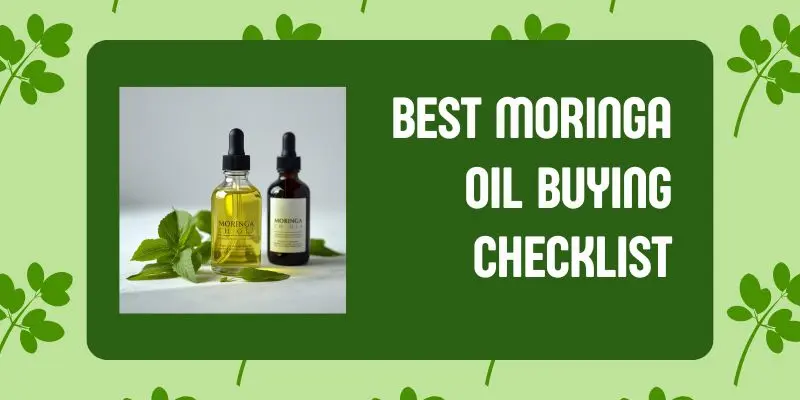
My checklist:
- 100% Moringa oleifera seed oil
- cold-pressed
- organic if preferred
- no added fragrance for sensitive scalps
- dark glass bottle
- clear ingredient label
- no unnecessary fillers
- cosmetic-grade for hair use
If a product claims to be the best moringa oil for hair growth, I would still check the ingredients before trusting the marketing.
What About Purple Moringa Oil for Hair?
If I saw purple moringa oil for hair, I would not assume it is better just because it looks special. Some products use colorants, botanicals, fragrance, branding, or blended oils.
The color matters less than the ingredient list. I would check whether it actually contains quality moringa seed oil and whether the added ingredients are safe for my scalp.
Moringa Oil for Hair Reviews: What to Look For
When reading moringa oil for hair reviews, I look for reviews from people with similar hair texture, scalp type, and goals.
I pay attention to comments about dryness, frizz, breakage, scalp comfort, shine, and buildup. I am careful with dramatic moringa oil for hair growth before and after claims because lighting, styling, trimming, and product layering can change the way hair looks.
Moringa Oil for Hair Near Me: Buying Tips
If I searched for moringa oil for hair near me, I would check beauty supply stores, health stores, natural product shops, pharmacies, online retailers, and brand websites.
Before buying, I would review the ingredient label, expiration date, return policy, and customer reviews. I would avoid products with vague labels or unrealistic hair-regrowth promises.
Common Misconceptions About Moringa Oil for Hair
Myth 1: Moringa Oil Can Regrow Hair Overnight
It may help hair feel healthier, but overnight regrowth claims are not realistic.
Myth 2: More Oil Means Better Results
Too much oil can cause buildup and make hair limp, greasy, or harder to wash.
Myth 3: Natural Means No Side Effects
Natural oils can still irritate the scalp or trigger allergies.
Myth 4: Moringa Oil Works the Same for Everyone
Hair type, porosity, scalp condition, styling habits, and wash routine all matter.
My Practical Moringa Oil Hair Routine
If I were adding moringa oil to my routine, I would use it once a week as a pre-shampoo treatment. For dry ends, I would use only a few drops after styling.
For scalp use, I would start slowly. If I noticed itching, redness, soreness, flakes, or buildup, I would stop. I would not depend on moringa oil for hair loss if I had serious shedding or bald spots.
When to Stop Experimenting and See a Professional
I would stop experimenting and speak with a dermatologist or qualified healthcare professional if I had sudden hair loss, patchy hair loss, persistent shedding, bald spots, painful scalp, bleeding, pus, sores, severe itching, scaling that does not improve, or hair loss after pregnancy, illness, medication, or major stress.
The American Academy of Dermatology says effective hair-loss treatment starts with finding the cause, and dermatologists examine the scalp and hair to understand what is happening.
Submit Your Story
Have you tried moringa oil for hair? I would love to hear what happened, whether it helped with dryness, shine, frizz, breakage, or scalp comfort.
When sharing your story, include your hair type, how often you used it, how you applied it, what changed, what did not change, and whether you noticed side effects. Your experience may help someone else set realistic expectations.
How This Article Was Created
This article was created using evidence-based hair-care principles, cosmetic ingredient knowledge, trusted dermatology and health references, and careful review of moringa oil composition and common hair-care uses.
Final Thoughts:
After looking at moringa oil from both a practical hair-care and evidence-based perspective, I would say this: moringa oil for hair can be a helpful addition to a routine, especially if your main concerns are dryness, frizz, rough ends, dullness, or breakage. I would personally use it as a pre-shampoo treatment or apply a very small amount to dry ends rather than coating my whole scalp every day.
In my experience with hair-care routines, the biggest mistake people make with oils is expecting them to do everything. An oil can make hair feel better, protect fragile ends, and improve shine, but it cannot diagnose the reason behind shedding or force new hair to grow from inactive follicles. That is why I would be careful with any product claiming dramatic moringa oil for hair growth or guaranteed moringa oil for hair regrowth.
If your hair is breaking because it is dry, moringa oil may help you retain more length by reducing friction and improving softness. But if you are dealing with sudden hair loss, patchy thinning, scalp pain, heavy shedding, or bald spots, I would not rely on moringa oil alone. That is the point where professional advice matters.
My expert approach is simple: start small, patch test first, choose pure or organic moringa oil when possible, and track how your hair responds over a few weeks. If your hair feels softer, looks shinier, and breaks less, moringa oil may be worth keeping in your routine. If it causes itching, buildup, or irritation, stop using it.
Used with realistic expectations, moringa oil for hair can be a smart natural oil for softness, shine, and length retention, but the best results come when it is part of a complete, healthy hair-care routine, not treated as a miracle solution.
FAQs About Moringa Oil for Hair
Yes, moringa oil for hair can be a good choice if your hair feels dry, rough, or frizzy. It may help make the hair feel softer and look shinier. It can also help protect dry ends from breaking as easily. However, it is not a magic cure for all hair problems. Use a small amount first and see how your hair reacts.
Moringa oil for hair growth may support healthy-looking hair, but it is not proven to regrow hair. It can help reduce dryness and breakage, which may help you keep more length. This can make your hair look like it is growing better over time. Still, it may not fix true hair loss or bald spots. For serious hair loss, it is best to speak with a dermatologist.
The main benefits of moringa oil for hair include softness, shine, and frizz control. It may also help dry ends feel smoother and easier to manage. Some people use it to support a dry scalp. In addition, it may help reduce breakage caused by dryness. These benefits are more about hair care than medical hair regrowth.
If you want to know how to use moringa oil for hair, start with a small amount. Apply a few drops to your ends or use it before shampooing. You can massage it into your scalp for a few minutes if your scalp is dry. Leave it on for 20 to 30 minutes, then wash well. Do this once a week at first.
To use moringa oil for hair growth, focus on scalp care and breakage control. Massage a small amount into your scalp before washing your hair. Then apply a little to dry ends to help protect them. This may support length retention if your hair breaks easily. But remember, it does not guarantee new hair growth.
Moringa oil for hair loss may help if your hair looks thin because of breakage. It can make dry hair feel stronger and less rough. However, it cannot treat every type of hair loss. Sudden shedding, bald spots, or scalp pain need professional care. Do not rely on oil alone if your hair loss is serious.
Common moringa oil for hair side effects include itching, redness, and greasy buildup. Some people may also feel scalp irritation after using it. Fine hair may look flat or oily if too much is applied. That is why a patch test is important before full use. Stop using it if your scalp burns, itches, or feels worse.
The best moringa oil for hair is usually pure, cold-pressed, and clearly labeled. Look for 100% Moringa oleifera seed oil on the ingredient list. If you have a sensitive scalp, choose one without added fragrance. Organic moringa oil for hair may also be a good option. A dark glass bottle can help protect the oil from light.
Yes, you can make an infused oil at home, but it is not the same as pure seed oil. For how to make moringa oil for hair growth, mix dried moringa leaves with a carrier oil. Warm it gently on low heat, then strain it into a clean bottle. You can use oils like coconut, olive, jojoba, or almond oil. Always patch test before using it on your scalp.
Moringa oil for hair reviews can be helpful, but read them carefully. Look for reviews from people with hair like yours. Also, be careful with dramatic moringa oil for hair growth before and after photos. Lighting, styling, and hair products can change how hair looks. Use reviews as a guide, not as proof of guaranteed results.


- Be Respectful
- Stay Relevant
- Stay Positive
- True Feedback
- Encourage Discussion
- Avoid Spamming
- No Fake News
- Don't Copy-Paste
- No Personal Attacks
- Be Respectful
- Stay Relevant
- Stay Positive
- True Feedback
- Encourage Discussion
- Avoid Spamming
- No Fake News
- Don't Copy-Paste
- No Personal Attacks
