How to Shave Your Head: Step-by-Step Guide for a Smooth Finish
Published: 30 Jun 2026
The first time I decided to shave my head, I stood in front of the mirror for several minutes before making the first pass with the razor. My thinning hair had reached the point where I was tired of trying to hide it, but I was worried about cuts, razor burn, razor bumps, and whether I’d regret shaving it all off.
If you’re wondering how to shave your head, you’re not alone. Whether it’s your first shave or you’re looking for a smoother, irritation-free routine, this guide will walk you through every step from choosing the best razor to caring for your scalp afterward.
Over the years, I’ve used cartridge razors, safety razors, clippers, and electric shavers. Through trial and error, I discovered that the right technique, proper preparation, and consistent aftercare matter far more than buying the most expensive razor.
What Is the Best Way to Shave Your Head?
The best way to shave your head is to prepare your scalp properly and use the right technique. Follow these simple steps:
- Trim long hair with clippers.
- Take a warm shower to soften the hair.
- Apply a quality shaving cream or shaving gel.
- Shave with the grain using light, even strokes.
- Rinse with cool water and apply a moisturizer.
- Finish with a broad-spectrum sunscreen (SPF 30 or higher) if you’re going outside.
Following this routine helps reduce razor burn, razor bumps, and irritation while giving you a smoother, cleaner shave.
Should You Shave Your Head?
Shaving your head can be a great option if:
- You have thinning or receding hair.
- You want a low-maintenance grooming routine.
- You prefer a clean, confident look.
- You’re tired of spending time styling your hair every day.
However, if you have open cuts, an active scalp infection, severe sunburn, or a skin condition that’s flaring up, it’s best to let your scalp heal or speak with a healthcare professional before shaving.
If your scalp often feels dry, itchy, or flaky, it’s also worth understanding the causes of dry scalp and treating the dryness first. A healthy scalp is less likely to become irritated after shaving. If you already struggle with dryness, our guide on dry scalp treatments at home can help you prepare your scalp before picking up a razor.
Benefits of Shaving Your Head
After switching to a shaved head, I noticed several practical benefits. While everyone’s experience is different, these are some of the biggest advantages many people enjoy.
1. A Clean, Polished Appearance
A shaved head creates a neat, intentional look that requires very little effort to maintain.
2. A Faster Daily Routine
Without hair to wash, style, or comb, getting ready each morning becomes quicker and simpler.
3. Easier Scalp Care
A shaved scalp makes it easier to notice dryness, irritation, razor bumps, or other skin changes early. Following good hair care tips for bald men can help keep your scalp healthy year-round.
4. More Confidence
If you’re dealing with thinning or receding hair, shaving your head can help you embrace a new look instead of worrying about covering hair loss.
Keep in mind that a shaved head also needs regular care. Moisturizing daily and wearing sunscreen help protect your scalp and keep it looking and feeling its best.
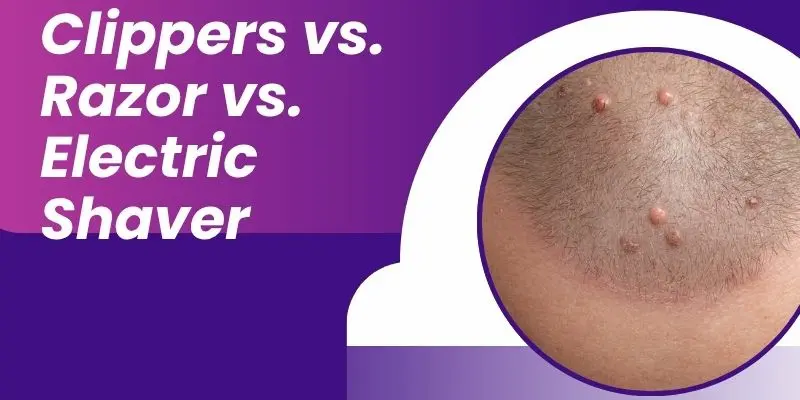
Clippers vs. Razor vs. Electric Shaver
Choosing the right tool can make a big difference in how comfortable and smooth your head shave feels. The best option depends on your hair length, skin sensitivity, and how close you want your shave.
Clippers
Clippers are the best choice if you’re shaving your head for the first time or have longer hair. They quickly trim thick hair, leave short stubble, and have a very low risk of irritation. I always start with clippers if my hair has grown out.
Cartridge Razor (Like Gillette)
A cartridge razor is beginner-friendly and gives a close, smooth shave. Its flexible head follows the curves of your scalp, making it easier to shave around the back of your head, ears, and neck with fewer nicks.
Safety Razor
A safety razor uses a single blade to provide a very close shave. It often clogs less than multi-blade razors and may help reduce ingrown hairs for some people. However, it requires a steady hand and a little more practice.
Electric Shaver (Philips Norelco, Skull Shaver, or a Foil Shaver)
An electric shaver is fast, convenient, and a great option for daily or frequent maintenance. It’s also a good choice if you have a sensitive scalp because it reduces direct blade contact with the skin. Foil shavers work best on short stubble, while rotary shavers adapt well to the curves of your head.
If razor bumps are a common problem, check out our guide on Shave a Bald Head Without Razor Bumps to learn how to choose the right shaving technique and reduce irritation.
Quick Comparison
| Tool | Closeness | Irritation Risk | Best For |
|---|---|---|---|
| Clippers | Low | Very Low | Trimming long hair or maintaining a buzz cut |
| Cartridge Razor | High | Medium | Beginners and everyday shaving |
| Safety Razor | Very High | Low–Medium | Experienced users who want a very close shave |
| Electric Shaver | Medium–High | Low | Fast maintenance and sensitive scalps |
If you’re shaving your head for the first time, I recommend starting with a cartridge razor or an electric shaver. Once you’re comfortable with the process, you can try a safety razor for an even closer shave.
Personally, I use a cartridge razor when I want the smoothest finish. On busy mornings, I switch to an electric shaver because it’s quicker and still leaves my scalp looking clean and well-groomed.
How to Shave Your Head: Step-by-Step Guide
Follow these 10 simple steps to get a smooth, comfortable shave while reducing the risk of razor burn, razor bumps, and ingrown hairs.
Step 1: Trim Long Hair First
If your hair is more than a few millimeters long, start by trimming it with clippers. Removing most of the hair first helps the razor glide more smoothly and prevents clogged blades.
Avoid using a razor on thick or long hair, as it can pull at the hair, increase irritation, and make shaving more difficult.
Step 2: Prepare Your Scalp
Wash your scalp with a gentle cleanser to remove dirt, sweat, oil, and product buildup. If your scalp feels rough, gently exfoliate to remove dead skin cells before shaving.
Take a moment to check for moles, pimples, or cuts so you can shave carefully around them.
💡 Pro Tip: Proper preparation helps the razor glide smoothly and lowers the risk of irritation.
Step 3: Take a Warm Shower
Take a warm shower or place a warm, damp towel on your scalp for a few minutes before shaving. This softens the hair and helps relax the skin, making the shave more comfortable.
Your scalp is just as sensitive as the skin on your face, so preparing it properly can reduce razor burn and irritation.
Step 4: Apply Shaving Cream or Shaving Gel
Apply a generous layer of shaving cream or shaving gel and let it sit for about a minute. This creates a protective barrier that helps the razor glide easily across your scalp.
Never dry shave because it greatly increases the risk of razor burn, razor bumps, and ingrown hairs.
Step 5: Shave With the Grain
Begin by shaving in the direction your hair naturally grows. Use light, even strokes and avoid pressing the razor into your scalp.
Rinse the blade every few strokes to remove hair and shaving cream for a smoother shave.
Step 6: Shave Against the Grain (Optional)
If your scalp isn’t sensitive and you want an even closer shave, carefully make a second pass against the grain.
If you frequently experience razor bumps or ingrown hairs, it’s usually best to stop after shaving with the grain.
Step 7: Shave the Back of Your Head
The back of your head is often the most difficult area to shave.
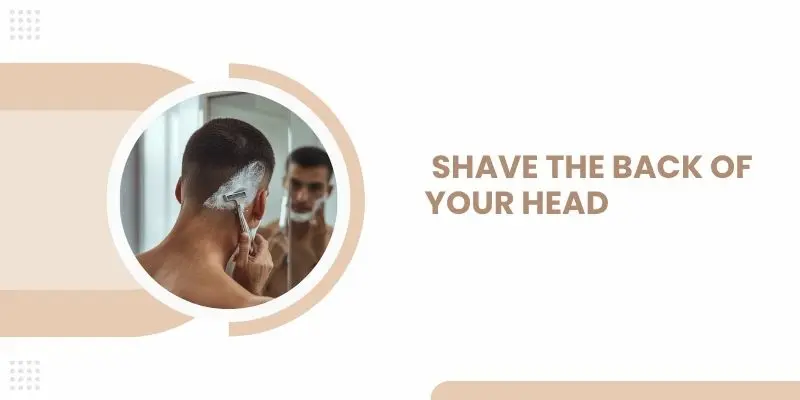
For better control:
- Use two mirrors to check your progress.
- Work in short, gentle strokes.
- Feel your scalp with your free hand for missed spots.
- Rinse the blade often to prevent clogging.
Many beginners find a HeadBlade or an electric shaver easier to use around the curves of the head.
Step 8: Shave Around Your Ears and Neck
These areas require extra care because the skin is uneven.
Gently pull your ear down or forward to expose the skin, then shave slowly using short strokes. Around your neck, lightly stretch the skin with your free hand to help the razor glide smoothly and reduce the chance of cuts.
Step 9: Rinse and Apply Aftercare
Once you’ve finished shaving, rinse your scalp with cool water to remove any remaining shaving cream and help calm the skin.
Then apply:
- An alcohol-free aftershave balm
- A lightweight moisturizer
- A broad-spectrum sunscreen with SPF 30 or higher if you’ll be outdoors
Proper aftercare helps reduce irritation, keeps your scalp hydrated, and protects it from sun damage.
Step 10: Check Your Results and Clean Your Tools
Run your hand gently over your scalp to check for any missed spots. If needed, touch them up using light strokes instead of repeatedly shaving the same area.
Finally, rinse your razor thoroughly, allow it to dry completely, and store it in a clean, dry place. Keeping your tools clean helps them last longer and reduces the risk of bacteria buildup before your next shave.
Aftercare: Keep Your Scalp Healthy After Shaving
Your shaving routine doesn’t end when you put the razor down. Proper aftercare helps soothe your skin, reduce irritation, and keep your scalp healthy.
After shaving:
- Rinse your scalp with cool water to remove any remaining shaving cream and help calm the skin.
- Apply an alcohol-free aftershave balm to soothe freshly shaved skin.
- Use a lightweight moisturizer to restore hydration and help prevent dryness.
- Finish with a broad-spectrum sunscreen (SPF 30 or higher) if you’ll be spending time outdoors.
The American Academy of Dermatology (AAD) recommends using a broad-spectrum sunscreen with SPF 30 or higher on exposed skin. Since a shaved scalp has no hair to protect it, it can burn quickly in the sun.
For more ways to protect your scalp outdoors, read our guide on Sun Protection Tips for a Bald Head. If you’re unsure which product to choose, explore our recommendations for Best Moisturizers and Oils for Bald Men. To keep your scalp smooth between shaves, you can also try the gentle techniques in our guide on DIY Scalp Exfoliation and Masks for Bald Men.
💡 Pro Tip: Avoid scratching or exfoliating your scalp immediately after shaving. Give your skin at least 24 hours to recover before using exfoliating products.
Common Mistakes to Avoid
When I first started shaving my head, I made several mistakes that left my scalp red and irritated. Fortunately, small changes in your routine can make a big difference.
Avoid these common mistakes:
- Pressing the razor too hard.
- Using dull or dirty blades.
- Skipping moisturizer after shaving.
- Forgetting to apply sunscreen before going outdoors.
- Shaving too quickly without preparing your scalp.
Taking a few extra minutes to shave carefully can help you avoid razor burn, cuts, and unnecessary irritation.
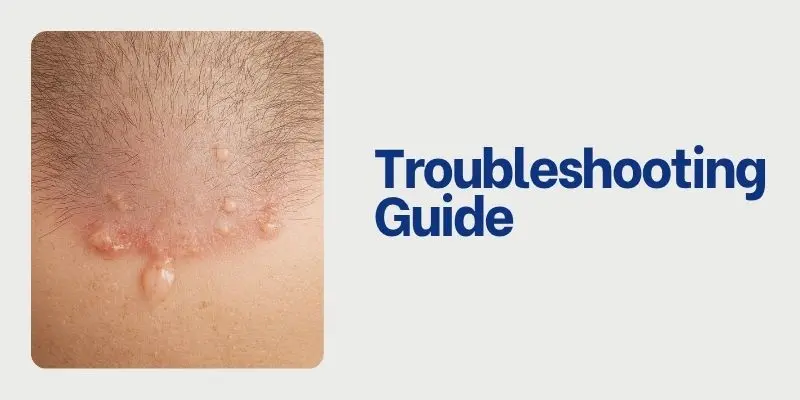
Troubleshooting Guide
Even with good technique, you may experience minor skin issues from time to time. Here’s how to handle the most common problems.
Razor Burn
Cause: Too much pressure, a dull blade, or shaving too quickly.
How to fix it:
- Use light, gentle strokes.
- Replace your razor blades regularly.
- Apply pure aloe vera gel or an alcohol-free aftershave balm to soothe the skin.
- Give your scalp a day or two to recover before shaving again if the irritation is severe.
Razor Bumps
Razor bumps develop when freshly shaved hairs grow back into the skin, causing small, irritated bumps.
How to prevent them:
- Shave with the grain first.
- Avoid pressing too hard with the razor.
- Exfoliate your scalp gently once a week.
- Use a clean, sharp blade every time.
If razor bumps keep coming back, our guide on Shaving a Bald Head Without Razor Bumps explains how to prevent them step by step.
Ingrown Hairs
Ingrown hairs are more common if you have coarse or curly hair. They can appear as small, painful bumps after shaving.
How to reduce the risk:
- Avoid shaving too closely.
- Exfoliate regularly.
- Keep your scalp moisturized.
- Don’t pick or squeeze ingrown hairs, as this can lead to infection.
Dry Scalp
If your scalp feels tight, itchy, or flaky after shaving, dryness may be the cause.
Start by learning the Causes of Dry Scalp so you can identify what’s triggering the problem. Then follow our guide on Dry Scalp Treatments at Home to restore moisture and keep your scalp comfortable.
Using a lightweight moisturizer every day is one of the easiest ways to prevent dryness.
Sensitive Scalp
If your scalp becomes irritated easily, choose a fragrance-free shaving gel, use light pressure, and avoid shaving against the grain. An electric shaver may also be a better option because it reduces direct blade contact with the skin.
If irritation doesn’t improve or becomes severe, consider speaking with a healthcare professional.
Long-Term Maintenance
A healthy shaved head requires regular care, not just a good shaving technique. Moisturize your scalp daily, apply sunscreen whenever you’re outdoors, replace dull blades regularly, and exfoliate gently once a week to remove dead skin cells.
For more tips on keeping your scalp healthy throughout the year, explore our guide on Hair Care Tips for Bald Men.
Signs You Are Shaving Too Often
Shaving too frequently can irritate your scalp, especially if your skin is sensitive or you’re using a dull blade. Watch for these warning signs:
- Constant redness
- A burning or stinging sensation
- Frequent razor bumps or ingrown hairs
- A tight, dry, or itchy scalp
- Increased sensitivity after each shave
If you notice any of these symptoms, give your scalp a day or two to recover before shaving again. Using a moisturizer and a fresh blade can also help reduce irritation.
Common Myths About Shaving Your Head
Myth: Hair grows back thicker after shaving.
Fact: Shaving doesn’t change the thickness, color, or growth rate of your hair. It only cuts the hair at the surface, which can make new growth feel slightly coarser at first.
Myth: Bald heads don’t need sunscreen.
Fact: A shaved scalp is directly exposed to the sun, making it more likely to burn. Apply a broad-spectrum sunscreen with SPF 30 or higher whenever you’ll be outdoors.
I learned this lesson the hard way. After skipping sunscreen one afternoon, my scalp became red, sore, and started peeling a few days later. Since then, sunscreen has been part of my daily routine.
How Often Should You Shave?
How often you shave depends on how quickly your hair grows and the look you want to maintain.
- Every day: Best for an ultra-smooth bald head.
- Every 2–3 days: A good balance between comfort and maintenance.
- Once a week: Ideal if you prefer a short buzzed look instead of a completely smooth shave.
There’s no single schedule that’s right for everyone. Pay attention to your scalp—if it feels irritated, give it time to recover before your next shave.
Conclusion: How to Shave Your Head the Right Way
Learning how to shave your head the right way is about more than getting a smooth finish; it’s about protecting your scalp and making your routine comfortable and sustainable. Start by trimming long hair, prepare your scalp properly, use a quality shaving cream, and shave with the grain using light, controlled strokes. Finish with a moisturizer and a broad-spectrum sunscreen (SPF 30 or higher) to keep your scalp hydrated and protected every day.
Whether you’re shaving your head for the first time or refining your routine, consistency is what delivers the best results. With the right tools, proper technique, and regular scalp care, you can enjoy a clean, confident look while reducing razor burn, razor bumps, and dryness. Take your time, find the routine that works best for you, and your scalp will stay healthy, smooth, and comfortable for years to come.
FAQs
It depends on the result you want. A cartridge or safety razor gives the closest, smoothest shave, while an electric or foil shaver is faster and usually causes less irritation. If you’re new to shaving your head or have sensitive skin, an electric shaver can be a great place to start. Choose the tool that fits your comfort level and daily routine.
Prepare your scalp with a warm shower, apply a quality shaving cream or gel, and shave with the grain using light pressure. Replace dull blades regularly and avoid going over the same area multiple times. After shaving, apply an alcohol-free aftershave balm or a lightweight moisturizer to soothe your skin and reduce irritation.
There’s no single schedule that works for everyone. Many people shave every one to three days to maintain a smooth bald head, while others prefer a weekly routine. If your scalp becomes irritated, allow it time to recover before shaving again. Adjust your routine based on your hair growth and skin sensitivity.
Yes. A shaved scalp is fully exposed to the sun and can burn quickly. Dermatologists recommend using a broad-spectrum sunscreen with SPF 30 or higher whenever you’ll be outdoors. Reapply it every two hours during prolonged sun exposure to help protect your scalp from sunburn and long-term UV damage.
Use two mirrors or a handheld mirror to see the back of your head clearly. Work slowly with short, controlled strokes and feel your scalp with your free hand to find any missed spots. Stretch the skin gently around the neck and ears for a smoother shave and fewer cuts. Like any skill, it gets easier with practice.






- Be Respectful
- Stay Relevant
- Stay Positive
- True Feedback
- Encourage Discussion
- Avoid Spamming
- No Fake News
- Don't Copy-Paste
- No Personal Attacks
- Be Respectful
- Stay Relevant
- Stay Positive
- True Feedback
- Encourage Discussion
- Avoid Spamming
- No Fake News
- Don't Copy-Paste
- No Personal Attacks
