Causes of Dry Scalp: Understanding Why Your Scalp Itches and Flakes
Published: 14 Apr 2026
A dry scalp can be frustrating to deal with, especially when you don’t know what’s causing the itching, tightness, and white flakes. I remember waking up one morning to find tiny white flakes on my shoulders and an itchy scalp that wouldn’t go away. No matter which shampoo I tried or how many oils I used, the irritation always seemed to return. It wasn’t just the visible flakes; it was the constant discomfort and frustration of not knowing the cause.
As I learned more about scalp health and reviewed dermatologist recommendations, I realized that the causes of dry scalp can range from everyday hair care habits and environmental factors to underlying skin conditions. Understanding the underlying cause is the first step toward choosing the right treatment and preventing the problem from coming back. In this guide, you’ll learn the most common triggers, how to identify them, and when it may be time to seek medical advice. If you’re already looking for relief, check out our Dry Scalp Treatments at Home guide for practical ways to soothe dryness and irritation.
What is a dry scalp?
A dry scalp develops when the skin on your scalp loses too much moisture. Unlike dandruff, which is commonly associated with excess oil and the overgrowth of the yeast Malassezia, a dry scalp is primarily caused by a lack of moisture.
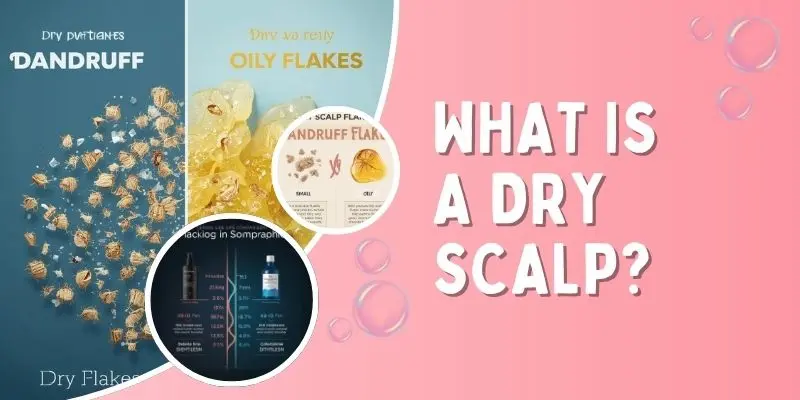
It often causes small, dry, white flakes that may fall onto your shoulders. Your scalp may also feel tight, itchy, or irritated.
Dry Scalp vs. Dandruff
| Feature | Dry Scalp | Dandruff |
|---|---|---|
| Flakes | Small, dry, white flakes | Larger, greasy or yellowish flakes |
| Scalp | Dry, tight, or mildly itchy | Oily, itchy, or inflamed |
| Common Cause | Loss of moisture | Excess oil and Malassezia yeast |
Understanding the difference between a dry scalp and dandruff can help you choose the most appropriate treatment and avoid products that may worsen your symptoms.
Top Causes of Dry Scalp
A dry scalp can develop for many different reasons, and identifying the underlying cause is the first step toward finding the right treatment. In some cases, everyday habits such as overwashing your hair or using harsh shampoos may be responsible. In others, environmental factors, skin conditions, or lifestyle habits can contribute to moisture loss and irritation. Below are the most common causes of dry scalp and how they affect your scalp health.
Environmental Causes
Environmental conditions are among the most common causes of dry scalp. Cold weather, low humidity, and indoor heating can reduce the moisture in your skin, leaving your scalp feeling dry, tight, and itchy. Spending long periods in chlorinated swimming pools may also strip away the scalp’s natural oils and weaken its protective barrier.
- Cold or dry weather reduces moisture in the scalp.
- Indoor heating dries the air, increasing scalp dryness.
- Frequent swimming in chlorinated pools may remove natural protective oils.
Hair Care Mistakes
Your daily hair care routine can also contribute to a dry scalp. Washing your hair too often, using very hot water, or brushing aggressively may strip away natural oils that keep your scalp healthy and hydrated. Choosing gentle products and avoiding excessive washing can help protect your scalp’s moisture barrier.
- Frequent washing removes protective natural oils.
- Hot showers can dry out the scalp.
- Aggressive brushing or harsh styling tools may irritate the skin.
Product and Chemical Irritation
Some hair care products contain ingredients that may irritate sensitive skin or remove too much moisture from the scalp. Sulfate-based shampoos, chemical hair treatments, and styling product buildup can all contribute to dryness in some people.
- Shampoos containing sulfates or strong detergents.
- Hair dyes, bleaching agents, and chemical treatments.
- Buildup from styling products.
Health and Skin Conditions
Sometimes a dry scalp is linked to an underlying skin condition rather than everyday dryness. Conditions such as eczema, seborrheic dermatitis, psoriasis, or fungal infections may cause itching, flaking, and irritation that require medical evaluation and treatment.
- Eczema (atopic dermatitis)
- Seborrheic dermatitis
- Psoriasis
- Fungal infections, such as tinea capitis
Diet, Hydration, and Lifestyle
Your overall health also plays an important role in scalp health. Not drinking enough water, eating a diet low in essential nutrients, or experiencing ongoing stress may contribute to dry skin, including the scalp. Supporting your body with proper nutrition and hydration can help maintain a healthy skin barrier.
- Inadequate water intake.
- A diet low in omega-3 fatty acids, vitamin A, or vitamin E.
- Chronic stress may affect hormone levels and overall skin health.
Hormonal Changes
Hormonal changes can influence how much natural oil your scalp produces. During pregnancy, menopause, thyroid disorders, or other hormonal changes, some people may notice increased scalp dryness and irritation.
Age-Related Changes
As you age, your scalp naturally produces less oil. This gradual reduction in moisture can leave the scalp feeling dry, tight, itchy, and more prone to flaking.
Causes of Dry Scalp in Different Groups
The causes of dry scalp can vary depending on age, hormones, skin type, and daily habits. While some triggers affect almost everyone, others are more common in women, men, infants, or older adults. Understanding these differences can help you identify possible causes and choose the most appropriate care. If you have a shaved or bald head, environmental exposure can increase scalp dryness, so following our Sun Protection Tips for a Bald Head guide may help protect your scalp from sun damage and moisture loss.
Women
Hormonal changes are a common cause of dry scalp in women. Pregnancy, menopause, and changes during the menstrual cycle may affect natural oil production, leaving the scalp feeling dry or itchy. Frequent use of hair dyes, heat styling tools, and chemical treatments can also weaken the scalp’s moisture barrier over time.
Men
Men may develop a dry scalp because of frequent shampooing, harsh hair products, prolonged sun exposure, cold weather, or environmental pollution. Even people with naturally oily hair can experience dryness if protective oils are removed too often. Choosing a gentle shampoo and avoiding excessive washing may help maintain the scalp’s natural moisture balance.
Babies
Babies commonly develop cradle cap, a condition that causes yellow or white flaky patches on the scalp. Although it may resemble a dry scalp, cradle cap is usually associated with excess oil production rather than dryness. In most cases, it improves with gentle cleansing and regular brushing using a soft baby brush. If symptoms become severe or persist, consult a pediatrician.
Toddlers
In toddlers, a dry scalp may be linked to eczema, sensitive skin, frequent bathing, harsh shampoos, or environmental factors such as cold weather. Using mild, fragrance-free hair care products and avoiding excessively hot water may help reduce dryness and irritation.
Kids
Children can develop a dry scalp because of cold weather, low humidity, hard water, or frequent use of harsh shampoos. Swimming in chlorinated pools or washing the hair too often may also contribute to moisture loss. A gentle hair care routine and appropriate moisturizing products can help support a healthy scalp.
Tips for All Age Groups
Regardless of age, a few simple habits can help reduce the risk of scalp dryness:
- Protect your scalp from excessive sun, wind, and cold weather.
- Avoid harsh shampoos, sulfates, and frequent overwashing.
- Use gentle moisturizing products suitable for your hair and scalp type.
- Adjust your washing routine based on your scalp’s moisture needs rather than following a fixed schedule.
Causes of Dry Scalp and Related Issues
A dry scalp can sometimes occur alongside other scalp concerns, making it difficult to identify the underlying problem. Understanding how dry scalp relates to conditions such as dandruff,
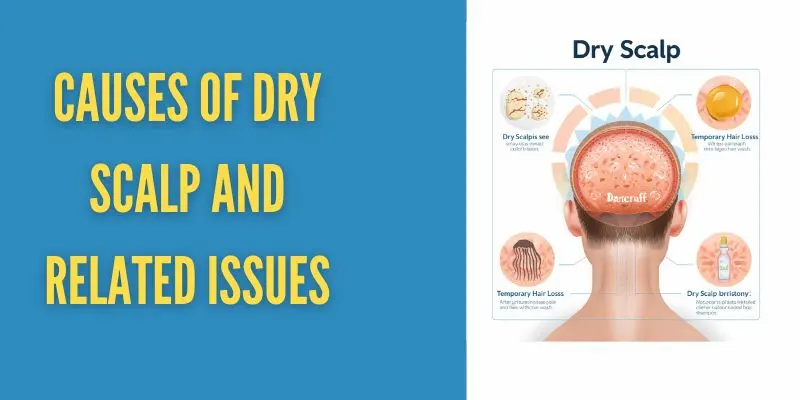
Temporary hair shedding and post-wash dryness can help you choose the most appropriate treatment and avoid making symptoms worse.
Dry Scalp vs. Dandruff
Dry scalp and dandruff are often confused because both can cause flakes and itching. However, they have different causes. A dry scalp develops when the skin lacks moisture, producing small, dry, white flakes. Dandruff, on the other hand, is commonly linked to excess oil and the overgrowth of the yeast Malassezia, resulting in larger, greasy flakes and a more inflamed scalp. Identifying the difference is important because each condition responds to different treatments.
Dry Scalp and Hair Loss
A dry scalp does not usually cause permanent hair loss. However, persistent itching, inflammation, and frequent scratching may weaken hair strands or contribute to temporary hair shedding. If you notice excessive hair loss, bald patches, or symptoms that continue despite proper scalp care, it’s a good idea to consult a dermatologist to identify any underlying medical condition.
Dry Scalp After Washing Your Hair
If your scalp feels dry immediately after washing, your hair care routine may be contributing to the problem. Washing too frequently, using very hot water, or choosing shampoos that contain harsh sulfates can strip away the scalp’s natural oils. Switching to a gentle, sulfate-free shampoo, using lukewarm water, and limiting washing to your scalp’s needs can help maintain a healthy moisture balance.
Symptoms & Severity Levels
The symptoms of a dry scalp can range from mild discomfort to persistent irritation, depending on the underlying cause and how long the condition has been present.
Mild Symptoms
- Small, dry, white flakes
- Mild itching or tightness
- Occasional dryness after washing your hair
Moderate Symptoms
- Persistent itching
- Noticeable flaking
- Mild redness or irritation
- Increased scalp sensitivity
Severe Symptoms
- Intense itching or burning
- Red, inflamed, or cracked skin
- Thick or persistent flakes
- Bleeding from scratching or signs of infection
If your symptoms are severe, continue for several weeks, or are accompanied by significant hair loss or pain, it’s best to consult a dermatologist for an accurate diagnosis.
Step-by-Step Solutions
Most cases of a dry scalp can be managed by making a few simple changes to your daily hair care routine. The goal is to restore moisture, protect your scalp’s natural barrier, and avoid habits that contribute to dryness.
If you’re looking for more homemade remedies, explore our DIY Scalp Exfoliation and Masks for Bald Men guide for additional treatment ideas.
What to Do
- Use a gentle, sulfate-free shampoo that cleanses without stripping away natural oils.
- Apply moisturizing ingredients such as coconut oil, jojoba oil, or pure aloe vera gel to help soothe and hydrate the scalp.
- Drink enough water and eat a balanced diet rich in healthy fats, vitamins, and minerals to support healthy skin.
- Wash your hair with lukewarm water instead of hot water whenever possible.
What to Avoid
Reduce frequent heat styling and chemical treatments if your scalp is already dry or sensitive.
Avoid washing your hair more often than necessary, as overwashing can remove your scalp’s protective oils.
Avoid shampoos that contain harsh sulfates, strong detergents, or excessive alcohol.
Limit the use of very hot water, which can increase dryness and irritation.
Best Treatments & Product Suggestions
Choosing the right products can make a noticeable difference in relieving dryness, reducing flaking, and supporting your scalp’s natural moisture barrier.

Focus on gentle, hydrating ingredients that soothe irritation without stripping away natural oils.
Moisturizers
Use lightweight, scalp-friendly moisturizers that provide long-lasting hydration without leaving a greasy residue. These products can help relieve tightness, itching, and dryness.
Natural Oils
Natural oils such as coconut oil, jojoba oil, and argan oil can help replenish lost moisture and support a healthier scalp barrier when used correctly.
Scalp Treatments
Hydrating scalp serums, leave-in treatments, and gentle scalp masks can provide extra moisture and help soothe irritation, especially if your scalp feels tight or flaky.
If you’re looking for specific product recommendations, explore our Best Moisturizers and Oils for Bald Men guide. You can also learn more about the individual benefits of Coconut Oil for Hair, Jojoba Oil for Hair, and Argan Oil for Hair to choose the option that best suits your scalp and hair type.
You’re Not Alone
A dry scalp is a common problem, and in many cases, it can be improved with consistent care and the right products. Finding the underlying cause, following a gentle hair care routine, and being patient with your treatment can make a noticeable difference over time. If your symptoms persist, worsen, or are accompanied by severe redness, pain, or significant hair loss, it’s important to seek advice from a dermatologist for a proper diagnosis.
When to See a Dermatologist
Most cases of a dry scalp can be managed at home, but it’s important to seek medical advice if you notice any of the following:
- Persistent or worsening symptoms despite several weeks of home care.
- Cracked or bleeding skin.
- Severe redness, swelling, or pain.
- Thick yellow or greasy flakes that may indicate another scalp condition.
- Patchy or excessive hair loss.
- Signs of infection, such as pus or increasing tenderness.
A dermatologist can determine whether your symptoms are caused by a dry scalp or another condition, such as eczema, psoriasis, seborrheic dermatitis, or a fungal infection.
Common Misconceptions About Dry Scalp
Recovery from a dry scalp depends on the underlying cause, the severity of your symptoms, and how consistently you follow an appropriate hair care routine. While some people notice improvement within a few days, others may need several weeks before their scalp fully recovers.
- Mild dryness: Symptoms may begin to improve within a few days after switching to gentle, moisturizing hair care products.
- Moderate dryness: Noticeable improvement often occurs within 1–2 weeks with consistent scalp care and proper hydration.
- Persistent or severe symptoms: If your scalp remains dry, painful, or inflamed after several weeks, consult a dermatologist to rule out conditions such as eczema, psoriasis, seborrheic dermatitis, or fungal infections.
Share Your Experience
Everyone’s scalp is different, and what works for one person may not work for another. If you’ve successfully managed a dry scalp or discovered a routine that helped, consider sharing your experience in the comments. Your insights may encourage and help others facing similar challenges.
Conclusion
Understanding the causes of a dry scalp is the first step toward finding long-term relief. Everyday factors such as harsh shampoos, weather changes, dehydration, and underlying skin conditions can all contribute to dryness and irritation. Fortunately, many mild cases improve with a gentle hair care routine, proper hydration, and evidence-based treatments that support the scalp’s natural moisture barrier.
While writing this guide, I’ve combined my own experience managing a dry scalp with recommendations from trusted dermatology resources and scientific research. Every scalp is different, so paying attention to your symptoms and identifying your personal triggers is essential. With patience, consistent care, and the right approach, most people can reduce flaking, relieve discomfort, and maintain a healthier scalp over time. If your symptoms persist or worsen despite home care, seeking advice from a dermatologist is the safest next step.
How This Article Was Created
This guide was developed by combining personal experience with evidence-based health information. The content was carefully reviewed against guidance from trusted medical organizations and research on scalp health, including:
- Dermatology recommendations from organizations such as the American Academy of Dermatology (AAD), Mayo Clinic, Cleveland Clinic, and the NHS.
- Peer-reviewed research on scalp health, skin barrier function, and moisturizing ingredients.
- Expert guidance on hair care, scalp hydration, and common scalp conditions.
Every effort has been made to provide accurate, practical information. However, this article is intended for educational purposes and should not replace personalized medical advice from a qualified healthcare professional.
FAQs: Causes of Dry Scalp
A dry scalp happens when your skin loses moisture. Cold weather, dry air, and indoor heating can make it worse. Harsh shampoos or over-washing also remove natural oils. Stress and poor diet can contribute. Skin conditions like eczema or psoriasis are other common causes. Understanding these helps you treat it effectively.
Dry scalp usually causes small, white, dry flakes and tight skin. Dandruff flakes are often oily and yellowish. Dandruff may also cause redness and itching. A dry scalp often occurs after washing or in cold weather. Knowing the difference helps you choose the right treatment.
Washing too often strips natural oils from your scalp. Hot water makes it worse. Harsh shampoos with sulfates can quickly dry out the scalp. Even styling products can leave residue that irritates. Use gentle, sulfate-free shampoos to keep your scalp balanced.
Yes, extreme dryness can stress hair follicles. This may lead to temporary hair shedding. Flaking alone doesn’t cause hair loss. But itching and scratching can damage hair. Keeping the scalp moisturized prevents both dryness and hair breakage.
Hormonal changes, pregnancy, and menopause can reduce scalp oil production. Women often use more chemical treatments and styling products. These can dry the scalp further. Cold weather and indoor heating add to the problem. A good routine with oils and a gentle shampoo helps.
Men can get a dry scalp from harsh shampoos, frequent washing, or hair styling products. Cold, dry air and indoor heating can worsen it. Stress and diet changes also play a role. Even men with oily hair can have a dry scalp in certain areas. Hydrating oils and proper washing help maintain balance.
Dry scalp in babies often shows as cradle cap or flaking. Use a soft brush or gentle shampoo to clean the scalp. Avoid harsh soaps and oils that irritate sensitive skin. Short, lukewarm baths help. Regular gentle care can prevent discomfort and maintain healthy skin.
Coconut oil, jojoba oil, and avocado oil are excellent. They moisturize and calm irritation. Tea tree oil helps if there is mild fungus or dandruff. Always use a few drops mixed with a carrier oil for sensitive skin. Massage gently and leave for 20–30 minutes before washing.
Washing 2–3 times a week is usually enough. Daily washing can strip natural oils. Always use gentle, sulfate-free shampoo. Avoid hot water. Rinse thoroughly and condition to keep moisture in. Adjust frequency based on your hair type and dryness level.
See a dermatologist if your scalp is bleeding, very red, or has thick yellow flakes. Hair loss or infection is another warning sign. If home care doesn’t improve your scalp in 2–3 weeks, get medical advice. Early attention prevents worsening problems.




- Be Respectful
- Stay Relevant
- Stay Positive
- True Feedback
- Encourage Discussion
- Avoid Spamming
- No Fake News
- Don't Copy-Paste
- No Personal Attacks
- Be Respectful
- Stay Relevant
- Stay Positive
- True Feedback
- Encourage Discussion
- Avoid Spamming
- No Fake News
- Don't Copy-Paste
- No Personal Attacks
