Shaving Your Newborn’s Hair at Home: Safe Tips and Benefits
Published: 11 Apr 2026
As a parent, the idea of shaving your newborn’s hair at home can be both exciting and a little intimidating. I’ll never forget when I first considered shaving my baby’s hair. It felt like a big decision, and I wondered, “Is it painful for my baby? How do I do it right?” I had many questions, and I bet you might be feeling the same way. Don’t worry; you’re not alone!
Shaving your newborn’s hair is something that many parents choose to do, whether it’s for cultural or religious reasons, or just to give your baby a fresh start. In this guide, I’m going to walk you through everything you need to know, from the benefits of shaving newborn hair to the best tools for the job and step-by-step instructions on how to do it safely at home.
How to Shave Newborn Hair at Home
When I first shaved my baby’s hair, I was worried about doing it right. But with the right tools and preparation, it went smoothly. Here’s how you can do it too:
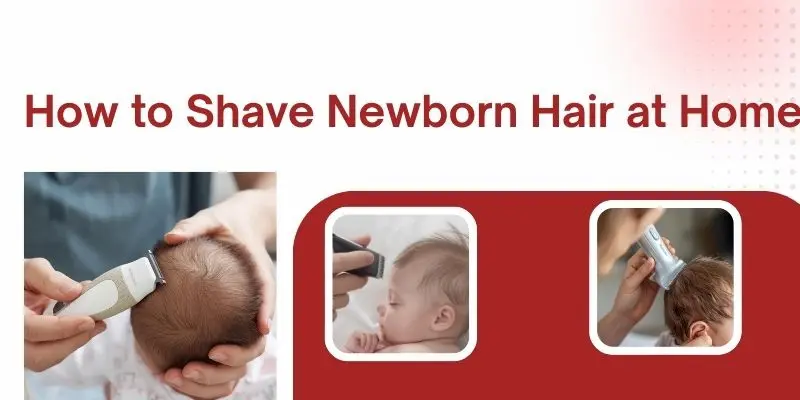
1. Choose the right tools
- Scissors or Trimmer: Use baby-safe trimmers or safety scissors. I recommend using an electric trimmer for a smoother, more even shave.
- Razor for Baby Head Shaving: If you choose to use a razor, make sure it’s soft and rounded to avoid any cuts.
2. Prepare Your Baby
- Ensure your baby is calm. It’s best to shave their hair after a nap or feeding when they’re relaxed.
- Lay your baby on a soft surface like a changing mat or blanket. Cover them with a towel to keep them comfortable.
3. Shave
- Using Trimmer or Scissors: Start at the back of your baby’s head, making small, gentle strokes.
- Using a Razor: Glide the razor carefully over the scalp. Avoid the baby’s soft spot (fontanelle) at the top of the head.
4. Aftercare
- After shaving, wipe your baby’s scalp with a soft, damp cloth. Apply a gentle, baby-friendly moisturizer to keep the skin hydrated.
Benefits of Shaving Newborn Hair
Shaving a newborn’s hair is not just about tradition; it has some potential benefits, too:
- Promotes Healthy Hair Growth: Some parents believe that shaving newborn hair encourages stronger, thicker hair. It’s thought that shaving stimulates the hair follicles to grow more robustly.
- Cultural or Religious Significance: In many cultures, like within Islam, shaving a newborn’s head is an important practice. It symbolizes purification and a fresh start.
- Clearer Scalp: Shaving helps to fine-tune or remove uneven hair, leaving a smoother and cleaner scalp. This can make it easier to care for your baby’s skin in the early weeks.
Shaving Newborn Hair in Islam: A Cultural Practice
In Islam, shaving a newborn’s head holds great cultural and religious significance. Here’s what you need to know:
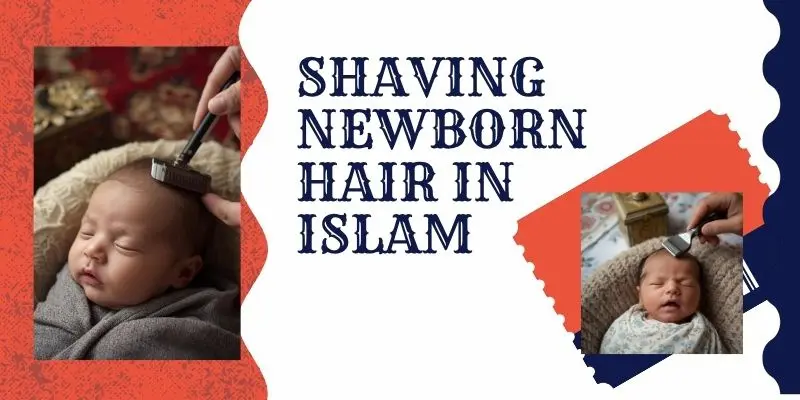
- When to Shave: According to Islamic tradition, shaving a newborn’s head is typically done on the 7th day after birth, though it can vary depending on family traditions.
- How It’s Done: Parents often use a razor for baby head shaving or clippers designed for newborns. A small charity donation is often made as part of the practice, known as aqeeqah.
Is shaving baby hair good or bad?
Is shaving baby hair good or bad? It depends on the approach:
- Sensitive Skin: Babies have delicate skin, so it’s important to use the right tools. If done carefully, shaving should not hurt your baby.
- Uneven Hair Growth: Many parents believe that shaving will make hair grow thicker. However, hair growth can vary from baby to baby, and shaving won’t change the texture.
Tips and Tools regarding how to Cut Baby Hair with a Trimmer
If you prefer to cut your baby’s hair with a trimmer, here are some tips:
- Use a Quiet, Gentle Trimmer: Look for a trimmer that is specifically designed for babies, with adjustable settings.
- Trim in Small Sections: Work in small sections and use the lowest setting to avoid cutting too much hair at once.
How to Cut Baby Girl Hair at Home: Special Considerations
Cutting a baby girl’s hair at home is similar to cutting a boy’s hair, but there are a few extra steps:
- Use Soft Hairbands: If your baby has longer hair, use soft hairbands to section it off.
- Cut in Layers: Cutting in layers helps the baby girl’s hair look fuller and adds volume as it grows.
Common Misconceptions About Shaving Baby Hair
There are several myths about shaving baby hair that need clarification:
- Shaving Makes Hair Grow Back Thicker: This is a common misconception. Shaving does not change the texture or thickness of the hair.
- Shaving Hurts the Baby: As long as you use baby-safe tools and go slowly, shaving should not cause discomfort.
What to Expect After Shaving Baby Hair
Here’s what you can expect after shaving your baby’s hair:
- Hair Growth: The baby’s hair will begin to grow back in a few weeks. The timeline may vary from baby to baby.
- Skin Sensitivity: Your baby’s scalp may be a bit sensitive after shaving, but it should recover quickly. Use gentle moisturizers to prevent irritation.
- Possible Complications: If you notice bumps, redness, or irritation, it may be a sign of an allergic reaction or infection. Consult your pediatrician if needed.
When NOT to Google: Visit a Pediatrician Immediately
While shaving your baby’s hair is generally safe, here are some signs to stop and consult a doctor immediately:

- Excessive Redness or Swelling: If the scalp becomes overly red, swollen, or sore, it could indicate an infection.
- Bleeding or Cuts: If your baby’s scalp starts bleeding or you notice deep cuts, get medical help right away.
- Uneven Hair Growth: If the baby’s hair grows back unevenly or fails to grow back, consult a doctor.
Additional guidance:
Sun protection tips for a bald head
Submit Your Story
Have you shaved your baby’s hair at home? I’d love to hear about your experience! Share your story in the comments below or submit it for a chance to be featured.
How This Article Was Created
This article was written using trusted baby care guidelines and expert sources. All information was researched from reliable parenting advice and pediatric insights.
Final Thoughts: Personal Experience and Expertise
Shaving your newborn’s hair at home is a big decision, but it can also be a rewarding one. When I first did it, I was a bit nervous, but I took my time, used the right tools, and made sure my baby was calm. By following the steps I’ve shared, you can also enjoy this experience without stress. Whether it’s for religious, cultural, or personal reasons, remember to approach it with care.
I hope this guide has helped you feel more confident about how to shave newborn hair at home. Every baby is different, so don’t be afraid to seek advice if you’re unsure about anything. Trust yourself, and enjoy this special moment with your baby!
FAQs: How to shave newborn hair at home
Shaving newborn hair at home is done for various reasons, including cultural or religious practices and personal preference. In some cultures, like in Islam, it’s a tradition to shave the baby’s head on the 7th day of birth. Some parents believe that shaving promotes healthier hair growth and provides a smoother scalp for easier care.
Yes, it is generally safe to shave a newborn’s hair at home, as long as you use the right tools and follow proper steps. Always ensure your baby is calm and relaxed. Use baby-safe trimmers or scissors to avoid injury. If done gently and carefully, shaving your baby’s hair should not cause pain or harm.
You’ll need baby-safe scissors or a trimmer designed for newborns. Electric trimmers work well for a smooth, even shave. If you prefer a razor, choose one with a rounded tip to minimize cuts. Make sure to have a soft towel and baby moisturizer for aftercare.
The best time to shave your newborn’s hair is when they are calm and content. It’s ideal to do this after a nap or a feeding when your baby is relaxed. Make sure the room is quiet and comfortable, as babies are more sensitive during stressful times.
To prepare your baby, make sure they are calm and relaxed. Lay them down on a soft surface like a changing mat or blanket. Cover them with a towel to keep them comfortable. Ensure the area is clean and free of distractions.
Your baby’s hair will start to grow back in a few weeks. The exact timeline can vary depending on the baby. Generally, you’ll notice the first signs of hair growth within 2 to 4 weeks. Be patient as hair growth can take time.
Shaving does not make hair grow back thicker. This is a common misconception. Hair growth varies from baby to baby. Shaving may make the hair appear fuller at first, but it does not change the texture or thickness of the hair permanently.
If your baby’s scalp becomes red or irritated after shaving, apply a gentle, baby-safe moisturizer. If the redness persists or worsens, consult your pediatrician. Babies have sensitive skin, so it’s important to monitor any signs of infection or irritation.
Yes, you can use a razor, but make sure it is designed specifically for newborns. A baby-safe razor will have a rounded tip to avoid cuts. Always use a very gentle touch and avoid shaving near the baby’s soft spot (fontanelle) on their head.
Stop shaving and consult a doctor if your baby’s scalp becomes excessively red, swollen, or sore. If you notice bleeding, cuts, or unusual growth patterns, seek medical advice immediately. It’s important to ensure your baby’s scalp stays healthy and free from infections or complications.





- Be Respectful
- Stay Relevant
- Stay Positive
- True Feedback
- Encourage Discussion
- Avoid Spamming
- No Fake News
- Don't Copy-Paste
- No Personal Attacks
- Be Respectful
- Stay Relevant
- Stay Positive
- True Feedback
- Encourage Discussion
- Avoid Spamming
- No Fake News
- Don't Copy-Paste
- No Personal Attacks
