Types of Hair Masks: 12 Easy Options, Benefits, and How to Choose
Published: 22 May 2026
Types of hair masks used to confuse me. My hair felt dry one week and frizzy the next. My ends looked dull and rough. I also wasted money on masks that made my hair feel heavy and coated. If you feel stuck in that same cycle, I get it. It feels annoying, and it steals your time.
I fixed this by learning one simple rule. Each mask type has one main job. When I match the mask to my real problem, my hair feels softer and looks healthier. In this guide, I will explain the types, simple examples, and a plan you can follow.
What is a hair mask?
A hair mask is a thick treatment you put on your hair for a short time. It works like a stronger conditioner. It can add moisture, help with frizz, or support weak hair. I use a mask when my hair feels rough or hard to detangle.
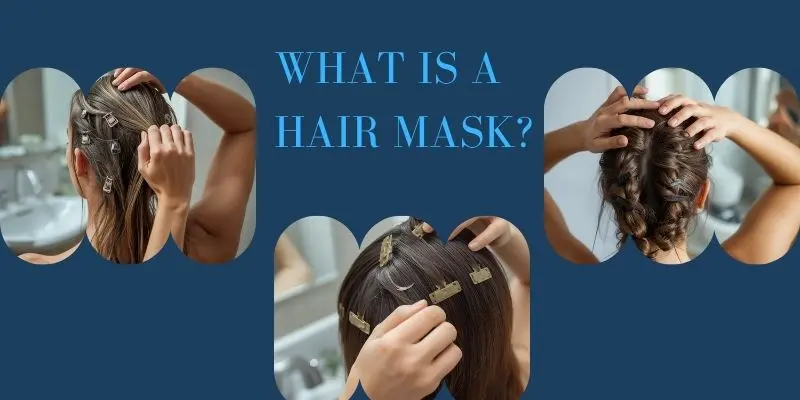
Most masks are applied to damp hair after shampooing. Some work before shampoo. A few work as a leave-in, but only in a tiny amount. If you want a full step-by-step guide, read my simple tutorial on how to use a hair mask:
What are the benefits of a hair mask?
A good hair mask helps in real ways. I notice the change in how my hair feels first.
Here are the benefits I see most often:
- Softer hair that combs more easily
- Less frizz and puffiness
- More slip, so I get less breakage while detangling
- Smoother ends, so split ends look better
- Better curl shape when I use the right type
Results depend on the mask type and how often you use it. That is why choosing the right type matters.
Types of hair masks: quick picker (pick in 10 seconds)
Use this table first. Then jump to the type that matches you.
| Your main problem | Best mask type | Time | Good example |
|---|---|---|---|
| Dry hair | hydrating hair mask | 20–30 min | avocado hair mask |
| Heat or color damage | deep conditioning hair mask | 30–45 min | rich conditioner + oil |
| Weak or stretchy hair | protein hair mask | 5–10 min | egg hair mask for hair |
| Frizz in humidity | hair mask for frizzy hair | 15–25 min | aloe + honey |
| Rough ends | hair mask for split ends | 15–30 min | coconut oil hair mask (ends) |
This also helps you pick the best hair masks for dry hair without guessing.
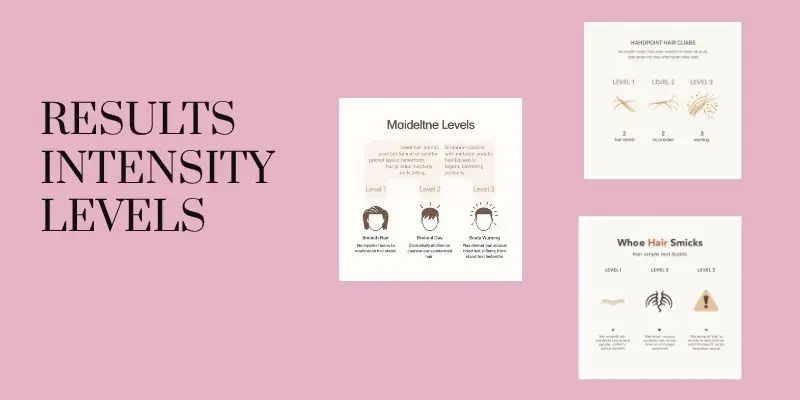
Results intensity levels (Level 1 to Level 3)
I use these levels to choose a safe plan.
Level 1: Normal dryness and frizz
You see mild tangles, dull hair, and light frizz. Most natural hair masks work well here.
Level 2: Damage signs
You see breakage, split ends, stiffness, or buildup. You need better rinsing and lighter formulas.
Level 3: Scalp red flags
You feel severe pain, swelling, pus, fever, or sudden patchy hair loss. Stop DIY care and get medical help. If a product causes burning or a rash, follow basic skin-safety steps, such as patch testing.
The American Academy of Dermatology (AAD) shares clear guidance on skin reactions and patch testing.
12 types of hair masks (what they do + how I use them)
These are the 12 types of hair masks I use most in my routine. Each one has a clear job, like hydration, repair, or frizz control. I will share what each mask does, who it helps, and how I use it step by step.
1) Hydrating hair mask (dry hair help)
Best for: dry hair, dull hair
How to use: apply on damp hair, focus on ends, rinse well
Time: 20–30 minutes
How often: 1× per week
DIY idea: banana hair mask or avocado hair mask mixed with conditioner.
Read next: Hydrating mask guide: hydrating hair mask
2) Deep conditioning hair mask (damaged hair support)
Best for: hair masks for damaged hair and rough texture
How to use: apply after shampoo, cover with a cap, rinse fully
Time: 30–45 minutes
How often: weekly for 3–4 weeks, then every 10–14 days
Read next: Deep conditioning guide deep conditioning hair mask
3) Protein hair mask (strength support)
Best for: weak hair that feels stretchy when wet
How to use: Use a small amount and keep timing short
Time: 5–10 minutes
How often: every 3–4 weeks
DIY idea: egg hair mask for hair (use rarely).
Note: Too much protein can make hair stiff.
Read next: protein hair mask
4) Keratin hair mask (smooth feel for rough hair)
Best for: rough hair and heat or colour stress
How to use: apply to lengths only, rinse well
Time: 10–20 minutes
How often: every 1–2 weeks
A keratin hair mask can improve feel and shine. It will not erase damage.
Full guide: keratin hair mask
5) Bond repair hair mask (for bleach or heavy colour)
Best for: hair that feels weak after bleach or strong dye
How to use: follow label timing, then add moisture if needed
Time: 5–20 minutes
How often: weekly or as directed
6) Moisturising butter mask (rich moisture)
Best for: thick hair and curls
How to use: warm a small amount in hands, apply to ends, rinse well
Time: 15–30 minutes
How often: every 7–10 days
This type includes a shea butter hair mask, and it can feel heavy if you use too much.
Full Shea Guide: Shea Butter Hair Mask
7) Oil mask (seal and shine)
Best for: dry ends and dull shine
How to use: use a small amount on ends only, then shampoo well
Time: 15–30 minutes
How often: every 1–2 weeks
This is where coconut oil hair mask and other oil masks fit.
8) Scalp detox mask (buildup and oily scalp)
Best for: oily scalp and heavy product buildup
How to use: apply to scalp only, rinse fully, then condition lengths
Time: 5–10 minutes
How often: every 2–4 weeks
This supports a hair mask for an oily scalp and a “clean scalp” routine.
9) Hair mask for frizzy hair (smoothing type)
Best for: frizz and puffiness
How to use: apply to the outer layer and ends, rinse well
Time: 15–25 minutes
How often: weekly
This is your hair mask for frizzy hair type.
Full guide: Hair mask for frizzy hair
10) Hair mask for curly hair (slip + detangle)
Best for: curls and coils that tangle fast
How to use: apply in sections, detangle gently from ends upward
Time: 15–30 minutes
How often: weekly
This is the best match for a hair mask for curly hair.
Full guide: hair mask for curly hair.
11) Overnight hair mask (lengths only)
Best for: very dry lengths
How to use: apply to lengths only, avoid scalp, braid loosely
Time: overnight
How often: 1–2 times per month
An overnight hair mask can cause buildup if you use too much.
Full guide: overnight hair mask
12) Hair mask for split ends (soften the look)
Best for: rough ends and breakage zones
How to use: apply only to ends, rinse well
Time: 15–30 minutes
How often: weekly
This supports a hair mask for split ends goal, but trims fix true splits.
Full guide: Hair Mask for Split Ends
DIY and natural hair masks (ingredient ideas you can match to a type)
I like diy hair masks because I can keep them simple. I also use them as examples inside the main types.
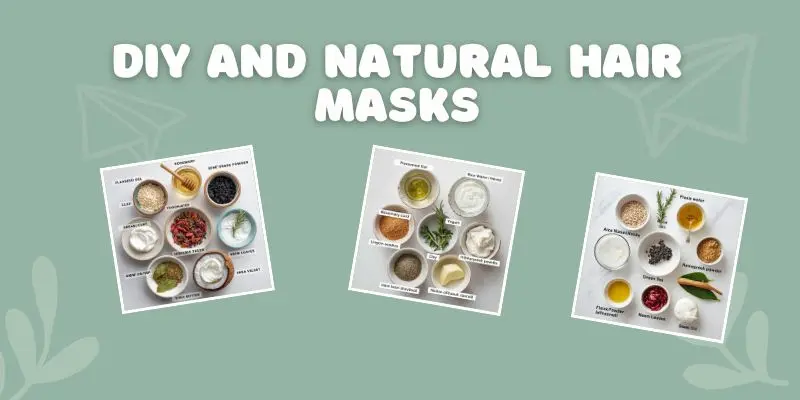
If you want more recipes in one place, use my hub page: DIY Hair Masks
Oils and butters (seal and soften)
These help dry ends feel smoother.
- Argan oil for hair, castor oil for hair, almond oil, jojoba oil for hair, and vitamin E
- Shea butter for thick hair and curls
Tip: Start small. Heavy oils can cause buildup.
Herbs and leaves (traditional scalp and hair care)
These are common in home routines:
- hibiscus, fenugreek (methi), amla, neem, curry leaves,
- reetha and shikakai (often used for cleansing the hair)
Read next: Fenugreek seeds for hair growth
“Kitchen” masks (easy homemade blends)
These are popular homemade hair masks:
- banana, avocado, papaya, strawberry, oatmeal
- milk, curd, mayonnaise, coconut milk
- Aloe vera and honey
Scalp detox and rinse-style masks (buildup control)
These can help a coated feel:
- charcoal, clay
- apple cider vinegar (always dilute)
Growth-support and tingle masks (use carefully)
These can irritate some scalps:
- onion juice, garlic
- rosemary oil for hair, peppermint oil, tea tree oil
Safety tip: I patch test strong ingredients, especially essential oils for hair. The AAD supports patch testing for products that may irritate skin.
What to do and what not to do (simple rules)
Do
- Apply masks to damp hair.
- Focus on ends first.
- Rinse well and shampoo if hair feels coated.
- Clarify once in a while if you use heavy masks.
- Follow a plan and track results.
Don’t
- Don’t overuse a protein mask.
- Don’t leave oily masks on fine hair too long.
- Don’t ignore burning or strong itching.
- Don’t apply heavy oils to your scalp if you get buildup.
Where the problem shows up (and what it may mean)
I use “location” to pick the right mask type.
- Scalp: Choose a scalp detox mask. Keep heavy butters off roots.
- Roots oily + ends dry: keep scalp light and treat ends only.
- Mid-lengths rough: use deep conditioning or keratin support.
- Ends splitting: use an oil mask on ends and trim when needed.
Common myths (and the truth)
- Myth: A hair mask fixes split ends forever.
Truth: It softens the look. A trim fixes splits. - Myth: More protein always means stronger hair.
Truth: Too much protein can make hair stiff. - Myth: Overnight masks always work better.
Truth: Overnight use can cause buildup. Short masks work well for many people.
Timeline: what I expect
- Same day: softer hair and easier detangling.
- 2–4 weeks: less frizz and better manageability with steady use.
- Hair growth: A hair mask for hair growth can help you keep length by reducing breakage. It cannot guarantee new growth.
Weekly hair mask routine (simple plans)
This weekly hair mask routine keeps my results steady. I also wrote a full plan here:
- Dry hair: hydrating mask weekly. Add an oil mask every 2 weeks.
- Damaged hair: deep conditioning weekly. Add bond repair weekly if bleached.
- Curly hair: curl slip mask weekly. Add butter mask every 10 days if needed.
- Thin hair or oily scalp: light mask every 10–14 days. Scalp detox every 3–4 weeks.
Submit Your Story
Tell me what you tried:
- Your hair type (straight, wavy, curly, coily)
- Your scalp type (oily, dry, flaky, sensitive)
- The mask type you used and the time
- Your results after 2–4 weeks
Your story helps other readers pick faster.
How This Article Was Created
I wrote this guide from my real at-home testing and simple haircare best practices. I focused on safe habits like patch testing and stopping products that cause burning or rash. When I mentioned irritation and scalp safety, I used trusted public sources like the American Academy of Dermatology (AAD) and general guidance from the NHS and Mayo Clinic. This article shares education, not medical advice.
Conclusion
Once I understood the types of hair masks, I stopped guessing. I matched the mask to my real problem. That change saved me money and time. My hair also felt softer because I used the right type, not just more product.
Now I keep it simple. I do one mask a week, rinse well, and avoid heavy buildup. I also stay honest about results. A mask can support healthy hair. It can help with frizz, dryness, and breakage. When you stay consistent, you usually see the best change.
FAQs
Most people do well with a hair mask once a week. Dry hair can handle a hydrating hair mask weekly. Damaged hair may need a deep conditioning hair mask once a week for a month. Fine or oily hair often does better every 10 to 14 days. I watch for heavy or coated hair, and then I use it less. A simple weekly plan works best.
A protein hair mask helps weak hair feel stronger. It works best when hair feels stretchy or breaks fast. A deep conditioning hair mask focuses on moisture and softness. Most people need moisture more often than protein. I use protein once every 3 to 4 weeks. I use deep conditioning more often if my hair feels dry. Too much protein can make hair feel stiff.
Yes, but I follow strict rules with an overnight hair mask. I apply it only to hair lengths and ends. I keep it off my scalp to avoid buildup. I use a small amount and braid my hair. I do this one or two times a month, not weekly. If my hair feels greasy, I stop and shorten the time next time.
The best hair mask for frizzy hair is a smoothing mask with good slip. I like masks with aloe, honey, and light oils. I apply it to damp hair and focus on the outer layer. I leave it for 15 to 25 minutes. I rinse well so my hair stays light. Frizz improves more when I use the mask every week.
A hair mask for hair growth can support healthy hair habits. It can reduce breakage and dryness, which helps you keep length. It cannot guarantee new hair growth by itself. Growth depends on many things, such as health and scalp care. I focus on a weekly routine and gentle detangling. If you see sudden patchy hair loss, you should get professional help.




- Be Respectful
- Stay Relevant
- Stay Positive
- True Feedback
- Encourage Discussion
- Avoid Spamming
- No Fake News
- Don't Copy-Paste
- No Personal Attacks
- Be Respectful
- Stay Relevant
- Stay Positive
- True Feedback
- Encourage Discussion
- Avoid Spamming
- No Fake News
- Don't Copy-Paste
- No Personal Attacks
