Hair Mask for Hair Growth: What Really Works and What to Expect
Published: 9 Jun 2026
If you’re searching for a hair mask for hair growth, you’re not alone. I understand how frustrating slow hair growth or thinning can feel. You try different products, scroll through endless recommendations, and still wonder if anything will truly make a difference. Many people turn to hair masks hoping for thicker, longer hair, but results often depend on how you use them and what you realistically expect.
A hair mask is a deep conditioning treatment designed to deliver concentrated moisture and nutrients to your hair and scalp. Unlike regular conditioner, which you rinse out after a minute or two, a hair mask stays on longer and contains higher amounts of nourishing ingredients. This is why many people consider it when looking for natural remedies for hair growth. If you’re new to intensive hair treatments, learning about a deep conditioning hair mask can help you understand how these treatments work.
However, it is important to understand the difference between a hair mask and conditioner. Conditioner mainly smooths the outer layer of the hair shaft, while a hair mask can penetrate deeper and support scalp health. That said, neither directly makes hair grow faster from the follicle. Their main benefit comes from reducing breakage and improving hydration, which can make hair appear longer and healthier over time.
Hair Mask vs Conditioner: What’s the Difference?
Many people confuse hair masks with conditioners. While both help your hair, they work differently. A hair mask is thicker and contains more concentrated ingredients. It stays on your hair longer, usually between 15 and 30 minutes. A regular conditioner is lighter and is rinsed out after just a minute or two.
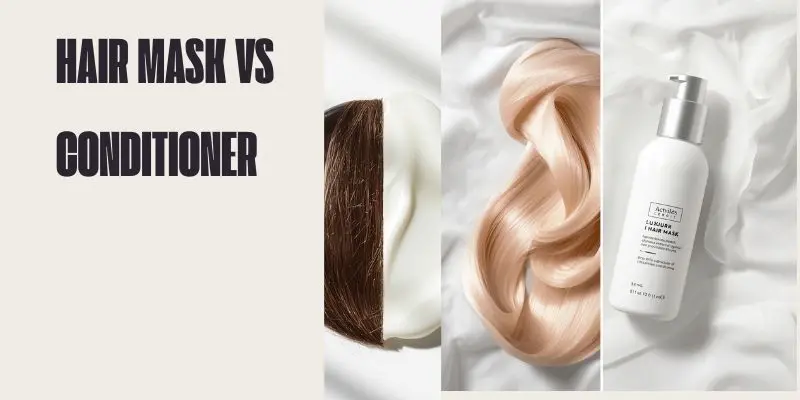
Here’s a quick comparison:
| Feature | Hair Mask | Conditioner |
|---|---|---|
| Concentration | High | Low |
| Time on hair | 15–30 minutes | 1–2 minutes |
| Main purpose | Deep hydration and repair | Daily smoothing |
| Benefit for growth | Reduces breakage | Improves manageability |
Use a hair mask once or twice a week when your hair feels dry or damaged. Use conditioner after every wash for daily care.
Can Hair Masks Actually Promote Hair Growth?
A hair mask for hair growth does not directly make your hair grow faster from the roots. Hair growth mainly depends on your scalp health, diet, and genetics. However, hair masks can support growth indirectly. They reduce breakage and improve hydration, which helps your hair stay longer and look thicker. Hair growth tips: Eat enough protein, keep your scalp healthy, and avoid excessive heat styling to reduce breakage.
It is important to be honest here. Hair masks work best for improving the overall health of your hair and scalp. They cannot fix medical hair loss or hormonal thinning on their own. If you are concerned about excessive shedding, reading a hair loss guide may help you understand the possible causes, but you should still consult a dermatologist for serious hair loss.
Best Ingredients for Hair Growth Hair Masks
Some ingredients are commonly used in hair masks because they support hair and scalp health. Here’s a breakdown of the most popular ones:
Some ingredients are commonly used in hair masks because they support hair and scalp health. If you struggle with flaking, itching, or dryness, these ingredients can also complement simple Dry Scalp Treatments at Home. Here’s a breakdown of the most popular ones:
| Ingredient | How It Helps | Scientific Backing | Best For |
|---|---|---|---|
| Coconut Oil | Reduces protein loss | Moderate | Dry and damaged hair |
| Banana | Adds shine and softness | Low to Moderate | All hair types |
| Honey | Locks in moisture | Moderate | Dry scalp |
| Avocado | Provides healthy fats | Low | Dry and frizzy hair |
| Eggs | Adds protein | Low | Weak and brittle hair |
| Almond Oil | Improves hydration | Moderate | Normal to dry hair |
| Cinnamon | May improve blood flow to scalp | Low | Oily scalp |
| Rosemary Oil | May support scalp health | Moderate | Thinning hair |
| Castor Oil | Thick consistency, moisturizes | Low | Dry ends |
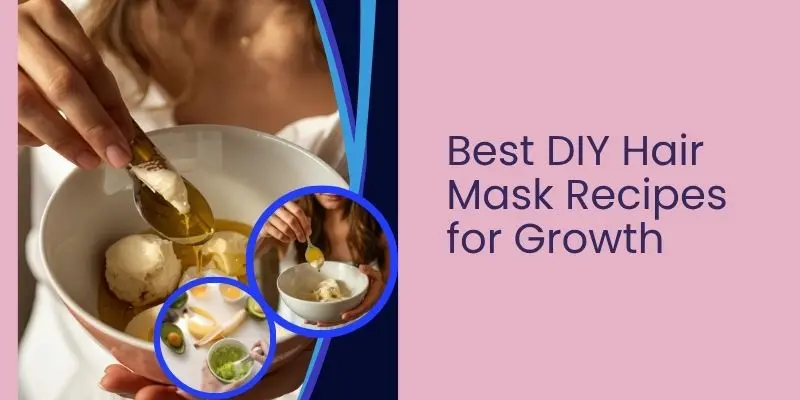
Best DIY Hair Mask Recipes for Growth
Here are some simple and effective DIY recipes you can try at home:
- Coconut Oil Hair Mask (For dry hair)
Mix 3 tablespoons of coconut oil for hair with 1 tablespoon of honey. Apply to damp hair and leave for 20 minutes. - Banana Hair Mask (For shine)
Mash 1 ripe banana with 2 tablespoons of yogurt. Apply from roots to ends and rinse after 15 minutes. This simple treatment can add softness and shine, making it a great addition to a regular banana hair mask routine. - Avocado and Almond Oil Mask (For damaged hair)
Blend half an avocado with 2 tablespoons of almond oil. Leave on for 25 minutes. Avocado is rich in healthy fats that can help moisturize dry strands, making this mask a great complement to an avocado oil for hair routine. - Honey and Egg Mask (For strength)
Mix 1 egg with 2 tablespoons of honey. Apply and leave for 20 minutes. - Rosemary and Coconut Oil Mask (For thinning hair)
Mix 3 tablespoons of coconut oil with 5–6 drops of rosemary oil for hair. - Cinnamon and Honey Mask (For oily scalp)
Combine 2 tablespoons of honey with ½ teaspoon of cinnamon powder. If you enjoy natural hair treatments, this recipe pairs well with a honey hair mask routine for added moisture and scalp care. - Castor Oil and Almond Oil Mask (For dry ends)
Mix equal parts of castor oil for hair and almond oil. Apply only to the ends.
How to Apply a Hair Mask + How Often to Use It
Follow these simple steps for the best results:
- Start with clean, damp hair.
- Section your hair for easy application.
- Apply the mask from mid-lengths to ends. Avoid the roots if you have an oily scalp.
- Leave it on for 15 to 30 minutes.
- Cover your hair with a shower cap for better absorption.
- Rinse thoroughly with lukewarm water.
How often to use a hair mask:
- Dry or damaged hair: 2 times a week
- Normal hair: Once a week
- Fine hair: Once every 10 days
- Oily scalp: Once a week, focusing on the ends
Hair Masks by Hair Type
Different hair types respond differently to hair masks.

- Curly or Coily Hair: Needs rich and creamy masks with oils and butters.
- Fine or Thin Hair: Use lightweight masks to avoid weighing hair down.
- Dry or Damaged Hair: Go for masks with avocado, banana, or coconut oil.
- Oily Scalp: Focus the mask on the lengths and ends only.
- Color-Treated Hair: Choose gentle, sulfate-free ingredients to protect color.
Store-Bought Hair Masks for Hair Growth
If you prefer ready-made products, look for these ingredients on the label: biotin, rosemary oil, argan oil, shea butter, and coconut oil. If you’re interested in richer moisturizing treatments, a shea butter hair mask can be a helpful option for dry or damaged hair. Store-bought masks are convenient but often more expensive than DIY options.
| Aspect | DIY Hair Mask | Store-Bought Mask |
|---|---|---|
| Cost | Low | High |
| Customization | High | Limited |
| Convenience | Requires preparation | Ready to use |
| Ingredients | Natural and fresh | May contain preservatives |
Common Mistakes People Make With Hair Masks
Many people don’t get results because of these common mistakes:
- Using the mask too often
- Leaving it on for too long
- Applying too much product
- Expecting fast hair growth
- Not rinsing properly
- Using the wrong mask for their hair type
Realistic Results Timeline
Here’s what you can realistically expect:
- After 2 weeks: Hair feels softer and less dry.
- After 1 month: Reduced breakage and better shine.
- After 3 months: Hair may look thicker due to less breakage.
Hair masks cannot replace medical treatments like minoxidil if you have pattern hair loss. If you see no improvement after 3 months, consider consulting a dermatologist.
Share Your Experience
If you have tried different approaches for hair growth, I would love to hear what worked for you. Feel free to share your story in the comments. Reading about other people’s experiences often helps others feel less alone in their journey.
Conclusion
A hair mask for hair growth can be a helpful addition to your hair care routine, but it works best when your expectations are realistic. While these masks can improve hydration, reduce breakage, and support overall scalp health, they do not dramatically speed up hair growth or reverse thinning caused by medical conditions.
The key is consistency, choosing the right ingredients for your hair type, and using them correctly. Pay attention to how your hair responds and don’t hesitate to seek professional advice if you notice sudden or unusual hair loss.
If you’ve tried different approaches and want to share what worked for you, I’d love to hear your experience. Feel free to share your story in the comments below. Your journey might help someone else who’s facing the same challenges.
How This Article Was Created
This article was written using established information from dermatological sources and general hair care guidelines. All recommendations are based on commonly accepted practices and aim to provide honest and helpful information.
FAQs
Most people get good results by using a hair mask once or twice a week. Using it too often can make your hair feel heavy or greasy. If your hair is very dry, you can use it twice a week. For normal or fine hair, once a week is usually enough. Always check how your hair feels after a few uses, and adjust the frequency as needed.
A hair mask for thinning hair can improve the look and feel of your hair. It adds moisture and reduces breakage, which may make your hair appear thicker. However, it does not fix the real cause of hair loss. If your thinning is due to health issues, a hair mask alone may not give big results. It works best as part of a healthy hair care routine.
Some ingredients are popular in DIY hair masks for growth. Coconut oil, banana, honey, avocado, and almond oil are commonly used. These ingredients help with hydration and may reduce breakage. A coconut oil hair mask or banana hair mask is easy to make at home. Still, results vary from person to person.
You may notice softer and shinier hair within two to three weeks. Visible changes in length or thickness usually take two to three months. This is because hair grows slowly. Using a hair mask regularly can help reduce breakage over time. Be patient and stay consistent with your routine.
A hair mask is thicker and stays on longer than regular conditioner. It gives more moisture and can support scalp health better. However, it does not make hair grow faster than conditioner. Both products help in different ways. Many people use a hair mask once a week and conditioner on other days.




- Be Respectful
- Stay Relevant
- Stay Positive
- True Feedback
- Encourage Discussion
- Avoid Spamming
- No Fake News
- Don't Copy-Paste
- No Personal Attacks
- Be Respectful
- Stay Relevant
- Stay Positive
- True Feedback
- Encourage Discussion
- Avoid Spamming
- No Fake News
- Don't Copy-Paste
- No Personal Attacks
