Olive Oil for Hair: Is It Good for Growth, Shine, and Dandruff?
Published: 24 Apr 2026
Olive oil for hair is usually one of the first remedies people reach for when their hair feels rough, dull, frizzy, or impossible to manage. I understand the appeal. When your ends stay dry no matter how much conditioner you use, your scalp feels flaky, and your hair keeps breaking before you ever see real length, you want something simple that feels trustworthy. I know how discouraging it can feel when you keep trying oils, masks, and “growth” tricks, but your hair still looks thirsty by the end of the day.
That is exactly why I want to start with honesty. Olive oil can help some hair concerns, especially dryness and surface frizz, but it is not a cure-all. Reviews of hair oils describe olive oil as an emollient that can help smooth the cuticle and reduce moisture loss. At the same time, dermatology guidance is clear that true hair loss and stubborn scalp disease need proper diagnosis rather than guesswork.
1. What olive oil can and cannot do
When readers ask me about olive oil for hair benefits, I explain it this way: olive oil can support the hair fiber, but it cannot solve every scalp or growth problem. It can make hair feel softer, help rough ends look smoother, and add shine. It may also reduce friction during detangling, which can mean less breakage over time. But it does not have strong clinical evidence as a proven treatment for common forms of hair loss. The American Academy of Dermatology says effective treatment for hair loss begins with finding the cause, because thinning can stem from hormones, illness, deficiencies, inflammation, infection, or damage.
That distinction matters because many people confuse less breakage with faster growth. If your hair feels smoother and snaps less, it may look fuller and longer. That is helpful, but it is not the same thing as directly stimulating the follicle.
2. Benefits of olive oil for hair
The main benefits of olive oil for hair are practical. Olive oil can act as a rich emollient, which means it helps coat and smooth the hair shaft. In everyday terms, that can translate to softer texture, more shine, less roughness, and better frizz control. Reviews of plant oils in cosmetic science describe olive oil, argan oil, coconut oil, and jojoba oil as useful for conditioning and moisturizing hair, especially when dryness is part of the problem.
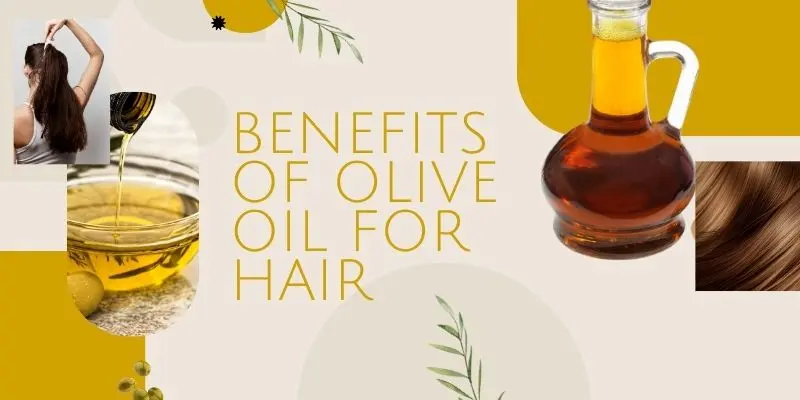
These are the olive oil for hair benefits I think are most realistic:
- softer mids and ends
- improved shine
- reduced surface frizz
- easier detangling
- support for dry, damaged, or textured hair
For people with curly, coily, thick, or processed hair, this can make a visible difference. The AAD also notes that hair care should match hair type, and textured or thicker hair often needs a gentler wash rhythm than an oily scalp does.
3. Disadvantages of olive oil on hair
I do not recommend olive oil blindly because the disadvantages of olive oil on hair are real. It can feel heavy. It can flatten fine hair. It can leave greasy residue if you use too much. And if you already deal with an oily or itchy scalp, piling more oil on top may make things feel worse rather than better.
This is where people often get frustrated. They hear “natural” and assume “safe for everyone.” But the AAD points out that scalp itch and flakes can come from several causes, including dandruff, scalp psoriasis, ringworm, allergic contact dermatitis, and product reactions. In other words, not every flaky scalp is a dry scalp, and not every scalp problem should be treated with oil.
4. Extra virgin olive oil for hair, virgin olive oil for hair, and the best olive oil for hair
If you want to try extra virgin olive oil for hair, I think that is the most sensible starting point. Under olive oil standards, extra virgin is a higher grade than virgin olive oil. That does not automatically mean it will regrow hair better, but it does make it the cleaner, more straightforward choice for topical use.
So what is the best olive oil for hair? My answer is simple: plain, fresh, fragrance-free olive oil that your scalp tolerates well. For many readers, the best olive oil for hair growth is not some expensive specialty blend. It is a small amount of extra virgin olive oil used correctly and rinsed out thoroughly.
I would choose extra virgin olive oil for hair growth or virgin olive oil for hair over highly fragranced DIY mixes, especially if your scalp is sensitive. Related Fenugreek seeds for hair growth
5. How to use olive oil for hair growth and how to use olive oil for hair
When people ask me how to use olive oil for hair growth, I always keep expectations realistic. Olive oil may support a healthier routine by reducing dryness and breakage, but it is not a proven miracle growth treatment. That said, there is a smart way to use it.
My step-by-step method
- Start with a small amount.
A few drops may be enough for short hair. Longer or thicker hair may need up to a teaspoon. - Focus on dry areas first.
I usually suggest applying it to the mids and ends before putting it on the scalp. - Leave it on briefly.
Around 20 to 60 minutes is enough for most people. - Shampoo well.
Residue is one of the biggest reasons people think olive oil “doesn’t work.” - Repeat only as needed.
Once a week is enough for many hair types.
That is also the best answer to how to use olive oil for hair if your main goal is softness and shine rather than heavy coating. The AAD’s general hair-care guidance supports matching your routine to your hair type and avoiding habits that create avoidable damage.
6. Olive oil for hair growth and thickness, and olive oil for hair loss
I want to be careful here because this is where beauty content often overpromises. Olive oil for hair growth and thickness makes sense only if we define it properly. Olive oil may help hair look thicker because smoother hair reflects light better and breaks less. That can improve fullness visually. But that is different from proving that olive oil stimulates new growth.
The same caution applies to olive oil for hair loss. If your issue is dryness-related snapping, olive oil may help reduce cosmetic damage. But if you are dealing with sudden shedding, widening part lines, bald spots, or clear thinning, the AAD recommends seeing a board-certified dermatologist to identify the cause. Also, it is normal to shed about 50 to 100 hairs a day, so not every hair in the shower means true hair loss.
7. Olive oil for hair dandruff, and what problem locations may mean
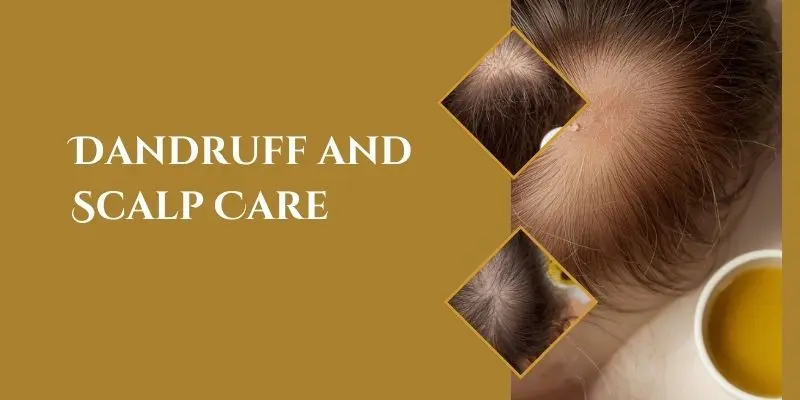
Olive oil for hair dandruff is one of the most misunderstood topics in hair care. If your scalp is mildly dry, a little oil may temporarily soften the skin and make it feel less tight. But dandruff is not just “dryness.” The AAD explains that dandruff usually improves with dandruff shampoo, and seborrheic dermatitis often needs medicated ingredients that target itch, scale, irritation, and yeast overgrowth.
Here is how I read common problem spots:
- Dry ends: usually a hair-fiber issue, not a scalp issue
- Itchy scalp with visible flakes: may point to dandruff
- Greasy roots plus flakes: may fit seborrheic dermatitis better than “dry scalp.”
- Patchy hair loss or painful areas: needs professional evaluation
- Breakage around the hairline or crown: may reflect styling damage, traction, or fragile hair fibers
8. Who may benefit most, and who should be cautious
In my view, olive oil works best for dry, thick, curly, coily, bleached, and damaged hair. These hair types often benefit from richer conditioning and more slip. If your hair gets puffy, rough, or brittle easily, olive oil may feel supportive.
I am more cautious with fine hair, low-porosity hair, very oily scalps, and buildup-prone scalps. If your roots get greasy fast, olive oil may leave your hair flatter than before. The AAD’s dandruff and hair-care advice also reinforces that wash frequency and product choice should match scalp type and texture.
9. Argan oil vs olive oil for hair, and coconut oil vs olive oil for hair
If you are comparing argan oil vs olive oil for hair, I see argan oil as the lighter option and olive oil as the richer option. Argan usually suits people who want softness without as much heaviness.
For coconut oil vs olive oil for hair, coconut oil has stronger support in the hair literature for reducing protein loss, while olive oil is more often discussed for emollient, coating, and smoothing effects. If your hair is very dry, some people use coconut oil and olive oil for hair as a pre-shampoo treatment, but I still recommend a light hand. Read Next argan oil or jojoba oil
10. DIY trends: rosemary, avocado seed, and the hair dye question
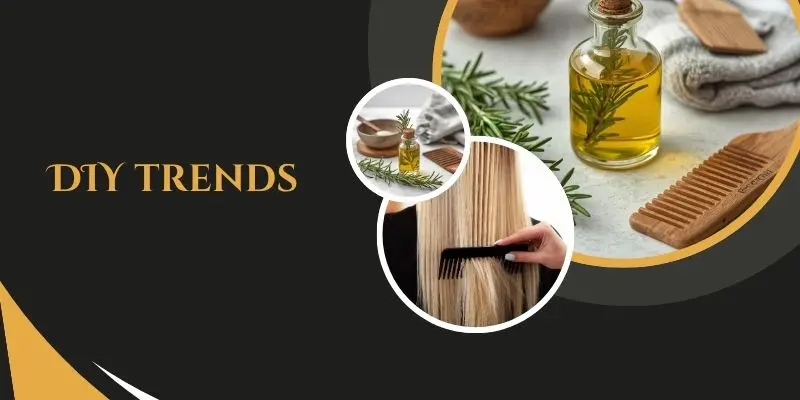
I get why DIY trends take off. Rosemary-infused olive oil for hair sounds gentle and traditional. Rosemary and olive oil for hair also sounds like a logical pairing for anyone worried about shedding. The same goes for avocado seed and olive oil for hair growth. But I think this is where readers need a reality check: homemade blends are not the same as tested treatments, and any scalp product can trigger irritation or allergy. The AAD notes that an itchy, flaky scalp can come from reactions to hair products, and scalp irritation is a good reason to stop using the product and get help if needed.
The same caution applies to tomatoes, coffee & olive oil for hair dye. I would treat that as a DIY beauty experiment, not a reliable dye method, and definitely not a scalp-health treatment.
Additional guidance:
DIY Hair Serum for Frizzy Hair
Best Frizzy Hair Products for Humidity
11. What to do and what not to do
What I would do
- patch-test first
- Use a small amount
- Focus on dry lengths before the scalp
- wash it out thoroughly
- Switch to dandruff shampoo if flakes are persistent or greasy
What I would not do
- leave heavy oil on an oily, itchy scalp
- Assume olive oil can fix unexplained shedding
- Replace proven dandruff care with oil alone
- Keep using it if your scalp burns, rashes, or gets worse
12. When NOT to DIY
This is the section I most want people to take seriously. Stop experimenting and see a dermatologist if you have sudden hair loss, bald patches, scalp pain, pus, thick crusting, severe redness, intense itch, or a rash that spreads beyond the scalp. Those are not the moments for another home remedy. These are signs you need an accurate diagnosis.
13. Common misconceptions I want to correct
Myth: Olive oil alone moisturizes hair.
Not really. Oil helps seal and smooth, but true hydration still depends on water and your broader routine.
Myth: Olive oil can quickly regrow hair.
Current guidance does not support that as a proven treatment for common hair loss.
Myth: More oil means better results.
Usually, more oil means more residue and more disappointment.
14. What you may notice over time
After one use, you may notice softer ends, a smoother feel, and more shine. After a few weeks, you may see easier detangling and less breakage-related roughness if olive oil suits your hair type. Over time, overuse can leave buildup, flatten the roots, and make scalp problems harder to treat. If your real issue is dandruff, scalp disease, or progressive thinning, delaying care may only prolong the problem.
Submit Your Story
If you have tried olive oil on dry curls, flaky scalp, breakage, or dull ends, share what happened. I always find real stories helpful because they remind other readers that hair care is never one-size-fits-all.
How This Article Was Created
This article was written using trusted dermatology guidance, official medical sources, and peer-reviewed hair-oil literature. I relied on sources such as the American Academy of Dermatology, Mayo Clinic, and peer-reviewed reviews on plant oils in hair care. Where evidence was limited or mixed, I said so clearly instead of overstating the benefits.
Conclusion
From my perspective, olive oil for hair works best when I treat it as a supportive tool, not a miracle answer. In real hair care, the biggest mistake I see is expecting one ingredient to fix dryness, frizz, dandruff, breakage, thinning, and growth all at once. That is not how healthy hair routines work. What does work is matching the ingredient to the problem. If your hair is dry, coarse, curly, or damaged, olive oil can be genuinely useful for softness and shine. If your scalp is oily, inflamed, or shedding more than usual, expertise matters more than another DIY fix.
That is where E-E-A-T really matters for both olive oil for hair and olive oil for hair growth. I believe good guidance should be honest about what an ingredient can do, honest about what it cannot do, and strong enough to tell you when to stop experimenting and see a professional. That is the standard I aimed for here.
FAQs About Olive Oil for Hair
Yes, olive oil for hair can help dry and frizzy hair look smoother. It coats the hair and adds softness. It can also reduce rough ends and dullness. This works best for thick, curly, coily, or damaged hair. If your hair feels dry all the time, olive oil may help lock in moisture better. Just do not use too much, or your hair may feel greasy.
Olive oil for hair growth may support a healthier routine, but it is not a magic growth cure. It can reduce dryness and breakage, which may help you keep more length. That is why hair can look fuller over time. But olive oil does not treat every cause of hair thinning. If you have sudden shedding or bald spots, see a dermatologist. Healthy growth starts with the scalp, diet, and the real cause of hair loss.
If you want to know how to use olive oil for hair, start with a small amount. Warm a few drops in your hands and apply it to the mid-lengths and ends. If your scalp is dry, you can massage in a little, but keep it light. Leave it on for 20 to 30 minutes before shampooing well. This method helps add shine and softness without too much buildup. Always wash it out fully for the best result.
The best way to learn how to use olive oil for hair growth is to use less, not more. Apply a small amount once a week as a pre-wash treatment. Focus on dry areas and avoid soaking the roots if your scalp gets oily fast. Massage gently for a few minutes, then rinse with shampoo. This can help reduce breakage and improve softness. If your hair feels heavy after use, cut the amount in half.
Many people prefer extra virgin olive oil for hair because it is less processed. It is usually the cleanest and simplest choice for home hair care. If you are choosing between types, extra virgin is often the safer option for dry hair masks. It will not suddenly make hair grow faster, but it can help with softness and shine. Virgin olive oil for hair can also work, but extra virgin is usually the first choice. Pick plain olive oil with no added fragrance.
The best olive oil for hair growth is usually a plain, good-quality extra virgin olive oil. You do not need a fancy brand or a costly beauty oil. The oil should feel fresh, simple, and easy to rinse out. It may help hair look thicker by lowering frizz and breakage. That is why people talk about olive oil for hair growth and thickness so often. Still, fuller-looking hair is not the same as proven new growth.
Olive oil for hair dandruff can help in some cases, but not all. If your scalp has dry flakes, a little olive oil may soften them before washing. But dandruff is not always caused by dryness alone. Some scalp flakes come from seborrheic dermatitis or irritation, and that may need a medicated shampoo. If your scalp feels greasy, itchy, red, or sore, olive oil may not be the best fix. In that case, a dermatologist can help more than any other DIY remedy.
Olive oil for hair loss may help if your hair breaks because it is dry and weak. Softer hair breaks less, so you may notice better length retention. But olive oil does not treat medical hair loss, hormone changes, or scalp disease. If your part looks wider, your hairline changes, or you see sudden shedding, do not depend on oil alone. That is the time to get expert advice. Olive oil can support hair care, but it cannot replace a real diagnosis.
When comparing argan oil vs olive oil for hair, argan oil usually feels lighter. Olive oil feels richer and heavier, so it may suit dry, thick hair better. In coconut oil vs olive oil for hair, coconut oil is often chosen for deeper penetration, while olive oil is loved for softness and shine. Some people also use coconut oil and olive oil for hair together as a pre-shampoo mask. The best choice depends on your hair type. Fine hair often likes lighter oils, while coarse hair can handle richer ones.
DIY trends like rosemary-infused olive oil for hair and rosemary-and-olive oil for hair are popular for a reason. People hope these mixes will support scalp care and reduce shedding. They may feel soothing, but they are not a guaranteed treatment. The same goes for avocado seed and olive oil for hair growth, or tomatoes, coffee & olive oil for hair dye. These mixes can be fun to try, but the results are not always clear or proven. Patch test first, and stop if your scalp feels irritated.

- Be Respectful
- Stay Relevant
- Stay Positive
- True Feedback
- Encourage Discussion
- Avoid Spamming
- No Fake News
- Don't Copy-Paste
- No Personal Attacks
- Be Respectful
- Stay Relevant
- Stay Positive
- True Feedback
- Encourage Discussion
- Avoid Spamming
- No Fake News
- Don't Copy-Paste
- No Personal Attacks
