Types of Hair Oil- Best Options for Every Hair Type and Concern
Published: 18 Apr 2026
Types of hair oil can feel overwhelming at first. I know this from my own experience. For years, I struggled with dry, frizzy, and damaged hair, spending hours trying different products that promised shine and growth but never delivered. I felt frustrated seeing split ends, dull strands, and hair that simply wouldn’t behave. I also worried that I was making the wrong choices, wasting time and money, and sometimes even damaging my hair more.
Through trial, error, and guidance from trusted hair care experts, I discovered that understanding the right types of hair oil can completely transform hair health. Oils like coconut for deep moisture, argan for shine, and rosemary oil for hair growth became staples in my routine, tailored to my hair’s needs. In this guide, I’ll share everything I’ve learned from personal experience and professional hair care insights: how to choose the best oils for your hair type, which ones target growth, frizz, or dryness, and the practical ways to apply them to see real results.
What Hair Oils Are and Why They Matter
Hair oils are nutrient-rich liquids extracted from plants, seeds, and herbs. They provide moisture, shine, and nourishment, while also supporting scalp health. Hair oils matter for all hair types, fine, thick, curly, or straight, because each type benefits differently depending on the oil used.
In this article, you’ll discover:
- How hair oils work and their benefits
- Which oils are best for growth, thickness, or damaged hair
- How to use oils effectively for daily care and specific concerns
Hair Oil Benefits
I’ve seen firsthand how hair oils improve hair health. Their key benefits include:
- Moisture retention: Keeps hair hydrated and soft
- Strength: Reduces breakage and strengthens strands
- Frizz control: Smooths flyaways and prevents frizz
- Shine enhancement: Gives a natural, healthy glow
- Scalp health: Nourishes and maintains a balanced scalp
- Growth and thickness: Certain oils, like rosemary oil for hair growth, stimulate follicles and promote stronger hair
Each oil type offers different advantages, so it’s important to match the oil to your hair goals.
Step-by-Step Guide: Choosing the Right Hair Oil
Choosing the right oil depends on hair type, texture, porosity, scalp condition, and hair goals. Here’s what I follow:
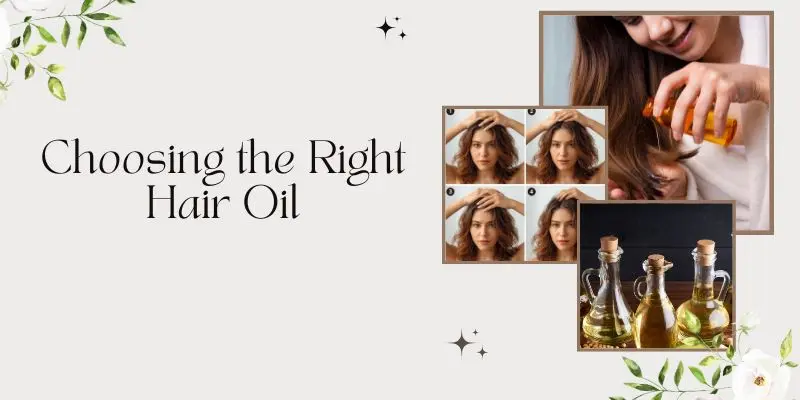
Do’s:
- Pick oils based on hair needs (moisture, shine, growth)
- Combine essential oils with carrier oils
- Apply lightly if you have fine hair
Don’ts:
- Don’t overapply or weigh down hair
- Don’t use pure essential oils directly on the scalp
- Don’t ignore your hair type and season
Some of the best natural oils for hair include coconut, argan, jojoba, and olive. If you want lightweight hair oils for daily use, argan and jojoba are my go-to choices. For dry, damaged hair or dry and frizzy hair, coconut and olive oils work wonders.
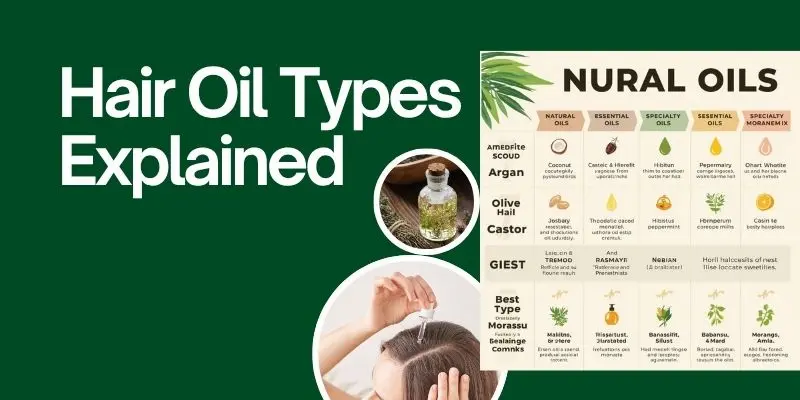
Hair Oil Types Explained
Here’s a quick reference table of the most effective hair oils:
| Oil Type | Benefits | Texture | Best For |
|---|---|---|---|
| Coconut Oil | Deep moisture, strength | Light to medium | Dry, frizzy, damaged hair |
| Argan Oil | Shine, frizz control | Light | All hair types |
| Jojoba Oil | Hair growth reduces hair fall | Light | Fine or oily hair |
| Olive Oil | Moisture, nourishment | Medium | Thick, coarse hair |
| Castor Oil | Growth, thickness | Heavy | Scalp treatments |
| Hibiscus Oil | Hair growth, reduces hair fall | Medium | All hair types |
| Babassu Oil | Scalp hydration reduces breakage | Light | Fine or thin hair |
| Moringa Oil | Strength, shine | Light | Dry or dull hair |
| Amla Oil | Scalp health, growth support | Medium | All hair types |
| Rosemary Oil | Stimulates growth, improves thickness | Light | Mixed with carrier oils for all hair types |
| Neem Oil | Fights dandruff, soothes scalp, strengthens hair | Medium | Oily scalp, dandruff-prone hair |
These oils support hair nourishment, scalp health, moisture retention, frizz control, shine enhancement, and hair type-specific needs. Learn more about our best essential oils for hair growth
Detailed Breakdown of Each Hair Oil
Here’s a deeper look at each oil, its benefits, texture, usage, and hair type suitability:
1. Coconut Oil
- Benefits: Deep moisture, strengthens hair, reduces protein loss
- Texture: Light to medium
- Best For: Dry, frizzy, damaged hair
- Usage Tip: Apply 30–60 minutes before shampooing for deep nourishment or overnight for very dry ends. Check our coconut oil
2. Argan Oil
- Benefits: Smooths frizz, adds shine, protects from heat
- Texture: Light
- Best For: All hair types
- Usage Tip: Apply a few drops on damp or dry hair to tame frizz and add shine. argan oil
3. Jojoba Oil
- Benefits: Promotes hair growth, reduces hair fall, moisturizes scalp
- Texture: Light
- Best For: Fine or oily hair
- Usage Tip: Massage into scalp; mimics natural sebum for balanced oil production. jojoba oil
4. Olive Oil
- Benefits: Deep hydration, nourishes hair, improves elasticity
- Texture: Medium
- Best For: Thick or coarse hair
- Usage Tip: Warm slightly and apply from mid-length to ends. Olive oil
5. Castor Oil
- Benefits: Stimulates growth, adds thickness, strengthens strands
- Texture: Heavy
- Best For: Scalp treatments, hair growth goals
- Usage Tip: Mix with a lighter carrier oil; leave 1–2 hours or overnight. Castor oil
6. Hibiscus Oil
- Benefits: Supports hair growth, reduces hair fall, conditions hair
- Texture: Medium
- Best For: All hair types
- Usage Tip: Massage into scalp before washing; helps reduce dandruff. Hibiscus oil
7. Babassu Oil
- Benefits: Hydrates scalp, reduces breakage, softens hair
- Texture: Light
- Best For: Fine or thin hair
- Usage Tip: Apply sparingly to damp hair or ends; absorbs quickly. Babassu oil
8. Moringa Oil
- Benefits: Strengthens hair, adds shine, reduces dullness
- Texture: Light
- Best For: Dry or dull hair
- Usage Tip: Use a few drops on mid-lengths and ends; rich in vitamins and antioxidants. Moringa oil
9. Amla Oil
- Benefits: Supports scalp health, promotes hair growth, reduces breakage
- Texture: Medium
- Best For: All hair types
- Usage Tip: Massage into scalp 1–2 times per week for stronger, thicker hair.Amla oil
10. Rosemary Oil
Usage Tip: Combine with coconut, argan, or jojoba; massage into scalp 2–3 times per week. rosemary oil
Benefits: Stimulates growth, improves thickness, reduces hair fall
Texture: Light
Best For: Mix with carrier oils for all hair types
Neem Oil
Usage Tip: Mix a few drops with coconut or jojoba oil. Massage into the scalp 1–2 times per week. Neem oil helps reduce flakiness, keeps the scalp healthy, and supports hair growth. Avoid direct application in large amounts on sensitive skin.
Benefits: Fights dandruff, soothes scalp irritation, strengthens hair, and has antimicrobial properties
Texture: Medium
Best For: Oily scalp and dandruff-prone hair
You should follow an effective Neem Oil to make your hair look better, not just externally but internally as well.
How to Use Hair Oil
I recommend different application methods depending on your goals:
- Pre-wash: Massage into scalp and hair 30–60 minutes before shampooing
- Post-wash: Smooth a few drops on damp hair for shine
- Overnight treatments: Ideal for dry, damaged hair
- Scalp massage: Promotes circulation and encourages growth
- Quantity & Frequency: Light oils daily; heavier oils 1–2 times per week
- Best hair oil for ends: Apply small amounts to prevent split ends
Additional guidance:
Common Misconceptions About Hair Oils
Many myths exist around hair oils. Here’s what I’ve learned:
- Myth: Oils make hair greasy instantly → Fact: A proper amount prevents greasiness
- Myth: Only natural oils work → Fact: Quality blends and essential oils are effective
- Myth: Oils alone fix damaged hair → Fact: Oils protect and nourish, but trimming and proper care are also necessary
Challenges and Emotional Connection
I know how frustrating dry, frizzy, or thinning hair can feel. It’s normal to feel overwhelmed by products and advice.

Consistent use of the right oils can restore softness, reduce frizz, and strengthen hair, but patience and correct application are key. For more guidance (Regrow Thinning Hair)
Timeline and Results
From my experience:
- 1–2 weeks: Hair feels softer and more manageable
- 4–6 weeks: Noticeable shine, reduced frizz
- 3 months+: Stronger, healthier scalp and hair growth improvements
Avoid overusing heavy oils, especially on fine hair, to prevent buildup.
Product Recommendations (Optional)
Here are my top choices based on hair concerns:
- Hair Growth & Thickness: Castor oil, rosemary oil for hair growth
- Dry & Damaged Hair: Coconut oil, olive oil
- Dry & Frizzy Hair: Coconut oil, argan oil
- Daily Use (Lightweight Oils): Jojoba, argan
- Hair Ends: Argan oil, jojoba oil
Submit Your Story
I’d love to hear your hair oil journey! Share your favorite oils, transformations, and tips in the comments. Your story could inspire someone to find their perfect hair solution.
How This Article Was Created
This article is based on hair care science, dermatology insights, and trusted references, including:
- American Academy of Dermatology (AAD)
- National Health Service (NHS) hair care guidance
- Mayo Clinic hair health resources
- Peer-reviewed studies on hair oil benefits
Every tip follows expert-backed advice to ensure safety, reliability, and real results.
Conclusion: My Journey and Expert Advice
Looking back at my hair journey, I can confidently say that learning about types of hair oil completely changed how I care for my hair. Oils like rosemary oil for hair growth, coconut oil for hydration, and argan for shine became essential tools in my routine. I learned that the key isn’t just picking a popular oil, it’s understanding your hair type, porosity, and specific concerns, and observing how your hair responds.
From personal experience and expertise, I can assure you that with the right oils, consistent care, and a little patience, you can restore strength, shine, and manageability to your hair. Dry, frizzy, or thinning hair doesn’t have to be permanent. By combining personal experimentation with trusted hair care guidance, you can achieve healthier, stronger hair that reflects your best self.
FAQs
There are many types of hair oil. Natural oils like coconut, argan, and jojoba nourish hair deeply. Essential oils like rosemary, peppermint, and tea tree help with scalp health and hair growth. Specialty blends like amla or moringa provide extra strength. Choosing the right oil depends on your hair type and needs.
If you want hair growth and thickness, rosemary oil and castor oil work very well. Coconut oil also supports growth by strengthening hair. Using these oils regularly can make your hair thicker and healthier. Always massage the oil into the scalp for the best results.
The best natural oils for hair include coconut, argan, jojoba, olive, and castor oils. These oils add moisture, shine, and strength. They are safe for all hair types and help reduce frizz. Natural oils also improve scalp health. You can use them alone or with essential oils.
For dry and damaged hair, coconut oil and olive oil are excellent. They penetrate the hair shaft to restore moisture. Argan oil adds shine and reduces frizz. Using oils 1–2 times per week can repair hair damage over time. Always apply to damp hair for better absorption.
Argan oil, coconut oil, and jojoba oil are great for dry and frizzy hair. These oils smooth the hair cuticle and add shine. They also help control flyaways. Using a few drops on damp hair after washing works best. Consistent use keeps hair soft and manageable.
Yes, lightweight oils like argan, jojoba, and grapeseed are perfect for daily use. They don’t weigh hair down. These oils add moisture and shine without greasiness. You can apply a few drops to damp or dry hair. They are safe for all hair types, including fine hair.
Hair ends are often dry and split. Applying oil like argan, jojoba, or coconut to the ends prevents breakage. Use a small amount to avoid greasiness. Regular application keeps the ends soft and healthy. It also reduces frizz and adds shine to hair tips.
Yes, rosemary oil is known for promoting hair growth. It improves blood flow to hair follicles. Massaging rosemary oil into the scalp can strengthen hair and reduce hair loss. Mix it with a carrier oil like coconut or jojoba. Use 2–3 times per week for best results.
It depends on your hair type. Dry or damaged hair can benefit from 1–2 times per week. Fine hair or an oily scalp should use light oils less often. Daily use of lightweight oils is okay for added moisture. Always adjust according to how your hair feels.
Yes, mixing oils can give multiple benefits. For example, coconut with rosemary oil adds moisture and boosts growth. You can also blend argan and jojoba for shine and smoothness. Always use small amounts to avoid heaviness. Blends allow you to target your hair needs effectively.



- Be Respectful
- Stay Relevant
- Stay Positive
- True Feedback
- Encourage Discussion
- Avoid Spamming
- No Fake News
- Don't Copy-Paste
- No Personal Attacks
- Be Respectful
- Stay Relevant
- Stay Positive
- True Feedback
- Encourage Discussion
- Avoid Spamming
- No Fake News
- Don't Copy-Paste
- No Personal Attacks
