Exploring Hair Type 3: The Complete Guide to Curly Hair
Published: 16 Oct 2024
Hair Type 3 curls are stunning, lively, and full of personality—but let’s be real, they can be tricky. I’ve spent years battling frizz that appears the second I step outside, shrinkage that makes my hair look half its actual length, and curls that refuse to cooperate no matter how many creams or gels I try.
If you have 3A, 3B, or 3C curls, you know the struggle: some days your curls bounce like springs, other days they turn into a frizzy, unmanageable mess. That’s why understanding Hair Type 3 isn’t just about styling—it’s about learning how your hair works, what it needs, and how to nurture it so it thrives naturally.
In this guide, I’ll share my personal experience, backed by expert advice and trusted research, to help you care for your curls with confidence. From hydration and styling techniques to frizz control and product choices, you’ll learn how to love your curls instead of fighting them.
What Is Hair Type 3?
The hair-typing industry often uses the Andre Walker Hair Typing System, which categorizes hair from Type 1 (straight) to Type 4 (coily/kinky). In this system, Type 3 is curly hair. It ranges from loose, wavy curls to tight spirals that spring back like springs.
Type 3 hair is famous for body, volume, and natural shape. It can look stunning, but it also drinks up moisture quickly and loves hydration. Each subtype has unique hydration, definition, and care needs.
3A, 3B, 3C: The Subtypes of Curly Hair
Not all Type 3 hair is the same. It’s divided into three subtypes — 3A, 3B, and 3C — based on curl tightness and shape.
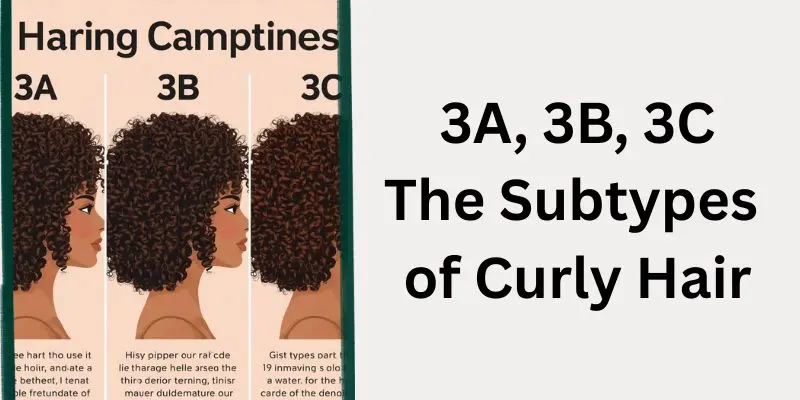
3A Hair — Loose Curls
- Looks like soft, big spirals or S‑shaped waves.
- The curl diameter is larger, like the size of chalk.
- It’s often shinier because natural oils travel more easily down the strand.
- It needs light hydration and styling products so curls don’t fall flat.
3B Hair — Medium Spirals
- Curls form springy corkscrews about the width of a marker.
- This subtype has more volume and bounce than 3A.
- It tends to dry out faster and can frizz without proper moisture.
- 3B curls need products that provide hydration and definition without weight.
3C Hair — Tight Corkscrews
- Curls are tighter and denser, about the size of a straw or pencil.
- You’ll see lots of volume and tight spirals packed close together.
- This subtype is the driest of Type 3 and most prone to shrinkage.
- It thrives with richer creams and deep‑conditioning routines.
In short: 3A is gentle and loose, 3B curls are springy and lively, and 3C is tight and dense.
What Makes Type 3 Hair Special?
Type 3 hair has a unique structure. Curly hair grows from oval‑shaped follicles. The more oval the follicle, the more the hair bends and spirals when it grows.
Compared to straight hair, curly hair:
- Has natural bends and curves that catch moisture in some places and lose it in others.
- Is prone to dryness because oils can’t travel easily down the hair shaft.
- Shows shrinkage — curls look shorter when dry because they coil up.
That’s why Type 3 hair often needs moisture first, then styling. Think of it like a thirsty plant: water first, shape later.
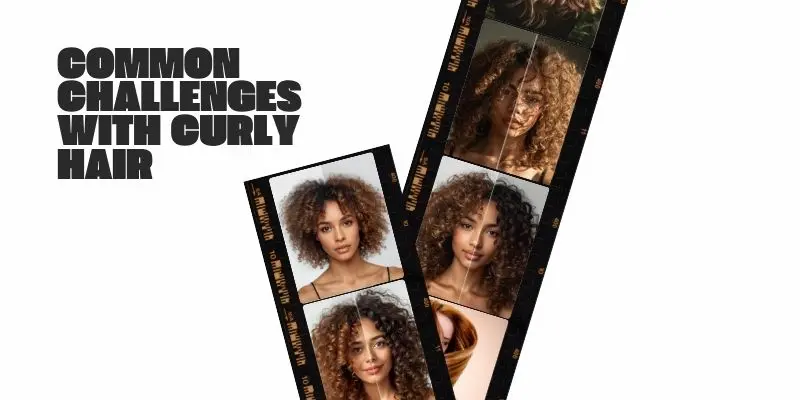
Common Challenges With Curly Hair (Type 3)
Curly hair is beautiful, but it comes with some common struggles.
1. Dryness and Frizz
Curly hair doesn’t easily get natural oil from roots to tips. This means it dries out faster and looks frizzy, especially in humid weather.
2. Shrinkage
Curly hair looks much shorter when dry because the loops tighten. This is normal, but it surprises many people new to curly hair care.
3. Product Build‑Up
Using too much heavy cream or oil can weigh curls down or create buildup. It’s about balance — enough moisture, not too much product.
4. Mixed Curl Patterns
Many people don’t have just one curl type on their head — you might have 3A in some areas, 3B in others, and even 3C near the nape. This is totally normal.
How to Build a Gentle and Effective Care Routine
Great curly hair care starts with hydration and gentle handling.
1. Cleansing
Use a sulfate‑free shampoo or co‑wash (conditioner wash) to clean your hair without stripping natural oils. Curly hair loses moisture easily, so gentle cleansing keeps curls soft and vibrant.
2. Condition and Deep Condition
- Regular conditioner helps detangle and soften.
- Deep conditioning once a week restores moisture and prevents breakage — especially for 3B and 3C curls.
3. Leave‑In Conditioners and Hydration
Apply leave‑in while hair is still wet, so the curls lock in moisture and reduce frizz.
4. Styling Products
For Type 3 curls:
- Curl creams and gels help define without crunchiness.
- Look for products with humectants like glycerin or aloe — they attract moisture.
5. Drying
- Avoid rough towel drying — use a microfiber towel or cotton T‑shirt.
- Air‑dry or use a diffuser on low heat to keep curls defined and reduce frizz.
6. Nighttime Care
Sleeping on a satin or silk pillowcase or using a bonnet helps protect curls and maintain moisture overnight.
Best Styling Methods for Curly Hair
Type 3 hair loves techniques that boost definition:
Finger‑Coiling
Work product through small sections and wrap each around your finger. This helps curls set with a clear shape.
Plopping
Wrap curls in a T‑shirt after washing to help them form without frizz.
Scrunching
Scrunch curls from tips to roots after applying product. This encourages clumping and bounce.
Product Suggestions (No Brands, Just Benefits)
While specific products change over time, the types of ingredients that work well for Type 3 curls include:

Deep conditioning masks: periodically replenish moisture.
Humectants (glycerin, aloe vera): attract and hold moisture.
Light to medium‑weight curl creams: add definition without heaviness.
Leave‑in conditioners: keep curls soft longer.
Why Knowing Your Curl Type Matters
Knowing whether you have 3A, 3B, or 3C curls helps you choose the right products and routines. For example:
- 3A curls may shine with lighter creams.
- 3B curls benefit from balanced hydration and definition products.
- 3C curls need richer moisturizing and stronger curl‑clumping routines.
Simply knowing your curl type gives you control — not stress.
1. Visual Comparison Chart for Type 3 Curls
| Curl Type | Shape / Diameter | Texture & Feel | Frizz & Shrinkage | Care Tips |
|---|---|---|---|---|
| 3A | Loose S-shaped waves | Soft, fine to medium | Low frizz, minimal shrinkage | Light creams, mousse, gentle hydration |
| 3B | Medium corkscrew (~Sharpie width) | Springy, medium thickness | Medium frizz, moderate shrinkage | Moisturizing leave-in, curl creams, light oils |
| 3C | Tight corkscrew (~straw width) | Dense, coarse | High frizz, high shrinkage | Rich creams, heavy oils, and gentle detangling |
Conclusion: Love Your Curls with Knowledge
After years of trial and error, I’ve learned the secrets of Hair Type 3 curls. It isn’t about forcing perfect curls every day—it’s about understanding your hair, respecting its needs, and using the right techniques and products. I’ve discovered that proper hydration, gentle handling, and the right styling methods make all the difference.
Whether it’s a 3A, 3B, or 3C curl, knowing your hair’s pattern, porosity, and density allows you to care for it intelligently. With the routines I share in this guide, your curls can stay healthy, soft, bouncy, and defined—even on the most humid or dry days.
Remember, this advice is based on my personal experience and expert-curated research, so you can trust it. Your Hair Type 3 curls deserve care, love, and attention, and with a few simple steps, they’ll reward you with their natural beauty and personality every single day.
FAQs: Hair Type 3 Curls
3A curls are loose, soft waves that form large spirals. 3B curls are medium corkscrews, springy and bouncy. 3C curls are tighter, dense spirals that coil closely together. Checking the curl size and shape helps you pick the right products. Knowing your type ensures your hair gets proper hydration and styling. This prevents frizz and keeps curls defined.
Frizz happens when curls are dry, damaged, or exposed to humidity. 3B curls naturally need more moisture because oils don’t travel easily down the hair shaft. Using hydrating shampoos, curl creams, and light oils helps smooth the cuticle. Avoid brushing curls when dry and try low-heat diffusers. Protecting hair from humidity also reduces frizz throughout the day.
Most Type 3 curls do best with 1–2 washes per week. Washing too often removes natural oils, which can cause dryness and frizz. Co-washing with a conditioner is a gentle option between shampoos. Always use sulfate-free products to maintain moisture. This routine keeps 3B curls soft and springy.
Yes, but carefully. 3B and 3C curls are prone to dryness and breakage from heat. Always apply a heat protectant spray and keep tools at a medium temperature. Limit daily use to maintain curl health. Using a diffuser on low heat is safer than flat irons. Regular protective care keeps curls soft and reduces frizz.
Shrinkage is natural for curly hair and makes curls look shorter when dry. You can reduce it by stretching curls gently using plopping, finger-coiling, or twisting. Lightweight curl creams help curls maintain their shape without weighing them down. Avoid rough towel-drying, which increases shrinkage and frizz. Proper hydration also makes curls spring back with better definition.
Yes, 3B curls can grow long, but they are more fragile than straight hair. Regular deep conditioning, moisturizing, and gentle detangling help prevent breakage. Protective hairstyles like braids, twists, or pineapple updos protect curls overnight. Limiting heat styling also preserves curl health. With consistent care, 3B curls can grow long, strong, and defined.
Weather affects curl moisture and shape. Humidity lifts the hair cuticle, causing frizz, while dry or cold air can flatten curls and make them appear dull. Using season-appropriate products like anti-frizz serum in summer and rich cream in winter helps. Protective styles or satin pillowcases reduce weather damage overnight. Knowing how your curls react helps maintain their definition daily.
Yes, it’s common to have a mix of 3A, 3B, and 3C curls. Different follicles produce varying curl patterns. This means some areas may be looser, others tighter. Adjust products and styling techniques per section. Personalized care ensures all curls remain healthy, hydrated, and springy.
3B curls benefit from lightweight leave-in conditioners, curl creams, and natural oils. Avoid heavy products that can weigh down curls or cause buildup. Humectants, like aloe vera or glycerin, help attract moisture. Deep conditioning once a week restores hydration. Choosing the right product mix keeps curls soft, bouncy, and frizz-free.
Use plopping, scrunching, or finger-coiling for defined curls. Air-dry or use a low-heat diffuser to maintain bounce. Protective hairstyles like pineapple updos or loose braids preserve curl shape overnight. Light curl creams or gels help maintain definition without stiffness. Following these steps keeps 3B curls healthy, lively, and manageable daily.




- Be Respectful
- Stay Relevant
- Stay Positive
- True Feedback
- Encourage Discussion
- Avoid Spamming
- No Fake News
- Don't Copy-Paste
- No Personal Attacks
- Be Respectful
- Stay Relevant
- Stay Positive
- True Feedback
- Encourage Discussion
- Avoid Spamming
- No Fake News
- Don't Copy-Paste
- No Personal Attacks
