What is Blonder? The Ultimate Guide to Achieving Your Perfect Blonde Tone
Published: 16 Dec 2024
Going blonde is more than a trend; it’s a transformation. For many women, it’s a bold step toward confidence, self-expression, and unveiling the version of themselves they’ve always dreamed of. But before the bleach and toner come out, there’s one question you need to ask: What is Blonder? Understanding this concept helps you explore the shades, techniques, and aftercare that make your blonde journey unique. Whether you’re craving sun-kissed highlights or icy platinum strands, knowing exactly what “blonder” means is the key to choosing a shade that fits your style and spirit.
What Does Blonder Mean?
To go blonder means to make your hair a lighter, brighter shade of blonde. It could mean enhancing your current blonde with highlights, balayage, or full bleaching. It can also mean switching tones-like moving from honey blonde to ash or platinum.
For some, it’s about chasing that perfect sun-kissed glow. For others, it’s a bold move toward reinvention.
Popular Blonde Shades and Who They Suit
Blonde hair isn’t just one color; it comes in many shades that can completely change your look. From soft and natural to bold and edgy, there’s a blonde for everyone.
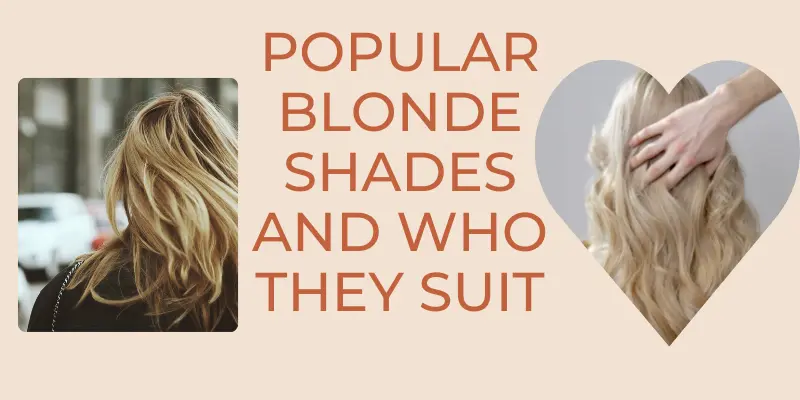
But choosing the right shade depends on your skin undertone, eye color, and how much time you’re willing to spend on upkeep. Remember, What is Blonder? is all about finding the version of blonde that highlights your natural beauty.
Ash Blonde
Ash blonde is a cool-toned shade with hints of gray or silver. It looks amazing on people with fair skin and cool undertones because it balances redness and gives a modern, chic vibe. It’s also a great option if you prefer a softer, understated blonde instead of something too bright.
Golden Blonde
Golden blonde is warm, shiny, and sun-kissed. It works beautifully on tan or medium skin tones with peachy or golden undertones. If you want hair that glows and feels effortlessly radiant, golden blonde is a perfect choice. It’s low-maintenance compared to platinum shades and adds warmth to your overall look.
Strawberry Blonde
Strawberry blonde is a mix of red and blonde that creates a soft, romantic charm. This shade is ideal for fair skin tones with neutral or warm undertones. It’s unique because it brings out the warmth in your complexion and adds a playful yet elegant touch to your style.
Beige Blonde
Beige blonde is a neutral shade that falls right between warm and cool. Because of this balance, it flatters across a wide range of skin tones. If you want a blonde that’s natural-looking, versatile, and easy to style, beige blonde is a safe and timeless option.
Platinum Blonde
Platinum blonde is bold, icy, and eye-catching. Best suited for lighter skin tones, this shade makes a strong statement. However, it requires high upkeep because it involves frequent toning and touch-ups to keep the color fresh. If you’re ready to commit to the maintenance, platinum can be the ultimate “wow” shade.
The Blonder Process: Step-by-Step
Going blonde can be fun and glamorous, but it’s not just about applying dye—it’s a process. To make sure your hair stays healthy while achieving the shade you want, stylists follow a step-by-step journey. Here’s what usually happens:
1. Consultation
The first step is always a talk with your stylist. They look at your natural hair color, its health, and your skin tone. Based on that, they suggest the right blonde shade and technique, whether it’s highlights, balayage, or a full head of blonde.
2. Bleaching
To go blonde, your hair’s natural pigment needs to be lifted. This is done through bleaching. If your hair is dark, you may need two or three sessions to reach the desired level without damaging your strands. Slow and steady is always better than rushing.
3. Toning
Once your hair is lightened, it may look yellow or brassy. That’s where toner comes in. Toning corrects these shades and gives you the exact blonde you’re aiming for—whether it’s ash, platinum, or golden.
4. Conditioning
Bleaching can make hair dry and weak. To keep it strong, deep conditioning treatments are applied. These treatments restore moisture, smoothness, and shine, reducing the risk of breakage.
5. Maintenance
Going blonde doesn’t stop at the salon chair. You’ll need regular touch-ups every 4–6 weeks to refresh your roots and keep your color vibrant. This is part of a typical hair salon treatment routine and ensures your blonde always looks even and beautiful.
Personal Story:
After my second blonde session, I noticed my hair feeling dry. Weekly deep conditioning and using purple shampoo saved my strands. Now, I love my bright beige blonde and how healthy it still feels.
Aftercare for Blonde Hair
Going blonde is exciting, but keeping that color fresh and healthy requires some care. Blonde hair is more delicate because it goes through bleaching and toning,
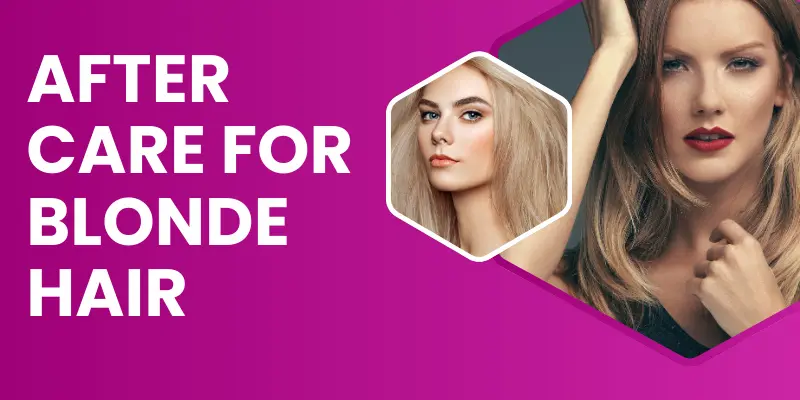
which can make it prone to dryness and breakage. With the right aftercare, you can enjoy soft, shiny, and vibrant hair without losing its beauty.
1. Use Purple Shampoo
Blonde hair often develops brassy tones (yellow or orange shades) over time. A purple shampoo helps cancel out these warm tones, keeping your blonde cool and fresh. Use it once or twice a week, depending on how your hair reacts.
2. Deep Condition Weekly
Bleached hair can become dry easily. A weekly deep conditioning treatment is one of the best dry hair care tips to lock in moisture, repair damage, and keep your strands silky smooth. Look for masks with ingredients like argan oil, keratin, or shea butter.
3. Avoid Excessive Heat
Heat styling tools like straighteners, curling irons, and blow dryers can worsen dryness. If you must style with heat, always apply a heat protectant spray to shield your hair from further damage.
4. Limit Sun Exposure
The sun can fade blonde tones and leave hair dry. Wearing a hat on sunny days or using a UV-protective hair spray helps protect your strands from harmful rays and keeps your color lasting longer.
5. Get Regular Toner Refreshes
Even with the best care, blonde tones may fade or turn brassy over time. Visiting your salon every few weeks for a toner refresh or opting for top hair salon treatments for healthier hair helps maintain the ideal shade, removes dullness, and brings back vibrancy.
Who Should Go Blonder?
Blonde hair is bold, fresh, and fun, but not everyone may find it easy to pull off. The good news is, with the right shade, almost anyone can enjoy going blonder.
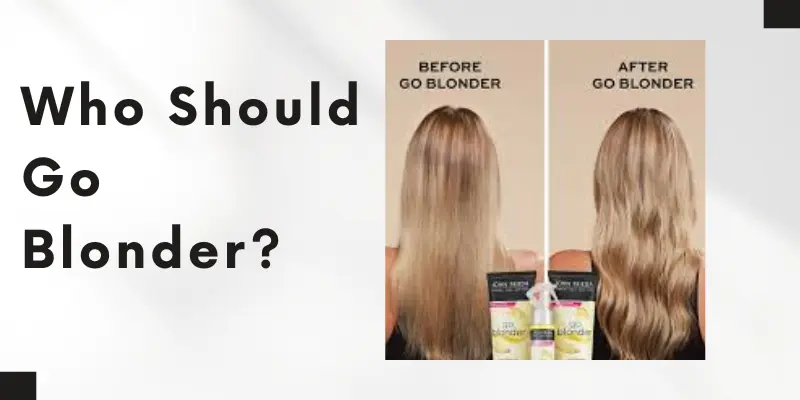
The key is to consider your skin tone, lifestyle, and how much effort you’re ready to put into maintenance. Let’s look at who benefits the most from this glowing transformation:
Fair Skin With Cool or Warm Undertones
If you have light or fair skin, blonde hair often looks natural and flattering. Cool blondes (like ash or platinum) highlight cool undertones, while golden blondes complement warm undertones. This combination creates a soft balance that enhances your features beautifully.
Style-Conscious Individuals
If you love keeping up with trends, visiting salons, and experimenting with your look, blonde hair is a great choice. It’s versatile and works well with different hairstyles and cuts, making it a fun color for those who enjoy a fashionable lifestyle.
Anyone Seeking a Fresh Start
Changing your hair color can feel like a new beginning. Blonde shades often give off a brighter, more youthful vibe. Many people choose blonde when they want a boost of confidence, a noticeable transformation, or simply to bring new energy into their lives.
✨ In short: Going blonde works best for fair-skinned individuals, trendsetters who don’t mind regular touch-ups, and anyone looking for a fresh, uplifting change.
Is This Guide Age-Appropriate?
Yes! This guide is written for teens, young adults, and adults alike. It explains blonde hair choices in simple words so anyone can understand. Whether you’re 16 or 40+, you’ll find tips that suit your age and lifestyle.
Yes-this guide is perfect for ages 18 to 40. Why?
- Young adults seek bold, expressive looks.
- Mid-30s readers often want a polished, refreshing hair change.
- The guide covers technique, care, and lifestyle alignment, helping all ages within this range make informed choices.
Personal Story:
When I first decided to go blonde, I was nervous. I had medium brown hair and feared it wouldn’t suit me. But after my stylist explained tone matching and showed me the right shade for my skin tone, I fell in love with the transformation.
Conclusion
So, what is blonder? It’s more than a color- it’s a feeling, a confidence boost, and a way to reinvent your look. From ash to platinum, the blonde spectrum offers something for everyone. With the right shade, proper care, and a little guidance, your journey to achieving your dream blonde becomes an empowering experience.
Work with a professional, embrace aftercare, and enjoy the ride. Your perfect blonde tone is waiting.
FAQs on Going Blonder
Yes, but it depends on your natural hair color. If your hair is already light brown or blonde, you may be able to lift your shade a few levels using high-lift dyes instead of bleach. However, darker shades like black or deep brown usually require bleach for the blonde tones to show properly. Without bleach, the results may be subtle and not as bright as a true blonde.
Typically, blonde hair requires root touch-ups every 6 to 8 weeks, depending on how fast your hair grows. If you have dark natural roots, they will become noticeable much sooner against the light blonde shade. Some people choose a “shadow root” style to blend their regrowth more naturally. Keeping up with regular touch-ups helps maintain a polished blonde look.
Yes, blonde hair is one of the most high-maintenance colors. It fades quickly, requires toning to stay cool-toned, and often needs hydrating treatments to repair dryness from lightning. Regular salon visits and at-home care with purple shampoo or bond-repair masks are essential. With consistent upkeep, though, blonde hair can remain vibrant and healthy-looking.
Highlights are usually done with foils and create precise, uniform streaks of lighter color. Balayage, on the other hand, is a freehand technique where color is painted onto the hair for a softer, more natural blend. Balayage tends to look sun-kissed and grows out more gracefully, while highlights require more frequent upkeep. Both can be done in blonde tones, but give different effects.
Yes, there are natural methods like using lemon juice, chamomile tea, or honey, which can gradually lighten hair. These methods work best if your hair is already light or virgin (not dyed) and you spend some time in the sun. However, results are usually subtle, not dramatic, and may require multiple applications. For noticeable blonde results, salon treatments are far more effective.
Going from dark brown to blonde is usually a gradual process that takes 2 to 4 salon sessions. Lightening too much in one visit can severely damage your hair, so professionals lift the color in stages. This allows time for bond treatments and deep conditioning between sessions. Patience is key to achieving a healthy and even blonde tone.
The cost of going blonde varies depending on your starting color, hair length, and desired shade. On average, prices range from $100 to $300 or more. More complex techniques like balayage, full platinum blonde, or color corrections can be more expensive. Maintenance appointments like toning and touch-ups also add to the long-term cost of blonde upkeep.
After bleaching, it’s important to avoid sulfates, harsh shampoos, and frequent use of heat styling tools. Swimming in chlorinated pools can also discolor blonde hair, so protection is essential. Instead, focus on moisturizing masks, leave-in conditioners, and bond-repair products like Olaplex. This helps maintain both the health and brightness of your blonde.
Purple shampoo is a must-have for blondes because it neutralizes yellow and brassy tones. Since purple is opposite yellow on the color wheel, it helps keep blonde shades cool, fresh, and more natural-looking. Regular use once or twice a week can extend the life of your color. It’s especially helpful for ash blonde or platinum shades.
Bleaching your hair at home can be risky because it’s easy to damage your strands or create patchy, uneven results. Without professional knowledge, you might over-process or break your hair. Salons use professional products and techniques that minimize damage while lifting color effectively. If you want to go significantly lighter, it’s always safest to let a stylist handle it.



- Be Respectful
- Stay Relevant
- Stay Positive
- True Feedback
- Encourage Discussion
- Avoid Spamming
- No Fake News
- Don't Copy-Paste
- No Personal Attacks
- Be Respectful
- Stay Relevant
- Stay Positive
- True Feedback
- Encourage Discussion
- Avoid Spamming
- No Fake News
- Don't Copy-Paste
- No Personal Attacks
