Dry Hair Masks for Dry, Frizzy Hair That Really Work
Published: 19 Nov 2024
Dry Hair Masks can be a simple and effective way to care for hair that feels rough, dull, frizzy, or difficult to manage. When hair loses moisture, it often becomes brittle, tangled, and more prone to breakage. Heat styling, harsh shampoos, chemical treatments, weather changes, and overwashing can all make dryness worse over time.
From personal experience, adding the right hair mask to a weekly routine can make hair feel softer, smoother, and easier to detangle. Ingredients like coconut oil, honey, avocado, aloe vera, yogurt, olive oil, and shea butter can help condition dry strands and improve shine. In this guide, you’ll find easy DIY recipes, store-bought options, application tips, and answers to common questions about using Dry Hair Masks for healthier-looking hair.
How Do Dry Hair Masks Help Dry Hair?
Hair masks work like intensive conditioning treatments. While regular conditioners are usually used for quick softness and detangling, hair masks are left on longer to give the hair extra moisture, nourishment, and manageability.
Most Dry Hair Masks contain hydrating ingredients, natural oils, butters, proteins, or conditioning agents that help improve the look and feel of dry hair. They cannot permanently repair split ends, but they can help reduce frizz, improve softness, and make damaged hair feel smoother.
1. Deep Moisture for Dry Strands
Dry hair often feels rough because it lacks enough moisture and natural oils. Hair masks made with ingredients like aloe vera, honey, coconut oil, avocado, yogurt, or shea butter can help condition the hair shaft and reduce dryness.
With regular use, a moisturizing hair mask may leave hair feeling softer, less brittle, and easier to comb through.
2. Smoother, Shinier Hair
When hair is dry, the outer layer of the strand can become rough and uneven. This makes the hair look dull and frizzy. A nourishing mask can help smooth the surface of the hair, making it reflect light better.
The result is hair that appears shinier, healthier, and more polished without necessarily feeling greasy.
3. Less Breakage and Frizz
Dryness can make hair more fragile. When strands become weak and brittle, they are more likely to snap during brushing, styling, or washing. Dry Hair Masks can help improve slip, softness, and manageability, which may reduce breakage caused by friction.
Hydrating masks can also help control frizz by adding moisture and smoothing the hair surface.
4. Better Manageability
One of the biggest benefits of hair masks is easier styling. Dry, tangled hair can be frustrating to brush and shape. A good mask can make strands feel softer and more flexible, making your regular hair care routine much easier.
Best DIY Dry Hair Masks for Dry and Frizzy Hair
DIY Dry Hair Masks are affordable, simple, and easy to make with ingredients you may already have at home. Natural ingredients like avocado, honey, coconut oil, yogurt, banana, aloe vera, and olive oil can help moisturize brittle strands and improve softness.
Do a small patch test before using a new ingredient, especially if you have a sensitive scalp or allergies.
1. Coconut Oil and Honey Hair Mask
A coconut oil and honey hair mask is a deeply moisturizing treatment for dry, rough, or frizzy hair. It helps soften strands, improve shine, and reduce dryness.
Ingredients
- 2 tablespoons coconut oil
- 1 tablespoon honey
Instructions
Warm the coconut oil slightly until it becomes soft but not hot. Mix it with honey until smooth. Apply the mixture to damp hair, focusing mainly on the mid-lengths and ends. Leave it on for 20–30 minutes, then rinse well with lukewarm water and shampoo gently.
Benefits
Coconut oil helps condition dry hair, while honey acts as a natural humectant that attracts and retains moisture. Together, they can make hair feel softer, smoother, and shinier.
2. Avocado and Olive Oil Hair Mask
This avocado and olive oil hair mask is rich and nourishing, making it a good choice for hair that feels rough, dry, or brittle.
Ingredients
- ½ ripe avocado
- 1 tablespoon olive oil
Instructions
Mash the avocado until it becomes completely smooth. Mix in the olive oil. Apply the mask to damp hair from mid-lengths to ends. Leave it on for about 20 minutes, then rinse thoroughly and shampoo if needed.
Benefits
Avocado contains natural fats that help nourish dry hair, while olive oil helps smooth and condition the strands. This mask is especially useful for thick, coarse, curly, or frizz-prone hair.
3. Banana and Yogurt Hair Mask
A banana and yogurt hair mask is a good option for dry, dull, or frizzy hair that needs softness without too much heaviness.
Ingredients
- 1 ripe banana
- ¼ cup plain yogurt
Instructions
Blend the yogurt and banana hair mask until the mixture is completely smooth. Apply it from roots to ends, then leave it on for 15–20 minutes. Rinse very well with cool or lukewarm water.
Benefits
Banana helps soften the hair, while yogurt adds light moisture and protein. Make sure the banana is fully blended, because small pieces can be difficult to rinse out.
4. Aloe Vera and Coconut Milk Hair Mask
This aloe vera and coconut milk mask is a lightweight hydrating option for dry hair that needs moisture without feeling too heavy.
Ingredients
- ¼ cup aloe vera gel
- ¼ cup coconut milk
Instructions
Mix the aloe vera gel and coconut milk in a bowl. Apply the mixture to your scalp and hair. Leave it on for 20–30 minutes, then rinse with cool water.
Benefits
Aloe vera helps hydrate and soothe the scalp, while coconut milk helps soften dry strands. This mask is ideal for hair that feels frizzy, dull, or slightly dehydrated.
5. Egg and Olive Oil Protein Hair Mask
An egg and olive oil mask may help hair that feels weak, brittle, or over-processed. However, protein-based masks should be used carefully because too much protein can make some hair types feel stiff or dry.
Ingredients
- 1 egg
- 2 tablespoons olive oil
Instructions
Whisk the egg and mix it with olive oil. Apply the mask to damp hair and leave it on for 15–20 minutes. Rinse with cold water only, then shampoo gently.
Benefits
Eggs provide protein that can temporarily strengthen the feel of the hair, while olive oil adds softness and shine. This mask is best used occasionally, not every week, especially if your hair is already protein-sensitive.
Recommended Store-Bought Dry Hair Masks
If you do not want to make a DIY mask, store-bought Dry Hair Masks can be more convenient and consistent. These products are usually formulated with conditioning agents, oils, butters, proteins, and other ingredients that target dryness, frizz, and rough texture.
Here are some popular options for dry hair.
1. Briogeo Don’t Despair, Repair! Deep Conditioning Mask
This is a well-known deep conditioning mask often used for dry, damaged, or heat-styled hair. It is designed to improve moisture, softness, and manageability.
It may be a good choice if your hair feels brittle, weak, or stressed from styling.
2. SheaMoisture Raw Shea Butter Deep Treatment Masque
This rich hair mask is often chosen by people with thick, curly, coarse, or very dry hair. It contains nourishing ingredients that help soften rough strands and improve the feel of dry hair.
It may be especially helpful for hair that needs a heavier moisturizing treatment.
3. Moroccanoil Intense Hydrating Mask
This mask is designed for dry, medium-to-thick hair that needs extra conditioning. It helps smooth the hair, reduce frizz, and improve manageability.
It is a good option if your hair feels dry, but you prefer a ready-made salon-style treatment.
Pro Tip
Use a store-bought hair mask once or twice a week, depending on how dry your hair feels. Apply it to clean, damp hair, leave it on according to the product instructions, and rinse thoroughly with cool or lukewarm water.
How to Apply Dry Hair Masks Correctly
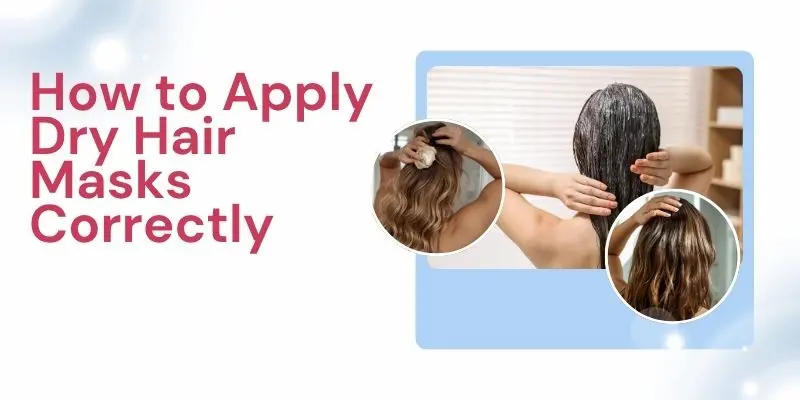
Using a hair mask the right way can make a big difference. Even the best formula may not work well if it is applied incorrectly.
Apply to Damp Hair
Most Dry Hair Masks work best on clean, damp, towel-dried hair. If your hair is soaking wet, the mask may slide off instead of coating the strands properly.
Focus on the Mid-Lengths and Ends
The ends of your hair are usually the driest and most damaged. Apply most of the mask to the mid-lengths and ends rather than the scalp, especially if your hair gets oily easily.
Use a Shower Cap
Covering your hair with a shower cap can help trap gentle warmth and keep the mask from dripping. This may help the treatment spread more evenly through the hair.
Do Not Overuse Hair Masks
Using a hair mask too often can cause buildup, especially if it contains heavy oils, butters, or silicones. For most people, once or twice a week is enough.
Rinse Thoroughly
Rinse your hair with cool or lukewarm water. Hot water can make dryness worse and may leave hair feeling rough. If your mask contains heavy oils, follow with a gentle shampoo.
Choose Ingredients for Your Hair Type
Fine hair usually does better with lightweight ingredients like aloe vera, yogurt, or coconut milk. Thick, curly, coarse, or very dry hair may benefit from richer ingredients like avocado, shea butter, coconut oil, or olive oil.
Personal Experience: My Journey with Dry Hair Masks
There was a time when my hair felt dry, dull, and weak because of frequent heat styling. Even after using conditioner, my hair still looked frizzy and felt rough at the ends.
Adding a weekly coconut oil and honey mask helped improve my routine. Over time, my hair felt softer, looked shinier, and became easier to manage. I also noticed better results when I reduced heat styling, used gentler shampoo, and stayed consistent with conditioning.
This experience taught me that Dry Hair Masks work best when they are part of a complete hair care routine, not a one-time fix.
Common Mistakes to Avoid When Using Dry Hair Masks
Hair masks are helpful, but using them incorrectly can lead to buildup, greasiness, or poor results.
Avoid these common mistakes:
- Leaving masks on much longer than recommended
- Applying heavy oils directly to an oily scalp
- Using protein masks too often
- Rinse with very hot water
- Applying masks to dirty hair with too much product buildup
- Expecting one use to completely fix dryness or split ends
Consistency matters more than using too much product at once.
Conclusion
Dry Hair Masks can be a simple and effective way to improve the look and feel of dry, frizzy, or dull hair. Whether you choose a homemade mask with coconut oil, honey, avocado, aloe vera, or yogurt, or a ready-made deep conditioning treatment, the best option depends on your hair type, texture, and level of dryness.
For best results, use a hair mask once or twice a week, apply it to clean, damp hair, and rinse thoroughly. Pair your mask routine with gentle shampooing, regular conditioning, less heat styling, and careful detangling. With steady care, dry hair can feel softer, smoother, shinier, and easier to manage over time.
Start with one of the Dry Hair Masks above and make it part of your weekly self-care routine.
FAQs.
For dry hair, using a hair mask once or twice a week is ideal to restore and maintain hydration. Regular use helps combat frizz, brittleness, and split ends caused by a lack of moisture. Overusing masks may cause buildup, so it’s best to stick to a balanced routine. With consistency, your hair will stay softer, shinier, and healthier over time.
Leaving a hair mask overnight is not always recommended unless the product specifically says it’s safe. Most masks are formulated for 20–30 minutes, and rinsing them out too late could cause scalp irritation or buildup. Overnight application is best with lightweight, natural oil-based masks like aloe, coconut, or argan oil. Always check the label before trying extended use.
Yes, homemade hair masks can be effective when made with nourishing natural ingredients like honey, yogurt, egg, or avocado. They provide deep hydration and are free from harmful chemicals found in some store-bought products. However, consistency is key. DIY masks often require regular application to see results. Store-bought options may work faster since they are formulated with concentrated actives.
In most cases, you should lightly shampoo your hair after using a mask, especially if it contains heavy oils or butters. Shampooing removes residue and ensures your scalp stays clean and fresh. However, if the mask is light and hydrating, sometimes just rinsing is enough. Always follow the product instructions to avoid overwashing or dryness.
No, hair masks shouldn’t completely replace conditioners, since they serve different purposes. Conditioners are for daily or regular use to keep hair soft and manageable, while masks are intensive treatments used less often. Masks give deeper repair and hydration but work best alongside regular conditioning. Using both ensures your hair stays healthy on a daily and long-term basis.
When choosing a hair mask, avoid harsh ingredients such as sulfates, parabens, silicones, and synthetic fragrances. These can strip moisture, irritate the scalp, and worsen dryness. Instead, opt for masks with natural oils, proteins, or hydrating agents like shea butter, coconut oil, or aloe vera. Reading labels carefully ensures you choose the safest and most nourishing option.
Yes, hair masks can benefit all hair types, but the key is selecting the right formula. Lightweight masks with aloe or green tea work best for fine or oily hair, while rich formulas with shea butter or argan oil suit thick, dry, or curly hair. Choosing a mask based on your specific needs will maximize the results. This makes them versatile for everyone.
Absolutely! Hair masks are great for color-treated hair because they restore moisture lost during the coloring process. However, it’s important to use masks specifically formulated for color-treated hair, as they help prevent fading and strengthen fragile strands. Masks with keratin, coconut oil, or rice protein are especially good choices. With regular use, your color will stay vibrant longer.
Hair masks don’t directly speed up hair growth, but they create healthier conditions for it. By improving scalp health, reducing dryness, and minimizing breakage, masks allow hair to grow longer and stronger. Ingredients like biotin, ginseng, or rosemary in some masks can further support growth indirectly. Consistency in use combined with a healthy routine shows the best results.
Homemade hair masks should be stored in an airtight container and kept in the refrigerator to stay fresh. Since they are made from natural ingredients without preservatives, they should be used within 5–7 days. Always check for changes in smell or texture before reusing. Preparing small batches ensures effectiveness and prevents waste.




- Be Respectful
- Stay Relevant
- Stay Positive
- True Feedback
- Encourage Discussion
- Avoid Spamming
- No Fake News
- Don't Copy-Paste
- No Personal Attacks
- Be Respectful
- Stay Relevant
- Stay Positive
- True Feedback
- Encourage Discussion
- Avoid Spamming
- No Fake News
- Don't Copy-Paste
- No Personal Attacks
