Type 1A Hair Guide: Care, Volume Tips, Products, and Hairstyles
Published: 6 May 2026
Type 1A hair guide advice can feel personal when your hair looks oily too fast, falls flat after styling, or refuses to hold curls no matter what you try. I understand how frustrating it feels when your hair looks soft and silky, but also seems limp, greasy, and weighed down by products that work well for other people. Based on dermatologist-backed hair care guidance and current best practices, Type 1A hair often needs the lightest touch because fine, straight strands can show oil, buildup, and flat roots very quickly.
This type 1a hair guide is not about making your hair act like thick waves or curls. It is about learning how fine, straight hair behaves and how to care for it realistically. Type 1A hair can be smooth, shiny, and easy to detangle, but it usually needs lightweight shampoo, careful conditioning, gentle styling, and smart volume tricks. Once you understand why your hair gets flat or greasy, it becomes much easier to build a routine that actually works.
What Is Type 1A Hair?
The simple definition of Type 1A hair is this: Type 1A hair is very straight, fine, and soft, with little to no natural wave or curl. It often lies close to the scalp and may look smooth or silky.
When people ask for type 1a hair explained, they usually want to know why their hair looks flat or gets greasy quickly. Because Type 1A hair is straight and fine, scalp oil can spread down the strand more easily. That can make the roots look oily faster than thicker or curlier hair.
Type 1A hair is not boring or “bad.” Every hair type has its own strengths and challenges, and learning how your hair behaves is the first step toward building the right routine. Understanding your overall hair type can also make it easier to choose products that work with your natural hair pattern.
Type 1A Hair Characteristics and Features
The most common type 1a hair characteristics are easy to spot once you know what to look for. Type 1A hair usually has a pin-straight pattern. It does not form waves, curls, or bends naturally.
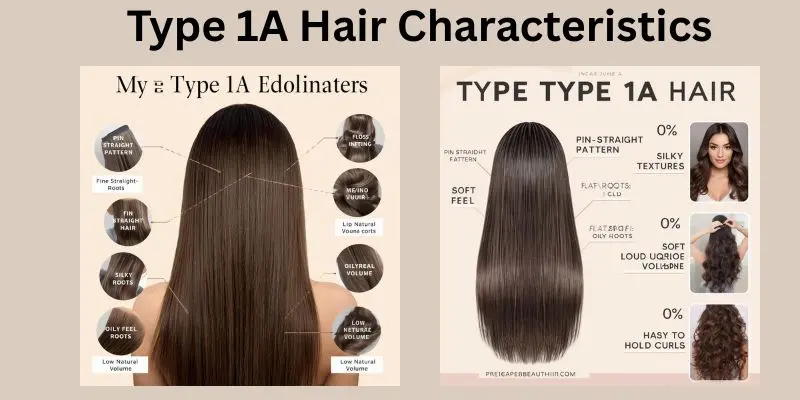
The main type 1a hair features include fine strands, a soft feel, silky shine, flat roots, low natural volume, and a smooth finish. It may also get oily or greasy faster than other hair types. Many people with Type 1A hair also struggle to hold curls.
Because the strands are fine, Type 1A hair can feel fragile. Rough brushing, tight hairstyles, high heat, and product buildup may lead to breakage. The American Academy of Dermatology notes that gentle hair care matters when hair is fragile or breaking, and hair loss treatment starts with finding the cause when shedding becomes unusual.
How to Identify Type 1A Hair at Home
If you’re wondering how to identify Type 1A hair, start with this simple at-home test. Wash your hair with a gentle shampoo and let it air-dry without cream, oil, gel, mousse, or heat. Once it is fully dry, check the natural pattern. If your hair dries completely straight with no wave or curl, it may be Type 1A.
Next, feel one clean strand between your fingers. If it feels very fine or is difficult to notice, that supports the Type 1A pattern. Also, notice how quickly your roots become oily. If your hair gets greasy quickly and falls flat easily, you may have Type 1A hair. While this at-home test is helpful, it is not a medical diagnosis. A licensed stylist can help if you are unsure.
If you’re still unsure, learning about different hair texture types can also help explain why your hair behaves differently from other straight hair types.
Type 1A Hair Chart and Examples
A type 1A hair chart, type 1A hair infographic, or type 1A hair pictures can help you compare your hair visually. Still, real hair behavior matters more than images. Look at how your hair dries, feels, and reacts to products. If you’re still unsure, comparing your hair with a Hair Type Chart can help you see where Type 1A fits among straight, wavy, curly, and coily hair patterns.
| Hair Type | Pattern | Texture | Volume | Common Signs |
|---|---|---|---|---|
| Type 1A | Pin-straight | Very fine | Very flat | Silky, oily, hard to curl |
| Type 1B | Straight with a slight body | Fine to medium | More body | Slight bend, fuller roots |
| Type 1C | Straight, thicker | Medium to coarse | Fuller | More frizz, stronger strands |
These Type 1a hair examples show that Type 1A is usually the finest and flattest straight hair type.
Type 1A Hair vs 1B, 1C, and Straight Hair
All Type 1 hair is straight, but not all straight hair is Type 1A. The difference matters.
Type 1A hair vs 1B: Type 1A is flatter and finer. Type 1B has more body and may hold soft bends better.
Type 1A hair vs 1C: Type 1C is thicker and may feel coarser. It may also have more frizz or texture.
Type 1A hair vs straight hair: Type 1A is a specific kind of straight hair. It is usually very fine, soft, and flat. So when comparing Type 1A with other hair types, remember that 1A needs the lightest routine. If your hair has a slight natural wave instead of staying completely straight, you may actually have Type 2A hair.
Common Type 1A Hair Problems and Issues
The biggest type 1a hair problems are oiliness, flatness, and product buildup. If your type 1a hair oily roots show quickly, you are not alone. Fine, straight hair often looks greasy faster because oil can move down the hair shaft more easily.
Other type 1a hair issues include curls falling out, low volume, scalp showing through, and hair looking limp after conditioner. Some people also describe their type 1a hair as thin, but fine hair and thin hair are not the same. Fine hair means each strand is small. Thin hair means there are fewer strands on the scalp.
If you notice sudden hair loss, patchy bald spots, pain, or itching, do not treat it as a normal Type 1A issue. Mayo Clinic explains that hair loss can happen suddenly or slowly and may affect the scalp or the whole body, depending on the cause.
Type 1A Hair Care Guide
A good type 1a hair care guide should focus on balance. You want clean roots, soft ends, and light volume.
For type 1a hair, how to care, start with gentle cleansing. Use a lightweight shampoo or volumizing shampoo. Apply conditioner only to the mid-lengths and ends. Avoid heavy masks unless your ends feel dry or damaged.
For type 1a hair maintenance, brush gently and avoid pulling wet hair. Use heat protectant before blow-drying or styling. Keep your routine simple. Type 1A hair treatment should mean gentle care and buildup control, not heavy oils or thick creams.
Type 1A Hair Daily, Morning, Night, and Weekly Routine
A simple type 1a hair care routine works better than a heavy one.
In the morning, refresh roots with a light dry shampoo if needed. Use a small amount of mousse or root spray if you want lift. Avoid applying serum near the scalp.
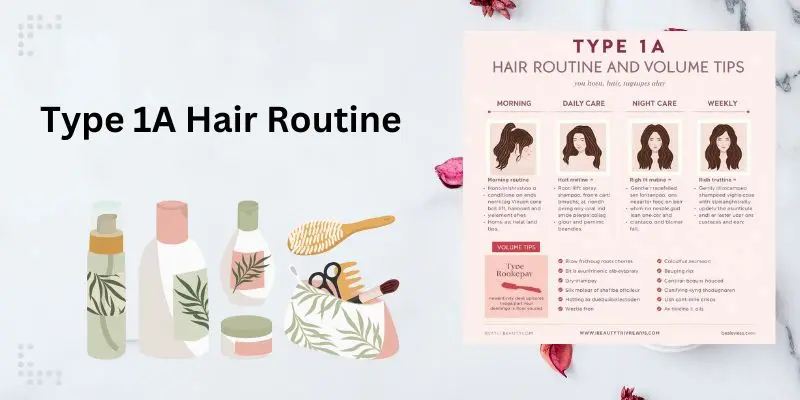
For a type 1a hair daily routine, brush gently, keep product light, and avoid touching your roots too much. Touching hair often can make it look greasier faster.
For a type 1a hair night routine, avoid tight ponytails. Use a loose clip or soft scrunchie. A smooth pillowcase may help reduce friction.
For a type 1a hair weekly routine, clarify only when buildup appears. Do not overdo strong clarifying shampoos because they can leave hair feeling dry.
Best Products for Type 1A Hair
The best type 1a hair products are lightweight. Avoid anything that makes your hair feel coated.
| Product Type | Why It Helps | What to Avoid |
|---|---|---|
| Lightweight shampoo | Cleans without heaviness | Heavy moisturizing shampoo |
| Volumizing shampoo | Adds lift | Thick creamy formulas |
| Light conditioner | Softens ends | Conditioner on roots |
| Dry shampoo | Helps oily roots | Overuse without washing |
| Root lift spray | Adds volume | Sticky gels |
| Mousse | Gives a soft body | Heavy curl creams |
| Heat protectant mist | Protects before heat | Thick heat creams |
| Clarifying shampoo | Removes buildup | Daily clarifying |
Start with one new product at a time so you can see how your hair responds before changing your entire routine. If you choose to use a hair oil, apply only a tiny amount to the dry ends. Heavy oils can quickly make Type 1A hair look greasy and weighed down.
Type 1A Hair Styling Tips and Ideas
Good type 1a hair styling starts with light products. Use mousse before blow-drying. Blow-dry roots gently while lifting them with your fingers or a round brush.
Some useful type 1a hair styling tips include using root clips while hair dries, trying heatless rollers, and using dry shampoo before your roots look greasy. A light, flexible hairspray can help hold shape without stiffness.
For type 1a hair, how to style: think soft volume, sleek shine, and simple shapes. The best type 1a hair tricks are small: less product, better placement, and lighter formulas. The real type 1a hair secrets are consistency and not overloading the roots.
Type 1A Hair Volume Tips
If you search for type 1a hair, how to add volume, start with your wash routine. Use a volumizing shampoo and condition only the ends.
Other type 1a hair volume tips include blow-drying roots upside down, using root clips, trying a lightweight texturizing spray, and choosing a haircut that creates shape. Avoid heavy oils, thick masks, and too much serum.
Volume comes from three things: product choice, haircut, and styling method. Type 1A hair may never behave like thick curls, but it can look fuller with the right routine.
Type 1A Hair Haircuts and Hairstyles
The best type 1a hair haircut depends on your length and style goal. A blunt bob can make fine hair look thicker. A collarbone cut gives movement without making the ends look too thin.
For type 1a hair layers, keep them soft. Too many layers can make fine hair look thinner. Face-framing layers and curtain bangs can add shape without removing too much weight.
For type 1a hair, short hair, try a blunt bob, sleek pixie, or chin-length cut. For type 1a hair, medium length, try a collarbone cut or soft long bob. For type 1a hair, keep ends healthy and avoid heavy layering.
The best type 1a hair hairstyles include sleek ponytails, sleek buns, half-up styles, soft bends, and smooth blowouts.
Type 1A Hair for Men and Women
Men with Type 1A hair often deal with flat roots, an oily scalp, and hairstyles that lose their shape quickly. Lightweight shampoos, matte styling products, and regular washing can help control excess oil and create longer-lasting volume.
Women with Type 1A hair may notice limp lengths, greasy roots, and curls that fall out quickly. Lightweight conditioners, root-lifting sprays, and haircuts that add shape and movement often work best without weighing fine hair down.
Type 1A hair can occur in people of any gender. The basic care routine remains the same: keep the scalp clean, use lightweight products, protect the hair from heat, and avoid heavy formulas that can flatten fine, straight strands.
Type 1A Hair Pros and Cons
The main type 1a hair benefits are natural shine, smoothness, softness, and easy detangling. Sleek styles often look polished on this hair type.
The main disadvantages of type 1a hair are flat roots, oiliness, low volume, product buildup, and poor curl hold. So the type 1a hair pros and cons are balanced. It can look beautiful, but it needs the right routine.
Type 1A Hair Mistakes, Myths, and Facts
One common myth is that Type 1A hair is always easy. The fact is that flat roots and oiliness can be hard to manage.
Another myth is that fine hair does not need conditioner. Type 1A hair may still need conditioner on the ends. Just avoid the roots.
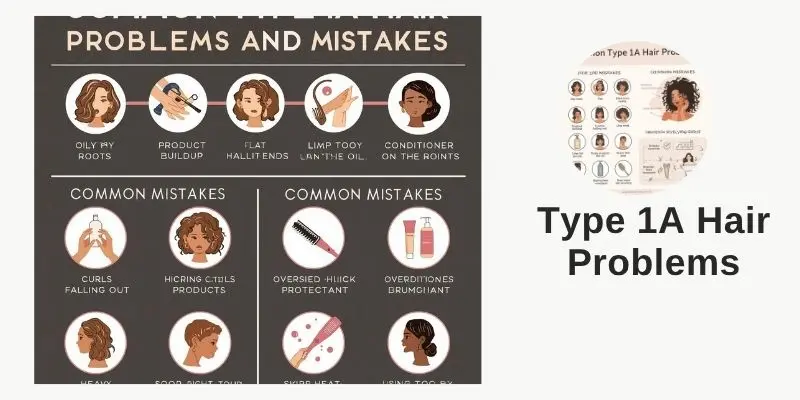
More product does not mean more volume. Heavy products often make Type 1A hair flatter. Oil does not fix every problem. Type 1A hair can be styled, but it needs lightweight styling. Flat hair does not always mean unhealthy hair.
When NOT to Google Type 1A Hair Problems
Stop searching and speak with a dermatologist, trichologist, barber, or licensed stylist if you notice sudden hair loss, bald patches, a painful scalp, severe itching, bleeding, sores, chemical burns, allergic reactions, rapid thinning, or heavy breakage.
The American Academy of Dermatology says effective hair loss treatment begins with finding the cause, and a board-certified dermatologist can help diagnose it. Cleveland Clinic also notes that hair loss may be temporary or permanent and can be related to illness, stress, or genetics.
Submit Your Story
Do you have Type 1A hair? Share your biggest struggle, favorite volume trick, best haircut, or daily routine.
Your story may help someone else with fine, flat, straight hair feel less alone.
Conclusion
This Type 1A hair guide shows that fine, straight hair is not boring, weak, or impossible to style. In many cases, Type 1A hair looks and feels its best with a simple, lightweight routine. Heavy conditioners, rich oils, thick leave-ins, and too many styling products can weigh fine strands down, making them appear flatter instead of healthier. Choosing lightweight products, keeping the scalp clean, and adding gentle volume can help Type 1A hair look fresh, smooth, and naturally polished.
Based on current hair care recommendations, treat Type 1A hair with balance. Cleanse your scalp regularly, apply conditioner only to the mid-lengths and ends, protect your strands from heat, and choose haircuts that add natural shape and movement. Be patient with your volume goals because fine, straight hair has its own unique characteristics and does not need to behave like thick curls to look healthy. If you notice sudden shedding, scalp pain, bald patches, severe itching, or heavy breakage, consult a dermatologist, trichologist, or licensed stylist for a proper evaluation instead of relying on online advice.
How This Article Was Created
This article was created using SEO research, hair care best practices, expert-backed guidance, and trusted dermatology and hair health references. Medical and scalp-related guidance was checked against sources such as the American Academy of Dermatology, Mayo Clinic, and Cleveland Clinic.
FAQs About Type 1A Hair
Type 1A hair is the straightest hair type. It has little to no wave, curl, or bend. The strands are usually fine, soft, and silky. This hair type often lies flat against the scalp. It can look smooth and shiny, but it may also get oily fast.
Type 1A hair means your hair belongs to the straight hair family. The “1” means straight hair, and the “A” means the finest and flattest subtype. It usually has a soft feel and low natural volume. It may be hard to curl or style for long. A lightweight routine works best for this hair type.
You may have Type 1A hair if your hair dries completely straight after washing. It should not form waves, curls, or bends when air-dried. Your strands may feel very fine and soft between your fingers. Your roots may also get oily quickly. If heavy products make your hair flat, that is another common sign.
Type 1A hair often gets oily fast because it is straight and fine. Scalp oil can move down straight strands more easily. This can make the roots look greasy sooner than other hair types. Heavy conditioners, oils, and creams can make it worse. Use lightweight shampoo and keep conditioner away from the roots.
You can add volume to Type 1A hair by keeping your roots light and clean. Use a volumizing shampoo, a lightweight mousse, or a root lift spray. Apply conditioner only to the mid-lengths and ends. Blow-dry your roots gently while lifting them with your fingers. A blunt bob or collarbone cut can also make fine hair look fuller.
The best products for Type 1A hair are lightweight and non-greasy. Look for a volumizing shampoo, a light conditioner, a dry shampoo, a mousse, a root spray, and a heat-protectant mist. These products can help add body without weighing hair down. Avoid thick creams, heavy oils, and rich butters. Start with a small amount of product.
Avoid heavy oils, thick creams, rich masks, and conditioners on the roots. These can make Type 1A hair look greasy and flat. You should also avoid too many styling products at once. High heat without protection can weaken fine strands. Rough brushing and tight hairstyles may also cause breakage.
Type 1A hair can hold curls, but it may not hold them for long. Fine, straight strands often drop curls quickly. Use lightweight mousse before styling and a flexible hold spray after curling. Work in small sections for a better shape. Avoid heavy shine sprays or oils because they can pull curls down.
The best haircut for Type 1A hair often depends on your length and face shape. Blunt bobs, collarbone cuts, soft long bobs, and light face-framing layers can work well. These cuts can make fine hair look fuller. Too many layers may make the ends look thin. A stylist can help you choose the best shape.
No, Type 1A hair is not always the same as thin hair. Type 1A usually means the strands are fine and straight. Thin hair means you have fewer hairs on your scalp. You can have fine hair with high density or low density. If your hair suddenly looks thinner, it is best to speak with a professional.


- Be Respectful
- Stay Relevant
- Stay Positive
- True Feedback
- Encourage Discussion
- Avoid Spamming
- No Fake News
- Don't Copy-Paste
- No Personal Attacks
- Be Respectful
- Stay Relevant
- Stay Positive
- True Feedback
- Encourage Discussion
- Avoid Spamming
- No Fake News
- Don't Copy-Paste
- No Personal Attacks
