Type 2A Hair Guide: Learn Why Loose Waves Fall Flat and How to Fix Them
Published: 6 May 2026
Type 2A hair guide advice can feel confusing when your hair looks beautifully wavy after washing but turns flat, frizzy, or almost straight by the end of the day. Many people with Type 2A hair struggle to keep their loose waves defined because the wrong products or styling routine can easily weigh them down. Based on dermatologist-backed hair care guidance and current best practices, Type 2A hair usually needs a careful balance of lightweight moisture, gentle cleansing, and frizz control to maintain its natural wave pattern.
This Type 2A hair guide is not about forcing your waves to become curls. It is about understanding how soft, S-shaped waves behave and learning how to care for them properly. Type 2A hair can look naturally beachy, soft, and full of movement, but it often needs lightweight products, gentle styling, and the right routine to keep waves defined without flattening them. Once you understand how your natural Hair Type behaves, it becomes much easier to build a routine that keeps your waves healthy, bouncy, and manageable.
What Is Type 2A Hair?
The simple definition of Type 2A hair is this: Type 2A hair is the loosest wavy hair type. It usually has straighter roots with soft, S-shaped waves that become more noticeable through the mid-lengths and ends.
When people ask about the meaning of Type 2A hair, they usually want to know whether their hair is straight, wavy, or curly. Type 2A hair belongs to the Hair Type family of wavy hair, but its wave pattern is light, loose, and easy to stretch out. It often looks naturally beachy, soft, and effortless.
Because the waves are delicate, Type 2A hair can become weighed down quickly. Heavy creams, rich oils, and thick styling gels may reduce definition and make the waves look flat instead of bouncy.
Type 2A Hair Characteristics and Features
The most common Type 2A hair characteristics include loose S-shaped waves, straighter roots, and fine to medium strands. This hair type usually has low to medium natural volume.
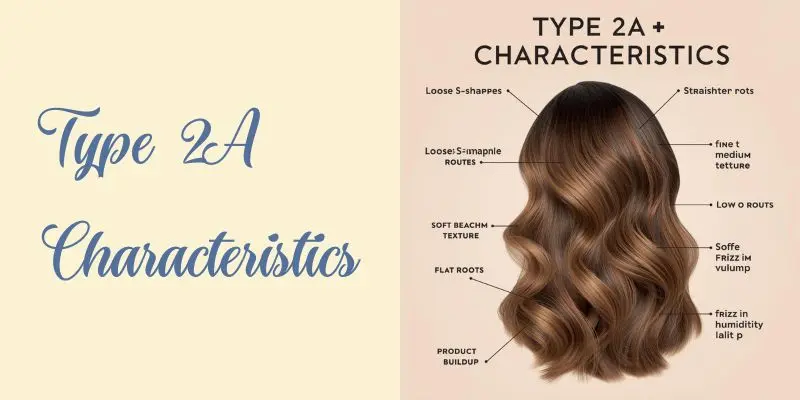
The main Type 2A hair features include soft movement, a light wavy texture, minimal shrinkage, and a naturally beachy appearance. Depending on your Hair Texture, you may also experience flat roots, frizz in humid weather, oily scalp, greasy roots, or product buildup.
If your hair looks wavy after washing but gradually becomes flatter or almost straight as it dries, you may have Type 2A hair.
How to Identify Type 2A Hair at Home
If you’re wondering how to identify Type 2A hair, start with clean hair. Wash your hair with a gentle shampoo, then let it air-dry without using cream, gel, mousse, oil, or heat.
Avoid brushing your hair into a different shape while it dries. Once it is completely dry, check your roots first. Type 2A hair usually has straighter roots with soft, S-shaped waves that become more visible through the mid-lengths and ends.
This simple at-home test can help you identify Type 2A hair, but it is not a medical diagnosis. If you’re still unsure, comparing your pattern with a Hair Type Chart can make it easier to see where Type 2A fits among straight, wavy, curly, and coily hair types.
Type 2A Hair Chart and Examples
A Type 2A hair chart, Type 2A hair infographic, or Type 2A hair pictures can help you compare your natural wave pattern. However, real hair does not always match every image perfectly. If you’re still unsure, comparing your pattern with a Hair Type Chart can help you see where Type 2A fits among straight, wavy, curly, and coily hair types.
| Hair Type | Pattern | Root Shape | Wave Level | Product Need |
|---|---|---|---|---|
| Type 2A | Loose S-shaped waves | Mostly straight | Soft and light | Lightweight products |
| Type 2B | More defined S-shaped waves | Slightly wavy | Medium definition | Frizz-control products |
| Type 2C | Strong, defined waves | Wavy near the roots | High definition | Moisture and hold |
These Type 2A hair examples show that Type 2A is the softest and loosest wavy hair type.
Type 2A Hair vs 2B, 2C, Straight Hair, and Curly Hair
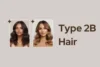
Type 2A hair vs Type 2B Hair is mostly about wave definition. Type 2A has loose, soft waves, while Type 2B develops more noticeable S-shaped waves that usually begin higher on the hair.
Type 2A hair vs Type 2C Hair is easier to recognize. Type 2C has stronger waves, more natural volume, greater frizz, and more texture close to the roots.
Type 2A hair vs straight hair can sometimes be confusing because Type 2A roots often appear straight. The difference is that Type 2A develops soft S-shaped waves through the mid-lengths and ends.
Type 2A hair vs curly hair is also easy to distinguish. Curly hair forms ringlets or spirals, while Type 2A creates loose waves instead of full curls. If your waves begin forming tighter spiral curls, you may be moving toward Type 3A Hair rather than Type 2A.
Common Type 2A Hair Problems and Issues
The most common Type 2A hair problems include flat roots, limp waves, and frizz. Many people also experience an oily scalp, greasy roots, dry ends, and waves that lose their shape throughout the day.
Type 2A hair frizz often happens when the hair lacks moisture, is brushed while dry, or reacts to humidity. Frizz does not always mean your hair is damaged. It may simply mean your Hair Texture needs a better balance of moisture and lightweight styling products.
If your Type 2A hair is fine or becomes weighed down easily, choose lightweight products instead of heavy creams or oils to help maintain natural movement and wave definition.
Type 2A Hair Care Guide
A good Type 2A hair care guide should focus on supporting loose waves without weighing them down. Type 2A hair usually responds best to gentle cleansing, lightweight conditioning, careful detangling, and frizz control.
For Type 2A hair, use a shampoo that cleanses the scalp without stripping moisture from the ends. Apply conditioner from the mid-lengths to the ends, and avoid applying heavy conditioner directly to the roots.
For ongoing Type 2A hair maintenance, always use a heat protectant before blow-drying or diffusing. Your Hair Texture also affects how much moisture and styling support your waves need, so adjust your routine based on how your hair responds. The American Academy of Dermatology notes that textured hair can be more prone to dryness and breakage, making gentle handling an important part of any healthy hair care routine.
Type 2A Hair Daily, Morning, Night, and Weekly Routine
A simple Type 2A hair care routine usually works better than a complicated one.
In the morning, refresh your waves with a light water mist or a lightweight leave-in spray, then gently scrunch to encourage definition. If your roots look oily, apply a small amount of dry shampoo.
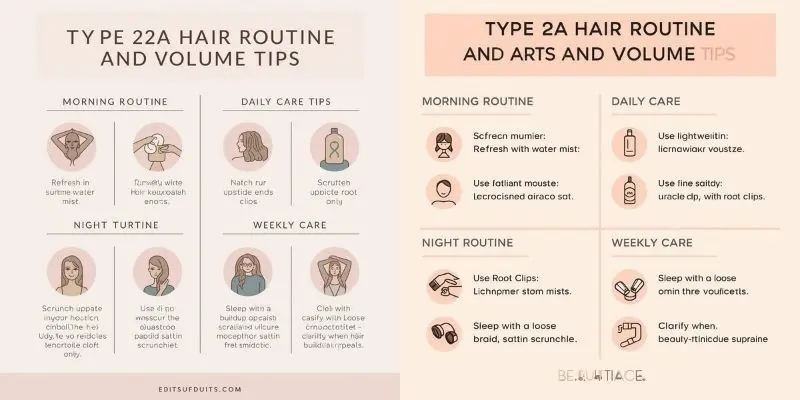
For your daily routine, avoid touching your hair too often because this can transfer oil from your hands, flatten your waves, and reduce volume.
At night, sleep with your hair loose, in a loose braid, or secured with a soft satin scrunchie to help reduce friction. Avoid tight ponytails that can stretch out your wave pattern.
Once a week, use a clarifying shampoo only if you notice product buildup. Overusing clarifying shampoos can leave your hair feeling dry.
Best Products for Type 2A Hair
The best Type 2A hair products are lightweight, flexible, and easy to rinse out without leaving buildup.
| Product Type | Why It Helps | What to Avoid |
|---|---|---|
| Lightweight shampoo | Keeps roots fresh | Heavy creamy shampoos |
| Light conditioner | Softens the ends | Conditioner on the roots |
| Leave-in spray | Adds lightweight moisture | Thick leave-in creams |
| Mousse | Adds body and wave definition | Heavy curl creams |
| Light gel | Provides a soft hold | Sticky, strong gels |
| Wave spray | Adds texture | Daily use of drying salt sprays |
| Dry shampoo | Refreshes oily roots | Overusing without washing |
| Heat protectant mist | Protects hair before heat styling | Thick heat creams |
| Clarifying shampoo | Removes product buildup | Daily use |
Start with one new product at a time so you can see how your hair responds before changing your entire routine. If you use hair oil, apply only a tiny amount to dry ends. Using oil near the roots can quickly make Type 2A hair look greasy and weigh down loose waves.
Type 2A Hair Styling Tips and Ideas
For Type 2A hair, apply styling products while your hair is still damp. Scrunch a lightweight mousse or light-hold gel through the mid-lengths and ends, then let your hair air-dry or diffuse on a low-heat setting.
Helpful Type 2A hair styling tips include styling your hair upside down for extra lift, micro-plopping with a cotton T-shirt, and using root clips while your hair dries to create more volume.
The best styling results often come from using less product than you think you need. Keep the roots light, and refresh your waves with a light mist of water instead of applying more styling products throughout the day.
Type 2A Hair Volume Tips
If you want more volume, focus on lifting the roots rather than adding heavier products. Use a volumizing shampoo and apply conditioner only to the mid-lengths and ends.
For extra lift, scrunch your hair upside down, use root clips while drying, and try a lightweight texturizing spray. If your waves lose definition easily, diffusing on low heat can help create longer-lasting volume.
The best Type 2A hair volume comes from the right haircut, lightweight products, and proper styling techniques. Your Hair Texture also affects how much natural volume your hair can hold, so adjust your routine based on how your waves respond. Heavy oils and thick creams can quickly weigh loose waves down.
Type 2A Hair Haircuts and Hairstyles
The best haircut for Type 2A hair supports natural movement without removing too much weight. A long bob, collarbone cut, or medium-length layered haircut can all work well.
Keep layers soft and blended. Too many short layers can make fine waves appear thinner, while face-framing layers and curtain bangs can add shape and movement.
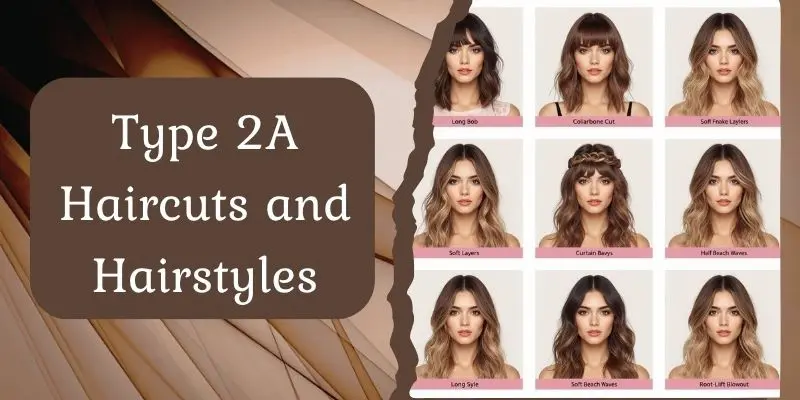
If you prefer shorter hair, a soft bob is a great option. Medium-length hair often looks best with a collarbone cut, while long hair benefits from soft layers that prevent the ends from looking heavy.
Popular hairstyles for Type 2A hair include half-up styles, loose braids, soft beach waves, and root-lift blowouts.
Type 2A Hair for Men and Women
Men with Type 2A hair often notice loose waves, flat roots, an oily scalp, and wave definition that becomes more visible as the hair grows longer. Lightweight styling creams or mousse usually provide better results than heavy waxes or pomades.
Women with Type 2A hair may experience limp waves, frizz, greasy roots, and difficulty balancing moisture. Lightweight conditioners, wave sprays, and soft layered haircuts often help define waves without making them feel heavy.
Type 2A hair occurs in people of any gender. The basic care routine remains the same: use lightweight moisture, avoid product buildup, and choose styling products that enhance natural waves instead of weighing them down.
Type 2A Hair Pros and Cons
The main benefits of Type 2A hair include soft movement, a naturally beachy appearance, and the flexibility to wear it either wavy or straight. With the right routine, it can look effortless and full of natural texture.
The main disadvantages of Type 2A hair include flat roots, frizz, product buildup, an oily scalp, and waves that can lose definition throughout the day. Choosing lightweight products and avoiding heavy styling formulas can help keep your waves soft, bouncy, and well-defined.
Type 2A Hair Mistakes, Myths, and Facts
One common myth is that Type 2A hair is simply straight hair. In reality, Type 2A has a soft S-shaped wave pattern that makes it different from Type 1A Hair, even if the roots appear mostly straight.
Another myth is that using more styling products creates better waves. In reality, too much product often weighs Type 2A hair down, reducing volume and wave definition.
One of the most common mistakes is brushing waves while they are dry, which can create frizz and make the hair look puffy. Another is using heavy curl creams when a lightweight mousse or light-hold gel is usually enough to define loose waves.
When NOT to Google Type 2A Hair Problems
A Type 2A hair guide can help you understand your Hair Type and improve your daily routine, but it cannot diagnose medical conditions. If you notice sudden hair loss, bald patches, scalp pain, severe itching, bleeding, sores, chemical burns, allergic reactions, rapid thinning, heavy breakage, or signs of a scalp infection, stop self-diagnosing and consult a dermatologist, trichologist, barber, or licensed hairstylist.
According to the Mayo Clinic, hair loss can develop gradually or suddenly and may affect either the scalp or the entire body. The American Academy of Dermatology also explains that effective treatment begins with identifying the underlying cause, making a professional evaluation important when symptoms are unusual.
Submit Your Story
Do you have Type 2A hair? Share your daily routine, biggest frizz challenge, favorite styling trick, or haircut that works best for you.
Your experience could help someone else learn how to care for loose waves with more confidence.
How This Article Was Created
This article was created using SEO research, current hair care best practices, expert-backed guidance, and trusted dermatology references. Medical and scalp-care information was reviewed using guidance from the American Academy of Dermatology and Mayo Clinic.
Conclusion
This Type 2A hair guide shows that loose waves are neither “failed curls” nor messy straight hair. With the right routine, Type 2A hair can look soft, healthy, and naturally defined. Heavy creams and excessive styling products often flatten loose waves, while too little moisture can increase frizz. The best results usually come from lightweight products, gentle scrunching, soft hold, and haircuts that support natural movement.
Based on current hair care recommendations, care for Type 2A hair with patience and balance. Cleanse your scalp regularly, condition the mid-lengths and ends, avoid heavy product buildup, and choose lightweight styling products that enhance your natural wave pattern. Your Hair Texture may change slightly with humidity, heat styling, product choices, or hair damage, so pay attention to how your hair responds over time. If you notice sudden shedding, scalp pain, bald patches, severe itching, or heavy breakage, consult a dermatologist, trichologist, or licensed hairstylist instead of relying on online advice.
FAQs About Type 2A Hair
Type 2A hair is the loosest wavy hair type. It has soft S-shaped waves that often show through the mid-lengths or ends. The roots may look straight or flat. This hair type can look beachy, soft, and natural. A good type 2a hair guide helps you keep the waves light, fresh, and defined.
Type 2A hair means your hair belongs to the wavy hair family. The “2” means wavy hair, and the “A” means the loosest wave pattern. It is not fully straight, but it is not curly either. It often has gentle bends and soft movement. This hair type usually needs lightweight care and soft hold.
You may have Type 2A hair if your hair dries with loose S-shaped waves. Your roots may stay mostly straight, while your ends look wavy. Your waves may fall flat with heavy products. You may also notice frizz in humid weather. A product-free air-dry test is the easiest way to check your natural pattern.
Type 2A hair is wavy, but it is very close to straight hair. This is why many people feel confused by it. The roots can look straight, while the lengths form soft waves. If your hair has a light S pattern, it is not fully straight. It is usually a loose, wavy type.
Type 2A hair can get frizzy because of dryness, humidity, brushing, heat, or product buildup. Frizz does not always mean your hair is damaged. Sometimes your waves need light moisture and better hold. A leave-in spray, mousse, or light gel can help. Avoid brushing your waves when they are dry.
You can add volume to Type 2A hair by keeping your roots light. Use a lightweight shampoo, mousse, or root-lift spray. Apply conditioner only to the mid-lengths and ends. Scrunch your hair upside down while it is damp. Soft layers or a collarbone cut can also help your waves look fuller.
The best products for Type 2A hair are lightweight and easy to rinse out. Try light shampoo, light conditioner, leave-in spray, mousse, wave spray, and light gel. Dry shampoo can help oily roots between washes. Avoid thick creams, heavy oils, and rich butters. These can make loose waves look flat or greasy.
Avoid heavy oils, thick creams, sticky gels, and too much conditioner near the roots. These products can weigh down Type 2A waves. You should also avoid brushing dry waves, because this can create frizz. High heat without protection can weaken hair over time. Keep your routine light, gentle, and simple.
Type 2A hair usually stays wavy, not curly. Better styling can make your waves look more defined, but it will not usually create tight curls. Scrunching, mousse, light gel, and diffusing can help the natural wave pattern show more. If your hair forms stronger waves or loose curls, you may be closer to 2B, 2C, or Type 3. Your natural pattern is the best guide.
The best haircut for Type 2A hair usually supports movement without making the ends too thin. Soft layers, a long bob, collarbone cut, or face-framing pieces can work well. Very long, heavy hair may pull waves down. Too many short layers can make fine waves look thin. A stylist can help choose the best cut for your wave pattern.


- Be Respectful
- Stay Relevant
- Stay Positive
- True Feedback
- Encourage Discussion
- Avoid Spamming
- No Fake News
- Don't Copy-Paste
- No Personal Attacks
- Be Respectful
- Stay Relevant
- Stay Positive
- True Feedback
- Encourage Discussion
- Avoid Spamming
- No Fake News
- Don't Copy-Paste
- No Personal Attacks
