Overnight Hair Mask: Which Treatment Actually Repairs Your Hair While You Sleep?
Published: 21 Nov 2024
An overnight hair mask changed my hair, but I discovered it only after years of damage. I remember looking in the mirror at dry, frizzy hair filled with split ends and wondering why nothing worked. I had tried expensive treatments, viral products, and DIY remedies, yet my hair kept getting worse. What I eventually learned was that I was focusing on products while ignoring what happened every night. Hours of friction and moisture loss during sleep were contributing to the damage.
If you’ve struggled with dry, damaged hair, you may know that frustration. I felt it too. The turning point came when I started using my sleeping hours as part of my hair-care routine. Over time, I tested many overnight treatments, learned from my mistakes, and built a routine that genuinely improved my hair. I also reviewed expert guidance, scientific research, and ingredient information to separate facts from marketing. This guide brings together those lessons to help you avoid the trial and error I went through.
What Is an Overnight Hair Mask (And How Is It Different From Regular Conditioner)?
Let’s clear this up first, because confusion here leads to wasted money and damaged hair.
A regular conditioner sits on your hair for two to three minutes in the shower. It smooths the surface of the cuticle layer and makes your hair feel soft temporarily. That’s it. An overnight hair treatment, on the other hand, is formulated to penetrate deeper into the hair shaft over several hours, delivering concentrated ingredients where your hair actually needs repair.
Think of the difference this way: a regular conditioner is like splashing water on your face. An overnight mask is like applying a rich night cream that works while you rest.
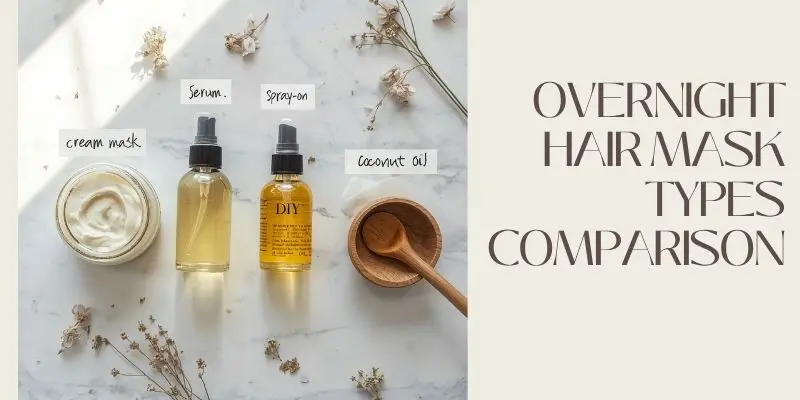
But not all overnight treatments come in the same package. Here’s how they break down:
Cream Masks
Thick, rich, and deeply nourishing. These are your classic deep conditioning hair mask treatments. You apply them to damp hair, cover with a cap, and rinse in the morning. Best for dry, thick, coarse, or curly hair types that crave intense moisture.
Serums
Lightweight liquids that absorb quickly without residue. An overnight hair serum is ideal for fine or thin hair because it repairs without weighing strands down. No rinsing required — you simply wake up and go.
Spray-On Formulas
The newest category. These mist onto dry or damp hair and absorb almost instantly. They’re convenient and travel-friendly, making them a solid leave-in hair treatment for anyone short on time.
DIY Blends
Kitchen-made mixtures using natural oils, butters, and other whole ingredients. A well-formulated DIY overnight hair mask can be surprisingly effective and incredibly affordable but you need to know which ingredients are safe for extended wear (more on that below).
The Right Way to Apply an Overnight Hair Mask (And the Mistakes I Had to Learn the Hard Way)
Getting great results isn’t just about which hair product you pick. It’s about how you use it. After staining pillowcases, over-saturating my roots, and waking up with hair that looked greasier than before, I finally nailed the process.
Step-by-Step Application
Step 1: Start with clean, damp hair.
Wash your hair (or at least wet it thoroughly) before applying a hydrating hair mask while you sleep. Water opens the cuticle slightly, which helps ingredients penetrate instead of just sitting on the surface.
Step 2: Gently towel-dry.
Don’t rub — squeeze. You want your hair damp, not dripping. Excess water dilutes the product.
Step 3: Section your hair into 3–4 parts.
This guarantees even coverage, especially if you have thick or long hair.
Step 4: Apply from mid-lengths to ends.
Your ends are the oldest and most damaged part of your hair. They need the most attention. Avoid your roots unless the product specifically targets the scalp.
Step 5: Comb through with a wide-tooth comb.
This distributes the product evenly and prevents clumping.
Step 6: Wrap loosely and protect.
Twist your hair into a soft bun. Cover with a silk bonnet, shower cap, or even a clean t-shirt. Lay a towel over your pillow for backup protection.
Step 7: Rinse thoroughly in the morning.
Use lukewarm water — never hot. If you used a cream mask, you may need a gentle shampoo to fully remove residue.
The Mistakes You Need to Stop Making
- Applying too much product. I used to pile it on, thinking more meant better results. It doesn’t. It means buildup, limp hair, and a greasy scalp. Start with less than you think you need.
- Skipping the morning rinse. Even “no-rinse” products can accumulate over time. A quick water rinse keeps your hair fresh.
- Using the wrong formula for your hair type. A heavy cream on fine hair is a recipe for flat, lifeless strands. Match the product to your texture.
- Sleeping with wet hair in tight styles. Wet hair is fragile. A tight bun or braid overnight causes breakage at the tension points.
Ingredients You Should NEVER Leave on Your Hair Overnight
This is the section I wish someone had handed me years ago. Because not everything marketed as an “overnight treatment” actually belongs on your hair for eight hours.

Protein and keratin masks. A bond repair hair mask is incredible for damaged hair when used as directed. But protein treatments are designed for short contact periods. Leaving them on overnight can make hair rigid and brittle, leading to more breakage, not less. Research published in the International Journal of Trichology highlights that hair needs a careful balance between protein and moisture; tipping too far toward protein causes structural rigidity.
Apple cider vinegar. Great as a quick clarifying rinse. Terrible overnight. ACV is acidic, and prolonged exposure strips your hair of natural proteins and can irritate your scalp.
Egg-based mixtures. A popular homemade hair mask overnight ingredient, but eggs can harbor bacteria at room temperature and produce an unpleasant odor that clings to your hair.
Clay masks. Bentonite and kaolin clay draw out impurities — but they also draw out moisture. Eight hours of clay on your hair equals extreme dryness and potential breakage.
Matching the Right Treatment to Your Hair Type
Your hair tells you what it needs you just have to learn to listen. Here’s what different hair concerns actually mean and which overnight hair care approach works best.
Dryness and Dehydration
If your hair feels rough, straw-like, or frizzy no matter what you do, it’s lacking moisture. The cuticle is raised, allowing water to escape. A hair mask for dry hair rich in shea butter, coconut oil, or hyaluronic acid will help seal the cuticle and lock in hydration. Look for an overnight hydrating hair mask you can use once or twice a week for visible improvement.
Breakage and Split Ends
Constant snapping, split ends that multiply faster than you can trim them, these points lead to structural weakness. An overnight hair repair mask with peptides or bond-building technology targets the internal structure of the hair shaft. Over weeks of consistent use, these formulas strengthen strands from the inside out.
Frizz and Unmanageability
Frizz is simply hair reaching out for moisture from the air. A deep conditioning overnight treatment smooths the cuticle so your hair stops grabbing ambient humidity. Cream-based masks work best here.
Fine or Thinning Hair
If your hair falls flat within hours of washing, heavy products are your enemy. An overnight hair mask for fine hair in serum or spray form adds repair without the weight. Look for silk proteins and lightweight oils.
Curly and Coily Textures
Curly hair is naturally drier because scalp oils can’t travel down the coiled shaft as easily. An overnight hair mask for curly hair with rich butters and oils applied once or twice a week keeps curls defined, soft, and frizz-free.
Color or Chemically Damaged Hair
Bleach, relaxers, and color treatments break down the disulfide bonds that give hair its strength. A hair mask for damaged hair with bond-repairing ingredients is non-negotiable here. Regular conditioning won’t cut it.
The Best Overnight Hair Masks I’ve Tested (By Hair Type)
Finding the best overnight hair mask means looking beyond marketing claims and focusing on ingredients, texture, and real results. Here are my honest recommendations after months of testing:
Best Overall: Olaplex No. 8 Bond Intense Moisture Mask
- Price: $30
- Key Ingredients: Bis-aminopropyl diglycol dimaleate (bond-building technology)
- Best For: All hair types, especially color-treated and heat-damaged
- Pros: Repairs broken bonds; a little goes a long way; visible improvement within weeks
- Cons: Thicker hair types may need an additional leave-in for extra hydration
- My Take: This is the one I keep repurchasing. After four weeks of weekly use, my hair felt noticeably stronger, and my split ends were far less visible.
Best for Dry Hair: Amika Dream Routine Overnight Hydration Mask
- Price: $34
- Key Ingredients: Hyaluronic acid, coconut water, polyglutamic acid
- Best For: Dry to normal hair; fine to medium textures
- Pros: Lightweight, no morning rinse needed, 72-hour moisture boost
- Cons: Glass bottles can break if dropped
- My Take: The first product that hydrated my hair without making it look like I’d dipped my head in cooking oil.
Best for Fine Hair: Crown Affair Overnight Repair Serum
- Price: $58
- Key Ingredients: Silk proteins, meadowfoam seed oil, Tsubaki (camellia) seed oil
- Best For: Fine, thin, or easily weighed-down hair
- Pros: Weightless, absorbs in minutes, won’t stain pillowcases, seals split ends
- Cons: Premium price point
- My Take: If you’ve been afraid to try overnight treatments because everything makes your hair greasy, this serum changes the game. It dries down in under five minutes.
Best for Curly Hair: R+Co Bleu Sleep Masque Night Repair Serum
- Price: $120
- Key Ingredients: Ceramides, green caviar extract, shea butter, avocado oil
- Best For: Curly and coily hair types
- Pros: Deeply hydrating, defines curls, restores elasticity
- Cons: Highest price point in this list
- My Take: If you have curls that constantly feel dry no matter what you do, this is worth the splurge.
Best Budget Option: Arvazallia Hydrating Argan Oil Hair Mask
- Price: $15
- Key Ingredients: Argan oil, vitamins, nutrients
- Best For: Dry, damaged, or overprocessed hair on a budget
- Pros: Affordable, effective, large tub lasts months
- Cons: Thicker texture may be too heavy for fine hair
Best for Damaged/Bleached Hair: K18 Leave-In Molecular Repair Hair Mask
- Price: $75
- Key Ingredients: K18Peptide (proprietary)
- Best For: Severely damaged, bleached, or chemically treated hair
- Pros: Repairs from the inside out; no rinse required; travel-friendly size
- Cons: Pricey for a small bottle; using too much causes greasiness
- My Take: A hairstylist recommended this after I bleached my hair at home (don’t ask). After six weeks, the difference was dramatic enough that even my stylist noticed.
DIY Overnight Hair Mask: Two Recipes I Keep Coming Back To
You don’t have to spend a fortune to see results. A simple DIY overnight hair mask from kitchen ingredients can be remarkably effective when done right.
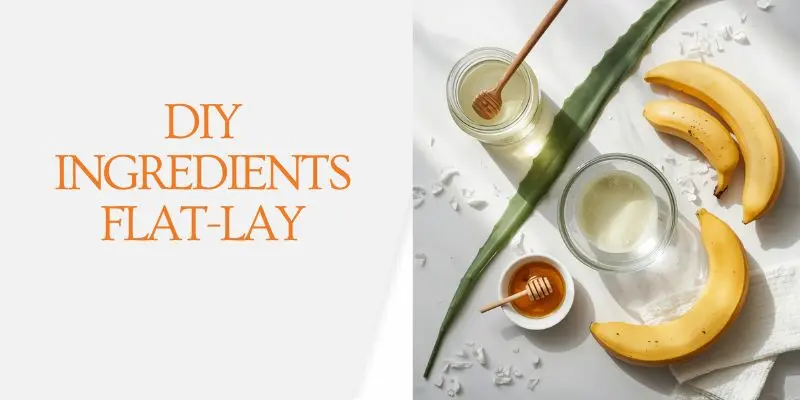
Coconut Oil + Aloe Vera Blend (Best for Dry Hair)
Mix 2 tablespoons of melted coconut oil with 2 tablespoons of pure aloe vera gel. Apply to damp hair from roots to ends. Cover with a shower cap overnight and rinse thoroughly in the morning.
Why this works: A study published in the Journal of Cosmetic Science found that coconut oil actually penetrates the hair shaft and reduces protein loss, unlike many oils that simply coat the surface [2]. Aloe vera adds lightweight hydration and has been shown to soothe the scalp, according to a review in the Indian Journal of Dermatology [3]. Aloe vera gel hair masks are a popular option for lightweight hydration and scalp comfort.
Banana + Honey Mask (Best for Frizz and Dullness)
Mash one ripe banana until completely smooth (a blender works best to avoid chunks). Mix in 1 tablespoon of raw honey. Apply to lengths and ends, cover, and rinse in the morning.
Why this works: Bananas contain silica, which may support hair strength and thickness. Honey is a natural humectant; it draws moisture from the air into your hair strands.
Common Misconceptions I Used to Believe
“Any hair mask can be left on overnight.”
Absolutely not. Only products formulated for extended wear should stay on for hours. Regular masks may contain ingredients that suffocate your hair, irritate your scalp, or cause breakage.
“Overnight masks work overnight.”
The name is a bit misleading. You’ll notice softer, smoother hair after one use — but genuine structural repair takes weeks of consistent application. Patience matters.
“If my hair feels greasy in the morning, the product is bad.”
Most likely, you applied too much, used a formula too heavy for your hair type, or didn’t rinse thoroughly enough. Adjust the amount before blaming the product.
“I should use one every single night for faster results.”
Overuse causes buildup, weighed-down hair, and even scalp issues. Once or twice a week is plenty for most hair types. Oily hair? Once every two weeks.
Realistic Results: What to Expect Over Time
Here’s an honest timeline based on my testing and conversations with professional stylists:
After one use: Your hair will feel softer and detangle more easily. Morning frizz reduces noticeably.
After one week of consistent use, Shine improves. Breakage during brushing decreases. Your hair may hold styles better.
After one month: Split ends become less visible. Hair feels stronger and more elastic. Overall texture improves significantly.
After three months: With the right product matched to your hair type, you should see a measurable reduction in damage. Your hair may grow longer and stronger because it’s breaking less.
Warning signs you’re overdoing it: If your hair starts feeling waxy, heavy, or unusually limp, you’re likely experiencing product buildup. Scale back to once a week and consider a clarifying shampoo.
When to Stop Googling and See a Professional
An overnight mask is not a cure-all. If you notice any of the following, please schedule an appointment with a dermatologist or trichologist:
- Suddenly, excessive shedding (more than 100–150 strands per day over several weeks)
- Bald patches are developing rapidly
- Scalp that’s red, itchy, burning, or has open sores
- Hair breaking at the root rather than splitting at the ends
- No improvement after 8–12 weeks of consistent treatment
These symptoms can signal underlying conditions, thyroid issues, autoimmune disorders, nutritional deficiencies, or scalp infections that no hair mask can fix.
Share Your Hair Journey
I want to hear from you. Did an overnight treatment completely transform your hair? Did a DIY recipe go horribly wrong? Or are you just starting your overnight hair repair journey and have questions?
Drop your story in the comments below. I personally read and respond to every comment, and your experience might be exactly what another reader needs to hear today.
How This Article Was Created
This article was researched and written following strict editorial standards:
- Scientific sources: Peer-reviewed studies from the Journal of Cosmetic Science, the International Journal of Trichology, and the Indian Journal of Dermatology
- Professional guidelines: Hair care recommendations from the American Academy of Dermatology (AAD) [4]
- Expert consultation: Insights from licensed hairstylists and certified trichologists
- First-hand testing: Multiple overnight hair masks were personally tested over several months across different hair types and conditions
- No sponsorship: No brand paid for or influenced any recommendation in this article. All product selections are based on ingredient quality, testing results, and value for money.
Conclusion
Overnight Hair Mask treatments can be a simple and effective way to improve dry, damaged, frizzy, or dull hair when used correctly. By giving your hair several hours to absorb nourishing ingredients, overnight masking may help support moisture retention, softness, manageability, and overall hair appearance. The best results come from choosing a mask that matches your hair type, applying it properly, and following a consistent routine rather than expecting overnight miracles.
While not every overnight hair mask works for everyone, finding the right formula and technique can make a noticeable difference over time. Whether you use a store-bought treatment or a carefully chosen DIY option, consistency and realistic expectations are key. Focus on healthy hair habits, protect your hair while you sleep, and pay attention to how your hair responds. With the right approach, an overnight hair mask can become a valuable part of a long-term hair care routine.
FAQs
Using an overnight hair mask every single night is not recommended because it can lead to product buildup and weigh your hair down. Most experts suggest limiting it to once or twice a week, depending on your hair’s needs. Overnight masks are deeply nourishing, so using them too often may over-moisturize your strands. A balanced routine will keep your hair healthy without making it greasy.
Yes, but the type of oil matters. Light oils such as jojoba, argan, or grapeseed oil are safe for the scalp because they mimic natural sebum and won’t clog pores. Heavier oils like castor or coconut oil should mainly be applied to the mid-lengths and ends, unless your scalp is very dry. Always massage gently to improve circulation and absorption.
Yes, overnight hair masks and oils can sometimes leave stains on pillowcases, especially if they contain strong colors or thick oils. To protect your bedding, it’s best to wear a shower cap, wrap your hair in a silk scarf, or use an old pillowcase. Silk and satin also reduce friction, which helps prevent frizz and breakage while you sleep. This way, your hair and your linens stay safe.
Damp hair is usually the best option for applying an overnight mask because it allows nutrients to penetrate the hair shaft more effectively. The cuticles are slightly open when the hair is damp, which makes absorption easier. However, if you’re using oil-based masks, applying them to dry hair can sometimes provide better coating and protection. Always follow the product or recipe directions.





- Be Respectful
- Stay Relevant
- Stay Positive
- True Feedback
- Encourage Discussion
- Avoid Spamming
- No Fake News
- Don't Copy-Paste
- No Personal Attacks
- Be Respectful
- Stay Relevant
- Stay Positive
- True Feedback
- Encourage Discussion
- Avoid Spamming
- No Fake News
- Don't Copy-Paste
- No Personal Attacks
