How to Moisturize 4C Hair for Soft, Hydrated, Healthy-Looking Coils
Published: 27 Jul 2026
If your 4C hair feels soft and moisturized on wash day but becomes dry, rough, or tangled a few days later, you are not alone. I understand how frustrating it can feel to keep adding products without seeing lasting moisture. If you are wondering how to moisturize 4C hair and keep it hydrated for longer, the answer is not always adding more products.
The problem is not always that your hair needs more products. Sometimes, the issue is how you apply moisture, how well your hair retains it, or whether your routine matches your hair’s porosity, density, and styling habits.
The best way to moisturize 4C hair usually starts with water or a water-based product. From there, conditioning, leave-in products, creams, oils, and protective habits can help support moisture retention. Your routine may also need to change depending on whether you have high-porosity 4C hair, low-porosity 4C hair, or something in between.
In this guide, I will explain how to moisturize 4C hair step by step, how to keep moisture in your hair longer, how to choose between the LOC and LCO methods, and what to do when your hair still feels dry after moisturizing.
If you are still learning how your texture behaves, start with this complete Type 4C Hair guide to better understand the unique needs of tightly coiled hair.
Why Does 4C Hair Get So Dry?
4C hair can feel dry for several different reasons. Understanding the cause helps you build a better 4C hair routine instead of simply adding more products.
The tight, coiled shape of 4C hair can make it more difficult for natural scalp oils to travel down the entire hair strand. As a result, the roots may feel different from the mid-lengths and ends.
Shrinkage can also make detangling and styling more challenging. When the hair contracts, strands can wrap around each other more easily. Frequent pulling, brushing, or manipulation may then contribute to breakage.
Hair porosity also affects how moisture behaves. Some hair absorbs water and products quickly but loses moisture just as quickly. Other hair may resist moisture and become coated with heavy products.
Weather matters too. Dry air, heat, wind, and friction from clothing or bedding can all affect how long your hair stays soft.
One important point is easy to forget: oil does not hydrate dry hair by itself. Water provides hydration. Oils and heavier products may help support moisture retention, softness, and protection, but they do not replace water.
Step-by-Step: How to Moisturize 4C Hair Properly
Follow these simple steps to learn how to moisturize 4C hair properly and keep your coils soft, hydrated, and manageable.
Step 1 – Cleanse Without Stripping the Hair
A good moisturizing routine starts with a clean scalp and hair.
When too much oil, styling product, butter, or cream builds up on the hair, new moisturizing products may sit on the surface instead of working well. This can leave your hair feeling coated but still dry underneath.
A gentle shampoo can help remove buildup without making your routine unnecessarily harsh. Some people prefer sulfate-free shampoos, especially if their hair feels dry after cleansing. However, the best cleanser depends on your hair, styling products, and how much buildup you experience.
Co-washing may work for some people between shampoo days. It can provide cleansing and conditioning in one step, but it may not remove all types of heavy buildup. If you are considering adding co-washing to your routine, learn How to Co-Wash 4C Hair properly so you can understand when it may be useful and when a more thorough cleanse may be needed.
If your hair feels coated, dull, greasy, or difficult to moisturize, a more thorough cleanse may be necessary.
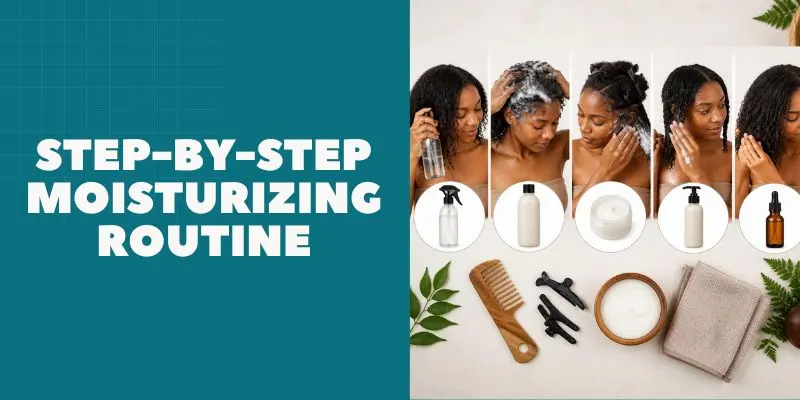
A pre-poo treatment can also fit into some routines. Applying a conditioner or suitable oil-based treatment before shampooing may help some people reduce tangling and make wash day easier. However, pre-pooing is not essential for everyone.
The goal is simple: cleanse enough to remove buildup without creating unnecessary dryness.
Step 2 – Deep Condition Regularly
Deep conditioning can help improve softness, manageability, and the overall feel of dry hair.
After cleansing, apply a deep conditioner according to the product instructions. Focus on the lengths and ends, which often need more conditioning than the scalp.
Look for ingredients that provide conditioning and softness. Depending on the formula, these may include conditioning agents, fatty alcohols, plant oils, aloe vera, or other moisturizing ingredients.
Gentle warmth may also improve the conditioning experience for some people. You do not need extreme heat. Follow the product instructions and avoid excessive heat that may damage the hair.
It is also important to understand the difference between moisture and protein treatments. Moisture-focused products generally aim to improve softness and flexibility. Protein treatments can help support damaged or weakened hair, but using them too often may make some hair feel stiff or brittle.
Your hair may need both conditioning and strengthening at different times. The goal is balance, not constantly using one type of treatment.
Step 3 – Apply a Leave-In Conditioner
After conditioning, apply a leave-in conditioner while your hair is damp or still slightly wet.
Water helps provide hydration, while a leave-in conditioner can improve softness, slip, and manageability. A water-based formula may be a useful choice for people who struggle with dry 4C hair.
Divide your hair into sections. This helps you distribute the product more evenly and prevents you from applying too much product to the outer layer while missing the inner sections.
Ingredients such as aloe vera and glycerin may appear in moisturizing products. Glycerin is a humectant, which means it can help attract and hold water under certain conditions. However, how a product performs depends on the complete formula and your environment.
Emollients can help smooth and soften the hair. They are commonly found in conditioners, creams, and other hair-care products.
Use enough product to coat the hair lightly and evenly. More product does not automatically mean more moisture.
Step 4 – Seal Moisture with Oils or Butters When Needed
This is where many people confuse hydration with moisture retention.
A simple way to think about it is:
Water hydrates. Conditioning softens. Oils and butters may help reduce moisture loss and improve softness.
This is often called sealing moisture.
Jojoba oil, castor oil, and other hair oils for 4C hair can be used in different ways depending on the product and your hair’s response. Castor oil is thicker, while jojoba oil is generally lighter in texture. Neither is automatically the best choice for everyone.
Shea butter can provide a richer, heavier feel. It may work well for some dry hair routines but may feel too heavy on fine, low-density, or buildup-prone hair.
These heavier ingredients can act as occlusives or contribute to an occlusive layer in a product. Occlusives help reduce water loss from the surface. However, too much layering can leave the hair coated.
If your hair feels greasy but still dry, you may be using too much oil or butter without providing enough water-based hydration first.
Step 5 – Choose Between the LOC and LCO Methods
The LOC and LCO methods are product-layering techniques. They are not strict rules, and neither method is universally best.
| Method | Order | May Suit |
|---|---|---|
| LOC | Liquid → Oil → Cream | Hair that benefits from oil before a cream |
| LCO | Liquid → Cream → Oil | Hair that benefits from cream before sealing |
The LOC method usually starts with liquid or water, followed by oil, and then cream.
The LCO method starts with liquid, followed by cream, and finishes with oil.
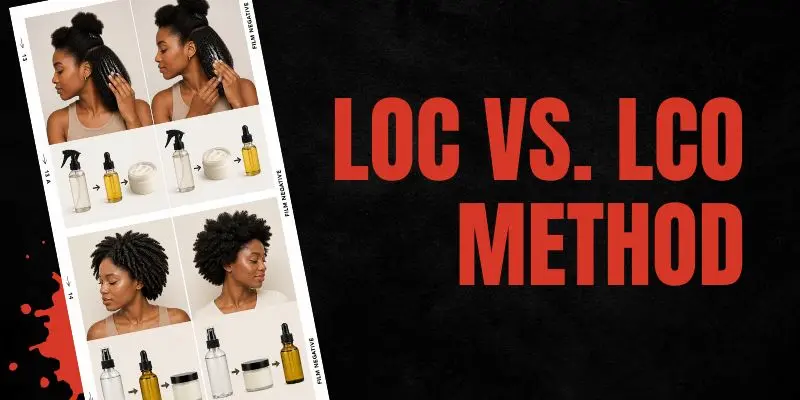
Your choice may depend on hair porosity, product weight, climate, hair density, and how your hair feels after styling.
For example, a person with high-porosity hair may prefer a routine that gives more attention to moisture retention. Someone with low-porosity hair may find that several heavy layers create buildup quickly.
Try one approach at a time and pay attention to your results. If your hair feels coated, reduce the amount or change the product order.
How to Moisturize High-Porosity vs. Low-Porosity 4C Hair
Porosity describes how your hair interacts with water and products. It can provide useful clues, but no single DIY porosity test gives a perfect diagnosis.
Your hair’s condition, chemical history, heat use, and damage can also affect how it behaves.
High-Porosity 4C Hair Routine
High-porosity hair may lose moisture quickly. You may notice that your hair feels moisturized at first but becomes dry again soon after.
A high-porosity routine may benefit from:
- Regular conditioning.
- Careful moisture retention.
- Appropriate creams or sealants.
- Less unnecessary heat.
- Gentle detangling.
- Reduced manipulation.
- Extra protection for fragile ends.
The key is not to cover the hair in heavy products constantly. Instead, focus on conditioning the hair and reducing unnecessary moisture loss.
Low-Porosity 4C Hair Routine
Low-porosity hair may resist water or become coated easily with heavy products.
A low-porosity routine may work better with:
- Lightweight products.
- Fewer layers.
- Water-based leave-in conditioners.
- Careful product selection.
- Thorough cleansing when buildup develops.
Gentle warmth during conditioning may help some people distribute conditioning products more effectively. However, avoid excessive heat.
If your hair feels greasy, stiff, or coated after moisturizing, your routine may contain too many heavy products.
Best Product Types for Moisturizing 4C Hair
The best product is not always the most expensive or the heaviest. Choose products based on what your hair actually needs.
For a more detailed guide to choosing products for your specific routine, explore Best Products for 4C Hair.
Leave-In Conditioners
A leave-in conditioner can help improve softness and manageability after washing.
Look for a formula that works well with your hair without leaving a heavy coating. If your hair becomes weighed down easily, you may prefer a lighter product.
Oils
Oils can support softness and moisture retention when used appropriately.
Jojoba oil may suit people who prefer a lighter-feeling oil. Castor oil is thicker and may work better for people who enjoy richer products.
The most important rule is to avoid using oil as your only source of hydration.
Creams and Hair Butters
Creams and hair butter can add softness and help with styling.
Shea butter is a popular richer ingredient, but heavy products can cause buildup for some people. If your hair feels coated or difficult to cleanse, reduce the amount or choose a lighter formula.
Deep Conditioners
A deep conditioner can help improve the feel and manageability of dry hair.
Choose a formula based on your current needs. If your hair feels dry and rough, a moisturizing conditioner may help. If your hair feels weak or damaged, your routine may also need appropriate strengthening care.
How to Keep 4C Hair Moisturized All Week
Moisturizing your hair once is only part of the process. Moisture retention often depends on what happens afterward.
Refresh Only When Your Hair Needs It
You do not need to apply heavy products every day.
Instead, check how your hair feels. If it feels dry, lightly dampen the dry areas and apply a small amount of a water-based moisturizer.
Focus on the areas that need attention rather than repeatedly coating your entire head.
Protect Your Hair at Night
Friction can affect the hair while you sleep.
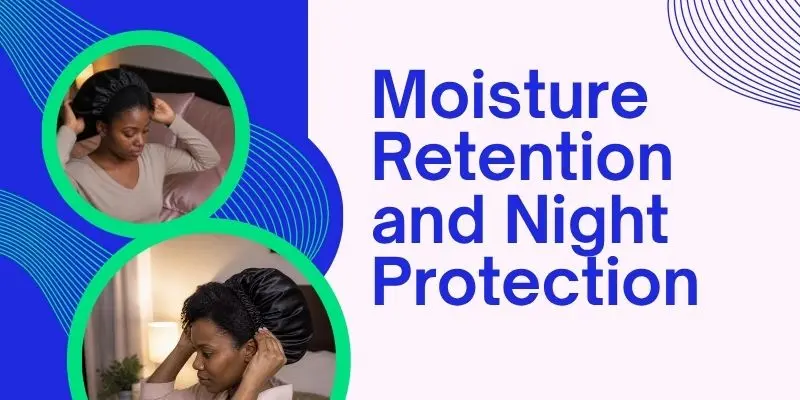
A satin bonnet can help reduce friction compared with some rougher fabrics. A silk pillowcase can also provide a smoother surface if your bonnet slips off during the night.
The goal is to protect the hair and reduce unnecessary rubbing.
Use Protective Styles Carefully
Protective styles can reduce daily manipulation, but they do not automatically solve dryness.
Moisturize your hair before styling and avoid installing styles too tightly. If your hair is completely hidden, apply products carefully to avoid excessive buildup.
Your hair still needs appropriate cleansing and care while wearing many protective styles.
If you prefer to style your hair without relying on heavy gels, you can also explore ways to define curls without gel while keeping manipulation and product buildup under control.
Be Careful with Homemade Refresh Sprays
A simple water-based refresh spray may work for some routines, but homemade mixtures can spoil or become contaminated if stored improperly.
Avoid making large batches and storing them for long periods. Keep the mixture simple, use clean containers, and discard it if it changes in smell, appearance, or texture.
Common Moisturizing Mistakes to Avoid
Avoid these common moisturizing mistakes to help your 4C hair stay hydrated, soft, and easier to manage.
1. Using Oil Without Water
Oil can help with sealing and softness, but oil alone does not hydrate dry hair.
2. Applying Too Much Product
Heavy layering can create buildup and make the hair feel greasy without improving hydration.
3. Ignoring Product Buildup
If your hair feels coated, products may not distribute properly. Cleansing may be necessary before adding more products.
4. Overusing Protein Treatments
Protein can have a place in a balanced routine, but too much may leave some hair feeling stiff or brittle.
5. Assuming Daily Moisturizing Is Always Necessary
Some hair needs frequent refreshing. Other hair becomes overloaded quickly. Your routine should respond to your hair.
6. Neglecting the Ends
The ends are older and often need extra care. Focus conditioning and gentle handling on this area.
7. Over-Manipulating the Hair
Constant brushing, combing, and restyling can increase friction and contribute to breakage.
8. Copying Someone Else’s Routine
A routine that works for high-porosity 4C hair may feel too heavy on low-porosity hair.
Hair density, climate, product preferences, and styling habits also matter.
9. Expecting Moisture Alone to Prevent All Breakage
Dryness can contribute to poor manageability, but hair breakage can have many causes. Gentle handling and a balanced routine matter too.
10. Ignoring Damaged Ends
Moisturizing can improve the feel of hair, but it cannot repair physically split ends. If damaged ends interfere with manageability, a trim may be appropriate.
How Often Should You Moisturize 4C Hair?
There is no universal schedule that works for everyone.
Some people may need a light refresh several times per week. Others may need to moisturize less often because their hair holds moisture well or becomes weighed down easily.
Your ideal frequency may depend on:
- Hair porosity.
- Hair density.
- Climate.
- Hairstyle.
- Product buildup.
- How quickly your hair loses softness and flexibility.
Daily Refreshing
Daily moisturizing may be unnecessary for some people. If your hair feels soft and flexible, adding more product may only create buildup.
Several Times Per Week
Some people with dry hair may benefit from refreshing specific areas several times per week.
Use a light touch and avoid repeatedly layering heavy products.
Wash-Day Conditioning
Deep conditioning and leave-in products may form the foundation of your routine.
Protective Styles
Your hair may need a different approach while wearing a protective style. Focus on appropriate moisture and avoid creating heavy buildup.
The best schedule is the one that keeps your hair manageable without leaving it coated or overloaded.
How Do You Moisturize Extremely Dry 4C Hair?
Start with water or a water-based product, then apply a leave-in conditioner. Add a cream or oil only if your hair needs additional softness or moisture retention. If your hair remains dry, check for buildup, excessive cleansing, heat damage, or a routine that does not match your porosity.
Is Water Enough to Moisturize 4C Hair?
Water provides hydration, but water alone may not keep hair feeling moisturized for long. A conditioner, leave-in product, cream, or appropriate sealant may help support softness and moisture retention depending on your hair’s needs.
How Often Should 4C Hair Be Moisturized?
Moisturize 4C hair as often as needed to maintain softness and flexibility without causing buildup. Some people may need a light refresh several times per week, while others may need less frequent moisturizing.
What Oils Are Best for 4C Hair?
There is no single best oil for everyone. Jojoba oil may suit people who prefer a lighter oil, while castor oil may suit those who prefer a thicker product. Choose based on how your hair responds and remember that oils do not replace water-based hydration.
Does 4C Hair Need Protein?
4C hair does not automatically need frequent protein treatments. Protein may be useful in some routines, especially when hair feels weak or damaged, but excessive use can make some hair feel stiff. Balance protein treatments with appropriate conditioning.
Submit Your 4C Hair Routine Story
I would love to hear your journey. What changed your moisture retention? Did the LCO method work better for you? Sharing your story helps build community and supports others learning natural hair care.
Final Takeaway
Learning how to moisturize 4C hair is less about constantly adding more products and more about creating a routine that supports hydration and moisture retention.
Start by cleansing without unnecessarily stripping the hair. Condition regularly, apply a water-based leave-in conditioner, and add creams, oils, or hair butter based on what your hair needs.
You can experiment with the LOC or LCO method, but neither method works perfectly for everyone. Your hair porosity, density, climate, hairstyle, and product buildup all affect your results.
If your hair feels dry, do not immediately add more oil. First, ask whether your hair needs water, conditioning, a lighter product, better moisture retention, or a thorough cleanse.
With consistent care, gentle handling, and the right balance, you can build a 4C hair routine that supports softer, more manageable hair and better long-term hair growth retention.
FAQs
To moisturize extremely dry 4C hair, start with water or a water-based product. Apply a leave-in conditioner while your hair is damp. You can then add a cream, hair butter, or a small amount of oil to help seal moisture. Avoid using oil alone because it does not hydrate dry hair. If your hair still feels dry, check for product buildup, over-cleansing, heat damage, or a routine that does not suit your hair porosity.
Water is the foundation of hair hydration, but it may not keep 4C hair moisturized for long by itself. A leave-in conditioner can help improve softness and manageability. Depending on your hair, you may also need a cream or oil to support moisture retention. The right routine depends on your hair porosity, density, climate, and styling habits. If your hair becomes dry quickly, focus on both hydration and moisture retention.
The best moisturizing schedule depends on how quickly your hair loses moisture. Some people may need a light refresh several times a week, while others may need less frequent moisturizing. Daily moisturizing is not always necessary and can cause buildup when you use too many products. Pay attention to how your hair feels. If it feels dry, rough, or less flexible, a light water-based refresh may help.
There is no single best oil for every 4C hair routine. Jojoba oil may work well for people who prefer a lighter oil, while castor oil provides a thicker feel. Other oils may also support softness and moisture retention when used correctly. Always apply oils as part of a balanced routine rather than using them as your only moisturizer. Water or a water-based product should usually come first.
4C hair does not automatically need frequent protein treatments. Protein may help support hair that feels weak or damaged, but using it too often may make some hair feel stiff or brittle. A balanced routine should include proper cleansing, conditioning, hydration, and gentle handling. If your hair feels dry, do not assume that protein is the answer. First, consider whether your hair needs more moisture or has product buildup.
How This Article Was Created
This guide is based on:
- Professional cosmetology principles
- Ingredient science (humectants, emollients, occlusives)
- Widely accepted natural hair care best practices
- Real-world experience working with textured hair types
No exaggerated claims. No myths. Only trusted hair science and practical education.






- Be Respectful
- Stay Relevant
- Stay Positive
- True Feedback
- Encourage Discussion
- Avoid Spamming
- No Fake News
- Don't Copy-Paste
- No Personal Attacks
- Be Respectful
- Stay Relevant
- Stay Positive
- True Feedback
- Encourage Discussion
- Avoid Spamming
- No Fake News
- Don't Copy-Paste
- No Personal Attacks
