Hair Mask for Split Ends: What Actually Works (and What Doesn’t)
Published: 8 Jun 2026
The Best Hair Mask for Split Ends is often the first thing people search for when they notice frayed, dry, and damaged ends. I’ve spent years focused on split ends first as someone battling my own bleached, over-styled hair, and later through everything I’ve learned from trichologists and dermatological guidance. So let me tell you the truth up front: the right hair mask for split ends can soften, smooth, strengthen, and protect your ends beautifully. What it can’t do is permanently glue a split strand back together. Only scissors can do that. Once you accept that one fact, everything else about caring for damaged hair becomes much easier, and your results become much better.
In this guide, I’ll walk you through why split ends happen, how to identify different levels of damage, the masks I genuinely recommend (both store-bought and homemade), and exactly how to use them for healthier-looking hair.
What Split Ends Actually Are
A single strand of hair has three layers. The outer layer is the hair cuticle overlapping scales, a bit like roof shingles, that protect everything underneath. Below that sits the hair cortex, which holds the keratin, protein, and amino acids that give your hair its strength and elasticity. Together, these form the hair shaft, which is why many people use a keratin hair mask to help support and strengthen damaged hair.
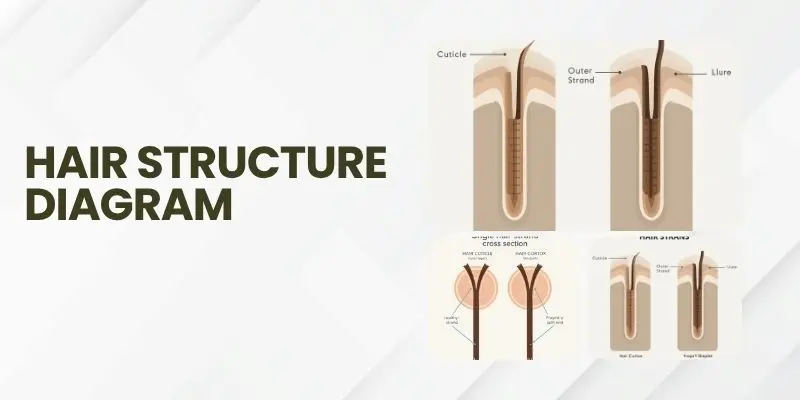
A split end forms when the protective cuticle wears away at the tip, breaking down the moisture barrier. The exposed cortex then frays and splits. Your ends are simply the oldest part of your hair, so they’ve taken the most wear, which is why damage shows up there first.
This is the part worth repeating: a mask helps seal, smooth, and prevent further splitting. It does not heal a split that already exists. Knowing that keeps your expectations realistic and your hair healthier.
Why Split Ends Happen
When I assess damaged hair, the causes almost always come back to a handful of culprits:
- Heat damage from flat irons, curling wands, and blow dryers used too hot or too often.
- Chemical processing, like coloring, perms, and especially bleaching, lifts the cuticle and weakens the cortex.
- UV damage from prolonged sun exposure.
- Mechanical breakage from rough brushing, tight styles, and towel-drying.
- A lack of hydration and sebum (your scalp’s natural oils), which struggle to travel all the way down long strands.
Your porosity matters here, too. High-porosity hair, common after bleaching, has a raised cuticle that loses moisture fast, so it splits more easily. A quick hair porosity test (drop a clean strand in water and see if it floats or sinks) tells you a lot about what your hair needs.
How to Read Your Damage Level
Not all split ends are equal, and the level of damage should change what you do next.
Level 1 — Mild dryness and frizz
Your ends feel a little rough, and you’re noticing frizz and dryness, but you don’t see many true splits yet. This is your green light for deep conditioning hair mask treatments and prevention. A good mask now can stop the problem before it starts.
Level 2 — Visible split ends and brittleness
You can see the classic Y-shaped splits, and your ends feel brittle. Masks will smooth and protect these strands and slow the damage, but you’ll also need a split-end trim to remove the splits that already exist.
Level 3 — Breakage climbing the shaft
If strands are snapping mid-length and splits are creeping up the hair shaft, you’re past the point a mask alone can fix. This needs professional attention, which I’ll cover later.
The Best Hair Masks for Split Ends
Here’s the heart of it. Below are the masks I reach for, organized to help you match one to your hair. These cover the best options, whether you want a quick store-bought fix or a DIY hair mask for split ends from your kitchen.

1. Bond-building masks (best for chemically damaged hair)
If you bleach or color, start here. The bond builder category, Olaplex, being the name most people know, works inside the strand to help relink the broken bonds that chemical processing destroys. This is the closest science gets to genuine repair, and it’s my top pick for a hair mask for damaged hair and split ends.
Best for: bleached, highlighted, or heavily processed hair.
2. Keratin and protein masks (best for weak, stretchy hair)
When hair feels limp, gummy, or overly stretchy when wet, it’s usually short on protein. A protein hair mask with hydrolyzed keratin or hydrolyzed proteins temporarily fills gaps in the cuticle and restores strength and elasticity.
Best for: soft, weak, over-moisturized hair. A word of caution: more protein isn’t always better (more on that below).
3. Ceramide and oil-rich deep conditioning masks (best for dry, rough ends)
A rich, deep conditioning mask for split ends loaded with ceramides, fatty acids, shea butter, and argan oil for hair helps rebuild the moisture barrier and smooth the cuticle. Ceramides are especially effective because they are naturally part of your hair’s protective structure.
Best for: dry, coarse, or high-porosity hair and anyone needing a reliable hair mask for dry, damaged ends.
4. An overnight mask (best for very thirsty hair)
An overnight hair mask for split ends gives parched strands hours to drink up moisture. Apply a nourishing, oil-based mask to your lengths and ends only, wrap your hair, sleep on a silk pillowcase, protect your pillow, and rinse in the morning. Once a week is plenty.
Best for: very dry or coily hair that needs deep, slow hydration.
5. Coconut oil and honey (homemade)
Coconut oil for hair is one of the few oils proven to penetrate the hair shaft rather than just coat it, and honey is a humectant that draws in hydration. Mix 2 tablespoons of coconut oil with 1 tablespoon of honey, warm slightly, apply to damp lengths and ends, leave for 20–30 minutes, then shampoo out.
6. Avocado and argan oil (homemade)
Avocado oil for hair delivers vitamin E, biotin, and fatty acids, while argan oil smooths and adds shine. Mash half a ripe avocado with 1 tablespoon of argan oil (or olive oil), apply, leave for 20 minutes, and rinse. A lovely, nourishing homemade hair mask for split ends.
7. Banana and yogurt (homemade)
Blend one ripe banana with 2 tablespoons of plain yogurt for a smoothing, frizz-taming banana hair mask treatment rich in amino acids. Blend it completely smooth (banana bits are a nightmare to rinse out), leave for 15–20 minutes, then rinse well.
8. Egg yolk protein mask (homemade)
Egg yolk offers natural protein and biotin. Whisk one or two yolks, apply to clean, damp hair, leave for 15–20 minutes, and rinse with cool water so it doesn’t cook. Use this one occasionally, not weekly.
How to Use a Hair Mask the Right Way
Application makes or breaks your results. Here’s exactly what I do and what I avoid.
Do this:
- Apply to clean, towel-blotted damp hair, focusing mid-shaft to ends where damage lives.
- Comb through with a wide-tooth comb so every strand gets coated.
- Leave it on for the time stated, usually 10–30 minutes, not all day for rinse-out formulas.
- Try the baggy method: pop on a shower cap to trap warmth and boost absorption.
- Follow with a leave-in conditioner, a hair serum, or a light hair oil to seal your ends.
- Match frequency to your hair: fine hair once a week, dry or coily hair one to three times a week.
Don’t do this:
- Don’t slather mask on your roots, which just weighs hair down.
- Don’t overuse protein. Too much causes stiffness and brittleness, the opposite of what you want. Balance protein with moisture.
- Don’t skip heat protectant afterward and then undo all your work with a 230°C flat iron.
- Don’t expect a mask to replace a trim.
What Your Split Locations Tell You
Where your hair splits is a clue worth reading.
- Splits only at the very tips: normal wear from age and styling. Regular trims and consistent masking keep these in check.
- Splits mid-shaft, partway up the strand: a sign of more serious damage, often from bleaching or aggressive heat. Your hair needs strengthening and gentler handling.
- Frizz and breakage near the crown: usually mechanical tight ponytails, rough brushing, or friction from styling. Look at your habits, not just your products.
I Know How Frustrating This Feels
Let me pause here, because I genuinely understand. It’s disheartening to do everything “right” and still see frayed, splitting ends staring back at you in the mirror. You are not failing, and you are absolutely not alone. Split ends are one of the most common hair complaints there is.
Here’s the reassuring part: consistent care truly works. A good mask, gentler styling, and regular trims will change your hair over the coming weeks. I’ve watched it happen for myself and for so many others. Be patient with your hair, and with yourself.
When to Stop DIY-ing and See a Professional
Masks and home care handle most split ends. But some signs mean it’s time to call in a pro:
- Hair snapping off rapidly or in clumps.
- Splits climbing the shaft instead of staying at the tips.
- Sudden shedding, thinning, or a sore, flaky, or itchy scalp.
For breakage, a stylist can do a “dusting” (trimming only the very tips to preserve length) or a cut and seal service. For shedding or scalp concerns, see a dermatologist or trichologist, who can signal issues a mask will never fix.
Common Misconceptions, Corrected
“A mask repairs split ends permanently.” No. It seals and smooths and prevents new splits, but only a trim removes existing ones. The American Academy of Dermatology (AAD) is clear that the only true fix for a split end is cutting it off.
“More protein is always better.” Not true. Overloading on protein causes stiffness and breakage. Balance it with hydration.
“Trimming makes your hair grow faster.” It doesn’t grow on the scalp. But trims stop splits from traveling up and snapping off length, so your hair retains more length and looks healthier.
“Oils alone fix split ends.” Oils smooth and protect, but they don’t rebuild bonds or replace protein. Think of them as one helpful piece, not the whole solution.
What to Realistically Expect
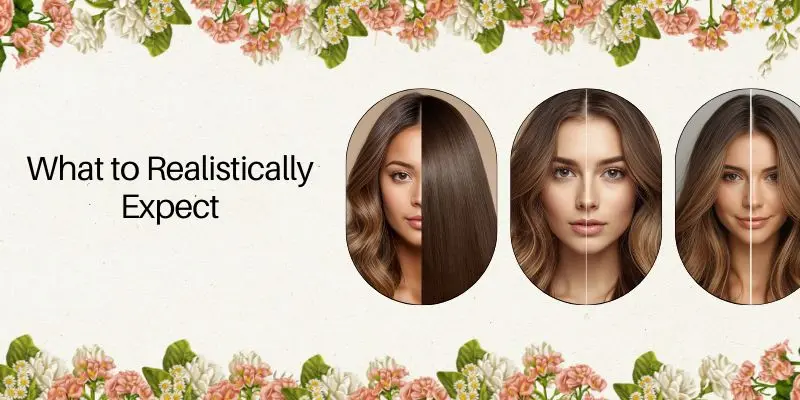
Give it time. Within a week or two of regular masking, your ends should feel softer and look less frizzy. Over one to three months, paired with trims, less heat, and a reliable heat protectant, you’ll see noticeably smoother, stronger, shinier ends.
Ignore the damage, though, and it spreads. Splits travel up the hair shaft, strands snap higher, and you lose length and thickness over time. A little consistent care now saves you a much bigger trim later.
Share Your Hair Story
I’d genuinely love to hear from you. What’s your split-end journey been like? Which masks have worked or flopped for you? Have a DIY recipe you swear by? Share your routine and results in the comments or send in your story. Real experiences help the whole community learn what works, and I read every one.
Conclusion
The Best Hair Mask for Split Ends can make a noticeable difference in how your hair looks and feels, but it’s important to have realistic expectations. While no mask can permanently repair a split strand, the right combination of deep conditioning, bond-building treatments, protein care, and regular trims can help reduce further damage and keep your ends smoother, softer, and healthier.
Whether you choose a professional treatment or a homemade remedy, consistency is what delivers results. Pair your hair mask with gentle styling habits, heat protection, and routine trims to prevent splits from worsening. With the right care routine, you can improve the appearance of damaged ends, retain more length, and enjoy stronger, shinier hair over time.
How This Article Was Created
I wrote this guide drawing on established dermatological and trichological guidance, including recommendations from the American Academy of Dermatology (AAD) on preventing and managing split ends, alongside widely accepted principles of hair science and hands-on experience with damaged hair. I’ve avoided invented statistics and exaggerated claims. This article is meant to inform and support your hair-care decisions, not to replace personalized advice from a qualified dermatologist or trichologist. If you’re worried about sudden breakage, shedding, or scalp issues, please see a professional.
Frequently Asked Questions
A hair mask for split ends helps a lot, but it has limits. It smooths the cuticle, seals the ends, and adds moisture. It also makes hair stronger, so it breaks less. However, it cannot glue a split strand back together. Only a trim removes splits for good. So use a mask to prevent damage, and trim to remove it.
The best hair mask for damaged hair and split ends depends on your hair. For bleached hair, a bond builder works best because it repairs broken bonds. For weak hair, a keratin or protein mask adds strength. For dry, rough ends, pick a deep conditioning mask with ceramides and argan oil. Match the mask to your hair, and you will see faster results.
You should not use a mask every single day. Fine hair needs a mask about once a week. Dry, coily, or damaged hair needs one to two to three times a week. Always apply it from mid-shaft to the ends, not the roots. Then leave it on for 10 to 30 minutes. Too much protein can cause stiffness, so keep moisture and protein balanced.
DIY hair masks for split ends are cheap, easy, and great for daily care. Recipes like avocado and argan oil add real hydration and shine. Still, kitchen masks have limits. They cannot repair bonds or replace lost protein as store-bought masks can. For mild dryness, DIY works fine. For heavy damage from bleaching, a bond builder or keratin mask is the smarter choice.
Yes, but only if the mask is oil-based and gentle. A homemade hair mask, such as coconut oil and honey, works well overnight. Apply it to your lengths and ends, then wrap your hair to protect your pillow. Rinse it out in the morning with a mild shampoo. Do this once a week, not daily. Overnight masking gives very dry hair more time to soak up moisture.





- Be Respectful
- Stay Relevant
- Stay Positive
- True Feedback
- Encourage Discussion
- Avoid Spamming
- No Fake News
- Don't Copy-Paste
- No Personal Attacks
- Be Respectful
- Stay Relevant
- Stay Positive
- True Feedback
- Encourage Discussion
- Avoid Spamming
- No Fake News
- Don't Copy-Paste
- No Personal Attacks
