What Causes Head Lice? Causes, Myths & Safe Prevention Tips
Published: 17 Jul 2026
What causes head lice? This is often the first question parents ask when they notice constant itching or receive a lice notice from school. Finding head lice can feel upsetting and even embarrassing, especially the first time it happens. You may worry about hygiene or wonder how it happened so quickly.
Here is the truth. Head lice are common, especially among children. They are not a sign of poor hygiene. According to the Centers for Disease Control and Prevention (CDC), lice spread mainly through direct head‑to‑head contact. They do not jump, fly, or come from pets. Understanding what causes head lice helps you stay calm and take the right next steps.
What Causes Head Lice?
Head lice are usually caused by direct head-to-head contact with someone who already has lice. They spread by crawling from one person’s hair to another and cannot jump or fly. Pets do not spread head lice because human lice survive only on human scalps. Although sharing items like hats, combs, or hairbrushes may occasionally spread lice, this is much less common than direct contact.
Now let’s look at the main causes, common myths, symptoms, and safe next steps in more detail.
The Main Cause of Head Lice Is Head‑to‑Head Contact
Anyone can get head lice, but some people have a higher risk because they spend more time in close contact with others.
Head lice are most common among:
- Children between 3 and 11 years old
- Family members living in the same home
- Classmates and close friends
- Children attending daycare, camps, or sleepovers
- Anyone who has frequent head-to-head contact during play, sports, or other activities

Having head lice does not mean someone has poor hygiene. Lice spread through close contact, not because hair is dirty or clean.
Dirty Hair Does Not Cause Head Lice
Many people believe lice prefer dirty hair. This is a myth.
Lice can live in:
- Clean hair
- Oily hair
- Curly or straight hair
- Short or long hair
They only need blood from the scalp. Hair hygiene does not prevent infestation.
If lice appear, it does not mean someone is unclean. It simply means close contact occurred.
Can Shared Items Spread Head Lice?
Direct contact is the main cause. However, although uncommon, lice may occasionally spread through items that have recently touched the hair, such as hats, combs, or pillows.
Examples include:
- Combs and brushes
- Hats and scarves
- Hair clips and bands
- Towels
- Pillows and bedding
Still, this type of spread is less common. The CDC explains that adult lice usually die within 1 to 2 days when away from the scalp.
There is no need to panic‑clean your entire house. Focus on items used in the last 48 hours.
Head Lice Cannot Jump, Fly, or Come From Pets
Lice move by crawling. They do not jump or fly.
They also do not live on dogs, cats, or other animals. Human head lice survive only on human scalps.
Both the CDC and Mayo Clinic confirm that pets do not spread head lice.
If lice are present, check close family members instead of treating animals.
Pain, Itching, and Scalp Irritation: What Is Normal?
Head lice usually cause itching rather than serious pain.
The American Academy of Dermatology explains that itching is the most common symptom. It happens because the scalp reacts to lice bites.
Normal Discomfort
You may feel:
- Mild itching
- A tickling sensation
- A crawling feeling
- Itching behind the ears or near the neck
Inflammation
Frequent scratching can cause:
- Redness
- Tenderness
- Small bumps
The scalp may feel sore if irritation continues.
Possible Infection
Broken skin from scratching can lead to infection. Warning signs include:
- Swelling
- Pus
- Bleeding
- Increasing pain
If these appear, contact a healthcare professional.
Where Do Head Lice Symptoms Usually Appear?
Where Do Head Lice Symptoms Usually Appear?
Head lice stay close to the scalp because they need warmth and regular access to blood for feeding.
Behind the Ears
This is one of the first places where itching and lice are commonly noticed.
Back of the Neck
The nape of the neck is another common area where lice and nits may be found.
Crown of the Head
Some people notice itching on the top of the scalp, although this is less common than behind the ears or at the nape of the neck.
Whole Scalp Itching
In more active infestations, itching may affect the entire scalp.
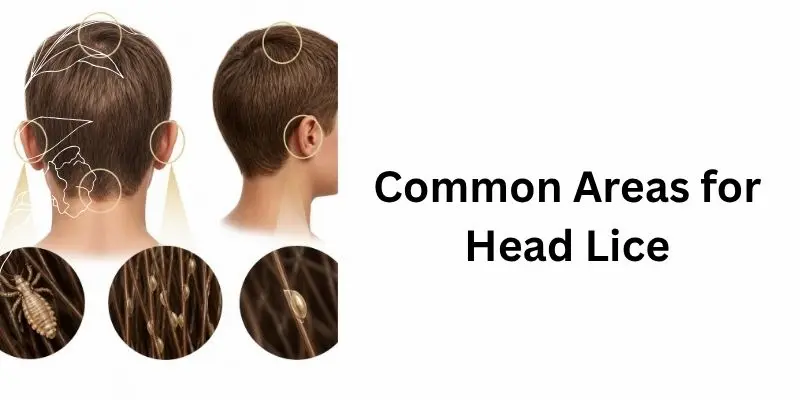
However, itching alone does not confirm head lice, and some people may not notice any symptoms for several weeks after becoming infested. Always check for live lice or attached nits to confirm an infestation.
What to Do and What Not to Do
Once lice are confirmed, stay calm and take practical steps.
What to Do
Once head lice are confirmed, stay calm and take practical steps.
- Check the scalp under bright light.
- Use a fine-toothed lice comb to remove lice and nits.
- Examine close household members for signs of infestation.
- Treat only confirmed cases.
- Follow the treatment instructions carefully.
The American Academy of Dermatology notes that careful combing improves treatment success. Wash recently used bedding, hats, and towels, and repeat treatment if the product instructions recommend a second application.
If you prefer natural remedies, read our How to Remove Lice Permanently at Home guide for safe ways to manage head lice and help reduce the risk of reinfestation.
What Not to Do
- Do not use pet treatments on humans
- Do not apply gasoline, kerosene, or unsafe remedies
- Do not overuse medicated products
- Do not treat everyone without confirmation
The NHS advises against using medicated products for prevention, since they may irritate the scalp.
Common Myths About What Causes Head Lice
Clearing myths helps reduce fear.
Myth: Lice mean someone is dirty
Truth: Hygiene does not cause lice.
Myth: Lice can jump across a room
Truth: They crawl slowly.
Myth: Pets bring lice back
Truth: Human lice do not live on animals.
Myth: Pillows are the main cause
Truth: Direct contact remains the primary cause.
Myth: Expensive treatments always work better
Truth: Proper use matters more than cost.
When NOT to Google: Signs You Need Medical Help
Online guides help in mild cases. However, some symptoms need professional care.
Seek medical advice if you notice:
- Severe scalp pain
- Swelling
- Pus or drainage
- Bleeding sores
- Patchy hair loss
- Repeated lice after correct treatment
Infants, pregnant individuals, and people with allergies should consult a healthcare professional before starting treatment.
Recovery Timeline: What to Expect
Head lice usually do not disappear overnight, even after treatment begins.
Itching may continue for one to two weeks after successful treatment because the scalp is still healing. This does not always mean the treatment has failed. The most important sign of success is that no live lice remain.
Over the next 7 to 14 days, regular combing with a fine-toothed lice comb helps remove remaining nits and makes it easier to check for any newly hatched lice. If your treatment instructions recommend a second application, use it at the recommended time.
Without treatment, head lice can continue to spread to others. Frequent scratching may also lead to sores or a skin infection. Early diagnosis and proper treatment help stop the infestation and reduce the risk of complications.
How to Lower the Risk of Head Lice Spreading
You cannot fully prevent head lice, but you can reduce the risk of them spreading.
- Avoid head-to-head contact during an active infestation.
- Avoid sharing hats, helmets, headphones, hairbrushes, combs, or hair accessories during an active infestation.
- Wash recently used bedding, hats, towels, and pillowcases in hot water.
- Check family members regularly if someone in the household has head lice.
- Use wet combing for early detection, especially in children.
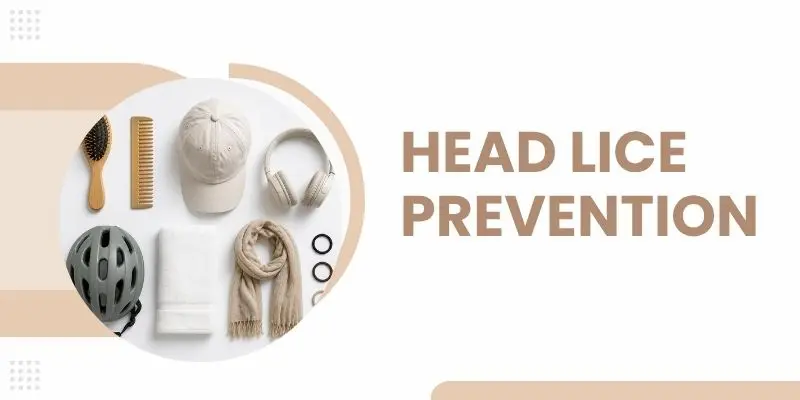
The NHS recommends wet combing as a safe and effective way to detect head lice, particularly in children.
FAQs About Head Lice Causes
Head lice are usually caused by direct head-to-head contact with someone who already has lice. They crawl from one scalp to another during close contact. This often happens at school, sleepovers, or at home. Lice cannot jump or fly. They need human blood to survive. If you notice itching after close contact, check the scalp carefully under bright light.
Yes, clean hair can get head lice. Lice do not care if hair is clean or dirty. They only need a warm scalp to live and feed. Good hygiene does not prevent lice from spreading. Anyone can get head lice through close contact. This is why regular scalp checks are important, especially for children.
Head lice can survive on pillows or bedding for a short time. However, this is not the main way they spread. Most cases happen through direct hair contact. Lice usually die within 1 to 2 days when away from the scalp. Washing recently used bedding in hot water is enough. There is no need to clean your entire house thoroughly.
No, pets do not spread head lice. Human head lice only live on human scalps. Dogs, cats, and other animals are not carriers. You do not need to treat your pet if someone in your home has lice. Focus on checking family members instead. This helps stop the spread quickly and safely.
You should see a doctor if there is swelling, pus, bleeding, or severe scalp pain. These signs may mean infection. Also, seek help if lice return after proper treatment. Do not keep using lice medicine again and again without advice. Babies, pregnant women, and people with allergies should speak to a healthcare professional first.
Submit Your Story
Have you experienced head lice in your home? Sharing your experience may help someone else feel less alone.
You can describe what worked, what confused you, and what advice helped most. Real stories reduce stigma and stress.
Final Thoughts
Head lice are a common problem that can affect anyone, regardless of age or hygiene. In most cases, they spread through direct head-to-head contact, not because of dirty hair, pets, or poor cleanliness.
Knowing what causes head lice helps you respond with confidence instead of panic. Check the scalp carefully, use safe and proven treatment methods, and follow up with regular combing to remove any remaining nits.
If symptoms become severe or lice keep coming back after proper treatment, speak with a healthcare professional. For more information on symptoms, treatment, and prevention, explore our complete Head Lice guide.
With the right information and timely action, most head lice infestations can be managed safely and effectively.
How This Article Was Created
This article was written using current guidance from:
- Centers for Disease Control and Prevention (CDC)
- Mayo Clinic
- NHS
- American Academy of Dermatology
It follows medical writing standards and helpful content guidelines. It is for educational purposes only and does not replace professional medical advice.






- Be Respectful
- Stay Relevant
- Stay Positive
- True Feedback
- Encourage Discussion
- Avoid Spamming
- No Fake News
- Don't Copy-Paste
- No Personal Attacks
- Be Respectful
- Stay Relevant
- Stay Positive
- True Feedback
- Encourage Discussion
- Avoid Spamming
- No Fake News
- Don't Copy-Paste
- No Personal Attacks
