Olive Oil Hair Mask Guide: Benefits, Recipes & Safe Application
Published: 29 Dec 2024
I understand how frustrating dry, lifeless hair can feel. I’ve worked with clients who try expensive serums, salon treatments, and trending products yet still struggle with frizz, dullness, and breakage. Sometimes the solution isn’t complicated. It’s consistent, science-backed care.
An Olive Oil Hair Mask is one of the most traditional and dermatologist-recognized natural conditioning methods. Used correctly, it can support moisture retention, smoothness, and scalp comfort. Used incorrectly, it can cause buildup and heaviness.
In this guide, I’ll walk you through:
- The real benefits of olive oil for hair
- Why olive oil works from a cosmetic science perspective
- How to make an olive oil hair mask step by step
- Multiple DIY variations (honey, egg, avocado, coconut, banana)
- How to apply an olive oil hair mask properly
- What to avoid
- When to see a professional
Let’s start with the most important question.
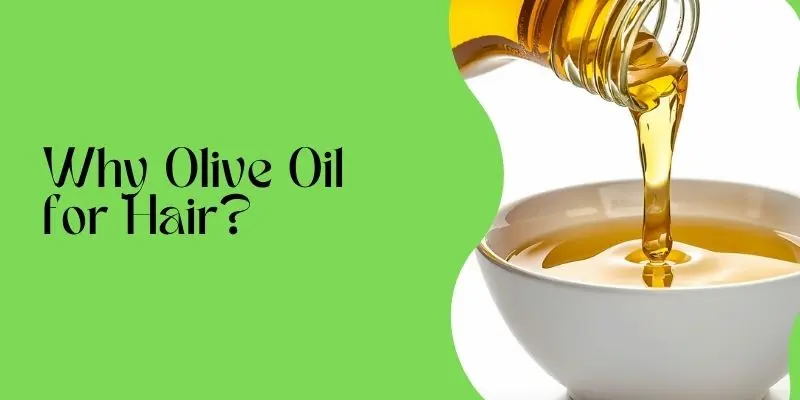
Why Olive Oil for Hair? (The Science Explained)
When clients ask me, “Why olive oil for hair?” I explain it this way: olive oil contains fatty acids and antioxidants that help condition and protect the hair shaft.
Here’s what matters scientifically:
Oleic Acid
Olive oil is rich in oleic acid, a monounsaturated fatty acid. This helps soften the hair fiber and reduce moisture loss. Research in cosmetic science shows that certain oils can coat the cuticle and reduce friction, which may lower breakage during combing.
Vitamin E
Olive oil naturally contains vitamin E, an antioxidant. Antioxidants help neutralize environmental oxidative stress, which can impact hair fibers over time.
Fatty Acids
Fatty acids act as emollients. They smooth the outer layer of hair (the cuticle), making strands feel softer and look shinier.
Antioxidants & Squalene
Olive oil also contains plant compounds like polyphenols and squalene. These contribute to scalp comfort and conditioning support.
What olive oil does not do: it does not permanently repair split ends, regrow hair overnight, or replace medical treatment for hair loss. It’s a conditioning treatment, not a cure.
Benefits of Olive Oil for Hair
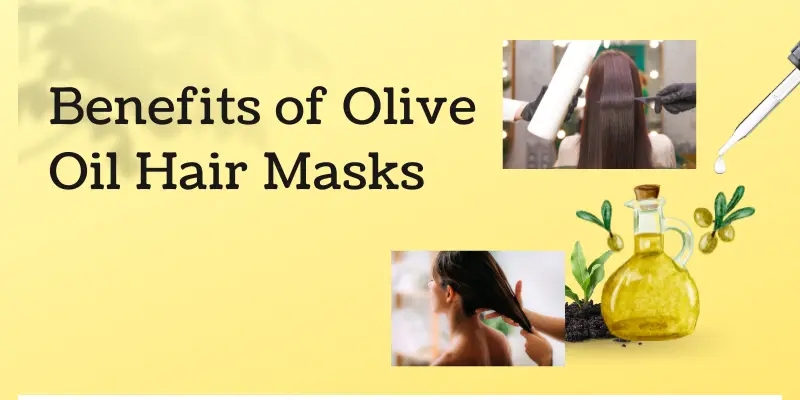
When used correctly, the benefits of olive oil for hair are practical and visible.
1. Deep Moisturizing Support
Olive oil forms a light barrier over the hair shaft. This reduces water loss and improves softness.
2. Frizz Control
Smoothing the cuticle, it reduces roughness and helps manage flyaways.
3. Shine Enhancement
A smoother cuticle reflects light better. That’s why hair looks glossier after oil treatments.
4. Scalp Soothing
Massaging oil into the scalp can temporarily relieve dryness and mild flaking. It does not treat medical dandruff caused by a fungal imbalance.
5. Reduced Breakage
By lowering friction during brushing, oil can help reduce mechanical damage.
Who Should Be Careful?
If you have:
- Very fine hair
- An oily scalp
- Seborrheic dermatitis
Heavy oiling may weigh hair down or worsen buildup. In those cases, use minimal amounts and avoid the scalp.
How to Make an Olive Oil Hair Mask (Step-by-Step Recipes)
Let’s move into the practical part: How to make an olive oil hair mask that actually suits your hair type.
1️⃣ Basic Olive Oil Hair Mask Recipe
Ingredients:
- 2–3 tablespoons extra virgin olive oil
Preparation Time: 2 minutes
Application Time: 20–40 minutes
This basic olive oil hair mask recipe is ideal for dry or coarse hair.
Why it works:
Pure olive oil provides fatty acids that soften and condition.
Best for:
Dry, thick, curly, or textured hair.
Caution:
Use sparingly on fine hair.
2️⃣ Olive Oil + Honey Mask
Ingredients:
- 2 tablespoons olive oil
- 1 tablespoon raw honey
Prep Time: 3 minutes
Application Time: 30 minutes
Honey acts as a humectant. It helps attract moisture.
Best for:
Dry, brittle hair lacking softness.
3️⃣ Olive Oil + Egg Mask
Ingredients:
- 2 tablespoons olive oil
- 1 whole egg
Prep Time: 5 minutes
Application Time: 20 minutes
The olive oil + egg mask combines moisture and protein. Eggs contain proteins and lipids that temporarily strengthen the hair surface.
Best for:
Heat-damaged or chemically treated hair.
Caution:
Rinse with cool water to avoid cooking the egg.
4️⃣ Olive Oil and Avocado Hair Mask
Ingredients:
- 2 tablespoons olive oil
- ½ ripe avocado
Mash thoroughly.
Why it works:
Avocado contains fatty acids and vitamins that support deep conditioning.
Best for:
Very dry or coarse hair.
5️⃣ Olive Oil and Coconut Oil Mask
Ingredients:
- 1 tablespoon olive oil
- 1 tablespoon virgin coconut oil
Coconut oil has been studied for its ability to penetrate hair fibers due to lauric acid content.
Best for:
Damaged hair prone to protein loss.
6️⃣ Olive Oil and Banana Mask
Ingredients:
- 2 tablespoons olive oil
- 1 ripe banana (blended smooth)
Banana adds slip and softness.
Best for:
Frizzy, unruly hair.
Caution:
Blend extremely well to avoid residue.
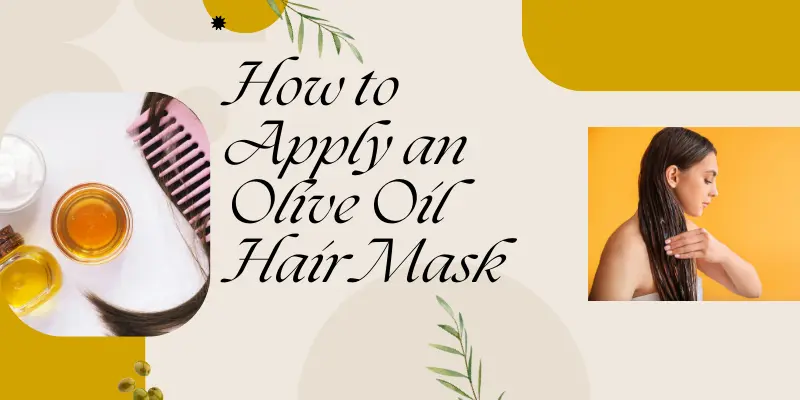
How to Apply an Olive Oil Hair Mask (Step-by-Step Guide)
Knowing how to apply an olive oil hair mask properly makes all the difference.
Step 1: Start with Slightly Damp Hair
Lightly mist hair. Oil spreads better on damp strands.
Step 2: Section Your Hair
Divide into 4 sections for even coverage.
Step 3: Warm vs Room Temperature
Gently warm the oil by placing the bowl in warm water. Do not microwave.
Step 4: Apply Strategically
- Dry ends → focus on mid-lengths and ends
- Dry scalp → massage gently
Step 5: Cover
Use a shower cap to trap warmth.
Step 6: Wait
20–40 minutes is usually enough. Overnight is not always better.
Step 7: Washing Technique
Apply shampoo to dry hair first. Then add water and lather. This removes oil more effectively.
Frequency
- Dry hair: 1–2 times per week
- Normal hair: Weekly
- Oily hair: Every 2–3 weeks (ends only)
Hair Type Customization
Dry Hair
Use richer combinations like olive oil and avocado hair mask.
Oily Hair
Avoid scalp application. Use small amounts.
Curly Hair
Olive oil helps define curls and reduce frizz.
Fine Hair
Use minimal oil to avoid limpness.
Color-Treated Hair
Safe when used moderately. Avoid lemon mixtures.
Common Mistakes to Avoid
❌ Leaving oil overnight always gives better results
Not necessarily. Extended time can cause buildup.
❌ More oil equals better hydration
Excess oil can attract dirt.
❌ Olive oil grows hair instantly
No scientific evidence supports rapid growth claims.
❌ All olive oils are the same
Choose extra virgin olive oil. Avoid refined or “light” olive oil for cosmetic use.
When NOT to Google and See a Professional Instead
Stop DIY treatments and consult a dermatologist or trichologist if you experience:
- Severe hair fall
- Patchy bald spots
- Painful scalp
- Persistent itching or flaking
- Allergic reactions
Natural masks cannot treat medical hair disorders.
Realistic Results & Timeline
After the first use, hair may feel softer and smoother.
Visible improvements in texture typically appear within 2–4 consistent treatments.
Long-term overuse may cause buildup. Clarify hair occasionally if you oil regularly.
You’re Not Alone
Many people try natural remedies before expensive treatments. You’re not alone in wanting healthier hair without harsh chemicals.
Hair care is self-care. Taking 30 minutes for a mask can feel grounding and restorative.
Tips for Best Results
- Slightly warm the oil
- Apply to damp hair
- Use a shower cap
- Shampoo twice if needed
- Stay consistent but moderate
Choosing the Right Olive Oil (Commercial Investigation)
For best results:
✅ Extra virgin olive oil
✅ Cold-pressed
✅ Stored in dark glass bottles
Avoid:
- Light olive oil
- Pomace oil
If your hair is extremely fine, a lightweight commercial deep conditioner may be better.
Submit Your Hair Care Story
I’d love to hear from you.
Which mask worked best?
What’s your hair type?
Did you try the olive oil + honey mask or the olive oil + egg mask?
Share your experience and help others learn.
Conclusion: Is an Olive Oil Hair Mask Worth Trying?
If you’re looking for a simple, affordable, and science-supported way to improve dryness and manageability, an Olive Oil Hair Mask can absolutely be worth trying. I’ve seen how consistent, moderate use can improve softness, reduce frizz, and enhance shine, especially for dry, coarse, or curly hair types.
The key is understanding what olive oil can realistically do. It works as an emollient. It helps smooth the cuticle. It supports moisture retention. But it isn’t a miracle growth solution, and it doesn’t replace professional care for underlying scalp or hair loss conditions.
When you choose high-quality extra virgin olive oil, follow the proper steps for how to make an olive oil hair mask, and learn how to apply an olive oil hair mask correctly, you give your hair the best chance to benefit. Whether you prefer a basic olive oil mask, an olive oil + honey mask, or a richer option like the olive oil and avocado hair mask, consistency and moderation matter more than complexity.
Healthy hair care isn’t about trends. It’s about understanding your hair type, respecting its limits, and using ingredients wisely.
If this guide helped you, consider saving it for later or, better yet, try one of the recipes and see how your hair responds. Sometimes the most effective solutions are the ones that have been trusted for generations.
How This Article Was Created
This article is based on cosmetic science principles, dermatology-backed ingredient knowledge, and established research on hair fiber structure. I followed Google’s Helpful Content guidelines and E‑E‑A‑T standards while writing.
No exaggerated claims or fabricated statistics were included. Ingredient properties are supported by widely accepted cosmetic research and dermatological insights.
Frequently Asked Questions
For most people, using an Olive Oil Hair Mask once a week is enough. If your hair is very dry or damaged, you can use it twice weekly. Oily or fine hair may need it only every two to three weeks. Using it too often can weigh hair down. Watch how your hair feels and adjust the schedule.
Olive oil supports scalp health, but it does not directly make hair grow faster. It can reduce breakage by keeping hair soft and smooth. Less breakage may help hair look fuller over time. Hair growth depends on genetics, hormones, and overall health. Use olive oil for conditioning, not as a medical hair loss treatment.
Yes, extra virgin olive oil is the best choice for an Olive Oil Hair Mask. It is less processed and keeps more natural antioxidants and vitamin E. Cold-pressed options are also a good pick. Avoid refined or “light” olive oil because they lose many helpful compounds. Always choose fresh oil stored in a dark bottle.
Yes, but you must use it carefully. Apply the oil only to the mid-lengths and ends, not the scalp. Use a small amount to prevent heaviness. Wash your hair well after the treatment. If your scalp feels greasy often, use the mask less frequently.

- Be Respectful
- Stay Relevant
- Stay Positive
- True Feedback
- Encourage Discussion
- Avoid Spamming
- No Fake News
- Don't Copy-Paste
- No Personal Attacks
- Be Respectful
- Stay Relevant
- Stay Positive
- True Feedback
- Encourage Discussion
- Avoid Spamming
- No Fake News
- Don't Copy-Paste
- No Personal Attacks
