Avocado Hair Masks: Which DIY Recipe Is Best for Your Hair Type?
Published: 28 Dec 2024
If you’ve ever looked in the mirror and wondered why your hair feels dry, frizzy, dull, or harder to manage than usual, you’re not alone. I’ve tested countless natural hair treatments over the years, and one ingredient keeps showing up in DIY beauty routines
Avocado is popular in hair care because it’s rich in healthy fats, antioxidants, vitamins, and minerals. Many people use avocado hair masks as a homemade hair treatment to improve hair hydration, reduce frizz, and help dry hair feel softer and smoother.
Among the many DIY Hair Masks available today, avocado-based treatments remain one of the most popular options for improving hydration and softness.
In this guide, I’ll explain the hair benefits of avocado, what science says about avocado for hair, how to make DIY avocado hair mask recipes, and which avocado hair mask is best for your specific hair type.
Are Avocado Hair Masks Good for Hair?
Yes, avocado hair masks can help improve hair hydration, softness, and manageability. The healthy fatty acids and natural oils in avocado may help coat the hair cuticle and reduce moisture loss. While avocado cannot permanently repair damaged hair, it can support healthier-looking hair and improve the appearance of dryness and frizz.
Key Takeaways
- Avocado hair masks are popular natural hair treatments for dry, frizzy, and damaged hair.
- Avocado contains fatty acids, antioxidants, vitamin E, vitamin A, vitamin C, potassium, and magnesium.
- DIY avocado hair mask recipes can improve softness and moisture retention.
- Different hair types benefit from different ingredient combinations.
- Results are usually temporary and cosmetic rather than permanent hair repair.
- Proper application is important for the best results.
Are Avocado Hair Masks Actually Good for Hair?
In my experience, avocado hair masks work best as a moisturizing treatment rather than a miracle cure.
Hair becomes dry when the outer layer, called the hair cuticle, loses moisture. When this happens, you may notice frizz control becomes more difficult, split ends become more visible, and hair breakage increases.
Avocado contains natural oils and monounsaturated fats that can help coat the hair shaft. This coating may improve moisture retention and make hair feel smoother.
Many people also apply avocado to the scalp because it contains nutrients associated with scalp nourishment. However, it’s important to have realistic expectations. Avocado cannot permanently fix damaged hair, but it may temporarily improve softness, shine, and manageability.
Benefits of Avocado Hair Masks
Here’s what I noticed and what you can expect too.
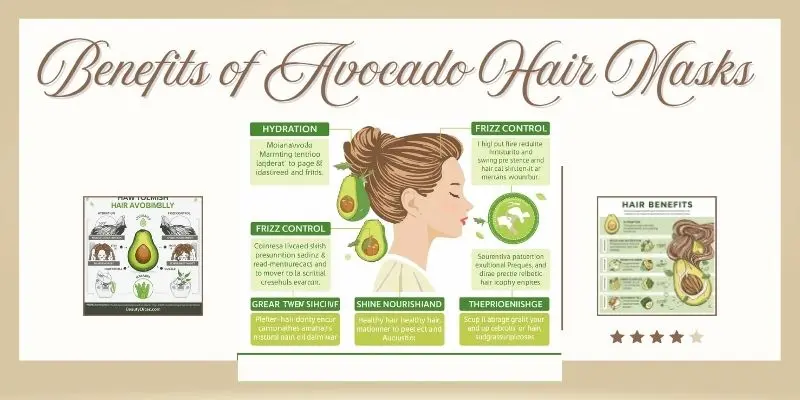
Deep Hydration
One of the biggest hair benefits of avocado is hydration. The natural oils help reduce dryness and improve moisture retention.
Better Frizz Control
Dry hair often appears frizzy because the cuticle becomes rough. Avocado may help smooth the hair surface, leading to improved frizz control. People struggling with severe dryness often compare avocado treatments with other Dry Hair Masks designed for intense conditioning
Improved Shine
Hydrated hair tends to reflect light better, making it appear shinier and healthier.
Softer Texture
Many users notice softer hair after a single avocado hair mask treatment.
Reduced Hair Breakage
Moisturized hair is generally less prone to snapping during brushing and styling.
Support for Healthier-Looking Hair
Avocado won’t reverse chemical damage, but it can improve the appearance of damaged hair.
Scalp Nourishment
When used carefully, avocado may help condition a dry scalp and support overall scalp comfort.
Expert Insight
Hair professionals often recommend moisturizing treatments for dry and brittle hair. While avocado masks are not medical treatments, they can be a useful addition to a healthy hair care routine focused on hydration and protection.
If your primary concern is dryness, an avocado treatment works similarly to a hydrating hair mask by helping improve moisture retention.
What Science Says About Avocado for Hair
Scientific research on avocado hair masks specifically remains limited. However, researchers understand several nutrients found in avocado.
Fatty Acids and Monounsaturated Fats
These fats help create a protective coating around hair strands, reducing moisture loss.
Vitamin E
Vitamin E functions as an antioxidant and may help protect hair from environmental stress.
Vitamin A
Vitamin A supports normal skin function, including the scalp.
Vitamin C
Vitamin C contributes to collagen production within the body, though applying it directly to hair may have limited effects.
Biotin
Avocado contains small amounts of biotin, a nutrient commonly associated with hair health.
Potassium and Magnesium
These minerals play important roles in overall body function and contribute to avocado’s nutritional profile.
Antioxidants
Antioxidants help protect cells from oxidative stress.
Hair Cuticle Protection
The biggest cosmetic benefit likely comes from avocado’s oils coating the hair cuticle, helping reduce roughness and improve smoothness.
It’s important to separate science from beauty traditions. While avocado can improve hair’s appearance, evidence does not prove that avocado masks dramatically increase hair growth or permanently repair severe damage.
11 Best DIY Avocado Hair Mask Recipes
I tested all of these on my own hair. Each one targets a different concern with simple ingredients.
1. Classic Avocado Deep Hydration Mask
Ingredients: 1 ripe avocado, 1 tbsp coconut oil
Instructions: Mash avocado until smooth. Stir in coconut oil. Apply to damp hair from mid-lengths to ends. Cover with a shower cap for 25 minutes. Rinse well.
Best for: Normal to dry hair
Benefits: The nourishing combination of avocado and coconut oil for hair helps provide deep moisture, softness, and shine.
2. Avocado + Honey Glow Mask
Ingredients: 1 ripe avocado, 1 tbsp raw honey
Instructions: Blend until smooth. Apply to damp hair. Leave for 20 minutes. Rinse with cool water.
Best for: Dull, dehydrated hair
Benefits: Humectant hydration, natural gloss
The avocado and honey combination shares many similarities with a traditional Honey Hair Mask designed for dry hair
3. Avocado + Egg Yolk Strength Mask
Ingredients: 1 ripe avocado, 1 egg yolk
Instructions: Mash avocado. Whisk in egg yolk. Apply to clean, towel-dried hair for 15 minutes. Rinse with cool water only.
Best for: Weak, brittle hair
Benefits: Protein support, less hair breakage
4. Avocado + Aloe Vera Calm Mask
Ingredients: 1 ripe avocado, 2 tbsp pure aloe vera gel
Instructions: Blend until smooth. Apply to scalp and hair. Leave for 20 minutes. Rinse well.
Best for: Itchy or sensitive scalp
Benefits: Soothing relief, lightweight moisture
The aloe vera recipe offers benefits similar to Aloe Vera Gel Hair Masks that focus on scalp hydration
5. Avocado + Banana Frizz Control Mask
Ingredients: 1 ripe avocado, 1 ripe banana
Instructions: Blend chunks thoroughly so they won’t rinse out. Apply to damp hair for 25 minutes. Rinse with cool water.
Best for: Frizzy, unmanageable hair
Benefits: Potassium-rich frizz control, smoothness
If you enjoy fruit-based treatments, you may also like a Banana Hair Mask for extra softness and shine.
6. Avocado + Yogurt Balance Mask
Ingredients: 1 ripe avocado, 2 tbsp plain yogurt
Instructions: Mash and mix until smooth. Apply from roots to ends for 15 minutes. Rinse well.
Best for: Oily roots with dry ends
Benefits: Gentle cleansing, pH balance, softness
7. Avocado + Olive Oil Repair Mask
Ingredients: 1 ripe avocado, 1 tbsp olive oil
Instructions: Mash avocado. Stir in olive oil. Apply to ends and damaged spots for 30 minutes. Rinse well.
Best for: Heat-damaged or color-treated hair
Benefits: Intensive repair, split end support, deep moisture
8. Avocado + Oatmeal Exfoliating Mask
Ingredients: 1 ripe avocado, 2 tbsp finely ground oatmeal
Instructions: Grind oatmeal into powder. Mix with mashed avocado. Apply to the scalp and massage gently for 15 minutes. Rinse well.
Best for: Flaky or congested scalp
Benefits: Exfoliation, scalp nourishment, buildup removal
9. Avocado + Avocado Oil Intensive Mask
Ingredients: 1 ripe avocado, 1 tbsp avocado oil
Instructions: Mash fruit and mix with oil. Apply to clean, damp hair. Wrap in a warm towel for 30 minutes. Rinse thoroughly.
Best for: Extremely dry or coarse hair
Benefits: Maximum moisture, long-lasting hydration. The nourishing properties of avocado oil for hair help support deep hydration and softness.
10. Avocado + Lemon Clarifying Mask
Ingredients: 1 ripe avocado, 1 tsp fresh lemon juice
Instructions: Mash avocado. Stir in lemon juice. Apply to hair, only avoiding the scalp. Leave for 10 minutes. Rinse well. Use once monthly.
Best for: Product buildup or oily hair
Benefits: Gentle clarification, shine
11. Avocado + Apple Cider Vinegar pH Mask
Ingredients: 1 ripe avocado, 1 tbsp diluted apple cider vinegar (1:3 with water)
Instructions: Mix thoroughly. Apply to damp hair for 15 minutes. Rinse with cool water.
Best for: Dull, lifeless hair
Benefits: pH restoration, cuticle smoothing, frizz reduction
Which Avocado Hair Mask Is Best for My Hair Type?
Your hair type changes everything. A mask that works for thick hair can flatten fine strands. Here’s how I match recipes to specific needs.
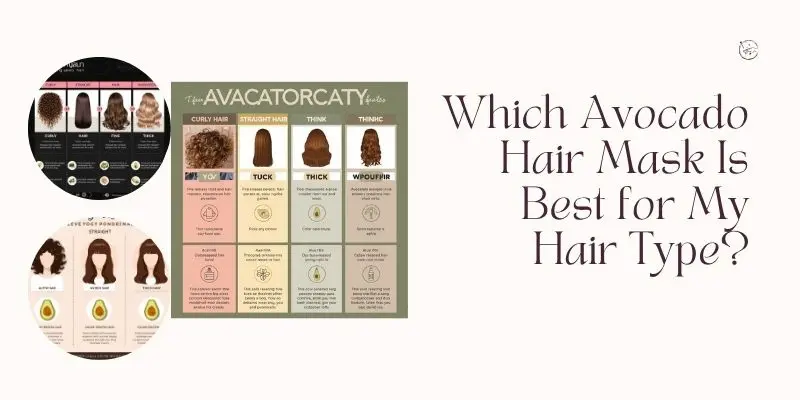
Curly Hair
Curly hair loses moisture fast. Natural scalp oils can’t travel down the spiral shape. The Avocado + Banana Frizz Control Mask and the Avocado + Honey Glow Mask work best here. Both lock in heavy moisture without crushing your curl pattern. Apply to soaking wet hair.
Curly hair often benefits from richer treatments, making both avocado recipes and a dedicated Hair Mask for Curly Hair excellent options
Straight Hair
Straight hair shows oil quickly. Keep it light. The Avocado + Aloe Vera Calm Mask or the Avocado + Yogurt Balance Mask are perfect. Apply from mid-lengths to ends. Skip the roots to avoid flatness.
Fine Hair
Fine hair needs moisture without heaviness. Use half an avocado mixed with yogurt or aloe vera. The Avocado + Yogurt Balance Mask is your best pick. Leave it on for 10–15 minutes. Rinse thoroughly with cool water.
Thick Hair
Thick, dense hair needs richer treatments. The Avocado + Olive Oil Repair Mask and the Avocado + Avocado Oil Intensive Mask work great. Use a full avocado and leave the mask on for the full 30 minutes.
Color-Treated Hair
Chemical processing strips natural oils and lifts the cuticle. The Avocado + Egg Yolk Strength Mask helps restore protein and improve hair elasticity. Skip lemon and vinegar masks; acids speed up color fading. Follow with a color-safe conditioner.
Hair Type Comparison
| Hair Type | Recommended Mask |
|---|---|
| Curly | Avocado + Honey |
| Straight | Plain Avocado |
| Fine | Avocado + Aloe Vera |
| Thick | Avocado + Coconut Oil |
| Color-Treated | Avocado + Yogurt |
How To Apply an Avocado Hair Mask Correctly
I’ve watched too many people skip steps and then blame the mask. Here’s my exact routine.
Step 1: Preparation
Use a fully ripe avocado and blend it until completely smooth.
Step 2: Application
Apply to damp hair from mid-length to ends.
Step 3: Processing Time
Leave the mask on for 20–30 minutes.
Step 4: Rinsing
Rinse thoroughly with lukewarm water and shampoo if needed.
Step 5: Frequency
Use once weekly for dry hair or every two weeks for normal hair.
Why Avocado Hair Masks Don’t Work for Some People
Let’s be real. Sometimes they fail. Here’s why.
Too Much Oil
Excess oil can leave hair feeling heavy.
Wrong Avocado Ripeness
Unripe avocado does not blend well and can be difficult to remove.
Protein Sensitivity
Some added ingredients, such as egg, may not suit everyone.
Product Buildup
Heavy styling products can block moisture from reaching the hair surface.
Incorrect Application
Applying too much product to roots may create greasiness.
Unrealistic Expectations
Avocado improves appearance but does not permanently repair damage.
Common Mistakes to Avoid
- Don’t leave avocado in your hair overnight. It dries, hardens, and becomes nearly impossible to rinse.
- Don’t mix in a metal bowl with citrus or vinegar. Metal can alter the mask’s pH.
- Don’t skip the rinse step. Leftover residue attracts dirt and irritates your scalp.
- Don’t use expired ingredients. If your avocado smells off, toss it.
- Don’t expect instant results. Track progress with photos over 4–6 weeks.
- Don’t skip a patch test. Even natural hair treatments can irritate sensitive skin.
If you’re considering leaving a treatment on while sleeping, read our guide on using an Overnight Hair Mask safely
Avocado Hair Mask vs Other Natural Hair Treatments
You don’t have to pick one. But knowing the differences helps.
| Treatment | Hydration | Repair | Cost |
|---|---|---|---|
| Avocado Mask | High | Medium | Low |
| Coconut Oil | Medium | Medium | Low |
| Store-Bought Mask | High | High | Medium |
Pros and Cons
Avocado Mask
- Affordable
- Natural ingredients
- Excellent hydration
Coconut Oil
- Simple and widely available
- Works well for some hair types
Store-Bought Masks
Usually provides more consistent results
Often contain targeted conditioning ingredients
If you’re unsure whether a mask is necessary, our Hair Mask vs. Conditioner guide explains the differences
Before and After Expectations
After one use, many people notice:
- Softer hair
- Improved shine
- Better manageability
- Less frizz

After several weeks, you may see:
- Improved moisture retention
- Reduced appearance of dryness
- Easier styling
Results vary based on hair type, hair care habits, and existing damage levels.
Compared to an avocado mask, a Keratin Hair Mask is typically designed to focus more on temporary strengthening and smoothing
Expert Hair Care Tips
Use a wide-tooth comb on wet hair. Limit heat styling when possible. Protect hair from excessive sun exposure. Trim split ends regularly. Use sulfate-free shampoos if your hair feels overly dry. Pair avocado masks with a consistent hair care routine.
Conclusion
Avocado Hair Masks remain one of the most popular natural hair treatments for a reason. They are affordable, easy to make, and can improve hair hydration, softness, and frizz control. While they won’t permanently repair damaged hair or guarantee hair growth, they can be a helpful addition to a healthy hair care routine.
The best results come from choosing the right avocado hair mask recipe for your hair type, applying it correctly, and maintaining realistic expectations. When used consistently, avocado for hair can be a simple way to support smoother, healthier-looking strands.
Related Hair Mask Guides
Recommended Related Articles Box
You May Also Like:
• DIY Hair Masks
• Honey Hair Mask
• Banana Hair Mask
• Aloe Vera Gel Hair Masks
• Hydrating Hair Mask
• Deep Conditioning Hair Mask
• Hair Mask for Curly Hair
• Hair Mask for Frizzy Hair
• Hair Mask for Split Ends
• Dry Hair Masks
• Protein Hair Mask
• Shea Butter Hair Mask
• Keratin Hair Mask
• Overnight Hair Mask
• Hair Mask vs. Conditioner
How This Article Was Created
This article was created using cosmetic science principles, ingredient research, dermatology guidance, and established hair care best practices. Information was reviewed against reputable beauty and dermatology resources regarding moisturizing ingredients, hair fiber structure, and scalp care.
Because research specifically on avocado hair masks is limited, the article distinguishes between evidence-supported information and traditional beauty practices. Individual results vary based on hair type, hair condition, styling habits, and overall hair care routines. DIY avocado treatments should be viewed as supportive cosmetic treatments rather than medical therapies.
FAQs About Avocado Hair Masks
Avocado Hair Masks can be a great option if you prefer natural hair treatments and simple ingredients. They help improve hair hydration, softness, and frizz control without using many additives. Store-bought masks often contain specialized conditioning ingredients that may provide more consistent results. The best choice depends on your hair type, hair goals, and personal preference. Many people alternate between both options for balanced hair care.
Avocado Hair Masks cannot permanently repair split ends once they form. However, they can improve moisture retention and make split ends look less noticeable. The healthy fats and avocado oil help smooth the hair cuticle and reduce dryness. This may decrease future hair breakage when combined with regular trims. For the best results, use avocado masks as part of a complete hair care routine.
Some of the most popular ingredients include honey, aloe vera, coconut oil, olive oil, banana, yogurt, and egg yolk. Each ingredient targets a different hair concern. Honey supports moisture retention, while aloe vera helps with scalp nourishment. Coconut oil may improve softness, and banana can enhance smoothness. Choosing the right combination depends on your hair type and condition.
Yes, many people use Avocado Hair Masks on color-treated hair because they provide gentle hydration. Coloring treatments often leave hair feeling dry and rough. Avocado, honey, and yogurt can help improve softness and manageability without harsh chemicals. While these masks will not repair chemical damage, they may improve the appearance of dry and stressed hair. Always rinse thoroughly after application.
Many people notice softer and shinier hair after the first use. Improvements in hair hydration and frizz control often appear quickly. Longer-term benefits usually depend on regular use and a healthy hair care routine. Results can vary based on hair texture, damage level, and environmental factors. Consistency is more important than applying the mask too frequently.



- Be Respectful
- Stay Relevant
- Stay Positive
- True Feedback
- Encourage Discussion
- Avoid Spamming
- No Fake News
- Don't Copy-Paste
- No Personal Attacks
- Be Respectful
- Stay Relevant
- Stay Positive
- True Feedback
- Encourage Discussion
- Avoid Spamming
- No Fake News
- Don't Copy-Paste
- No Personal Attacks
