Hair Mask vs. Conditioner: Which One Actually Works for Your Hair?
Published: 11 Nov 2024
If you’ve ever stood in the hair care aisle wondering whether you need a hair mask vs. conditioner, you’re not alone. I get this question constantly. Both products promise softer, shinier, healthier hair, so why do you need both? And more importantly, which one should you actually buy?
I spent years testing every combination, reading cosmetic chemistry research, and speaking with dermatologists to understand what really happens when these hair products touch your hair. What I found surprised me, and it’s probably not what the marketing on the bottle tells you.
Let me break down the real difference between hair mask and conditioner so you can stop guessing and start seeing results.
What Is a Hair Conditioner?
A conditioner is your daily maintenance product. Think of it as your hair’s moisturizer. After shampoo strips away oil and buildup, conditioner steps in to smooth the hair cuticle, reduce static, and make detangling effortless. Following a hair detangling guide can help you make the most of this process.
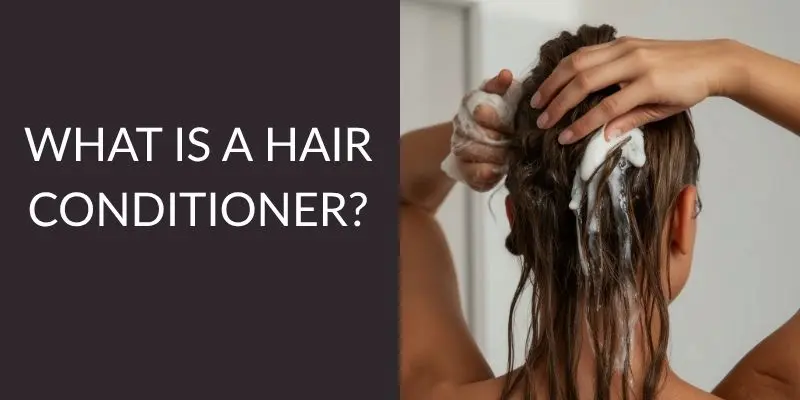
Most conditioners sit on the surface of your hair shaft. They contain emollients, humectants, and light silicones that coat each strand to seal in moisture and prevent frizz. You apply it after every wash, leave it for one to three minutes, and rinse. That’s it. Simple, lightweight, effective.
Key ingredients you’ll find in most conditioners:
- Fatty alcohols (cetyl, stearyl) for slip and softness
- Silicones (dimethicone, cyclomethicone) for shine and frizz control
- Humectants (glycerin, panthenol) for moisture retention
- Light proteins for temporary strength
Conditioners work best on the mid-lengths and ends. Your roots produce natural sebum, so they rarely need the extra coating.
What Is a Hair Mask?
A deep conditioning hair mask goes deeper, literally. Unlike a conditioner that coats the surface, a deep conditioning treatment penetrates the hair cortex to repair internal damage, restore protein bonds, and deliver concentrated nutrition.
Masks contain higher concentrations of active ingredients, such as proteins, ceramides, natural oils, and butters. They work at a molecular level to rebuild damaged hair structures, not just smooth the outside. You use them once or twice a week, leave them on for five to twenty minutes, and sometimes apply gentle heat to boost absorption.
Key ingredients in quality hair masks:
- Keratin and hydrolyzed proteins for bond repair
- Ceramides to rebuild the hair’s lipid barrier
- Natural oils (argan oil for hair, coconut oil for hair, jojoba oil for hair) for deep nourishment
- Amino acids and silk proteins for structural reinforcement
- Butters (shea, cocoa) for intense moisture sealing
If conditioner is a daily moisturizer, a hair mask is a weekly intensive treatment.
Hair Mask vs. Conditioner: The Real Differences
Let me lay out the difference between hair mask and conditioner in plain terms so you can see exactly where each product fits in your routine.
| Feature | Conditioner | Hair Mask |
|---|---|---|
| Purpose | Daily maintenance & detangling | Deep repair & intensive nourishment |
| Texture | Lightweight, creamy | Rich, thick, concentrated |
| Where it works | Hair surface (cuticle) | Deep into hair shaft (cortex) |
| How often | After every wash | 1–2 times per week |
| Time needed | 1–3 minutes | 5–20 minutes |
| Results | Instant softness, easier combing | Cumulative strength, long-term hydration |
| Best for | All hair types, daily care | Damaged, dry, color-treated, chemically processed hair |
How Each Product Actually Works
When you shampoo, your hair cuticle opens, and natural oils wash away. Conditioner closes that cuticle back down and creates a protective layer. It reduces friction between strands, which means less breakage when you brush.
A hair mask goes further. The smaller molecules in mask ingredients like hydrolyzed proteins and amino acids actually enter the hair shaft. A protein hair mask can help fill gaps in damaged cuticles, rebuild weakened bonds, and restore elasticity from the inside out. This is why you see real change after a few weeks of consistent masking, not just a temporary feel-good moment.
Penetration Depth Matters
Think of your hair like a strand of rope. The outer layer (cuticle) protects the inner core (cortex). Conditioner smooths the outer layer. Hair masks reach the core.
If your hair feels rough, snaps easily, or looks dull despite regular conditioning, your cortex is likely damaged, and no surface-level product will fix that. You need a mask.
Which One Should You Use? Here’s My Decision Guide
I hear this question all the time: “Should I pick a hair mask or conditioner?” The honest answer? You probably need both. But here’s how to choose based on your specific situation.
Choose a Conditioner If:
- You wash your hair 2–3 times a week and need daily maintenance
- Your hair tangles easily after washing
- You want lightweight hydration without heaviness
- Your hair is healthy, but it needs routine protection
- You use heat styling tools regularly and need a protective barrier
Choose a Hair Mask If:
- Your hair feels dry, brittle, or straw-like
- You color, bleach, or chemically treat your hair
- You notice split ends and breakage increasing
- Your curls lose definition, and frizz takes over
- You want long-term repair, not just a quick, smooth
You Need Both If:
- You have chemically treated hair (color, keratin, perms)
- You live in a harsh climate (extreme cold, dry heat, high UV)
- You want damage repair and frizz control at the same time
- Your scalp feels compromised, dry, itchy, or flaky. In that case, exploring Dry Scalp Treatments at Home may help address the underlying discomfort.
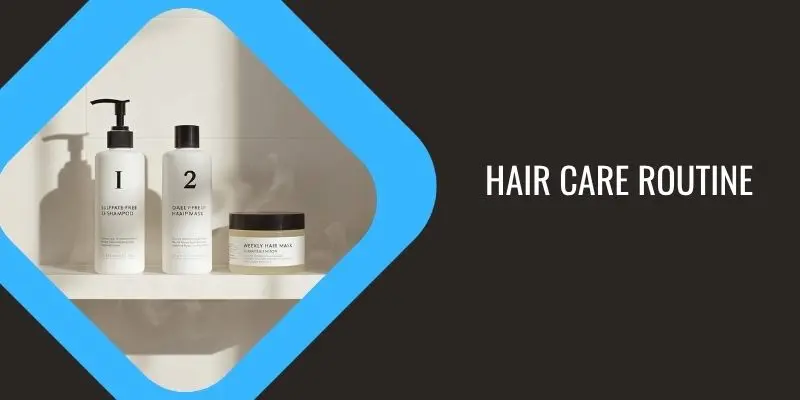
How to Build the Right Hair Care Routine
Your routine matters as much as the products you choose. Here’s the exact sequence I recommend based on hair type.
Routine for Fine or Straight Hair
- Shampoo (sulfate-free)
- Lightweight conditioner on mid-lengths only
- Hair mask once a week (avoid roots to prevent flatness)
- Leave-in conditioner spray for extra moisture retention
Routine for Curly or Wavy Hair
- Co-wash or gentle shampoo
- Rich conditioner (apply generously)
- Hair mask every 5–7 days with a heat wrap
- Curl cream or leave-in conditioner to seal
Routine for Color-Treated Hair
- Color-safe shampoo
- Color protection conditioner
- Bond-repair hair mask weekly (look for keratin and amino acids)
- UV-protectant serum before sun exposure
Routine for Damaged or Brittle Hair
- Repair-focused shampoo
- Protein-rich deep conditioning treatment
- Intensive hair mask 2x per week
- Hair oil on ends post-dry for split ends prevention, especially when paired with a Hair Mask for Split Ends as part of your regular hair care routine.
Can You Use Hair Mask and Conditioner Together?
Yes, but not in the way most people think.
Here’s the rule I follow: never apply conditioner before a mask. Conditioner creates a coating that blocks mask ingredients from penetrating. Instead, shampoo first, then apply your hair mask. Rinse thoroughly. If your hair still feels like it needs extra sealing, follow with a lightweight conditioner or leave-in conditioner.
For a monthly intensive treatment, try this: shampoo → mask (15 minutes with a warm towel) → rinse → light conditioner → style. I call this the “double treatment” approach, and it transforms severely damaged hair.
5 Common Myths About Hair Masks and Conditioners
Let me clear up the confusion I see everywhere.
Myth 1: “A hair mask can replace conditioner.”
False. Masks are intensive treatments. Using one daily overloads your hair with moisture, causing buildup, greasiness, and limpness. Conditioner provides the daily maintenance that masks can’t replace.
Myth 2: “Leave your mask on overnight for better results.”
Dangerous territory. Most masks aren’t formulated for extended contact. Overnight application can cause scalp irritation, product buildup, and even fungal issues. Stick to the labeled time — usually 5 to 20 minutes.
Myth 3: “Fine hair shouldn’t use hair masks.”
Absolutely wrong. Fine hair breaks easily and needs protein support. The key is choosing a lightweight mask and avoiding the roots. Your ends still need damage repair.
Myth 4: “All conditioners are basically the same.”
They’re not. A silicone-free conditioner behaves completely differently from one packed with dimethicone. One absorbs, one coats. Read your labels.
Myth 5: “More product equals better results.”
I’ve seen this destroy hair more than any mistake. A quarter-sized amount of conditioner and a walnut-sized scoop of mask are plenty. Over-application causes buildup, dullness, and scalp clogging.
When to Skip Google and See a Professional
I want to be honest with you. Some hair problems aren’t solved with any hair mask vs conditioner debate. If you notice these signs, stop experimenting and book a dermatologist or trichologist appointment:
- Sudden, unexplained hair shedding (more than 100 strands daily)
- Scalp redness, burning, or painful bumps
- Hair breakage at the root level, not just the ends
- Thinning patches or visible scalp showing through
- Itching that doesn’t respond to gentle, sulfate-free products
These symptoms often point to underlying conditions, such as hormonal imbalances, nutritional deficiencies, scalp infections, or autoimmune issues. No amount of keratin hair mask, argan oil for hair, or ceramides will fix what’s happening beneath the surface. A professional diagnosis saves you months of wasted product purchases.
What to Expect: Your Recovery Timeline
If you’ve been using the wrong products, here’s what happens when you switch to the right hair mask vs conditioner routine:
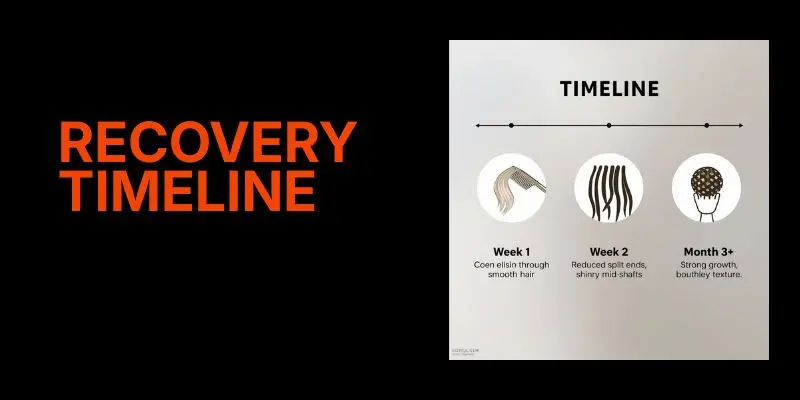
- Week 1: Hair feels softer, detangling improves, frizz reduces slightly
- Week 2–3: Split ends become less visible, shine increases, breakage drops
- Week 4–6: Significant improvement in elasticity, color holds longer, scalp feels balanced
- Month 3+: Cumulative repair visible, hair grows stronger, styling takes less product
Consistency matters. One mask won’t transform damaged hair. A committed routine will.
I Want to Hear Your Story
Have you struggled to figure out the right hair mask or conditioner for your hair type? Do you have a routine that actually works? Drop your experience in the comments below. I read every single one, and your story might help someone else stop making the same mistake I made for years.
Final Thoughts: Stop Guessing and Start Listening
The truth is, the hair mask vs. conditioner debate has never been about choosing one over the other. Healthy hair comes from knowing what your strands need and giving them the right support at the right time.
A conditioner keeps your hair smooth, manageable, and protected day after day. A hair mask works deeper, helping repair damage, restore moisture, and strengthen weakened strands from within. The real magic happens when you use each product for its purpose.
If your hair feels flat, greasy, or weighed down, you may be overdoing treatments. If it feels dry, rough, or breaks easily, it’s probably asking for more nourishment, hydration, or a protein boost. Your hair gives you clues every day—you just need to pay attention.
Forget the viral hacks and one-size-fits-all advice. Start with your hair type, understand your porosity, and build a routine that works for your unique needs. Small changes made consistently will deliver better results than any miracle product ever could.
The best hair care routine isn’t the one trending on social media. It’s the one that leaves your hair softer, stronger, healthier, and easier to manage every time you look in the mirror. Start listening to your hair today, and you’ll be surprised by how quickly it responds.
How This Article Was Created
This guide is based on my research into cosmetic science, dermatological guidelines from sources like the American Academy of Dermatology (AAD) and the British Association of Dermatologists, and peer-reviewed studies on hair structure and treatment efficacy. I cross-referenced ingredient lists from leading brands, consulted published research on hair porosity, bond repair, and cuticle biology, and tested products across multiple hair types over months of personal and client observation.
FAQs
You should never use a heavy mask daily. Masks contain intense proteins and rich oils. Using them too often causes moisture overload. Your strands will feel greasy, limp, and weak. Instead, limit masks to one or two treatments per week. Reserve your daily routine for a lightweight conditioner.
A deep conditioning treatment usually works for damaged hair. Masks penetrate the hair shaft much deeper than standard formulas. They repair broken bonds inside the strand structure. Regular conditioners only smooth the outer surface layer. You need that internal strength to fix heat damage. Use a protein treatment mask weekly for visible results.
You must avoid putting conditioner on your scalp. Your roots produce natural oils every single day. Adding heavy product creates unwanted buildup quickly. This buildup clogs pores and stops healthy growth. Focus all applications strictly on the ends. Your roots only need a gentle, clarifying shampoo.
You can skip conditioner only during mask days. Masks provide the heavy moisture your hair craves. However, you still need conditioner on normal wash days. Skipping daily conditioner leaves your cuticle exposed. This exposure leads to tangles and major frizz control issues. Always check the label for the best order.
Check your hair porosity before buying anything. Low porosity hair needs light, liquid formulas. High porosity hair craves thick, creamy masks. You should also look for specific active ingredients. Pick keratin for strength and ceramides for dryness. This simple test saves you time and wasted money.



- Be Respectful
- Stay Relevant
- Stay Positive
- True Feedback
- Encourage Discussion
- Avoid Spamming
- No Fake News
- Don't Copy-Paste
- No Personal Attacks
- Be Respectful
- Stay Relevant
- Stay Positive
- True Feedback
- Encourage Discussion
- Avoid Spamming
- No Fake News
- Don't Copy-Paste
- No Personal Attacks
