Common Symptoms of Head Lice: 7 Signs to Check
Published: 29 Jul 2026
Common symptoms of head lice are often easy to miss at first. You may notice your child scratching, see specks in the hair, or feel movement near your own scalp. I understand how worrying and frustrating that can feel.
Head lice are treatable and are not a sign of dirty hair or poor hygiene. They usually spread through direct head-to-head contact. If you’re wondering what causes head lice, understanding how infestations begin can help you reduce the risk of spreading them. In this guide, I’ll explain the common symptoms of head lice, where to look, how to check the hair safely, and when to get medical help.
What Are the Common Symptoms of Head Lice?
The most common symptom is an itchy scalp. Other possible signs include a crawling or tickling feeling, frequent scratching, poor sleep, irritability, and small sores or scabs. You may also find live lice or nits attached to individual hairs.
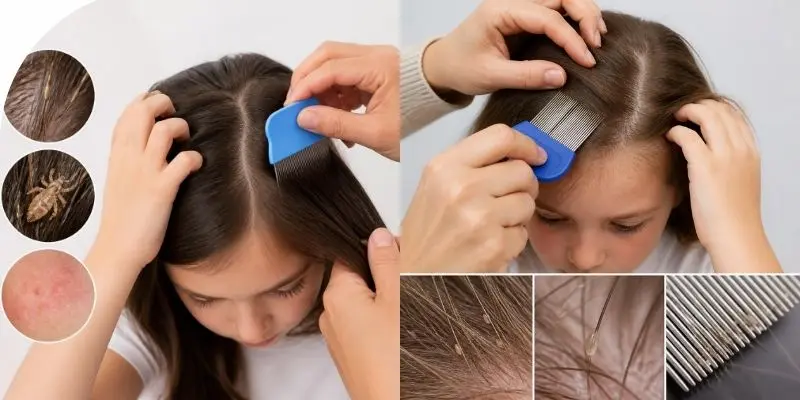
However, itching alone does not confirm head lice. Dandruff, eczema, dry skin, and hair-product buildup can also make the scalp itch. Some people have no symptoms during an early or light infestation. During a first infestation, itching may take four to six weeks before it develops. Learn more about head lice, including how they live, spread, and affect the scalp, in our complete guide. Finding a live crawling louse gives the clearest evidence of an active infestation.
1. Persistent Scalp Itching
Scalp itching is the symptom people notice most often. Your skin may react to louse bites, which can lead to ongoing discomfort.
The whole scalp may itch. However, many people notice more discomfort behind the ears or near the back of the neck.
An itchy scalp has several possible causes, so I recommend checking the hair before using lice treatment. Treating the wrong condition may irritate the scalp without solving the real problem.
2. A Crawling or Tickling Feeling
Some people feel a light tickle or sense of movement in their hair. The feeling may come and go.
Children may find this symptom hard to explain. A child might touch their hair often, rub the scalp, or ask you to check their head.
A crawling feeling can suggest head lice, but it does not prove that lice are present. Loose hair, skin irritation, or worry may cause a similar sensation. Look for live lice before concluding.
3. Live Lice Moving Near the Scalp
Finding a live louse gives the strongest evidence of active head lice.
Adult lice are tiny, fast-moving insects. They may appear tan, gray, or brown and can be about the size of a sesame seed. They avoid light and move quickly, so they can be difficult to see.
Use bright light and divide the hair into small sections. Check close to the scalp, especially behind the ears and along the neckline. A fine-toothed lice comb can make live lice easier to find.
4. Nits Firmly Attached to the Hair
Nits are the eggs of head lice. They appear as tiny oval specks and may be yellow, tan, brown, or pale.
Unlike dandruff, a nit sticks firmly to a single hair and does not brush or shake away easily. Dandruff, lint, dirt, and dried hair products are usually easier to remove.
Nits close to the scalp may be from a recent infestation, while empty or dead egg casings may remain farther down the hair after treatment. Finding nits alone does not always mean an active head lice infestation is still present.
5. Red Bumps, Sores, or Scabs
Repeated scratching can damage the skin. You may notice small bumps, scratch marks, scabs, or tender areas on the scalp, behind the ears, or near the upper neck.
Redness may be harder to see on Black or brown skin. Look for swelling, tenderness, warmth, broken skin, or a change from the person’s usual skin color.
Most mild scratch marks improve after the lice are removed. However, broken skin can develop a bacterial infection. Watch for increasing pain, swelling, pus, sores that do not heal, or fever.
6. Irritability or Trouble Focusing
Itching and scalp discomfort can make a child restless, moody, or less focused. Young children may show behavior changes before they can explain what feels wrong.
Irritability alone does not mean a child has lice. Many things can affect mood and focus.
The symptom becomes more meaningful when it appears with repeated scratching, poor sleep, firmly attached nits, or live lice.
7. Trouble Sleeping
Some people notice itching or movement more at night when they have fewer distractions. The discomfort may lead to repeated scratching and poor sleep.
A child who does not sleep well may feel tired, irritable, or unfocused the next day.
The scalp can also stay itchy for a short time after successful treatment while the irritated skin heals. Ongoing itching alone does not prove that live lice remain.
Where Do Head Lice Symptoms Usually Appear?
Focus your inspection on these areas:
Behind both ears
Along the front hairline
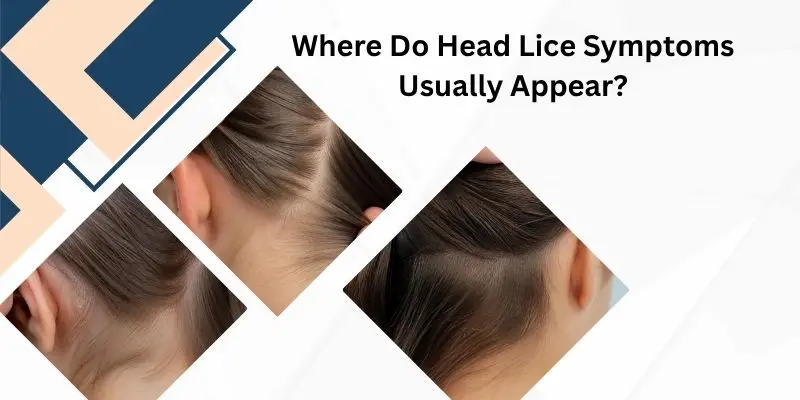
At the nape of the neck
Close to the scalp
Around irritated areas caused by scratching
Lice and nits are often easier to find behind the ears and near the hairline at the back of the neck.
Straight, wavy, curly, and coily hair can all get head lice. Hair length and texture do not prevent an infestation. Thick, long, or tightly curled hair may simply take more time to inspect. Work gently in small sections to avoid pulling or breaking the hair.
How Head Lice Symptoms Progress
Head lice symptoms do not always appear all at once. Some people notice only mild itching at first, while others develop more noticeable symptoms as the infestation continues. Understanding how symptoms can progress helps you recognize when it’s time to check for lice or seek medical advice.
Early Symptoms
During the early stages of a head lice infestation, symptoms may be mild or even absent. Some people experience occasional itching, a light tickling or crawling sensation, or notice a few nits attached to the hair. During a first infestation, symptoms may take four to six weeks to appear because the body needs time to react to louse bites.
So the absence of symptoms does not rule out head lice.
Moderate Symptoms
As the infestation continues, symptoms often become more noticeable. Frequent scratching may cause scalp tenderness, small red bumps, scabs, and difficulty sleeping. Some children may also become irritable or have trouble concentrating because of ongoing discomfort. Even after successful treatment, the scalp may remain sensitive for a short time while it heals.
Severe Symptoms
Severe symptoms are uncommon but can occur if repeated scratching damages the skin. Increasing pain, swelling, pus-filled sores, wounds that do not heal, or fever may indicate a bacterial skin infection. Stop trying home remedies and seek medical advice promptly if these warning signs develop.
How to Check for Head Lice at Home
If you think someone has head lice, a careful scalp inspection is the best way to confirm an active infestation. Good lighting and a fine-toothed lice detection comb make it much easier to find live lice and nits.
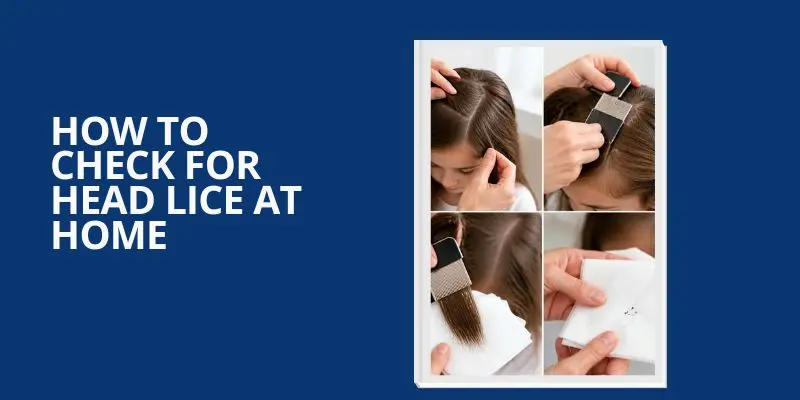
Follow these steps:
- Seat the person under bright natural light or a strong lamp.
- Wet the hair and apply conditioner if you plan to use the wet-combing method.
- Divide the hair into small, manageable sections.
- Begin checking behind the ears and at the nape of the neck, where lice are most commonly found.
- Place a fine-toothed lice detection comb as close to the scalp as possible.
- Comb slowly from the roots to the ends of each section.
- Wipe the comb on a white tissue after every pass to check for live lice or nits.
- Continue combing until you have inspected the entire scalp.
- If you find live lice, check other household members and close contacts as well.
Wet combing can help detect and remove head lice. NHS guidance recommends using a fine-toothed detection comb and combing the entire head from the roots to the ends.
A careful comb check provides much more reliable evidence than symptoms alone. If you confirm an active infestation, the next step is choosing an effective treatment. Learn how to remove lice permanently at home using safe treatment methods and proper follow-up care.
Common Mistakes to Avoid
Do not use lice medicine only because the scalp itches. First, confirm live lice or ask a pharmacist, school nurse, doctor, or dermatologist for help.
Do not combine different treatments or use more product than the label recommends. Using extra medicine can harm or irritate the scalp.
Never apply gasoline, kerosene, insect spray, fumigant spray, or another dangerous household chemical to the hair. Do not use medicated products to prevent lice when no active infestation exists.
Most importantly, do not shame the affected person. Head lice can affect any family.
Common Misconceptions About Head Lice
Head lice are surrounded by many myths, which can make it harder to recognise an infestation or choose the right treatment. Understanding the facts can help you respond with confidence and avoid common mistakes.
Myth: Head Lice Only Affect Dirty Hair
Fact: Head lice do not care whether hair is clean or dirty. Anyone can get them through close head-to-head contact with an infested person.
Myth: Head Lice Can Jump or Fly
Fact: Head lice cannot jump or fly. They crawl from one person’s hair to another, mainly through direct head-to-head contact. If you’re unsure about the ways they spread,
Myth: Every White Speck Is a Nit
Fact: Dandruff, lint, hair casts, dried hair products, and scabs can all look similar to nits. A nit is firmly attached to a single hair and does not brush away easily.
Myth: Finding Nits Always Means You Have Active Head Lice
Fact: Not always. Empty or dead nit casings may remain attached to the hair long after the active infestation has been treated.
Myth: Itching Starts as Soon as You Get Head Lice
Fact: During a first infestation, itching may take four to six weeks to develop, so some people have no symptoms at first.
When Should You See a Doctor for Head Lice?
Most cases of head lice can be managed at home, but some symptoms require medical attention. Contact a healthcare professional if you notice any of the following:
- Pus-filled or non-healing sores
- Severe or increasing scalp pain
- Marked redness or swelling
- Fever
- Open or badly damaged skin
These symptoms may indicate a bacterial skin infection caused by repeated scratching and should not be ignored.
You should also seek medical advice if you cannot identify whether the white specks are nits, your symptoms continue even though you cannot find live lice, or treatment repeatedly fails.
A doctor or dermatologist can confirm whether you have head lice and rule out other scalp conditions, such as dandruff, eczema, psoriasis, scalp ringworm, allergic reactions, or other causes of itching.
Recovery Timeline: What Should You Expect?
The recovery timeline depends on the treatment or combing method you use. Some medicines kill live lice but not every egg, so the product may require another application about a week later. Other products may not require repeat treatment. Always follow the product label or your healthcare professional’s directions.
Nits may remain attached after successful treatment, and the scalp may continue itching while bites and scratch marks heal. Use regular comb checks to look for live crawling lice rather than relying on itching alone.
Without proper treatment, head lice can continue spreading to close contacts, and frequent scratching may increase the risk of skin infections. Understanding how lice spread can also help you prevent the infestation from returning and reduce the risk of passing lice to other family members or classmates.
Submit Your Head Lice Story
Have you dealt with head lice in your family?
Share what you noticed first, how you confirmed the infestation, and what helped. Your experience may help another parent or reader feel less alone.
Do not include names or private medical details. Personal stories can offer support, but they cannot replace professional medical advice.
Frequently Asked Questions
Yes, you can have head lice without an itchy scalp. This often happens during an early or light infestation. During a first infestation, itching may take four to six weeks to appear. Symptoms alone cannot confirm or rule out lice. Use a fine-toothed comb to look for live lice, and seek professional help if you remain unsure.
Many people first notice scalp itching or repeated scratching. Others feel movement in the hair or see firmly attached nits before itching begins. These signs can have other causes, so inspect the scalp carefully. Finding a live crawling louse gives the clearest confirmation. Avoid treatment until you have identified an active infestation.
Nits stick firmly to individual hairs and resist brushing or shaking. Dandruff sits more loosely and usually flakes away. Nits often have a small oval shape, while dandruff flakes have uneven shapes. Check under bright light, especially behind the ears and near the neckline. Ask a healthcare professional for help if you cannot tell the difference.
The whole scalp can itch, but many people notice discomfort behind the ears or at the nape of the neck. Scratching may also irritate the hairline and upper neck. The location can guide your inspection, but it cannot confirm the presence of lice on its own. Use a detection comb to search for moving lice. Consider other scalp conditions when you cannot find them.
Seek medical care if the scalp becomes very painful, swollen, or filled with pus. Fever, non-healing sores, or spreading irritation also need medical attention. Contact a professional when treatment fails, or the diagnosis remains unclear. A clinician can rule out other scalp conditions and recommend a suitable treatment. Do not keep applying different products without professional advice.
Head lice rarely disappear on their own because they continue laying eggs while living on the scalp. Without treatment or careful wet combing, the infestation usually continues and may spread to close contacts. Prompt treatment helps remove lice sooner and reduces the risk of reinfestation.
Conclusion
Common symptoms of head lice include scalp itching, a crawling sensation, visible lice or nits, scratch marks, irritability, and poor sleep. However, symptoms alone cannot confirm an active infestation.
I understand how stressful this problem can feel, but you are not alone. Stay calm, inspect the hair carefully, and look for live lice before starting treatment. Seek medical help if warning signs appear or the diagnosis remains unclear.
Recognising the signs early and choosing the right treatment can help eliminate the infestation and reduce the risk of it returning. Continue checking the hair regularly to make sure all live lice have been removed and to help prevent reinfestation.
When Was This Article Last Reviewed?
This article was medically reviewed for accuracy using current guidance from trusted health organisations, including the CDC, American Academy of Dermatology (AAD), NHS, Mayo Clinic, and Cleveland Clinic. It is updated regularly to reflect current recommendations for identifying and managing head lice.
How This Article Was Created
This article was researched using current guidance from the Centers for Disease Control and Prevention, American Academy of Dermatology, NHS, Mayo Clinic, and Cleveland Clinic.
The content uses clear language, people-first SEO principles, and medically responsible explanations. No unsupported statistics, invented survey results, or unverified treatment claims were added.
This article provides general educational information. It does not replace personal advice, diagnosis, or treatment from a doctor, dermatologist, pharmacist, school nurse, or another qualified healthcare professional.





- Be Respectful
- Stay Relevant
- Stay Positive
- True Feedback
- Encourage Discussion
- Avoid Spamming
- No Fake News
- Don't Copy-Paste
- No Personal Attacks
- Be Respectful
- Stay Relevant
- Stay Positive
- True Feedback
- Encourage Discussion
- Avoid Spamming
- No Fake News
- Don't Copy-Paste
- No Personal Attacks
