Can Head Lice Be Prevented? Learn 9 Proven Ways to Lower the Risk
Published: 31 Jul 2026
Can head lice be prevented? No. However, you can significantly reduce the risk by limiting direct hair-to-hair contact, avoiding shared personal hair items, checking the scalp after close exposure, and treating confirmed infestations promptly. Health authorities do not recommend using preventive lice medications or household pesticide sprays because they have not been shown to reduce the risk of infestation and may cause unnecessary side effects.
If your child’s school reports a head lice case, it’s natural to feel concerned. Many parents immediately think about washing every item in the house, buying preventive sprays, or keeping their child away from friends. In most situations, these extra measures are unnecessary and provide little additional protection.
Understanding head lice before choosing a prevention strategy can help you separate facts from common myths. Knowing how lice live, spread, and survive allows you to focus on prevention methods supported by medical evidence rather than misconceptions.
Quick Answer: No prevention method can guarantee that someone will never get head lice. The best way to lower the risk is to reduce direct hair-to-hair contact, check the scalp after known exposure, and begin treatment only when live lice are confirmed.
Can Head Lice Be Prevented Completely?
No. There is currently no scientifically proven way to prevent every head lice infestation. Children naturally bring their heads close together while playing, reading, hugging, taking photos, using shared devices, and participating in group activities.
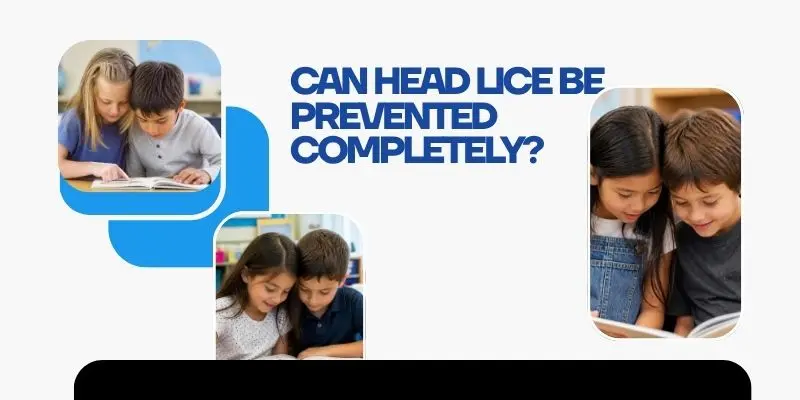
Direct hair-to-hair contact is the most common way head lice spread.
Head lice spread primarily through direct head-to-head or hair-to-hair contact. Although they can occasionally transfer through recently used brushes, hats, pillows, or other personal items, this is much less common. Learning how lice spread helps families focus on the situations that present the greatest risk instead of worrying about unlikely sources of transmission.
Rather than trying to disinfect your entire home or isolate children, focus on practical prevention habits that reduce close hair contact and help you detect lice early if exposure occurs.
Prevention Table (Final Version)
Prevention Action
Priority
Why It Matters
Limit direct hair-to-hair contact during an active case
Highest
Hair-to-hair contact is the primary way head lice spread.
Check close contacts after confirmed exposure
High
Early detection may help reduce further spread.
Keep brushes and hair accessories separate
Helpful
Sharing personal hair items may occasionally spread lice.
Avoid recently shared pillows and towels
Reasonable during an active case
The risk is lower than direct hair-to-hair contact.
Use medicated shampoo “just in case”
Not recommended
It does not prevent head lice and may irritate the scalp.
Spray or fumigate the home
Not recommended
These measures are unnecessary and may expose your family to harmful chemicals.
Treat dogs or cats
Not needed
Pets do not carry or spread human head lice.
9 Practical Ways to Reduce the Risk of Head Lice
Although no method can completely prevent head lice, following a few simple habits can significantly reduce the risk of an infestation. These practical tips focus on limiting close hair contact, spotting lice early, and avoiding common prevention mistakes.
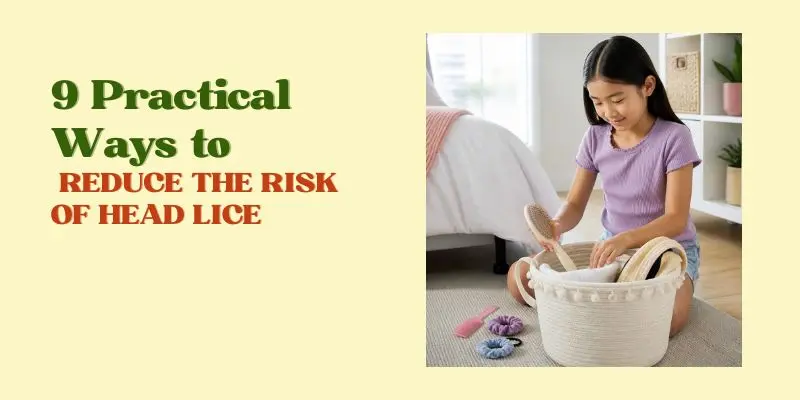
Simple everyday habits may help reduce the risk of head lice.
Together, they can help protect your family while reducing unnecessary treatments and cleaning.
1. Limit Direct Hair-to-Hair Contact
Direct hair-to-hair contact is the main way head lice spread. A live louse crawls from one person’s hair to another during close contact.
Children often bring their heads together while:
Playing closely
Sharing a phone or tablet
Looking at a book
Taking selfies or group photos
Hugging
Playing contact sports
Sleeping close together
You do not need to stop normal play. However, if someone has a confirmed case of lice, encourage children to avoid direct hair contact until treatment has started.
2. Keep Brushes and Combs Separate
Avoid sharing combs, brushes, or other hair-styling tools with someone who has active head lice. Although a louse may occasionally remain on an item that has recently touched infested hair, this is much less common than direct hair-to-hair spread.
Give each family member a personal brush or comb, and keep these items separate during an active infestation.
Although this precaution may help, direct hair-to-hair contact remains the primary way head lice spread.
3. Do Not Share Hair Accessories
Keep headbands, ribbons, hair clips, scrunchies, scarves, and hats for personal use, especially during a known outbreak or when someone in the household has head lice.
Hair accessories that have recently been used by someone with active lice may carry a small risk of transmission. However, lice usually remain on the scalp rather than leaving the hair.
Clean or temporarily set aside recently used hair accessories according to local health guidance. There is no need to throw them away.
4. Take Sensible Precautions at Sleepovers
Sleepovers often involve close hair contact and shared personal items, increasing the chance of lice spreading.
Encourage children to bring and use their own:
Pillow
Towel
Hairbrush
Comb
Hair accessories
There is no need to cancel every sleepover. If a child has active head lice, wait until appropriate treatment has started before allowing close sleeping contact.
5. Keep Using Required Safety Helmets
Children should always wear helmets for cycling, sports, and other activities that require head protection. Preventing serious injuries is far more important than worrying about head lice.
When possible, avoid sharing helmets. If shared equipment must be used, clean it according to the manufacturer’s instructions.
6. Check the Hair After Close Exposure
A school notice or close contact with someone who has lice does not automatically mean your child has an infestation. First, consider whether direct hair-to-hair contact may have occurred.
Check the scalp under bright light using a fine-toothed lice comb, paying close attention to:
Behind the ears
Along the neckline
The back of the head
Close to the scalp
Finding a live crawling louse is the clearest sign of an active infestation. Nits alone may be empty egg cases or even dandruff.
If you’re unsure what you’re seeing, read our guide on what lice eggs (nits) look like to learn how to tell them apart from dandruff and other scalp debris.
7. Check Close Household Contacts
When one person has confirmed head lice, check everyone who shares a bed or regularly has close hair-to-hair contact with them.
Parents, siblings, and caregivers may also be at higher risk because of hugging, helping with hair care, or sharing sleeping spaces.
Treat only people with confirmed live lice or nits close to the scalp, following current public health guidance.
8. Treat Confirmed Lice Promptly
Treating head lice promptly can help reduce the risk of spreading them to other people.
Always follow the treatment instructions carefully. Some products require a second application because they kill live lice but not every egg, while others may be effective with a single treatment.
Do not combine different lice treatments or continue using a product that has already failed without advice from a healthcare professional.
Once live lice have been confirmed, follow our complete guide on how to remove lice permanently at home for step-by-step treatment, combing, and follow-up care.
9. Use Focused Cleaning After a Confirmed Case
You do not need to disinfect your entire home after someone is diagnosed with head lice.
Wash and heat-dry clothing, towels, and bedding that were used during the two days before treatment. Soak combs and brushes in hot water as recommended by public health guidance, then vacuum areas where the affected person spent the most time.
Avoid pesticide sprays, foggers, or excessive cleaning, as they provide little benefit and may expose your family to unnecessary chemicals.
What Should You Do After Head Lice Exposure?
If your child has received a school lice notice, attended a sleepover, or had close contact with someone who has head lice, stay calm. Exposure does not always mean an infestation has occurred. Taking the right steps can help you identify lice early and avoid unnecessary treatment.
Follow these steps after possible exposure:
Stay calm and avoid blaming anyone.
Consider whether direct hair-to-hair contact occurred.
Check the scalp under bright light.
Use a fine-toothed lice comb.
Pay close attention behind the ears and along the neckline.
Check household members who had close contact.
Look for live crawling lice rather than relying on itching alone.
Do not use medication unless live lice are confirmed.
Repeat the inspection if you remain concerned.
Ask a pharmacist, doctor, or school nurse if you’re unsure about the results.
Itching alone does not confirm head lice. During a first infestation, itching may take four to six weeks to develop. If you’re unsure whether your child’s symptoms are related to lice, learn about the common symptoms of head lice before starting treatment.
Do Preventive Lice Shampoos or Sprays Work?
Many parents look for shampoos or sprays that claim to prevent head lice. However, current medical guidance does not support using medicated products before an infestation has been confirmed.
The NHS advises against using medicated lotions or sprays solely for prevention because they may irritate the scalp. It also does not recommend head lice repellents or plant-based treatments, such as tea tree, eucalyptus, or lavender oil, as proven prevention methods.
Be cautious of products marketed as:
Preventive lice shampoo
Essential oil spray
Tea tree oil treatment
Herbal repellent
Scented hair products
Electronic lice combs
Remember, “natural” does not always mean safe. Essential oils may cause skin irritation or allergic reactions.
Use lice medication only after live lice have been confirmed and the product is appropriate for the person’s age and health needs.ce have been confirmed, and the product is appropriate for the person’s age and health needs.
Can Hairstyles Help Prevent Head Lice?
Parents often ask whether tying back long hair can help prevent head lice. While certain hairstyles may reduce loose hair contact during group activities, they cannot completely prevent lice from spreading.
A braid, bun, or ponytail may help keep long hair more secure during school or play, especially if a lice case has been reported.
However, no hairstyle has been proven to completely prevent head lice. Lice can still crawl from one person’s hair to another whenever direct hair contact occurs.
There is no need to cut a child’s hair. Head lice can affect people with any hair length or texture.
How to Reduce Head Lice Risk at School
Schools are one of the most common places where children have close hair-to-hair contact. Encouraging a few simple habits can help reduce the risk without interrupting normal learning or activities.
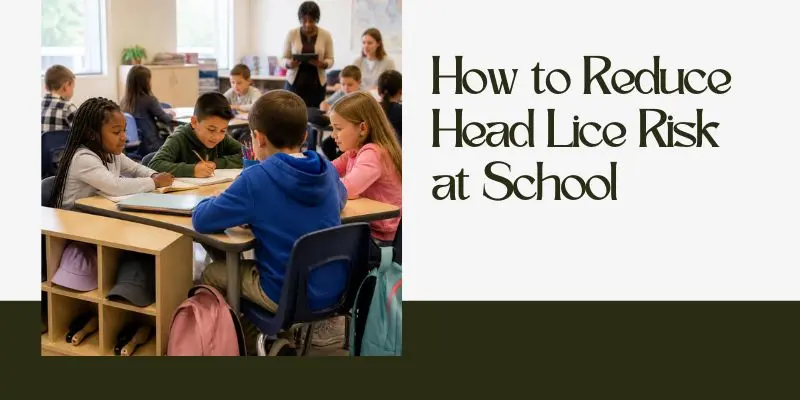
Simple classroom habits can help lower the risk of head lice.
Children often bring their heads together while:
Reading
Using shared screens
Taking photos
Working in groups
Schools can encourage children to:
Keep brushes and hair accessories separate.
Avoid direct hair-to-hair contact during a known case.
Store personal belongings separately whenever practical.
Tell a trusted adult if their scalp becomes itchy or uncomfortable.
Children with head lice usually do not need to leave school immediately. They can normally return after appropriate treatment has started, according to public health guidance.
Many health organizations also discourage “no-nit” policies because nits alone do not always indicate an active infestation.
The Academy of Pediatrics and National Association of School Nurses discourage “no-nit” policies because nits alone do not always indicate an active infestation.
Head Lice Prevention at Camps, Sports, and Sleepovers
Children should continue enjoying camps, sports, and sleepovers. The goal is to reduce unnecessary risk while allowing them to participate in normal activities.
At camps and sleepovers:
Keep pillows and towels separate.
Avoid sharing brushes or hair accessories.
Avoid sleeping with heads touching.
Check the hair after confirmed close exposure.
During sports:
Continue using required helmets.
Avoid sharing helmets or other headgear whenever possible.
Follow the manufacturer’s cleaning instructions for shared equipment.
Limit direct hair-to-hair contact during an active case.
If you’d like to learn more about the situations that carry the highest risk, read our guide on how lice spread.
Sharing towels or brushes near a swimming pool may pose a greater risk than the water itself because head lice are very unlikely to spread through pools, hot tubs, or splash pads.
How to Prevent Reinfestation After Treatment
Even after successful treatment, a person can become infested again through new exposure. This is called reinfestation and is different from treatment failure.
To reduce the risk of reinfestation:
Finish treatment exactly as directed.
Apply a second treatment if the product instructions recommend it.
Check close household contacts.
Avoid direct hair-to-hair contact during an active case.
Keep personal hair items separate.
Wash recently used clothing, bedding, and hair accessories as recommended.
Continue checking the scalp for several days after treatment.
Do not reuse medication unless live lice are found again.
What Not to Do When Preventing Head Lice
Some prevention methods are ineffective and may even cause unnecessary problems. Avoid these common mistakes:
Do not use lice medicine “just in case.”
Do not spray pesticides on children, furniture, or bedding.
Do not combine multiple lice treatments unless advised by a healthcare professional.
Do not rely on essential oils as guaranteed protection.
Do not treat pets for human head lice.
Do not throw away mattresses, furniture, or personal belongings.
Do not blame or shame a child or family.
Do not assume every white speck is a nit.
Do not diagnose head lice based on itching alone.
Do not keep children away from normal activities without a confirmed reason.
Common Myths About Head Lice Prevention
Many myths about head lice continue to circulate online. Understanding the facts can help you avoid unnecessary treatments and focus on prevention methods supported by medical evidence.
Myth: Dirty Hair Causes Head Lice
Head lice can affect both clean and unwashed hair. An infestation is not a sign of poor hygiene, and anyone can get head lice through close hair-to-hair contact.
Myth: Lice Can Jump or Fly
Head lice cannot jump, fly, or hop from one person to another. They spread by crawling and usually move through direct head-to-head or hair-to-hair contact.
Myth: Pets Spread Head Lice
Dogs, cats, and other household pets do not carry or spread human head lice. Human lice survive only on people.
Myth: Swimming Pools Are a Common Source of Head Lice
Head lice are very unlikely to spread through pool water. A greater risk comes from sharing towels, hairbrushes, hats, or other personal items around the pool.
Myth: The Whole Home Must Be Disinfected
Deep cleaning, fumigation, and throwing away furniture or mattresses are unnecessary. Washing recently used clothing and bedding and cleaning personal hair items is usually enough.
Myth: Preventive Shampoo Guarantees Protection
No medicated shampoo has been proven to completely prevent head lice. Using lice treatments without a confirmed infestation may irritate the scalp and is not routinely recommended.
Myth: Children with Nits Must Stay Home
Finding nits does not always mean live lice are present. In many cases, children can return to school after appropriate treatment has begun, in accordance with local school or public health guidance.
When to See a Healthcare Professional
If you’re unsure whether head lice are present or treatment does not seem to be working, seek advice from a healthcare professional.
Contact a doctor, pharmacist, pediatrician, dermatologist, or school nurse if:
You cannot tell whether live lice are present.
The scalp has severe irritation, swelling, sores, or signs of infection.
Lice are found on the eyebrows or eyelashes.
The child is younger than the age recommended on the treatment label.
The person is pregnant or breastfeeding and needs treatment advice.
Treatment has failed.
Infestations keep returning.
What to Expect After Lice Exposure
Learning about possible exposure to head lice can feel stressful, but exposure does not automatically mean an infestation has occurred.
Check the hair carefully and watch for live lice. Because itching may not appear for several weeks, do not rely on symptoms alone. If your first inspection is inconclusive, repeat the check after a few days or seek advice from a healthcare professional.
Submit Your Story
Has your child ever received a school head lice notice? Share which prevention tip helped your family feel more prepared or which common myth you once believed.
Your experience may encourage and reassure other families. To protect your privacy, please avoid sharing names, school details, addresses, medical records, or any information that could identify a child.
Frequently Asked Questions
Can head lice be prevented completely?
No. There is no guaranteed way to prevent every case of head lice. They spread mainly through direct hair-to-hair contact, especially when children play, hug, take photos, or share screens. You can lower the risk by avoiding close hair contact during an active case, checking the hair after known exposure, and treating confirmed infestations promptly.
What is the best way to prevent head lice?
The most effective approach is to reduce direct hair-to-hair contact with someone who has active head lice. Encourage children to avoid placing their heads together during close activities when a case is known. Keeping combs, brushes, hats, and hair accessories for personal use and checking close household contacts after exposure may also help reduce the risk.
Do lice-prevention sprays or shampoos work?
No preventive shampoo or spray has been proven to stop head lice completely. Health authorities do not routinely recommend medicated products for prevention because they may irritate the scalp without providing reliable protection. Use lice treatment only after live lice have been confirmed and always follow the product instructions.
Should I treat my child after exposure to head lice?
No. Exposure alone is not a reason to begin treatment. First, inspect the scalp carefully using bright light and a fine-toothed lice comb, paying close attention behind the ears and along the neckline. Begin treatment only if live lice are found or a healthcare professional recommends it.
Can tying back hair help prevent head lice?
Tying back long hair in a braid, ponytail, or bun may reduce loose hair contact during school or group activities, but it cannot completely prevent head lice. Lice can still spread whenever hair comes into direct contact. Cutting a child’s hair is not necessary because head lice can affect hair of any length.
Conclusion
Can head lice be prevented? No. However, simple, evidence-based habits can significantly reduce the risk of infestation and help limit further spread.
Focus on reducing direct hair-to-hair contact during an active case, avoiding shared personal hair items, checking the scalp after known exposure, and treating confirmed infestations promptly.
Avoid unnecessary measures such as preventive lice medications, unproven repellents, household pesticide sprays, and excessive cleaning. If you’re unsure whether lice are present or infestations keep returning, seek advice from a healthcare professional.
How This Article Was Created
This article was developed using guidance from trusted health organizations, including the Centers for Disease Control and Prevention (CDC), the National Health Service (NHS), Mayo Clinic, and other evidence-based pediatric head lice resources. It also incorporates search intent research, semantic SEO best practices, and clear language written for approximately an eighth-grade reading level.
The medical information in this article was carefully reviewed against publicly available guidance from trusted health authorities. Unless explicitly stated on the published page, this content has not been medically reviewed by a licensed healthcare professional.
This article is intended for general educational purposes only and should not be used as a substitute for professional medical advice, diagnosis, or treatment. Always consult a qualified healthcare professional with questions about a medical condition or treatment.
Before publication, this article should undergo editorial review and, where appropriate, medical review to help ensure ongoing accuracy, clarity, and alignment with current clinical guidance.