Hydrating Hair Mask for Dry, Frizzy Hair: What to Use and How
Published: 28 May 2026
Hydrating hair mask products are often the missing step when conditioner is not enough for dry, frizzy, or rough hair. If your hair still feels dull, stiff, or hard to detangle after washing, I understand how annoying that can be. The good news is that you do not need to try random products. You need to know which ingredients and mask type match your hair.
In this guide, I’ll show you how a hydrating hair mask works, who should use it, what ingredients to look for, and how to use it the right way. You’ll also learn about DIY hydrating hair mask recipes, overnight masks, store-bought options, and mistakes that can make dry hair worse.
What Is a Hydrating Hair Mask?
A hydrating hair mask is a richer treatment designed to help hair feel more moisturized, flexible, and smooth. Compared with a regular conditioner, it usually has a thicker texture and a higher concentration of conditioning ingredients.
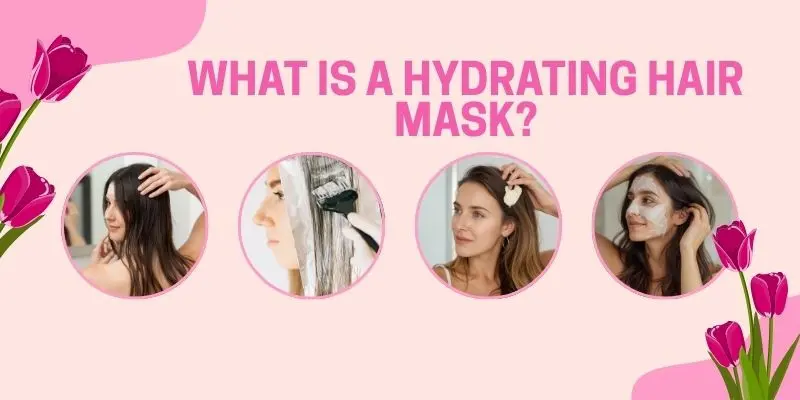
A regular conditioner works quickly after shampooing. It helps reduce friction, soften the hair, and make detangling easier. A hydrating hair mask usually goes deeper into your routine. You leave it on longer, and it targets dryness, frizz, roughness, or damage more intensely.
A few terms often get mixed up:
| Product Type | What It Does | Best For |
|---|---|---|
| Hydrating hair mask | Adds water-binding and softening ingredients | Dry, dull, frizzy hair |
| Moisturizing hair mask | Softens and helps seal moisture | Rough, coarse, textured hair |
| Deep conditioning mask | Gives stronger conditioning than regular conditioner | Dry or damaged hair |
| Deep conditioner | Similar to a mask, usually rich and rinse-out | Weekly care |
| Leave-in mask | Stays on hair after washing | Ongoing softness and frizz control |
| Rinse-out mask | Washed out after a set time | Most weekly treatments |
Hydration matters because dry hair tends to look dull, tangle more easily, and break faster. Dermatology guidance also notes that hair-care habits, washing methods, heat styling, and chemical treatments can contribute to hair damage, so a good routine should focus on preventing further damage rather than just making hair look shiny for one day.
Who Should Use a Hydrating Hair Mask?
A hydrating hair mask can help many hair types, but it is especially useful if your hair often feels dry, rough, frizzy, or hard to detangle.
A hair mask for dry hair works well if your strands feel brittle, dull, or thirsty after washing. Look for humectants like glycerin, aloe vera, honey, hyaluronic acid, and panthenol. If you need more ideas, explore our complete Dry Hair Masks guide.
A hair mask for damaged hair may help if you regularly use hot tools, bleach, permanent hair dye, relaxers, or frequently heat-style your hair. In this case, hydration is important, but you may also benefit from strengthening ingredients like ceramides, keratin, peptides, collagen, or balanced protein treatments. To learn when and how to use one, read our Protein Hair Mask guide.
A hair mask for frizzy hair should combine hydration with smoothing ingredients. Argan oil for hair, squalane, Shea butter hair mask, and lightweight silicones can help create a smoother feel.
A hair mask for curly hair often needs more slip and richness. Curly and coily textures usually benefit from ingredients like Aloe vera gel hair mask, honey, shea butter, mango butter, avocado oil, and olive oil.
A hair mask for bleached hair should focus on hydration and strength. Bleached hair often feels porous and fragile, so look for ceramides, peptides, bond-supporting ingredients, panthenol, and gentle oils.
A hair mask for color-treated hair should be gentle and moisturizing. Avoid harsh clarifying formulas unless your stylist recommends them.
Fine hair can also use a hydrating hair mask, but it needs a lighter formula. Thick hair usually handles richer butters and oils better. High-porosity hair may need both water-attracting ingredients and sealers, while hair exposed to heat styling or chemical treatments needs a consistent care routine.
Best Ingredients in a Hydrating Hair Mask
The best formula usually contains a mix of humectants, emollients, sealers, and sometimes strengthening ingredients.
Humectants
Humectants help attract and hold water. They are important in a hydrating hair mask because they support softness and flexibility.
Look for:
- Glycerin
- Hyaluronic acid
- Aloe vera
- Honey
- Panthenol
Glycerin and honey often appear in moisturizing formulas because they help hair feel less dry. Aloe vera can make a mask feel lightweight and soothing. Panthenol is common in hair care because it helps improve the feel and manageability of strands.
Emollients
Emollients soften the hair and help smooth the outer layer of the strand. If your hair feels rough, emollients can make a big difference.
Look for:
- Coconut oil
- Argan oil
- Avocado oil
- Olive oil
- Squalane
Coconut oil for hair can feel nourishing, but it does not suit everyone. Some people find it makes their hair stiff or coated. Argan oil and squalane usually feel lighter, while avocado oil for hair and olive oil for hair work well for thicker or drier textures.
Butters and Sealers
Butters and sealers help reduce moisture loss and create a softer feel.
Look for:
- Shea butter
- Mango butter
Shea butter and mango butter often work well for thick, curly, coarse, or high-porosity hair. If you have fine hair, use them carefully because they can weigh your hair down.
Strengthening Ingredients
Not all dry hair is dry. Sometimes hair feels rough because it is damaged. That is where strengthening ingredients help.
Look for:
- Ceramides
- Keratin
- Peptides
- Collagen
- Biotin
- Protein treatments
These ingredients can support the feel of damaged hair, but balance matters. Too much protein can leave some hair feeling stiff, dry, or brittle. If your hair already feels hard or crunchy, alternate protein treatments with moisture-focused masks.
Ingredients to Be Careful With
Some ingredients can help in the right situation but cause problems when used incorrectly.
Apple cider vinegar may make hair feel smoother for some people, but acidic DIY mixes can irritate the scalp or dry the hair if overused.
Egg appears in many DIY hair mask recipes, but I do not recommend using it overnight. It can smell, become difficult to rinse, and may not suit sensitive scalps.
Coconut oil can be helpful for dry ends, but it may feel heavy or stiff on fine or low-porosity hair.
Heavy butters like shea butter and mango butter work beautifully for many curls and coils, but they can flatten fine hair.
Protein treatments can support damaged hair, but overuse may make hair feel rigid.
Fragrances and essential oils for hair may irritate sensitive skin in some people. Hair care products can contribute to irritation or allergic contact dermatitis, especially when product residue comes into contact with the scalp, face, neck, or back.
Milk and yogurt can appear in DIY recipes, but they need careful rinsing. Do not use them if your scalp reacts easily or if you dislike lingering scent.
If you have scalp burning, sores, sudden shedding, severe itching, or patchy hair loss, do not rely on a hair mask. A proper hair loss guide can help you understand the possible causes, but you should still speak with a dermatologist or qualified professional.
How to Use a Hydrating Hair Mask Correctly
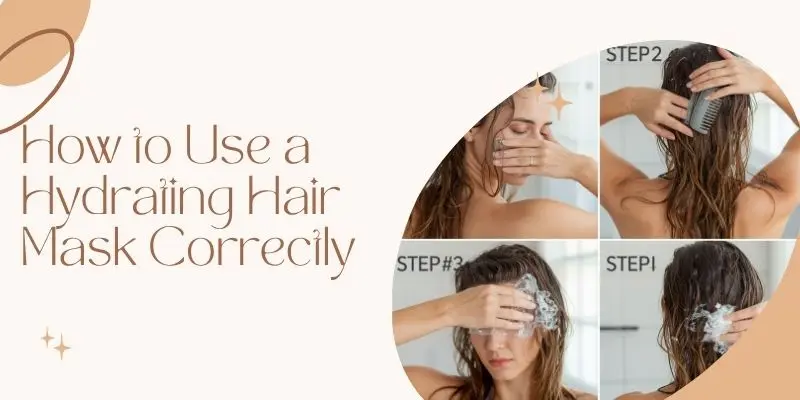
Using a hydrating hair mask the right way matters as much as choosing the right one.
- Shampoo first. Clean hair allows the mask to spread evenly.
- Remove excess water. Your hair should be damp, not dripping.
- Apply from mid-lengths to ends. These areas usually need the most help.
- Use a wide-tooth comb or fingers. This distributes the product without rough pulling.
- Leave it on for the recommended time. Follow the label for store-bought masks.
- Rinse well. Product buildup can make hair feel dull or greasy.
- Follow with conditioner only if needed. Some masks are already in a condition enough.
- Style gently. Use less heat when your hair feels fragile.
What not to do:
Do not apply too much product. More masks do not always mean better results.
Do not leave every mask on overnight. A rinse-out mask is not automatically safe as a leave-in product. The American Academy of Dermatology explains that rinse-off and leave-in conditioners have different chemistry, and rinse-off products should not be left on like leave-ins.
Do not use protein masks too often. Do not apply heavy masks directly to oily roots. Do not rinse with very hot water, because it can make hair and scalp feel drier.
How Often Should I Use a Hydrating Hair Mask?
For dry hair, start with once a week.
For damaged hair, use a hydrating mask once weekly and add a strengthening treatment only when needed.
For curly hair, once or twice a week may work, depending on dryness and wash frequency.
For fine hair, use a lightweight mask every one to two weeks.
For bleached hair, weekly hydration usually helps, but combine it with bond-supporting or strengthening care if your stylist recommends it.
For color-treated hair, use a gentle mask once a week or every other week.
For an oily scalp with dry ends, apply the mask only from the mid-lengths to the ends.
The goal is balance. If your hair feels limp, greasy, coated, or heavy, reduce frequency or switch to a lighter formula.
Overnight Hydrating Hair Mask: Is It a Good Idea?
An overnight hydrating hair mask can be useful when the product is made for overnight use. These formulas usually feel lighter and are designed to stay on the hair longer.
However, not every mask should stay on overnight. Some rinse-out mask formulas may irritate the scalp or leave buildup if you sleep in them. Protein-heavy masks, acidic DIY treatments with apple cider vinegar, egg-based recipes, and very rich butter-heavy masks may cause stiffness, odor, buildup, or irritation.
If I use an overnight mask, I choose one labeled for overnight use, apply a small amount to the ends, protect my pillow, and rinse or style as directed the next morning.
Best DIY Hydrating Hair Mask Recipes
DIY recipes can be helpful, but they are not perfect for everyone. Always patch test first, avoid the scalp if you react easily, and rinse thoroughly.
Aloe Vera and Honey DIY Hydrating Hair Mask
Best for: dry, dull hair.
Ingredients:
2 tablespoons aloe vera gel
1 teaspoon honey
1 tablespoon conditioner
How to apply: Mix well and apply from mid-lengths to ends.
Leave on: 10–20 minutes.
Rinse tips: Rinse with lukewarm water until the hair feels clean.
Safety note: Avoid honey on the scalp if you are prone to irritation.
Avocado Oil and Olive Oil Mask
Best for: coarse or frizzy hair.
Ingredients:
1 tablespoon avocado oil
1 teaspoon olive oil
2 tablespoons conditioner
How to apply: Apply to damp hair, focusing on dry ends.
Leave on: 15–25 minutes.
Rinse tips: Shampoo lightly if your hair feels oily after rinsing.
Safety note: Fine hair may need less oil.
Banana and Yogurt Hair Mask
Best for: softness and shine.
Ingredients:
Half a ripe banana, fully blended
1 tablespoon yogurt
1 teaspoon honey
How to apply: Blend until smooth. Apply carefully to damp hair.
Leave on: 10–15 minutes.
Rinse tips: Rinse very well. Banana pieces can stick if not blended fully.
Safety note: Do not use if your scalp dislikes dairy-based recipes.
Rice Water and Conditioner Mask
Best for: weak or damaged-feeling hair.
Ingredients:
2 tablespoons of rice water
2 tablespoons deep conditioner
How to apply: Mix and apply to mid-lengths and ends.
Leave on: 10 minutes.
Rinse well. If your hair feels stiff afterward, use a moisturizing hair mask during your next wash. To learn more about the benefits and proper use of rice water, read our Rice Water for Hair guide.
Safety note: Rice water can act protein-like for some hair, so do not overuse it.
Coconut Oil and Aloe Vera Mask
Best for: dry ends.
Ingredients:
1 teaspoon coconut oil
2 tablespoons aloe vera gel
1 tablespoon conditioner
How to apply: Apply only to the ends if your hair is fine.
Leave on: 10–20 minutes.
Rinse tips: Shampoo if needed.
Safety note: Avoid this if coconut oil usually makes your hair feel hard or coated.
Best Store-Bought Hydrating Hair Masks by Category
You do not need the most expensive product. You need the right formula for your hair type.
Best Overall Hydrating Hair Mask
Best for most dry or dull hair types. Look for glycerin, panthenol, aloe vera, argan oil, and ceramides. Avoid formulas that are too protein-heavy if your hair is not damaged.
Best Drugstore Hydrating Hair Mask
Best for budget-friendly care. Look for a creamy hair texture, clear instructions, and ingredients like shea butter, aloe vera, coconut oil, or avocado oil. Avoid products that leave heavy buildup.
Best for Dry Hair
Choose humectants plus sealers. Aloe vera, glycerin, honey, shea butter, and mango butter work well.
Best for Curly Hair
Choose slip-rich formulas with shea butter, mango butter, honey, olive oil, and avocado oil. Avoid drying alcohols.
Best for Fine Hair
Choose lightweight ingredients like panthenol, aloe vera, hyaluronic acid, squalane, and light oils. Avoid heavy butters near the roots.
Best for Bleached Hair
Look for ceramides, peptides, keratin, panthenol, and bond-supporting ingredients. Avoid relying only on oils, because bleached hair often needs both moisture and strength.
Best for Color-Treated Hair
Choose gentle, color-safe hydration. Look for softening ingredients and avoid harsh clarifying formulas unless needed.
Best for Frizz
Look for argan oil, squalane, glycerin, shea butter, and smoothing conditioners. Frizz often needs both hydration and cuticle smoothing.
Best Overnight Hydrating Mask
Choose a product labeled for overnight use. Avoid rich rinse-out masks unless the label says they can stay on.
Best Protein-Free Hydrating Mask
Best for hair that feels stiff, dry, or protein-sensitive. Look for aloe vera, glycerin, hyaluronic acid, panthenol, squalane, and oils without keratin or protein claims.
Best Fragrance-Free Option
Best for sensitive scalps or fragrance-sensitive users. Look for simple formulas and avoid essential oils if they trigger irritation.
Hydrating Hair Mask vs Moisturizing Hair Mask vs Deep Conditioner
| Product | Main Purpose | Leave-in or Rinse-out? | Best For |
|---|---|---|---|
| Hydrating hair mask | Adds hydration and softness | Usually rinse out | Dry, dull hair |
| Moisturizing hair mask | Softens and seals | Usually rinse-out | Rough, frizzy hair |
| Deep conditioning mask | Strong conditioning treatment | Rinse-out | Weekly repair routine |
| Deep conditioner | Rich conditioner | Rinse-out | Dry or damaged hair |
| Leave-in mask | Ongoing softness | Leave-in | Frizz and styling support |
| Rinse-out mask | Intensive treatment | Rinse-out | Most hair types |
Conditioners and masks improve the feel of hair by reducing friction, improving manageability, and helping protect the strand surface; cosmetic science literature describes conditioning agents as useful for dry, damaged, or chemically treated hair.
Common Mistakes People Make With Hydrating Hair Masks
One mistake is using too much product. A thick layer can make hair greasy instead of soft.
Another mistake is using the wrong mask for your hair type. Fine hair needs lighter hydration. Thick or curly hair can often handle richer formulas.
Some people wear masks for too long. Longer is not always better.
Overusing protein treatments can also backfire. If your hair feels stiff, switch to a protein-free hydrating mask for a while.
Applying heavy products to the roots can make the scalp feel oily or itchy. Focus on the ends unless the product says scalp-safe.
A mask cannot permanently fix split ends. It can make them look smoother temporarily, but trims are still important.

Skipping regular trims, rough towel-drying, and not rinsing properly can also keep hair looking dry even when you use good products.
How to Choose the Best Hydrating Hair Mask for Your Hair Type
| Hair type or Concern | Best Ingredients | Avoid |
|---|---|---|
| Dry hair | aloe vera, glycerin, shea butter | harsh clarifying formulas |
| Fine hair | panthenol, aloe vera, lightweight oils | heavy butters |
| Curly hair | shea butter, mango butter, honey | drying alcohols |
| Bleached hair | ceramides, peptides, bond-supporting ingredients | Oil-based masks only |
| Color-treated hair | gentle hydrating ingredients | harsh sulfates |
| Frizzy hair | Argan oil, squalane, glycerin | overly drying products |
| Damaged hair | keratin, peptides, ceramides, panthenol | too much heat styling |
| High-porosity hair | butters, oils, humectants, balanced proteins | Very watery formulas only |
I like to choose by problem, not by trend. If my hair feels dry, I choose humectants. If it feels rough, I add emollients. If it feels weak, I look for strengthening ingredients. If it feels heavy, I simplify.
Submit Your Hair Story
Every head of hair reacts differently. If you have tried a hydrating hair mask that helped your dry, frizzy, curly, bleached, or color-treated hair, I would love to hear your story.
Share your hair type, your biggest concern, the ingredients that worked for you, and what did not work. Real experiences help other readers make better choices.
How This Article Was Created
This article was created using hair-care best practices, cosmetic ingredient research, dermatology-informed safety guidance, expert-backed sources where necessary, SEO research around informational and commercial search intent, and a reader-first approach focused on practical advice.
The goal is to provide helpful, reliable content that serves readers first, which aligns with Google’s guidance to create people-first content rather than content made only to manipulate search rankings.
Conclusion
A hydrating hair mask can make a real difference when your hair feels dry, frizzy, rough, or stressed from heat, color, bleach, or daily styling. The key is choosing the right formula for your hair type.
For dry hair, look for aloe vera, glycerin, honey, and shea butter. For fine hair, choose lightweight hydration. For curly hair, use richer ingredients with slip. For bleached or damaged hair, combine hydration with strengthening ingredients like ceramides, peptides, or keratin.
Start simple, use the mask correctly, and pay attention to how your hair responds. The best hydrating hair mask is not the trendiest one; it is the one that makes your hair feel softer, healthier-looking, and easier to manage without weighing it down.
FAQ About Hydrating Hair Masks
A hydrating hair mask helps dry hair feel soft, smooth, and easier to manage. It adds moisture-supporting ingredients to the hair. This can help reduce frizz, roughness, and dullness. It is stronger than a regular conditioner. Use it when your hair feels dry, weak, or hard to detangle.
Yes, a hydrating hair mask is a good choice for dry hair. It can help your hair feel softer after washing.
Look for ingredients like aloe vera, glycerin, honey, and shea butter. These ingredients help support moisture and smoothness. For very dry hair, use a mask once a week.
Most people can use a hydrating hair mask once a week. If your hair is very dry, curly, or bleached, you may use it more often. Fine hair may only need it every two weeks. Do not use too much product, because it can weigh hair down. The best routine depends on your hair type and how your hair feels.
You can leave a hydrating hair mask on overnight only if the product says it is safe. Some masks are made to be rinsed out after 10 to 20 minutes. Leaving the wrong mask on too long may cause buildup or irritation. Avoid sleeping in egg, apple cider vinegar, or protein-heavy masks. For overnight use, choose a light overnight hydrating hair mask.
The best hydrating hair mask for frizzy hair should add moisture and smooth the hair. Look for argan oil, aloe vera, glycerin, squalane, or shea butter. These ingredients can help hair look softer and less rough.
Avoid very drying formulas or harsh clarifying products. For best results, apply the mask from mid-lengths to ends.



- Be Respectful
- Stay Relevant
- Stay Positive
- True Feedback
- Encourage Discussion
- Avoid Spamming
- No Fake News
- Don't Copy-Paste
- No Personal Attacks
- Be Respectful
- Stay Relevant
- Stay Positive
- True Feedback
- Encourage Discussion
- Avoid Spamming
- No Fake News
- Don't Copy-Paste
- No Personal Attacks
