Essential Oils for Hair: Which Oils Are Best for Safe Use?
Published: 28 Sep 2025
Essential oils became part of my hair routine when my hair started feeling dry, frizzy, and harder to style. I also noticed more hair in my brush than usual, which prompted me to look for gentle ways to support my scalp and reduce breakage.
At first, I tried various “hair growth remedies” without fully understanding how potent essential oils are. Some blends made my hair feel nice for a few days, but others left my scalp dry or uncomfortable. That is when I learned an important rule: essential oils can be helpful, but only when they are used safely.
Essential oils are not regular hair oils. They are concentrated plant oils, so they should not be applied directly to the scalp. I always dilute them, use small amounts, and patch test before trying a new oil. Dermatologists recommend testing new skin products on a small area first because reactions like redness, itching, swelling, burning, or rash can happen with personal care products.
In this guide, I’ll share the best essential oils for hair, how I use each one, how to dilute them, and what to avoid if your scalp is sensitive.
What Are Essential Oils?
Essential oils are concentrated plant extracts. They usually have a strong scent and a strong effect on the skin. That is why I treat them with care.
For hair, essential oils are usually mixed into a carrier oil, shampoo, conditioner, or rinse-out hair mask. I do not use them straight on my scalp.
Essential Oil vs Carrier Oil
An essential oil is a concentrated oil. A carrier oil is the gentler oil used to dilute it.
Examples of essential oils include:
- Rosemary oil
- Peppermint oil
- Tea tree oil
- Lavender oil
- Cedarwood oil
- Thyme oil
- Clary sage oil
- Ylang ylang oil
- Chamomile oil
- Lemongrass oil
Examples of carrier oils include:
- Jojoba oil
- Grapeseed oil
- Coconut oil
- Olive oil
- Argan oil
- Sweet almond oil
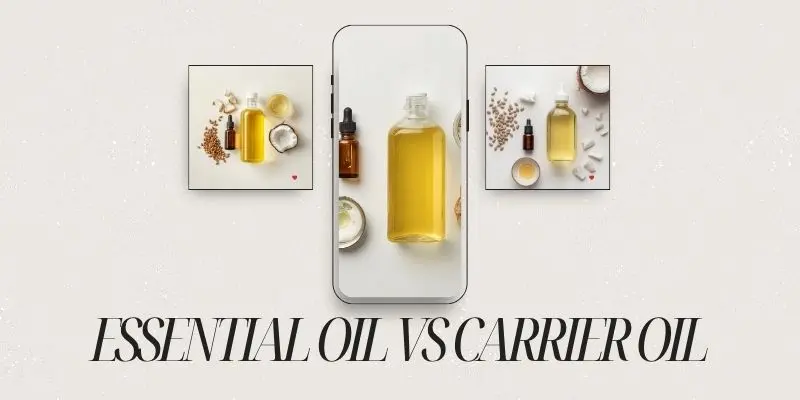
A carrier oil helps spread the essential oil and lowers the risk of irritation. Cleveland Clinic also recommends mixing rosemary oil with a carrier oil such as coconut or jojoba oil before applying it to the scalp.
Additional guidance:
Coconut oil, Olive oil, Neem Oil, Hibiscus oil, Argan oil, jojoba oil, Castor oil, Olive oil, Babassu oil, Moringa oil, Amla oil
Best Essential Oils for Hair by Goal
| Goal | Essential oil to consider |
|---|---|
| Scalp massage routine | Rosemary oil |
| Cooling scalp feel | Peppermint oil |
| Oily scalp freshness | Tea tree oil or lemongrass oil |
| Dry-feeling scalp | Lavender oil or chamomile oil |
| Frizz and dry ends | Ylang ylang oil or clary sage oil |
| Simple scalp blend | Rosemary + lavender |
| Strong oils to use carefully | Thyme, peppermint, tea tree, lemongrass |
This table is only a starting point. The best oil is not always the “strongest” one. The best oil is the one your scalp tolerates well.
Why You Should Not Use Essential Oils “Neat”
“Neat” means applying an essential oil without dilution. I avoid this because undiluted essential oils can sting, burn, dry out the scalp, or trigger irritation.
If you ever feel burning, itching, swelling, tenderness, or a rash after using an oil, wash it out and stop using that blend. AAD lists contact dermatitis symptoms as itching, rash, dry or cracked skin, tenderness, burning, and stinging.
Essential Oils for Hair Growth: Real Expectations
Many people search for essential oils for hair growth, but I like to keep the promise realistic.
Essential oils may support a healthy scalp routine. They may also help with breakage control when used with gentle massage, good conditioning, and careful detangling. But they do not guarantee new hair growth, and they do not replace medical treatment for hair loss.
Breakage vs True Hair Loss
This difference matters.
Breakage happens when hair snaps along the strand. You may see short pieces of hair in your sink, brush, or on your clothes. This can happen from dryness, heat styling, tight hairstyles, chemical treatments, or rough detangling.
True hair loss happens when hair sheds from the root. You may notice fuller strands with a small white bulb, widening parts, thinning areas, or sudden patches.
If your hair loss is sudden, patchy, or much heavier than usual, it is better to speak with a doctor or dermatologist. Mayo Clinic says sudden or patchy hair loss can signal an underlying medical condition that may need treatment.
Hair and Scalp Concern Levels
I use these levels to decide whether an essential oil routine is a good idea.
Level 1: Mild dryness, frizz, or tangles
This may look like:
- Rough ends
- Mild frizz
- Dry-feeling scalp
- Tangles on wash day
- Hair that feels dull or stiff
This is where a light diluted oil blend may help.
Level 2: Breakage, buildup, or scalp sensitivity
This may look like:
- Ends snapping more often
- Split ends
- Hair that feels coated
- Mild itchiness
- Scalp that feels sensitive after products
At this level, I use lighter oils, shorter timing, and fewer ingredients.
Level 3: Scalp red flags
Stop DIY oil treatments and get medical advice if you notice:
- Scalp pain
- Swelling
- Pus
- Oozing
- Bleeding
- A spreading rash
- Severe burning
- Sudden patchy hair loss
- More hair loss than usual when washing or brushing
These symptoms need more than a home remedy. Mayo Clinic recommends medical advice for sudden or patchy hair loss, and the NHS advises seeing a GP if dandruff is severe, very itchy, red, swollen, or does not improve after using anti-dandruff shampoo.
10 Best Essential Oils for Hair
These are the essential oils I would include in a simple hair and scalp routine.
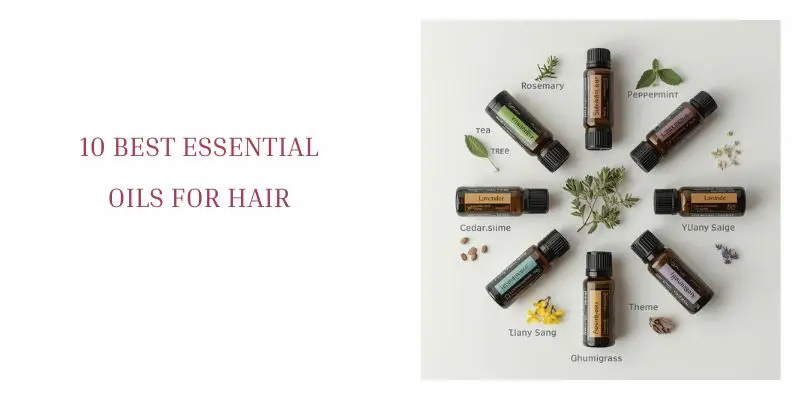
For every oil below, the rule is the same: dilute first, use a small amount, and patch test.
1. Rosemary Oil for Hair
Rosemary oil is one of the most popular essential oils for scalp massage routines. I like it because it fits well into a simple pre-shampoo scalp treatment.
Best for: scalp massage, thinning-looking hair support, breakage-control routines
How I use it:
- Mix 2–3 drops of rosemary essential oil with 1 tablespoon of carrier oil.
- Apply it to the scalp in sections.
- Massage gently for 1–2 minutes.
- Leave it on for 30–60 minutes.
- Shampoo well.
How often: 1–2 times per week
Safety note: Do not apply rosemary oil directly to the scalp. Mix it with a carrier oil first to reduce irritation risk.
2. Peppermint Oil for Hair
Peppermint oil has a cooling feel, so I use it very carefully. It is strong, and a little goes a long way.
Best for: cooling scalp feel, oily scalp freshness
How I use it:
- Mix 1 drop of peppermint essential oil with 1 tablespoon of carrier oil.
- Apply it only to the scalp.
- Leave it on for 15–30 minutes.
- Shampoo well.
How often: once a week at most
Safety note: Peppermint oil can cause skin rash or irritation. It should not be applied to the face of infants or young children because serious side effects can occur if they inhale the menthol.
3. Tea Tree Oil for Hair
Tea tree oil is often used in scalp-care routines, especially when the scalp feels oily or heavy. I use it cautiously because it can be irritating for some people.
Best for: oily scalp feel, scalp freshness, occasional buildup
How I use it:
- Mix 1–2 drops of tea tree oil with 1 tablespoon of carrier oil.
- Apply a thin layer to the scalp only.
- Leave it on for 10–20 minutes.
- Rinse and shampoo well.
How often: once a week
Safety note: Tea tree oil should not be swallowed. Some people can develop redness or irritation from topical tea tree oil, especially if the product is old or has been exposed to heat, light, or air.
4. Lavender Oil for Hair
Lavender oil has a softer scent than many other essential oils. I like it in gentle scalp blends, especially when I want a simple wash-day routine.
Best for: dry-feeling scalp, gentle scalp massage, calmer wash days
How I use it:
- Mix 2 drops of lavender oil with 1 tablespoon of carrier oil.
- Massage lightly into the scalp.
- Leave it on for about 30 minutes.
- Shampoo well.
How often: 1–2 times per week
Safety note: Even gentle-smelling oils can irritate some people. Patch test first.
5. Cedarwood Oil for Hair
Cedarwood oil has a warm, wood-like scent. I usually prefer it blended with lavender instead of using it alone.
Best for: simple scalp blends, dry-feeling scalp, scalp massage routines
How I use it:
- Mix 1 drop of cedarwood oil and 2 drops of lavender oil into 1 tablespoon of carrier oil.
- Apply to the scalp in sections.
- Massage gently.
- Leave on for 30 minutes.
- Shampoo well.
How often: once a week
Safety note: Avoid the eyes, broken skin, and irritated areas.
6. Thyme Oil for Hair
Thyme oil is very strong, so I use it less often and in a smaller amount than oils like lavender or rosemary.
Best for: people who already tolerate essential oils well
How I use it:
- Use only 1 drop of thyme oil.
- Mix it into 1 tablespoon of carrier oil.
- Apply lightly to the scalp.
- Leave it on for 10–15 minutes.
- Shampoo well.
How often: every 10–14 days
Safety note: Thyme oil can irritate quickly. More is not better.
7. Clary Sage Oil for Hair
Clary sage oil has a soft herbal scent. I use it more for scalp comfort and frizz-control blends than for any “growth” promise.
Best for: frizz-prone hair, dry ends, scalp massage blends
How I use it:
- Mix 2 drops of clary sage oil with 1 tablespoon of carrier oil.
- Apply lightly to the scalp or smooth a tiny amount over dry ends.
- Leave it on for 20–30 minutes.
- Shampoo or rinse well.
How often: once a week
Safety note: Do not use it on an irritated or broken scalp.
8. Ylang Ylang Oil for Hair
Ylang ylang oil has a strong floral scent. I like it more for dry lengths and shine than for the scalp.
Best for: dry ends, dullness, shine, frizz
How I use it:
- Mix 1–2 drops of ylang ylang oil with 1 tablespoon of carrier oil.
- Apply lightly to the ends or mid-lengths.
- Leave it on for 20–30 minutes.
- Wash out well.
How often: once a week
Safety note: The scent is strong, so patch test and start with only 1 drop.
9. Chamomile Oil for Hair
Chamomile oil is one of the gentler options in my routine. I like it when I want a simple blend without too many strong scents.
Best for: sensitive-feeling scalp, dry hair, gentle blends
How I use it:
- Mix 2 drops of chamomile oil with 1 tablespoon of carrier oil.
- Massage gently into the scalp or apply to dry ends.
- Leave it on for 20–30 minutes.
- Rinse and shampoo well.
How often: once a week
Safety note: Keep the blend simple. Do not mix too many essential oils at once.
10. Lemongrass Oil for Hair
Lemongrass oil has a fresh scent and a strong smell. I use it carefully and only in low amounts.
Best for: oily scalp feel, scalp freshness
How I use it:
- Mix 1 drop of lemongrass oil with 1 tablespoon of carrier oil.
- Apply to the scalp only.
- Leave it on for 10–20 minutes.
- Shampoo well.
How often: once a week
Safety note: Avoid using it on freshly shaved, scratched, or irritated skin.
How to Use Essential Oils for Hair Safely
Essential oils are strong, so I never use them directly on my scalp. I always dilute them first and start with a small amount. This helps reduce the risk of itching, burning, redness, or buildup.
This is the simple method I follow.
Essential Oil Dilution for Hair
My beginner-friendly dilution rule is:
1 tablespoon carrier oil + 1–3 drops essential oil
If your scalp is sensitive, start with only 1 drop. Do not add more drops to get faster results. Stronger blends are more likely to irritate your scalp.
How Many Drops of Essential Oil Should You Use?
For most adults, I start with:
- 1 drop for strong oils like peppermint, thyme, tea tree, or lemongrass
- 2 drops for gentler oils like lavender or chamomile
- 2–3 drops of rosemary if my scalp already tolerates it well
Always patch test first.
How to Patch Test an Essential Oil Blend
Before using a new blend on your scalp:
- Mix the essential oil with a carrier oil.
- Apply a small amount to your inner arm or another small skin area.
- Watch for redness, itching, swelling, burning, stinging, or rash.
- Do not use the blend on your scalp if your skin reacts.
AAD recommends testing new skin products on small areas first because it can help predict whether you may have a negative reaction.
How to Apply Essential Oil to the Scalp
Here is my basic scalp method:
- Start with dry or slightly damp hair.
- Part your hair into sections.
- Apply a thin layer of diluted oil to the scalp.
- Massage gently with fingertips for 1–2 minutes.
- Leave it on for the suggested time.
- Shampoo well.
Do not scratch your scalp while massaging. Gentle pressure is enough.
Can You Add Essential Oils to Hair Products?
I like adding essential oils to hair products only in small amounts. This gives me better control and lowers the chance of making a full bottle too strong. I also prefer rinse-out use over leave-in use.
Can I Add Essential Oils to Shampoo?
Yes, but I do not add essential oils to the full shampoo bottle.
Instead, I put shampoo in my palm, add 1 drop of essential oil, mix it, wash, and rinse well. This gives better control and avoids making the whole bottle too strong.
Can I Add Essential Oils to Conditioner?
Yes, but I prefer using them on the hair lengths, not directly on the scalp.
I add 1 drop to a handful of conditioner, apply it to the mid-lengths and ends, then rinse well.
Can I Add Essential Oils to a Hair Mask?
Yes. I add 1–2 drops to a rinse-out hair mask. This works best when my hair feels dry, dull, or frizzy.
I do not use strong oils in a mask that will sit on my scalp for a long time.
Can You Leave Essential Oils in Hair?
Leave-in use needs extra care because essential oils stay on the hair or scalp longer. I avoid leaving them on my scalp all day or overnight. If I use them as a leave-in, I keep the blend very mild and apply it only to the ends.
Can You Leave Essential Oils Overnight?
I do not leave essential oils on my scalp overnight.
Overnight use can be too much for sensitive skin. If you want to try an overnight oil treatment, keep it on the hair lengths only, use a very mild dilution, and wash it out in the morning.
Best Carrier Oils for Essential Oils
A carrier oil can change how your whole blend feels. These are my favorite options.
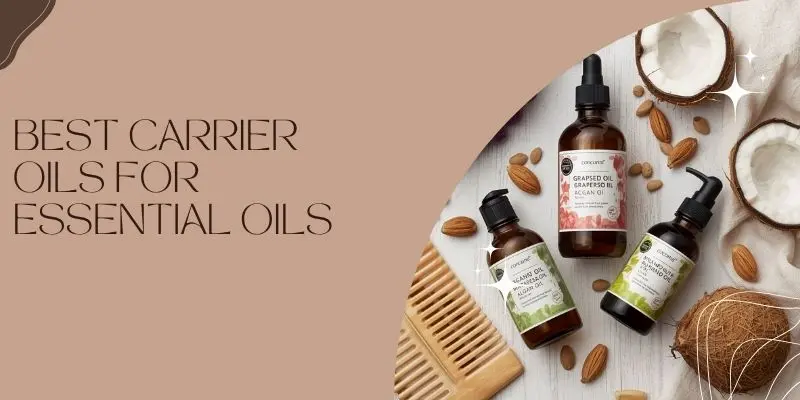
Jojoba Oil
Jojoba oil feels light and works well for oily or balanced scalps. It is my first choice when I do not want a greasy feel.
Grapeseed Oil
Grapeseed oil is lightweight and easy to rinse out. I like it for fine hair and oily roots.
Argan Oil
Argan oil is better for lengths and ends. I use it when my hair looks frizzy or dull.
Sweet Almond Oil
Sweet almond oil is nice for dry ends. It gives more softness than jojoba or grapeseed.
Olive Oil
Olive oil is rich and heavier. I use it only when my hair feels very dry, and I avoid putting too much on my scalp.
Coconut Oil
Coconut oil works well for some people’s dry ends, but it can feel heavy. I use a small amount and usually keep it away from my scalp.
Do and Don’t: Essential Oil Safety Rules
Do
- Dilute essential oils every time.
- Patch test before full scalp use.
- Use small amounts.
- Wash oils out well.
- Keep blends simple.
- Use lighter oils if your hair is fine or oily.
- Stop using a blend if you feel burning, itching, swelling, or rash.
Don’t
- Do not apply essential oils straight to your scalp.
- Do not use essential oils near your eyes.
- Do not use strong oils on broken, scratched, or inflamed skin.
- Do not assume “natural” means irritation-free.
- Do not use essential oils on children without proper medical guidance.
- Do not use essential oils during pregnancy without asking a clinician first.
- Do not rely on oils for sudden, patchy, or severe hair loss.
Johns Hopkins warns not to use undiluted essential oils directly on children’s skin because oils in full form can be harmful when applied directly.
Where the Problem Shows Up: Scalp, Roots, Ends, or Lengths
Knowing where the problem is helps me choose the right oil method.
Itchy Scalp
If my scalp feels mildly itchy but not painful or inflamed, I keep the blend simple. I usually choose lavender or chamomile with jojoba oil and leave it on for a short time.
If the itch is severe, the scalp is red or swollen, or flakes do not improve, I do not keep experimenting with oils. NHS recommends seeing a GP if dandruff is bad, very itchy, red, swollen, or does not improve after anti-dandruff shampoo.
Oily Roots and Dry Ends
For oily roots, I use lightweight carrier oils like jojoba or grapeseed. For dry ends, I use a tiny amount of argan or sweet almond oil.
I avoid heavy coconut oil on my scalp because it can make roots feel greasy.
Frizzy Lengths
For frizzy hair, I focus on the mid-lengths and ends. I use a light, diluted blend with argan oil or sweet almond oil.
I do not overload the scalp when the real issue is frizz on the lengths.
Curly or Coily Hair
For curly hair, I use oils carefully. Heavy oils can flatten curls or make them feel coated.
I prefer using essential oils in a pre-shampoo scalp treatment, then following with a good conditioner or curl cream.
Split Ends
Oils can make split ends look smoother for a short time, but they cannot permanently repair a split end.
If my ends are splitting badly, I use oil for softness, but still plan a trim.
Common Misconceptions About Essential Oils for Hair
Essential oils for hair are popular, but many people expect too much from them. I like using them as support, not as a miracle fix. These common myths can help readers understand what essential oils can and cannot do safely.
Myth 1: Essential oils guarantee hair growth.
Essential oils do not guarantee hair growth. They may support scalp comfort and reduce breakage, but they are not a cure for medical hair loss.
Myth 2: Natural oils cannot irritate the scalp.
Natural ingredients can still irritate. Essential oils, fragrances, and personal care products can trigger contact dermatitis in some people. AAD lists symptoms such as itching, rash, tenderness, burning, and stinging.
Myth 3: More drops mean better results.
More drops usually mean a higher risk of irritation. A mild blend used consistently is better than a strong blend that burns your scalp.
Myth 4: Overnight oiling works better.
Not always. Overnight use can cause buildup or irritation, especially on the scalp. I prefer short treatments that I wash out properly.
Myth 5: Essential oils can replace medical treatment.
They cannot. If you have sudden shedding, patchy hair loss, scalp pain, swelling, pus, or a spreading rash, get medical help.
Timeline: What to Expect
Essential oils do not give instant hair growth results. I look at short-term changes first, like scalp comfort, less dryness, and easier styling. Real improvement in breakage, scalp health, or hair look usually takes a few weeks of steady use.
Same Day
Your hair may feel softer, smoother, or easier to detangle. Your scalp may feel fresher after washing.
After 2–4 Weeks
With steady use, you may notice better manageability, less dryness, and less breakage from rough handling.
Long Term
If your hair looks fuller because you are breaking less hair, that is length retention. It is not the same as treating medical hair loss.
If shedding continues or gets worse, stop relying on oils and speak with a professional.
Simple Weekly Routine by Hair Type
A good essential oil routine should match hair type and scalp type. I do not use the same oil plan for dry hair, oily hair, curly hair, or fine hair. This simple weekly routine helps keep essential oils safe, light, and easy to follow.
Dry Hair
- Scalp oil treatment once weekly
- Ends oil treatment once weekly
- Moisturizing hair mask once weekly
Best oils to try: lavender, rosemary, ylang ylang, chamomile
Damaged or Heat-Styled Hair
- Scalp oil once weekly
- Hair mask with 1 drop of essential oil once weekly
- Focus on gentle detangling and less heat
Best oils to try: rosemary, lavender, clary sage
Curly or Coily Hair
- Pre-shampoo scalp oil once weekly
- Keep heavy oils off curl lengths most days
- Use conditioner with good slip
Best oils to try: lavender, chamomile, rosemary
Fine or Oily Hair
- Scalp oil every 10–14 days
- Use jojoba or grapeseed as the carrier oil
- Avoid heavy coconut oil on the scalp
Best oils to try: tea tree, lemongrass, peppermint, lavender
Sensitive Scalp
- Patch test every new blend
- Use only 1 drop of essential oil per tablespoon of carrier oil
- Keep timing short
- Avoid strong oils like peppermint, thyme, tea tree, and lemongrass at first
Best oils to try: lavender or chamomile
How This Article Was Created
I wrote this guide based on my own haircare routine, practical wash-day testing, and basic safety principles for using essential oils on the scalp. I focused on dilution, patch testing, short contact times, and washing oils out properly.
For safety guidance, I used public information from the American Academy of Dermatology, Mayo Clinic, Cleveland Clinic, NCCIH, NHS, and Johns Hopkins Medicine. This article is educational only and does not replace medical advice, diagnosis, or treatment.
Sources Consulted
Johns Hopkins Medicine: essential oil safety for children
American Academy of Dermatology: patch testing and contact dermatitis symptoms
Mayo Clinic: sudden or patchy hair loss warning signs
Cleveland Clinic: rosemary oil dilution and scalp-use guidance
NCCIH: peppermint oil and tea tree oil safety
NHS: dandruff symptoms and when to see a GP
Submit Your Story
Did you try an essential oil routine for your hair? Share your experience.
Include:
- Your hair type: straight, wavy, curly, or coily
- Your scalp type: dry, oily, flaky, or sensitive
- Which essential oil did you use
- Which carrier oil did you mix it with
- How often have you used it
- How long have you left it on
- What changed after 2–4 weeks
Your story may help other readers choose a safer and simpler routine.
Conclusion
Essential oils can be a helpful part of a haircare routine when they are used safely and consistently. For me, they work best as a scalp-support and breakage-control step, not as a miracle hair-growth treatment. Oils like rosemary, lavender, peppermint, tea tree, chamomile, and ylang ylang may help with scalp comfort, dryness, frizz, and wash-day manageability, but they should always be diluted with a carrier oil before touching the scalp.
The safest approach is to start simple: choose one oil, use a small amount, patch test first, and wash it out well. If you notice burning, itching, swelling, rash, or more irritation, stop using the blend. And if you have sudden hair loss, patchy shedding, scalp pain, pus, swelling, or a severe rash, skip DIY treatments and speak with a doctor or dermatologist.
FAQs
The best essential oils for hair include rosemary, lavender, peppermint, tea tree, and chamomile oil.
Rosemary oil is popular for scalp massage routines. Lavender and chamomile feel gentle for dry or sensitive scalps. Tea tree and peppermint may help an oily scalp feel fresh. Always mix essential oils with a carrier oil before using them.
Essential oils for hair may support a healthy scalp, but they do not guarantee faster hair growth.
They may help reduce breakage when used with gentle hair care. Rosemary oil is one of the most used oils for scalp support. But true hair loss can have medical causes. See a doctor if you have sudden or patchy hair loss.
To use essential oils for hair safely, always dilute them first. Mix 1 to 3 drops of essential oil with 1 tablespoon of carrier oil. Good carrier oils include jojoba, grapeseed, coconut, and argan oil. Apply the blend to your scalp or ends, then wash it out. Do a patch test before using any new oil.
Lavender, ylang ylang, chamomile, and clary sage oils are good choices for dry or frizzy hair. They work best when mixed with carrier oils like argan or sweet almond oil. Apply the blend to the mid-lengths and ends. Avoid using too much oil on the scalp. Too much oil can make hair feel greasy or heavy.
Yes, essential oils can irritate or damage the scalp if used the wrong way. Never apply them directly to your skin without dilution. Strong oils like peppermint, tea tree, thyme, and lemongrass need extra care.
Stop using the oil if you feel burning, itching, redness, or swelling. Safe use starts with small amounts, patch testing, and proper dilution.
Yes, many essential oils are excellent for dandruff and scalp issues. Tea tree oil has antifungal properties that help fight flakes, while lavender oil soothes irritated skin. Lemongrass oil is another excellent choice for naturally reducing dandruff. Regular scalp massage with these diluted oils can bring long-term relief.


- Be Respectful
- Stay Relevant
- Stay Positive
- True Feedback
- Encourage Discussion
- Avoid Spamming
- No Fake News
- Don't Copy-Paste
- No Personal Attacks
- Be Respectful
- Stay Relevant
- Stay Positive
- True Feedback
- Encourage Discussion
- Avoid Spamming
- No Fake News
- Don't Copy-Paste
- No Personal Attacks
